
One of the top reasons homeowners refinance is simple: to reduce their monthly mortgage payment.
But how much can refinancing actually lower your payment?
Depending on your loan balance, rate drop, and PMI status, your monthly payment could fall by:
$100–$300+ per month
$150–$350+ per month if you remove PMI, depending on the loan amount and PMI rate
This guide gives you a clear savings calculator, real-world examples, and a step-by-step framework to estimate your monthly savings.
Key Takeaways
✅ A 0.5%–1.0% rate drop typically lowers payments by $80–$300+ per month, depending on the loan amount and term
✅ Removing PMI can add $150–$350/month in additional savings
✅ Larger loan balances often see the largest reductions
✅ Restarting a 30-year term lowers payments, but increases the total interest paid
Monthly Payment Savings Calculator (Quick Table)
Below is a simple savings table showing how much different rate drops reduce monthly payments on common loan sizes.
Monthly Payment Reduction by Rate Drop (30-Year Fixed)
Loan Amount | 7% → 6% | 6.5% → 6% | 6% → 5% |
$250,000 | $164/mo | $81/mo | $157/mo |
$300,000 | $197/mo | $97/mo | $188/mo |
$400,000 | $263/mo | $130/mo | $249/mo |
$500,000 | $329/mo | $162/mo | $313/mo |
Estimates shown are principal and interest only and do not include property taxes, homeowners' insurance, HOA dues, or escrow adjustments. Actual payments vary. Estimates assume a new 30-year fixed-rate loan and are for educational illustration only.
👉Most homeowners never see the full range of refinance offers available to them. The first quote you receive may not be the most competitive — even small rate differences can change your payment by hundreds per year.
How Much Can Refinancing Lower Your Payment? (Real Examples)
Here are real-world examples showing how much homeowners typically save.
Example 1: Refinancing From 7% → 6% ($400,000 Loan)
Old Payment: $2,661
New Payment: $2,398
📉 Savings: $263/month
Example 2: Refinancing From 6.5% → 6% ($500,000 Loan)
Old Payment: $3,160
New Payment: $2,998
📉 Savings: $162/month
Example 3: Refinancing From 6% → 5% ($350,000 Loan)
Old Payment: $2,098
New Payment: $1,878
📉 Savings: $220/month
Example 4: Refinancing + Removing PMI ($300,000 Loan)
Rate savings: $110/mo
PMI savings: $220/mo
📉 Total Savings: $330/month
PMI removal can lower monthly payments even when rate savings are modest.
These examples assume a new 30-year fixed-rate loan and are for educational illustration only. Actual interest costs depend on loan terms, lender pricing, credit profile, and market conditions. Estimates exclude taxes, insurance, and HOA costs, which may affect your actual monthly payment.
What Drives Your Monthly Payment Reduction?
Four key factors determine how much refinancing lowers your payment.
1. Your Interest Rate Drop
The bigger the rate drop, the bigger the payment reduction.
Approximate Savings per 1% Rate Drop
$300,000 loan: ~$190–$200/mo
$400,000 loan: ~$250/mo
$500,000 loan: ~$310/mo
2. Your Loan Balance
The higher your balance, the larger your savings.
A 0.5% drop on $250k saves ~$80–$100/mo.
The same drop on $500k saves ~$160–$200/mo.
3. Removing PMI
PMI alone can lower your payment by:
$150–$350/month (conventional), depending on the loan amount and PMI rate
Even more if you have an FHA MIP
This is one of the biggest payment reductions available.
4. Your Loan Term
Restarting a 30-year term lowers your payment the most, but increases the total interest paid.
Choosing a shorter term (15 or 20 years) raises your payment, but decreases the total interest paid.
Term changes often have a greater impact than interest rates.
How to Calculate Your Monthly Savings (Step-by-Step)
Here’s the simplest way to calculate your savings.
Step 1: Find your current principal & interest payment
Check your mortgage statement.
Step 2: Calculate your new refinance payment
Use:
Remaining loan balance
New rate
New term
Use a reputable mortgage calculator, such as those provided by Fannie Mae or major financial sites.
Step 3: Add or subtract PMI
If your refinance removes PMI, subtract it.
If your LTV adds PMI, include it.
Step 4: Subtract the two payments
Monthly Savings = Old Payment − New Payment
Step 5: Check your break-even
Make sure savings offset your closing costs in a reasonable timeframe. This is called your break-even point.
When Refinancing Can Lower Your Payment the Most
You’ll likely see a big reduction if:
✔️ Your current rate is meaningfully higher than current refinance rates
✔️ You have a loan balance of $350k+
✔️ You can remove PMI
✔️ Your credit score has improved since you first bought
✔️ Your home value has increased (better LTV)
When Refinancing May Not Lower Your Payment Much
Monthly savings may be limited if:
❌ Your current rate is already low
❌ You’re refinancing a small balance (< $200k)
❌ You add PMI due to high LTV
❌ You are far into your loan term (when most of your payment is already going toward principal)
💡Pro tip: Two lenders quoting “5.5%” can still produce very different payments depending on points, PMI structure, and closing costs.
How Fincast Helps You Find Your True Monthly Savings
Most lenders give you a payment estimate, but they rarely tell you:
Whether it’s competitive
How PMI changes
Whether your quoted fees are inflated
Whether discount points are required
How long will your break-even take
How your payment compares across lenders
Fincast helps you see whether your refinance offer is actually competitive.
Here’s how:
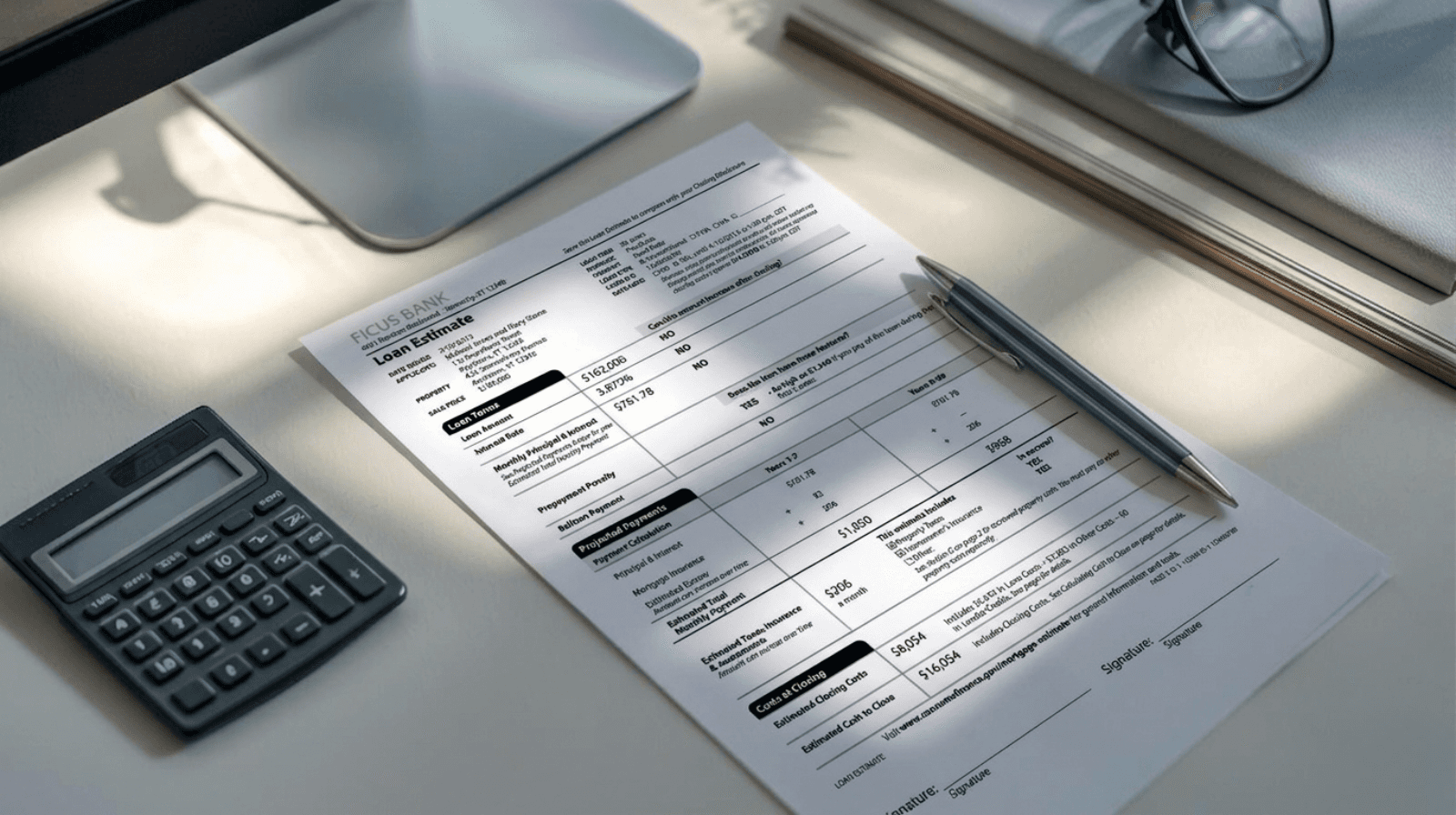
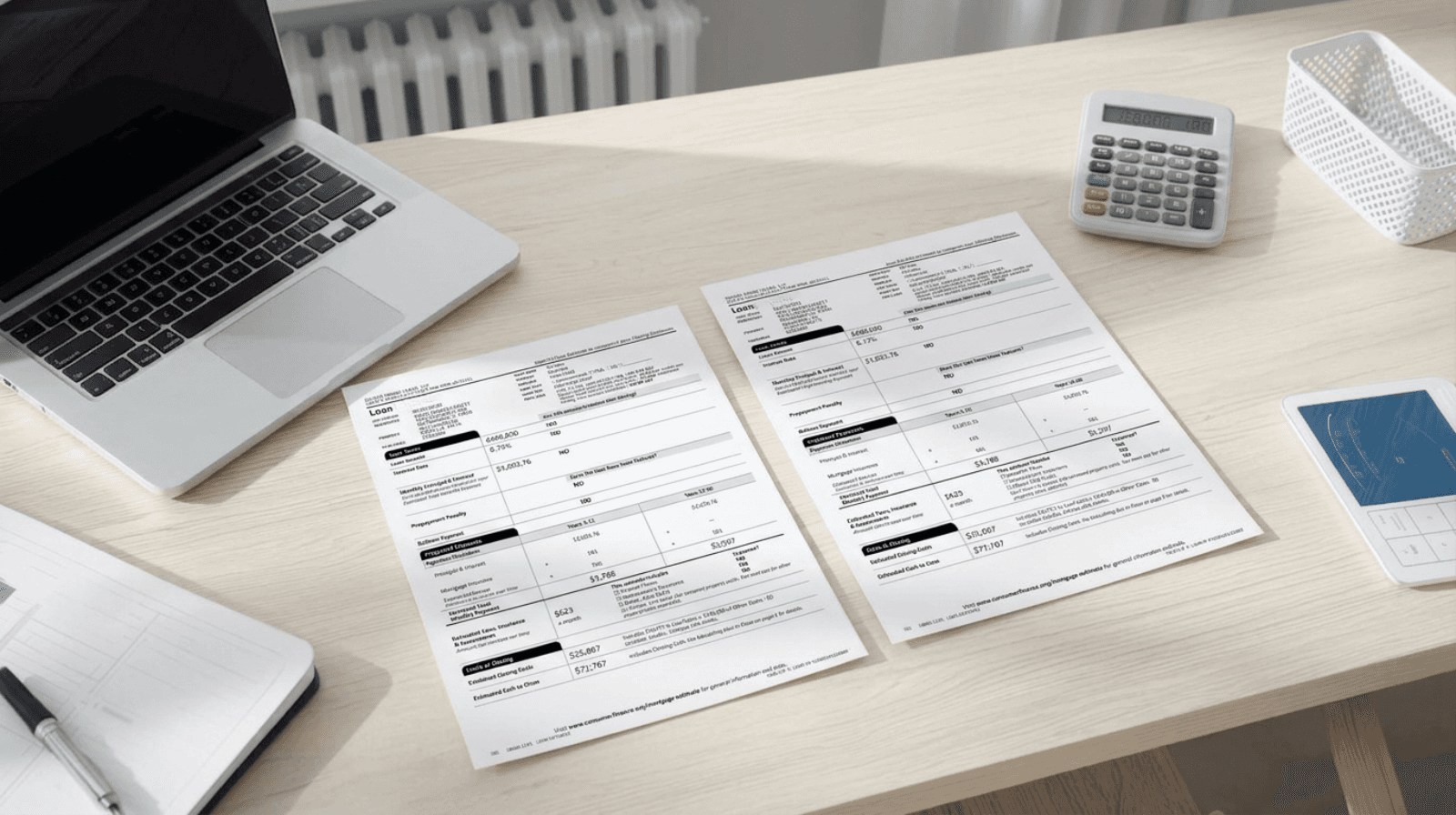
1️⃣ Upload your Loan Estimate securely
2️⃣ Vetted lenders review the deal
3️⃣ Some may present alternative offers
4️⃣ You compare your options — no extra credit pulls, no spam calls
Even a 0.125% improvement can save you thousands over the loan term.
FAQs: How Much Can Refinancing Lower Your Monthly Payment?
1. How much can refinancing lower my payment?
Typically $100–$300+ per month, depending on your loan size and rate drop.
2. Does PMI removal lower payments?
Yes — usually $150–$350/month, but actual results depend on the loan term and PMI rate.
3. Will refinancing always reduce my monthly payment?
It depends on the chosen loan term and whether you pay PMI.
4. How do I calculate my new payment?
Use your remaining loan balance, new rate, and term in a mortgage calculator.
5. Is a refinance worth it if my payment only drops a little?
Sometimes, total interest savings may still be substantial; do the math to see the actual savings.
6. Does restarting a 30-year term help?
Determine what is most affordable for you and what is most important. If monthly cash flow is a priority, then a 30-year term may be best. But if you want to limit the total interest paid, you may consider a shorter term.
Bottom Line
Refinancing can lower your monthly payment by $100–$300+ per month for many homeowners, and even more if you remove PMI. The exact savings depend on your loan balance, the rate improvement, the loan term, and your mortgage insurance status.
Before refinancing, make sure your offer is actually competitive.
Upload your Loan Estimate to Fincast and see if vetted lenders can offer a better deal — with no extra credit pulls and no spam calls.
👉Before refinancing, make sure your offer is actually competitive. Upload your Loan Estimate to Fincast and see if vetted lenders have a more competitive deal— with no extra credit pulls and no spam calls. Even a 0.125% better rate could save thousands over the life of your loan.
Disclaimer: Nothing in this content should be considered financial advice. The examples and data shared are for general information only and may not reflect your personal situation. We do not guarantee the accuracy or completeness of the information provided. Always do your own research and speak with a qualified financial advisor before making any financial decisions.
Ready to Save On Your New Mortgage?