
You hear rates have dropped, or you want a shorter loan term, so you decide to refinance. But is it worth it? While there’s no one-size-fits-all answer regarding whether refinancing is worth it, there are some common guidelines to consider when deciding what’s right for you.
The key is looking at the big picture, not just a specific situation. For example, lower rates don’t automatically mean refinancing makes sense. Sure, you might save a few dollars each month, but if the cost to refinance exceeds the savings during the time you’ll remain in the home, it may not be worth it.
Deciding whether refinancing is worth it comes down to understanding your options, comparing real offers, and ensuring the math works for your timeline. Tools like Fincast can simplify the comparison.
When Refinancing Is (and Isn’t) Worth Considering
No two borrowers have identical situations, but we’ve outlined some common scenarios borrowers face when deciding whether refinancing is worth it.
1. Rates have dropped since you bought
Many homeowners immediately think they should refinance when they hear rates have dropped below what they paid when they bought the property. While it may make sense for some borrowers, it’s not a one-size-fits-all situation.
Refinancing may make sense if:
Your new rate and terms lower the payment or provide better terms
and
You expect to stay in the home long enough to pass the break-even point
Even a slight rate drop may be worthwhile if your loan balance is high or you’re switching from an ARM or FHA loan with mortgage insurance to a conventional loan without it.
💡Pro tip: Pay close attention to the term. If you have already paid for many years on a 30-year term, consider shorter terms when refinancing to avoid extending the time it takes to pay your house off in full.
2. You’re planning to move soon
If you’re likely to sell or move in a couple of years, you may not reach the break-even point, losing the benefit of refinancing unless:
The lender offers very low or no-cost closing (sometimes through a higher rate)
and
The monthly savings are large enough that you break even quickly
This is where the break-even calculation is crucial. If your break-even point is 5–7 years and you’ll move in 2 years, you’re probably better off staying put.
Many homeowners refinance without knowing whether they selected the best offer or whether refinancing was worth it. Fincast exists to eliminate that uncertainty.
3. You want a shorter term (30 → 15 years)
If your income has increased or you are now in a financial position to afford a higher payment, you may save thousands of dollars in interest by reducing your term.
Refinancing from a 30-year to a 15-year typically:
Increases your monthly payment
Slashes your total interest over the life of the loan
Pays your home off much faster
This may be worth it if:
Your income is stable
You’re comfortable with the higher payment
You like the idea of being debt-free sooner
💡Pro tip: If the new payment will be difficult to cover, consider keeping the 30-year term and paying extra toward principal when you can.
4. You’re tempted by a cash-out refinance
Cash-out refinances let you tap your home’s equity for things like renovations, debt consolidation, or large expenses.
They may be worth it when:
You’re replacing high-interest debt (like credit cards) with a lower mortgage rate
The cash is used for value-add projects (e.g., renovations that increase home value)
Your new payment fits comfortably in your budget
But they can backfire if:
You stretch your mortgage back out to 30 years and increase the total interest over the life of the loan
You’re using the cash for short-term wants instead of long-term value
You’re left with little equity and less flexibility if home values drop
💡Pro tip: Shopping around for the best offer is essential when choosing a cash-out refinance. Fincast helps you confirm whether refinancing actually makes sense before you commit. All you need is one Loan Estimate from any lender to secure multiple offers from vetted lenders without extra credit pulls or spam.
5. You’re stuck with mortgage insurance
If you bought with less than a 20% down payment, you may be paying PMI (on a conventional loan) or MIP (on an FHA loan).
Refinancing may be worth it if:
Your home’s value has increased enough that you now have 20%+ equity
and
You can qualify for a conventional loan that doesn’t require ongoing mortgage insurance
Sometimes, even if the rate is similar, dropping monthly mortgage insurance can make a refinance worthwhile — especially if you’re planning to stay in the home for years.
Refinancing isn’t a Guess: Here’s How to Know If It’s Worth It
Here’s a quick roadmap you can follow:
Gather your info
Get a realistic rate quote
Understand closing costs
Run the numbers in a calculator
Compare the savings with your life plans
Ask yourself:
How long am I realistically staying in this home?
Do I value a lower payment or faster payoff more right now?
Am I comfortable with the closing costs and any cash I’m taking out?
Decision time
Refinancing may be the right decision if:
You’ll hit break-even well before you plan to move
and
The new loan saves substantial interest
and
The monthly payment fits your budget
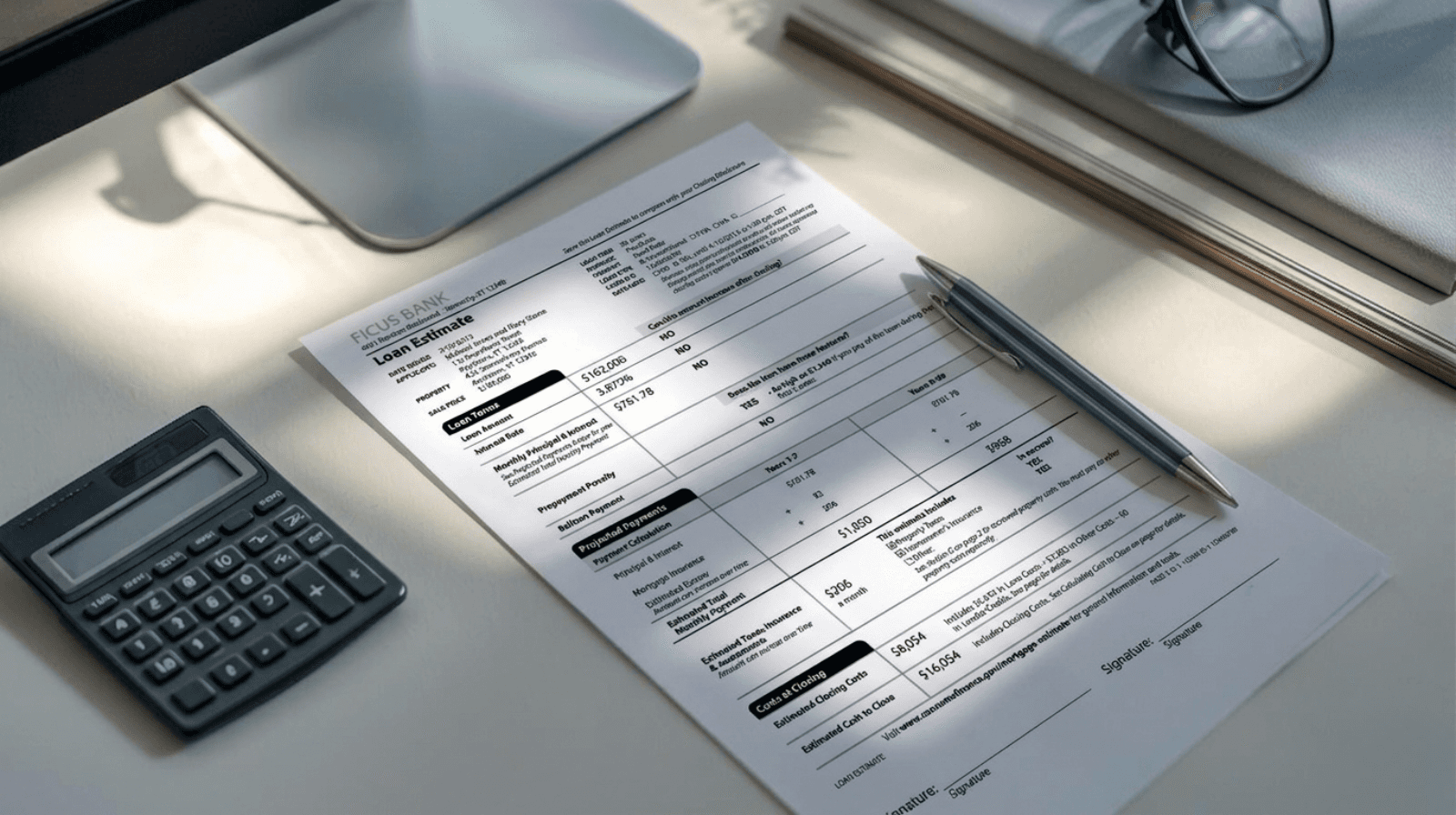
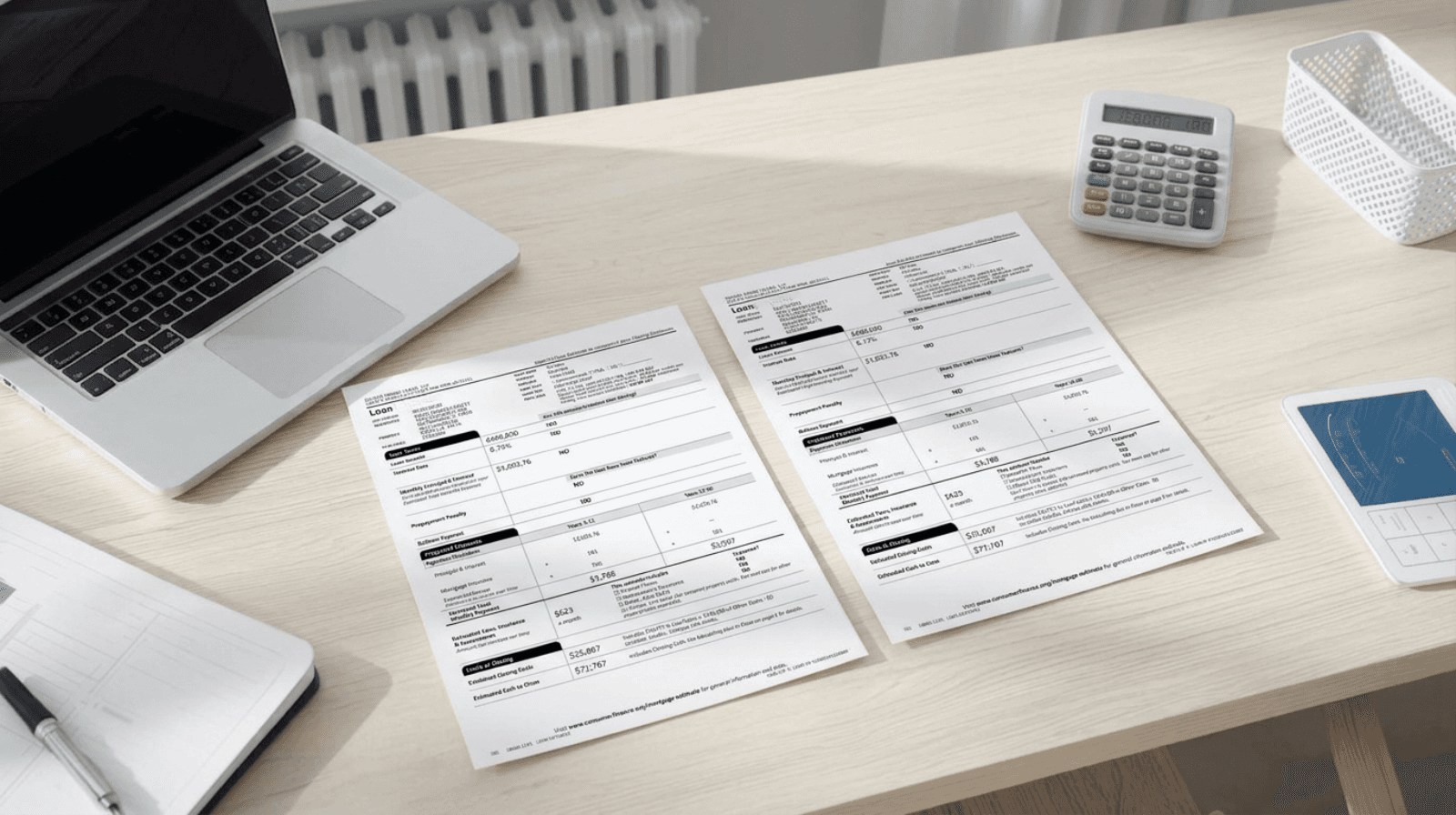
Even if everything aligns and makes refinancing seem like a perfect fit, shopping around is essential. No two lenders offer the same rates and terms, which can mean thousands of dollars in savings you could miss out on by not getting multiple offers. Get several quotes from lenders and compare your Loan Estimates side by side to make a confident decision.
💡Pro tip: Don’t get overwhelmed by shopping around. Get a single Loan Estimate from any lender and upload it to Fincast. You can receive other offers from vetted lenders, allowing you to determine which offer makes the most financial sense.
The Bottom Line
Refinancing is neither inherently beneficial nor inherently risky. It’s a math problem wrapped in your real life.
Worth it? When the math clearly shows savings, and the new loan fits your plans.
Not worth it? When fees, timeline, or higher total interest outweigh the benefits.
Using a refinance calculator turns a confusing decision into a clear one: Here’s how much you save, here’s when you break even, and here’s how the new loan changes your future. There’s no obligation to refinance, but confirming whether it is worth it can make the difference between saving and needlessly spending money.
👉 Before you decide to wait or refinance, upload your Loan Estimate to Fincast and see what options you have to maximize savings and decide if refinancing is worth it.
This content is for educational purposes only. Rates, fees, and availability vary by lender and borrower profile.
Disclaimer: Nothing in this content should be considered financial advice. The examples and data shared are for general information only and may not reflect your personal situation. We do not guarantee the accuracy or completeness of the information provided. Always do your own research and speak with a qualified financial advisor before making any financial decisions.
Ready to Save On Your New Mortgage?