Buying or refinancing a home with less than 20% down often comes with an extra cost many homeowners don’t fully understand: mortgage insurance. Some people are surprised to learn there are two very different types — PMI and MIP — and that they work differently depending on the loan.
Confusing these can cost homeowners thousands over time. Understanding the difference helps you choose the right loan, plan when insurance can be removed, and avoid paying more than necessary.
Key Takeaways
PMI applies to conventional loans, while MIP applies to FHA loans
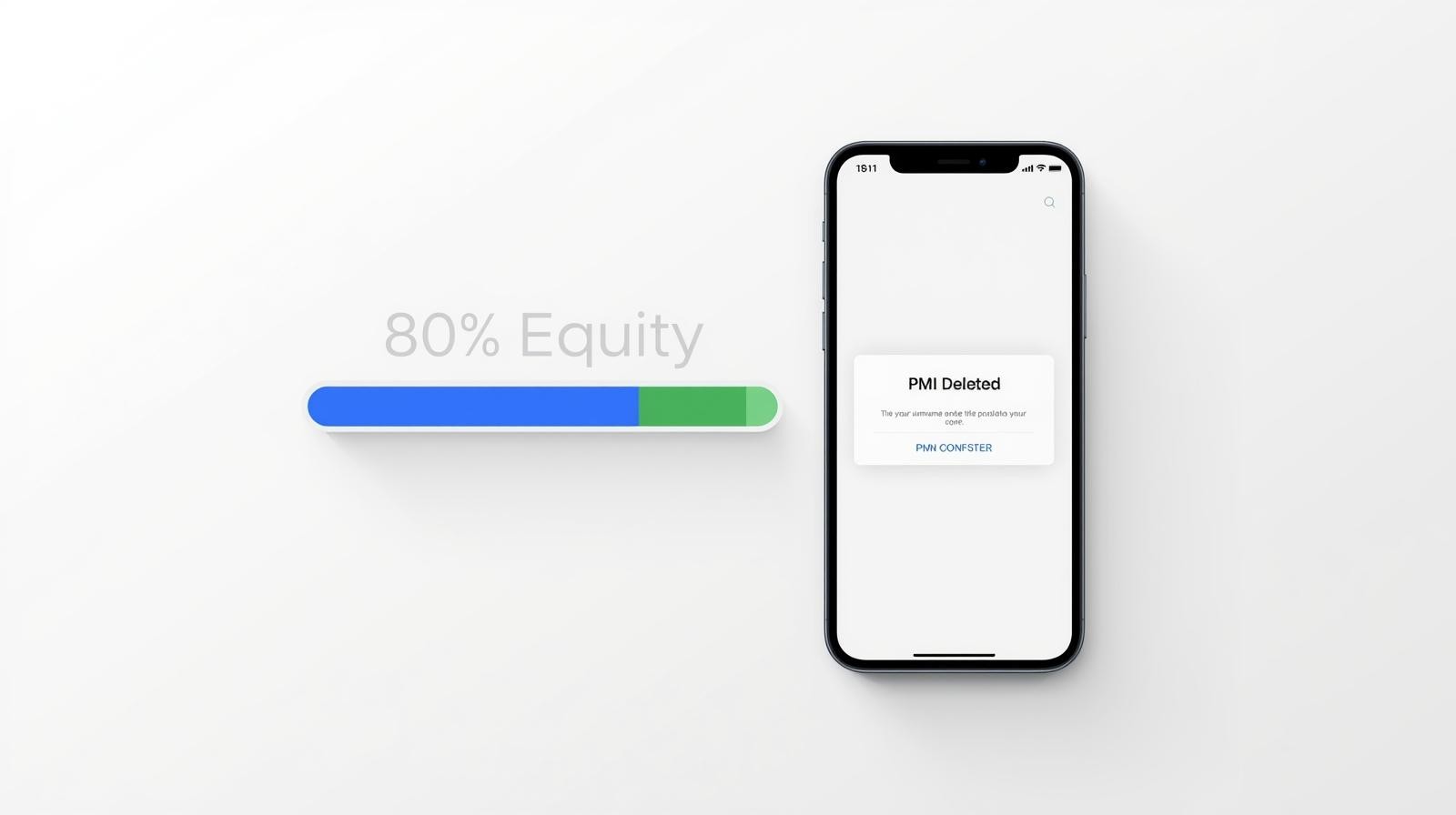
PMI can often be canceled once enough equity is built
MIP usually lasts much longer — sometimes for the life of the loan
The total cost of MIP is often higher over time
Choosing the right loan type can significantly reduce long-term costs
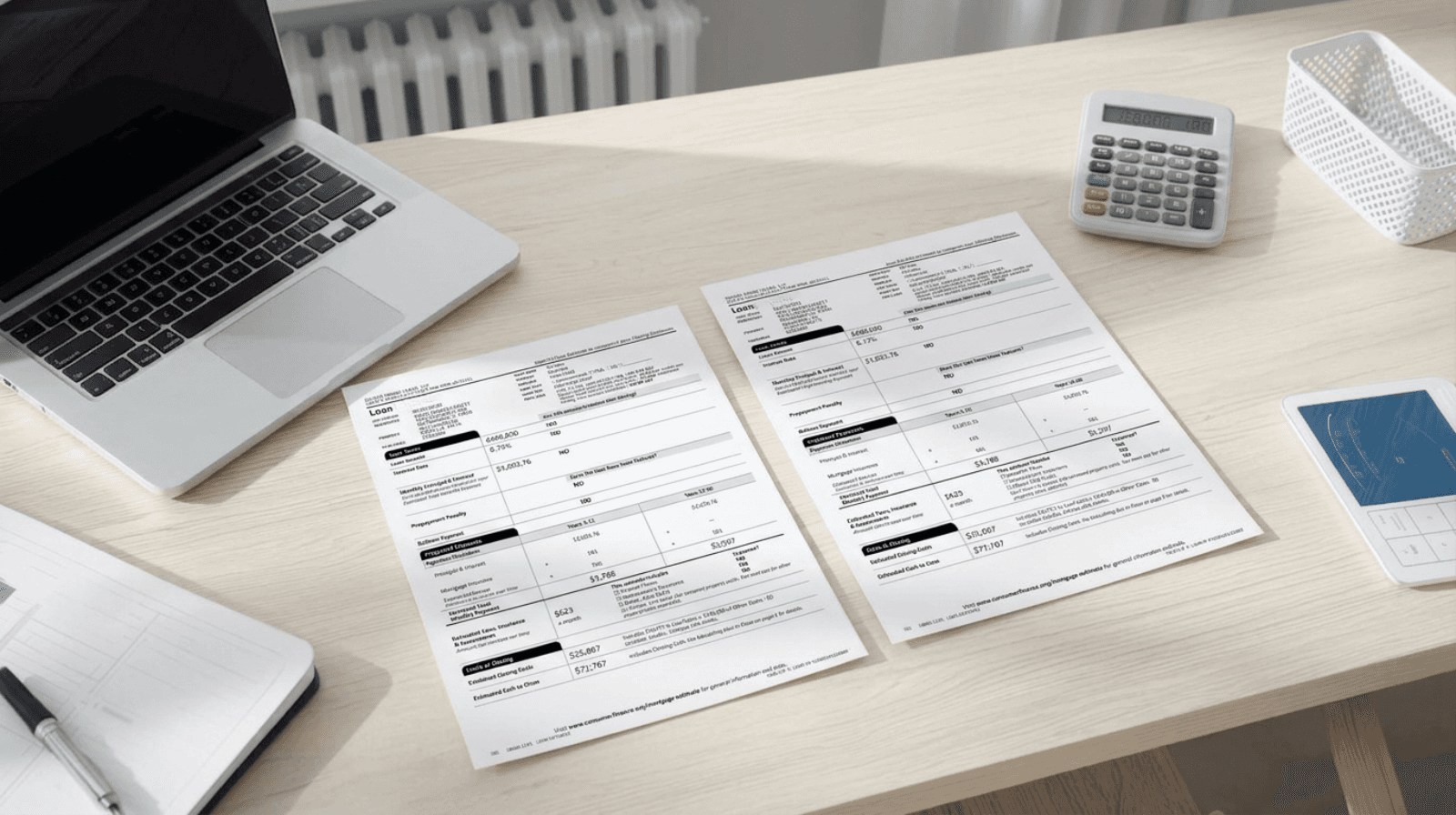
💡 Pro Tip: Because lender pricing can vary widely even for the same loan and borrower, it’s important to get multiple offers and compare them side by side, especially when paying mortgage insurance as every penny counts. Upload your Loan Estimate today to see your options.
What Is Private Mortgage Insurance (PMI)?
PMI is required on many conventional loans when the borrower puts down less than 20%. It protects the lender — not the homeowner — in case of default. PMI costs vary based on credit score, loan size, and down payment.
Why it matters:
PMI may be cheaper for borrowers with strong credit
Homeowners can usually remove it once they have enough equity (with lender approval)
Common PMI structures:
Monthly PMI: Many borrowers choose this option, which spreads the PMI premium over the loan term and requires a fixed monthly payment.
Single upfront PMI: Borrowers with liquid cash who plan to remain in the home long term may choose this option to pay the full premium upfront.
Lender-paid PMI: Borrowers who don’t want to pay the premium, or who only plan to be in the home for a short time, may take the higher interest rate lenders charge in exchange for lender-paid PMI.
💡 Pro Tip: If your home value rises or you pay down your loan faster, PMI may be removed sooner than expected, depending on the lender's policy.
What Is Mortgage Insurance Premium (MIP)?
MIP is required on all FHA loans, regardless of down payment size. It includes both an upfront fee and an ongoing monthly premium. Unlike PMI, MIP rules are set by the FHA and offer very limited flexibility.
Why it matters:
MIP costs are standardized — credit score has less impact
In many cases, MIP lasts for the entire loan term
The only exception to lifetime MIP is for borrowers who put down 10% or more on the home. The FHA allows MIP to be removed after 11 years of paying it.
MIP has two parts:
Upfront MIP: This is a percentage of the loan amount and requires an upfront payment, but many borrowers roll the cost into the loan.
Annual MIP: This is also a percentage of the loan amount, and is based on the LTV, down payment, and loan term. Borrowers pay this premium monthly.
PMI vs MIP: Side-by-Side Comparison
Understanding the differences helps clarify which loan fits your situation best.
Loan type
Upfront cost
Monthly cost
Removal
💡 Pro Tip: Even a 0.25% markup in the rate can make a significant difference in affordability when paying for mortgage insurance. Before committing to a loan from the first lender, upload your Loan Estimate to Fincast to ensure you have a competitive offer.
Which Is Cheaper Over Time?
This depends on credit, equity growth, and how long you keep the loan. Borrowers with strong credit often pay far less with PMI, especially if they remove it early. MIP may appear affordable initially, but it can become costly if it remains in place for decades.
Typical scenarios:
Short-term owners may tolerate MIP
Long-term owners often benefit from PMI
Refinancing out of MIP can reduce lifetime costs
Clear takeaway: Long-term planning matters more than the initial payment.
When PMI or MIP Makes Sense
Both options can be helpful depending on the borrower.
PMI may make sense if:
You have good credit
You expect home values to rise
You plan to remove insurance quickly
MIP may make sense if:
Credit challenges limit conventional approval
You need a low-down payment option
You plan to refinance later
Step-by-Step: How to Reduce Mortgage Insurance Costs
Review your current loan type
Check your loan-to-value ratio
Understand removal rules for the type of insurance your loan requires
Monitor home value changes
Compare refinance options
Common Mistakes Homeowners Make
Assuming PMI and MIP work the same
Forgetting to request PMI removal
Staying in an FHA loan longer than necessary
Not comparing refinance offers
Focusing only on the interest rate
FAQs
What is the difference between PMI and MIP?
PMI applies to conventional loans, while MIP applies to FHA loans. PMI can usually be removed, but MIP often lasts much longer.
Can PMI be removed automatically?
Yes. PMI is typically removed automatically once the loan reaches a certain loan-to-value ratio, assuming payments are current.
Is MIP required for the life of the loan?
In many cases, yes. MIP often remains for the full term unless the loan is refinanced.
Is PMI cheaper than MIP?
PMI is often cheaper for borrowers with strong credit, but costs vary by lender and loan structure.
Can refinancing remove MIP?
Yes. Refinancing from an FHA loan into a conventional loan may eliminate MIP if you qualify.
Should I avoid FHA loans because of MIP?
Not necessarily. FHA loans can be useful stepping stones, especially if you plan to refinance later.
Bottom Line
The right mortgage insurance choice can save you thousands, but only if you understand what you’re paying for. If you have strong credit and plan to stay in your home long-term, a conventional loan with removable PMI may cost less over time.
If you’re working with a lower credit score or need a flexible down payment option, an FHA loan may be the right entry point, but plan your exit strategy to avoid paying MIP for decades. The biggest mistake isn’t choosing one over the other; it’s accepting the first offer you receive without knowing if you’re overpaying. Because lender pricing varies significantly even for identical loans, comparing offers is the only way to know you’re getting a competitive deal, especially when every 0.1% in rate or premium adds up to real money over 30 years.
How Fincast Helps You Compare Mortgage Insurance Costs
Not sure how to compare your loan options and make confident decisions? Let Fincast do the work for you, all you need is a Loan Estimate from your preferred lender and to follow these steps:
Upload your Loan Estimate securely.
Fincast benchmarks your deal across vetted lenders.
Lenders anonymously compete to beat your offer.
You choose the strongest offer — no spam, no extra credit pulls.
This helps homeowners see whether switching loan types or lenders can eliminate PMI or escape long-term MIP costs.
👉 Ready to see if you’re overpaying on mortgage insurance? Upload your Loan Estimate to Fincast and let vetted lenders compete anonymously to offer you their best pricing — no spam, no extra credit pulls, just savings.
This article is for educational purposes only and does not constitute personalized financial advice. Mortgage requirements vary by lender and individual circumstances. Consult with a licensed mortgage professional for your specific situation.
Disclaimer: Nothing in this content should be considered financial advice. The examples and data shared are for general information only and may not reflect your personal situation. We do not guarantee the accuracy or completeness of the information provided. Always do your own research and speak with a qualified financial advisor before making any financial decisions.
Ready to Save On Your New Mortgage?