
Buying a home with less than a large down payment is common, but it often comes with an additional cost called PMI. Many homeowners pay for it without fully understanding why they have it, how long it lasts, or when it can be removed. Others confuse PMI with FHA mortgage insurance and assume the rules are the same. This matters because eliminating PMI at the right time can save hundreds of dollars a month and thousands over the life of your loan.
Key Takeaways
PMI protects the lender, not the borrower, on conventional loans.
It’s typically required when you put down less than 20%.
PMI can often be removed once you reach enough equity.
FHA mortgage insurance follows different rules and timelines.
The right refinance, or equity milestone, can eliminate PMI faster.
What Is PMI?
Private Mortgage Insurance (PMI) is an insurance policy required on many conventional loans when a borrower makes a down payment of less than 20%. It reduces the lender’s risk in the event of a borrower default. PMI does not protect you as the homeowner; it protects the lender.
PMI typically appears as a monthly fee added to your mortgage payment. The cost varies by lender, loan size, credit score, and down payment, but it often ranges from $30 to $70 per month for every $100,000 borrowed.
💡 Pro Tip: PMI is not the same as homeowner’s insurance — and canceling one does not affect the other.
When Is PMI Required?
PMI is typically required on conventional loans when your loan-to-value (LTV) ratio is above 80%. LTV compares your loan balance to your home’s value.
Common situations where PMI applies:
Down payment less than 20%
Using a low-down-payment conventional program
Refinancing with limited equity
Home values decline after purchase, raising LTV
Once your equity grows and your LTV improves, you may be eligible to eliminate PMI — unlike FHA mortgage insurance.
💡 Pro Tip: PMI is tied to equity, and equity changes over time. Refinance pricing often depends on your LTV (loan-to-value), so understanding it is crucial.
How Much Does PMI Cost?
PMI costs vary, but lenders usually calculate it as a percentage of your loan balance. Factors that influence the cost include:
Credit score
Down payment amount
Loan term
Loan type
Lender pricing models
For many borrowers, PMI is cheaper than waiting years to save a 20% down payment — but it’s still important to work towards eliminating it as soon as possible.
💡 Pro Tip: A refinance can remove PMI and lower your rate, but only if the rates and closing costs truly work in your favor. Don’t assume the first offer you receive is the right offer. Compare your options side by side to ensure you have the most competitive deal.
How Can You Eliminate PMI?
There are several ways to eliminate PMI, depending on your loan and equity position.
1. Automatic PMI Cancellation
For most conventional loans, PMI must automatically end once your loan balance reaches 78% of the original home value, assuming your payments are current.
This occurs without your request and is based on the original value, not the current market value.
2. Request PMI Removal at 80% LTV
Many lenders allow you to request PMI removal once you reach 80% LTV. This often requires:
A written request
A strong payment history
A new appraisal (in some cases)
Potential seasoning period (usually two years, but investor guidelines apply)
This method can remove PMI earlier than automatic cancellation, but requires lender approval.
3. Home Appreciation
If your home's value increases significantly, you may be able to eliminate PMI even if you haven’t paid down the loan balance to 80%.
This typically requires:
A new appraisal (general cost of $300 - $600, but varies by location)
Proof of increased value
Lender approval
Specific seasoning period
4. Refinance Into a New Loan
Refinancing into a conventional loan with at least 20% equity can eliminate PMI immediately. This is common when:
Home values have risen
Interest rates or loan terms improve
You’re already considering refinancing
Lender and loan program requirements to eliminate PMI vary, and borrowers who choose to have lender-paid PMI cannot remove it.
💡 Pro Tip: Even a 1/8-point difference in interest rate can mean thousands of dollars over the life of the loan. Don’t be like thousands of other homeowners and leave money on the table. Compare your refinance options by getting offers from multiple lenders to ensure that removing PMI works in your favor.
PMI vs. FHA Mortgage Insurance: What’s the Difference?
PMI and FHA mortgage insurance are often confused, but they operate very differently.
PMI (Conventional Loans):
Required when putting less than 20% down
Can usually be removed
Cost varies by credit and lender
No upfront insurance fee
FHA Mortgage Insurance (FHA Loans):
Required regardless of down payment
Includes an upfront fee plus monthly insurance
Often lasts for the life of the loan
Governed by the Federal Housing Administration
With FHA loans, removing mortgage insurance usually requires refinancing into a conventional loan once enough equity is built.
PMI is temporary by design; FHA mortgage insurance is often long-term unless you refinance.
Step-by-Step: How to Get Rid of PMI Faster
Check your current loan balance and estimated home value.
Calculate your approximate loan-to-value ratio.
Review your lender’s PMI cancellation policy.
Request PMI removal if you’re near 80% LTV.
Consider refinancing if equity and pricing align.
Compare multiple lenders before making a move.
Common PMI Mistakes to Avoid
Assuming PMI falls off automatically at 80%
Confusing PMI with FHA mortgage insurance
Waiting too long to request removal
Not factoring home appreciation into eligibility
Refinancing without confirming PMI will be eliminated
How Fincast Helps You Remove PMI
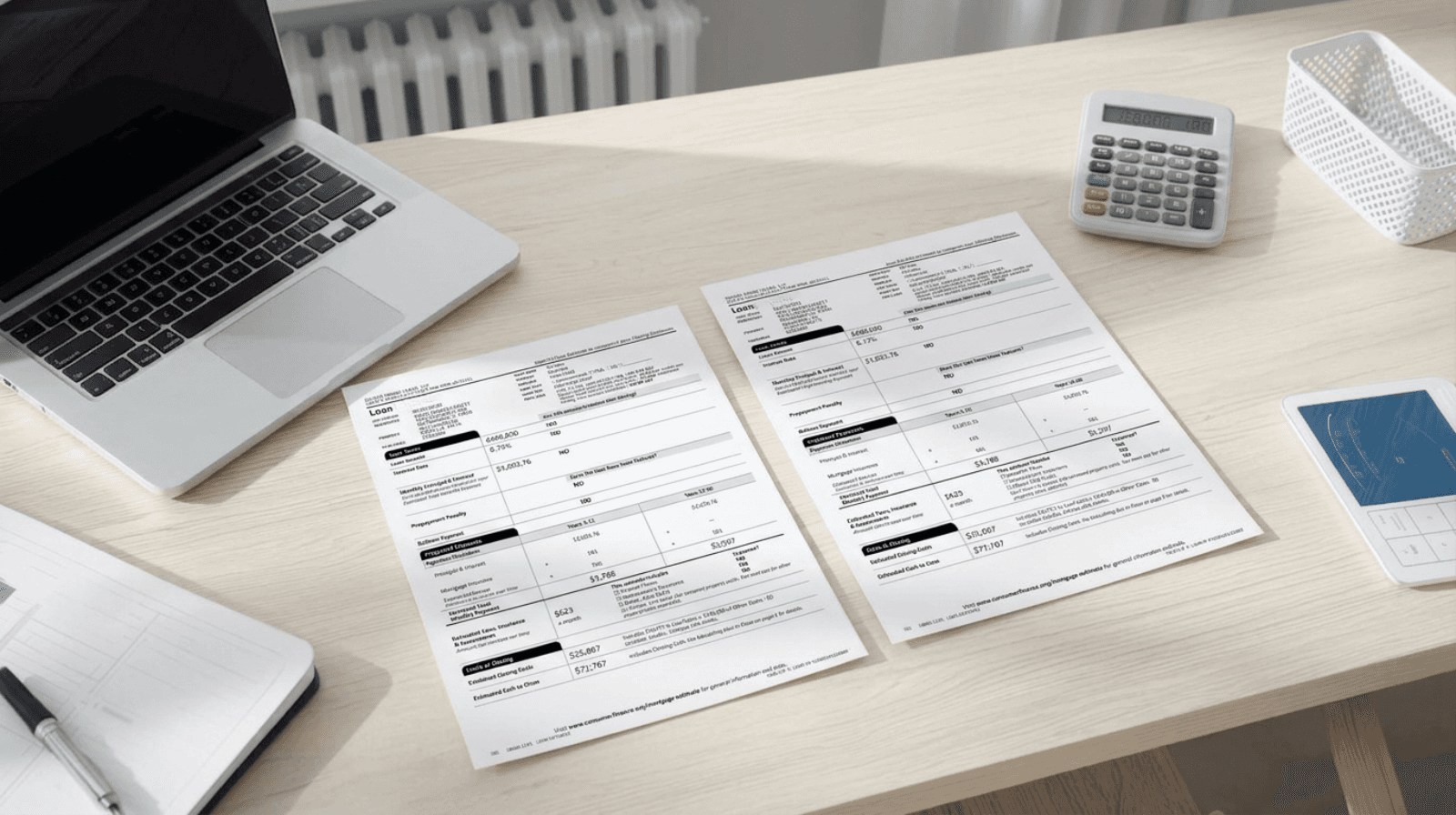
Lender pricing can vary significantly even for the same borrower. Not all refinances will make financial sense, even if you are eliminating PMI. Comparing your options across multiple lenders is essential, but manually shopping around takes time and can be overwhelming. Fincast does the heavy work for you; all you need is a single Loan Estimate from any lender.
Here’s how it works:
Upload your Loan Estimate to Fincast.
The algorithm benchmarks your deal across vetted lenders.
Lenders anonymously compete to beat your offer.
You choose the strongest offer — no spam, no extra credit pulls.
If PMI is inflating your monthly payment, Fincast helps you see whether refinancing or switching lenders can eliminate it and improve your overall deal.
FAQs
What is PMI on a mortgage?
PMI is private mortgage insurance required on many conventional loans when your down payment is less than 20%. PMI protects the lender, not the borrower, and is usually paid monthly.
When can PMI be removed?
PMI can often be removed once your loan reaches about 80% loan-to-value, either through payments, appreciation, or refinancing. Exact rules vary by lender, and approval is necessary.
Is PMI the same as FHA mortgage insurance?
No. PMI applies to conventional loans and can usually be removed. FHA mortgage insurance has different rules and often lasts the life of the loan (unless you put down 10% or more, in which case it lasts only 11 years).
Does refinancing remove PMI?
Refinancing can remove PMI if your new loan has at least 20% equity. This depends on your home value, loan balance, and lender terms.
Is PMI worth it?
PMI can be worthwhile if it helps you buy or refinance sooner, but it should be treated as a temporary cost with a clear exit plan.
Bottom Line
PMI is a common — but manageable — part of many mortgages. When you understand how it works, when it’s required, and how to eliminate it, you can take control of your monthly payment and long-term costs instead of overpaying by default.
👉 Upload your Loan Estimate to see if you can eliminate PMI. Refinancing only makes sense if you have a reasonable break-even period. Fincast can help you find the most competitive deal for your situation, or verify that your current deal is worth it.
This content is for educational purposes. Consult with a licensed mortgage professional for advice specific to your situation.
Disclaimer: Nothing in this content should be considered financial advice. The examples and data shared are for general information only and may not reflect your personal situation. We do not guarantee the accuracy or completeness of the information provided. Always do your own research and speak with a qualified financial advisor before making any financial decisions.
Ready to Save On Your New Mortgage?