
Your offer’s accepted — congratulations! Now comes one of the most important (and underrated) steps before closing: choosing the right home inspector.
A home inspection isn’t just a box to check — it’s your only real chance to uncover hidden problems before you commit to one of the biggest financial decisions of your life. But not all inspectors are created equal. A qualified, thorough professional can save you from unexpected repairs, while an inexperienced one might miss costly red flags.
This guide shows you exactly how to choose a qualified home inspector, what questions to ask, and how to avoid common pitfalls — so you can make confident, informed decisions.
Key Takeaways
✅ Experience Matters: Choose inspectors with at least 3–5 years in the field (not just new license holders).
✅ Certifications Count: Look for credentials from ASHI, InterNACHI, or state licensing boards.
✅ Read Sample Reports: Detailed, photo-supported reports signal professionalism and transparency.
✅ Ask the Right Questions: Know what’s included, what’s not, and how they handle follow-up.
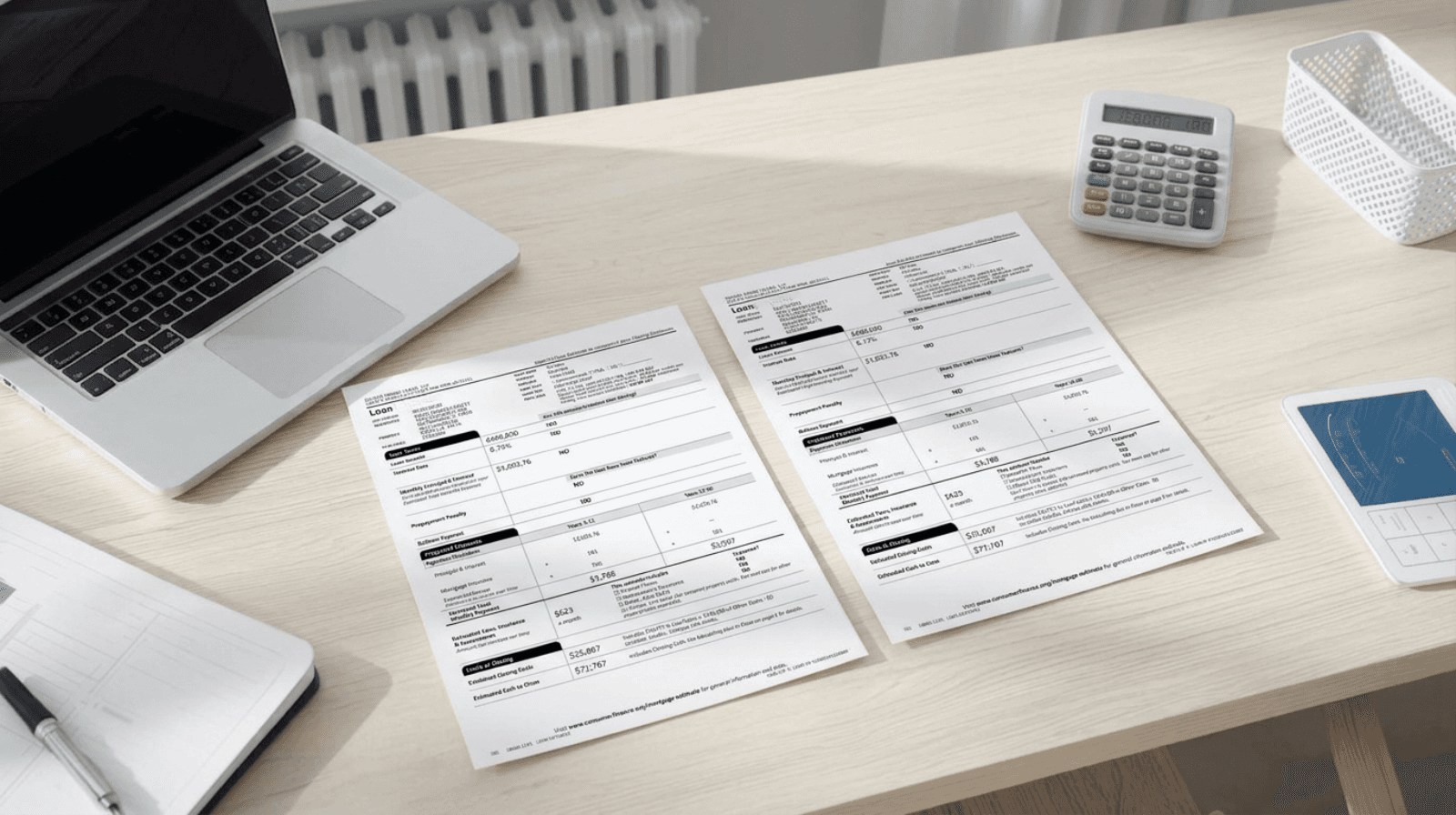
✅ Fincast helps you plan: Once you’ve got your inspection results, upload your Loan Estimate to Fincast and let vetted lenders compete to beat your rate — saving money for any repairs or upgrades.
💡 Pro Tip: Inspectors often find thousands of dollars in necessary repairs or issues. Saving as much money as possible on your mortgage can help cover those expenses.
Step 1: Understand the Inspector’s Role 🕵️
A home inspector is a neutral professional who evaluates the home’s condition — not a contractor, not an appraiser, and not an insurance adjuster. Their goal is to identify visible, accessible issues that could affect safety, structure, or systems.
💡 Pro Tip: For a full overview of what happens during a home inspection, see What Happens During a Home Inspection (and What to Look For).
Inspectors typically examine:
Structure and foundation
Roof and attic
Plumbing and electrical systems
HVAC (heating and cooling)
Windows, doors, and insulation
Exterior grading and drainage
They’ll provide a written report, often with photos and recommendations — your roadmap for negotiation and maintenance.
Step 2: Verify Licenses and Certifications 📜
Many states require inspectors to be licensed — but even where it’s optional, credentials signal credibility.
Top organizations include:
ASHI (American Society of Home Inspectors)
InterNACHI (International Association of Certified Home Inspectors)
NAHI (National Association of Home Inspectors)
Inspectors certified through these organizations must meet strict training and continuing education requirements.
💡 Pro Tip: Ask for their license number and verify it through your state’s real estate or consumer protection website.
Step 3: Ask About Experience and Specialization 👷♂️
You want an inspector who’s seen hundreds of homes — not someone who just passed an online test last month. Ask how long they’ve been inspecting, how many homes they evaluate annually, and whether they specialize in your property type (e.g., historic homes, condos, new builds).
If you’re buying an older home, consider an inspector with additional training in foundation and moisture issues.
💡 Pro Tip: Read our guide on How to Research Neighborhoods Like a Local — knowing the area helps you find inspectors familiar with local building styles and common regional concerns.
Step 4: Review Sample Reports Before Hiring 📋
A great inspector produces reports that are:
Detailed (not vague checkboxes)
Include photos and clear explanations
Organize issues by severity (e.g., safety vs. maintenance)
Delivered within 24–48 hours
Ask for a sample report before hiring — it’s the best preview of the quality you’ll get. If the report looks generic or lacks photos, that’s a red flag.
Step 5: Understand What’s Included (and What’s Not) 🔍
Standard home inspections are non-invasive — inspectors don’t open walls or move furniture. Know the scope before you sign.
Most include:
Structure, electrical, plumbing, HVAC, roof, and foundation.
Most exclude:
Mold, radon, asbestos, lead paint, or pest damage (each requires a separate specialist).
💡 Pro Tip: Combine your general inspection with optional add-ons, such as radon or sewer scope, if recommended — see What Happens During a Home Inspection (and What to Look For) for more.
Step 6: Ask About Tools and Technology ⚙️
Qualified inspectors use modern tools for accuracy and safety:
Moisture meters to detect leaks behind walls
Infrared cameras to spot insulation gaps
Gas leak detectors for HVAC or stove systems
Drone roof inspections for steep or inaccessible roofs
If an inspector uses only a flashlight and a clipboard, keep looking.
Step 7: Check Reviews and References 🌟
Search Google, Yelp, or the Better Business Bureau for verified reviews. Pay attention to feedback about:
Thoroughness
Communication clarity
Report quality
Responsiveness and professionalism
Then request at least two recent client references. Call them and ask:
“Did the inspector help you feel confident about your purchase? Were there any surprises after closing?”
You’ll know within minutes if they’re worth hiring.
Step 8: Compare Costs — But Don’t Shop on Price Alone 💵
Typical inspection fees range from $300–$600, depending on the home’s size, age, and location. Cheaper isn’t better — you’re paying for expertise and detail.
A $100 savings now could cost thousands later if major issues are missed.
💡 Pro Tip: Use Fincast to strengthen your finances before closing, instead of cutting corners on inspection quality.
How Fincast Helps You Plan Financially 🚀
A top-notch inspection gives you clarity. A lower mortgage rate gives you flexibility. Together, they make you a more confident buyer.
Here’s how Fincast works:
Get pre-approved with your lender
Upload your Loan Estimate securely to Fincast
Vetted lenders compete to beat your rate — no spam, no credit impact
Choose the best deal for your situation and potentially save money over your loan
💡 Even a slightly lower rate could cover the cost of inspections — and then some.
Learn more: What is Fincast?
FAQs
1. Should I let my agent choose the inspector?
Your agent can recommend options, but you make the final call. Always vet them independently.
2. Are all inspectors required to be licensed?
Not in every state. Check your local laws, but always choose a certified, insured professional.
3. How long does an inspection take?
Typically 2–3 hours, depending on size and complexity.
4. Should I attend the inspection?
Yes! You’ll learn about your new home firsthand and can ask questions on the spot.
5. What if I don’t agree with the inspector’s findings?
Get a second opinion from a specialist (like a roofer or electrician). It’s worth confirming major concerns.
Bottom Line
Choosing a qualified home inspector is about protecting your investment — and your peace of mind. An experienced, credentialed professional provides the insights you need to negotiate effectively and close with confidence.
You’re ready to hire the right inspector when:
✅ You’ve verified their license and certifications
✅ You’ve reviewed a sample report
✅ You understand what’s included in the inspection
✅ You’re planning to attend in person
✅ You’ve uploaded your Loan Estimate to Fincast for maximum savings
Action Checklist
✅ Verify inspector license and certifications
✅ Check reviews and request client references
✅ Review a sample inspection report
✅ Confirm what’s included and excluded
✅ Schedule inspection early in contingency window
✅ Attend and take notes
✅ Follow up with specialist inspections if needed
✅ Upload your Loan Estimate to Fincast
✅ Let lenders compete to beat your rate
✅ Close with confidence knowing your home (and your finances) are solid
👉 Ready to hire the right home inspector — and keep your finances sharp?
Get pre-approved, upload your Loan Estimate to Fincast, and let vetted lenders make potentially better offers, while you focus on protecting your investment.
Disclaimer: Nothing in this content should be considered financial advice. The examples and data shared are for general information only and may not reflect your personal situation. We do not guarantee the accuracy or completeness of the information provided. Always do your own research and speak with a qualified financial advisor before making any financial decisions.
Ready to Save On Your New Mortgage?