
The right house in the wrong neighborhood is still the wrong house. Location affects your daily quality of life, home value appreciation, and resale potential more than any other factor. This guide shows you exactly how to research neighborhoods like someone who already lives there, ensuring you choose a location you'll love for years to come.
Key Takeaways
Schools Matter Even If You Don't Have Kids:
Good school districts can significantly boost home values and make reselling easier, regardless of whether you have children.
Visit at Different Times:
Drive through the neighborhood on weekday mornings, evenings, and weekends to see traffic patterns, noise levels, and neighborhood activity at various times.
Commute Times Change Throughout the Day:
Your test drive at 2 pm isn't the same as rush hour. Check Google Maps traffic history and do a trial commute during actual work hours.
Crime Stats Only Tell Part of the Story:
Walk the neighborhood, talk to residents, and trust your instincts alongside official crime data.
Amenities Affect Daily Convenience:
Proximity to groceries, restaurants, parks, and healthcare impacts your lifestyle more than you think.
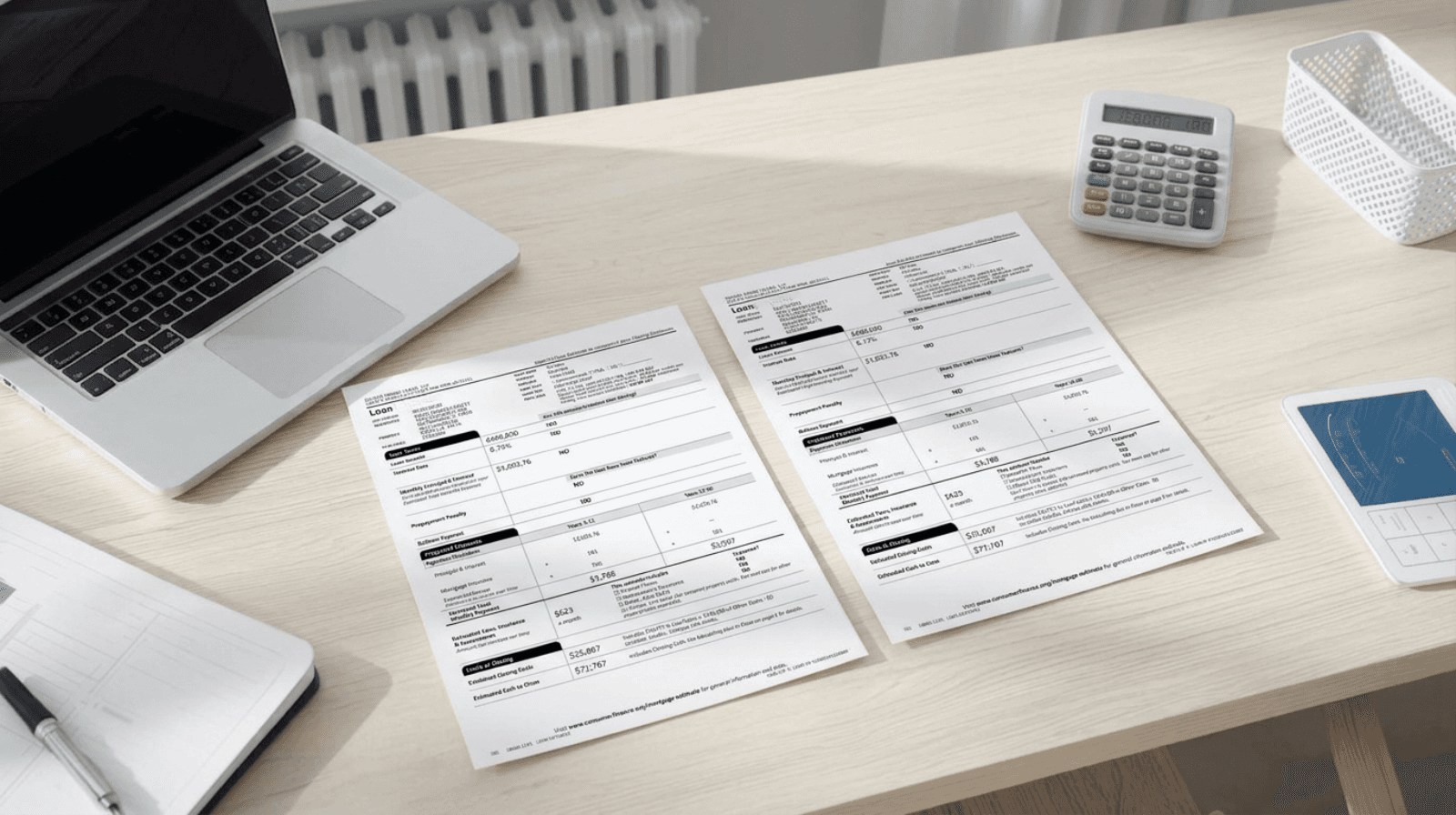
💡 Pro Tip: Once you've found the perfect neighborhood, don't overpay for your mortgage. Upload your Loan Estimate to Fincast and let vetted lenders compete to offer better terms—no extra credit pulls, no spam.
Savings and loan terms vary based on credit profile, market conditions, and lender participation.
Understanding What Makes a Neighborhood Great 🏘️
School Quality
Even childless buyers benefit from good schools. Homes in top-rated school districts often appreciate faster and sell more quickly—research test scores, graduation rates, teacher-to-student ratios, and parent reviews. Visit schools during drop-off or pick-up to observe facilities and community involvement. Poor schools signal declining property values, while excellent schools may protect your investment.
Commute Accessibility
Your daily commute affects your quality of life more than almost anything else. A 30-minute commute each way costs you 260 hours annually—over 10 full days in your car. Consider public transit options, highway access, and alternative routes for bad weather or accidents.
Safety and Crime
Check city police websites for crime maps and statistics. But numbers don't tell the whole story. Walk the neighborhood at different times. Are homes well-maintained? Do you see people outside? Are there security systems and cameras? Talk to residents about their experiences. Trust your gut—if a neighborhood feels unsafe, it may not be a good fit.
Amenities and Conveniences
Map your essentials: grocery stores, pharmacies, banks, gas stations, restaurants, coffee shops, gyms, and parks. Living 5 minutes from everything beats living 20 minutes from anything. Check walkability scores on Walk Score. Proximity to hospitals and urgent care facilities is crucial for emergencies. Strong local businesses signal a thriving neighborhood; vacant storefronts suggest decline.
How to Research Neighborhoods Like a Pro 🔍
1. Start with Online Research
Use Zillow, Realtor.com, and Redfin to check home value trends. Are prices rising, stable, or falling? Look at property tax rates—they vary significantly by city and county. Check GreatSchools.org for school ratings. Review NeighborhoodScout and SpotCrime for safety data. Google the neighborhood name plus "news" to see recent developments or concerns.
2. Visit Multiple Times
Drive through on a weekday morning (7-9 am) to see commute traffic and school activity. Visit on weekday evenings (5-8 pm) to observe after-work atmosphere and street safety. Return on weekends to see how residents use the area. Each visit reveals different aspects of neighborhood life. Monitor noise levels, parking availability, and resident behavior.
3. Talk to Current Residents
Knock on doors and introduce yourself as a potential buyer. Most people are happy to share honest feedback. Ask about pros and cons, why they chose the area, and whether they'd buy again. Inquire about noise, parking issues, HOA enforcement, and neighborhood dynamics. Visit local businesses and chat with employees—they know the area intimately.
4. Assess Future Development
Check city planning websites for upcoming projects. New schools, shopping centers, or transit improvements often boost values. Conversely, planned industrial sites, high-density housing, or major highway construction can hurt values. Look for construction permits and development proposals. Growing areas with thoughtful planning appreciate the fastest.
5. Evaluate the Commute Realistically
Do a trial commute during actual rush hour—not just once, but multiple times. Check average commute times using Google Maps' traffic history feature. Identify alternative routes for accidents or construction. Consider weather impacts on your commute. Factor in childcare drop-offs if applicable. A realistic commute assessment prevents daily frustration.
Red Flags to Watch For ⚠️
Multiple homes for sale: May signal residents leaving for a reason
Deferred maintenance: Poorly maintained properties suggest a declining area
High turnover: Check average years residents stay—frequent moves are concerning
No one outside: Even in good weather, empty streets can indicate safety concerns or a lack of community
Excessive noise: Near highways, train tracks, or commercial areas impacts the quality of life
Property value decline: Falling home prices are hard to reverse
💡 Pro Tip: You’ve done the hard work looking for the right neighborhood —overpaying on your mortgage is the easiest mistake to make. Use Fincast to ensure you have the best deal.
How Fincast Helps You Afford Your Dream Neighborhood 🚀
Finding the perfect neighborhood is just the first step. Securing the best mortgage rate helps you afford the location you love without overextending yourself.
Here's how Fincast works:
Get pre-approved with one lender and receive your Loan Estimate
Upload your Loan Estimate to Fincast—secure, simple, no hassle
Vetted lenders compete—they review your LE and offer better terms if they can beat it
Compare and choose—review competing offers side-by-side and select the best deal.
No extra credit pulls. No spam calls. Just transparent competition that could potentially save you thousands and make your dream neighborhood more affordable.
FAQs
1. How important are school ratings if I don't have kids?
Very important. Homes in highly rated school districts often appreciate more than comparable homes in poor districts. They also sell faster when you're ready to move. Schools affect property values regardless of your family situation.
2. Should I avoid neighborhoods with higher property taxes?
Not necessarily. Higher taxes often fund better schools, infrastructure, and services—which protect property values. Calculate total monthly costs (mortgage + taxes + insurance) rather than focusing solely on purchase price. Sometimes, a cheaper home with high taxes costs more monthly than a pricier home with low taxes.
3. How do I know if an area is safe?
Combine research with observation. Check police crime statistics and online reports, but also walk the neighborhood at different times. Talk to residents. Look for well-maintained properties, people outside, and active community life. Trust your instincts—if something feels off, keep looking.
4. Is it better to buy the worst house in the best neighborhood?
It can be. Location is permanent; homes can be renovated. Buying in a strong neighborhood protects your investment and provides renovation value. However, ensure renovation costs plus purchase price don't exceed comparable updated homes in the area.
5. How far ahead should I research neighborhoods before buying?
Start 3-6 months before actively house hunting. This gives you time to visit multiple areas at different times, research thoroughly, and identify your top choices. Rushed neighborhood research leads to buyer's remorse.
Bottom Line
The neighborhood you choose affects everything: your daily commute, your home's value, your lifestyle, and your long-term satisfaction. Thorough research before buying prevents expensive mistakes.
You're ready to choose a neighborhood when:
You've researched schools, crime, and amenities online
You've visited the area multiple times at different times of day
You've talked to current residents about their experiences
You've done a realistic trial commute during rush hour
You've checked future development plans and property value trends
You feel excited about living there, not just buying a house
Action Checklist
Create a list of must-have amenities and dealbreakers
Research school ratings on GreatSchools.org (even if no kids)
Check crime statistics on the city police and SpotCrime websites
Visit target neighborhoods on weekday mornings, evenings, and weekends
Drive through and walk the area at different times
Do a trial commute during actual rush hour (multiple times)
Talk to at least 3-5 current residents
Map nearby amenities (grocery, pharmacy, parks, restaurants)
Research property value trends and future development plans
Check property tax rates for different neighborhoods
Trust your instincts and revisit top choices
Get pre-approved once you've identified the target area
Upload your Loan Estimate to Fincast
Compare competing lender offers
Start house hunting in your researched neighborhood with confidence!
👉 Found the perfect neighborhood? Upload your Loan Estimate from any lender to Fincast to determine if pre-screened lenders offer better terms.
Disclaimer: Nothing in this content should be considered financial advice. The examples and data shared are for general information only and may not reflect your personal situation. We do not guarantee the accuracy or completeness of the information provided. Always do your own research and speak with a qualified financial advisor before making any financial decisions.
Ready to Save On Your New Mortgage?