
You’ve found the house you love, your offer’s accepted — and now comes one of the most critical steps in the entire process: the home inspection.
For many buyers, this stage feels nerve-wracking. What if the inspector finds something serious? What if the deal falls apart? The truth is, a thorough inspection is your best protection — it reveals hidden issues, strengthens your negotiating position, and helps you make a confident, informed decision.
This guide breaks down exactly what happens during a home inspection, what to expect, what to watch for, and how to use the results to your advantage.
Key Takeaways
✅ Inspections Protect You: They uncover hidden defects before you commit.
✅ Be Present: Attending the inspection helps you understand your future home firsthand.
✅ Focus on Big-Ticket Items: Structure, roof, plumbing, electrical, HVAC — not minor cosmetic flaws.
✅ Use Findings Strategically: Negotiate repairs, price reductions, or credits (read Negotiating Repairs, Credits, and Seller Concessions Like a Pro).
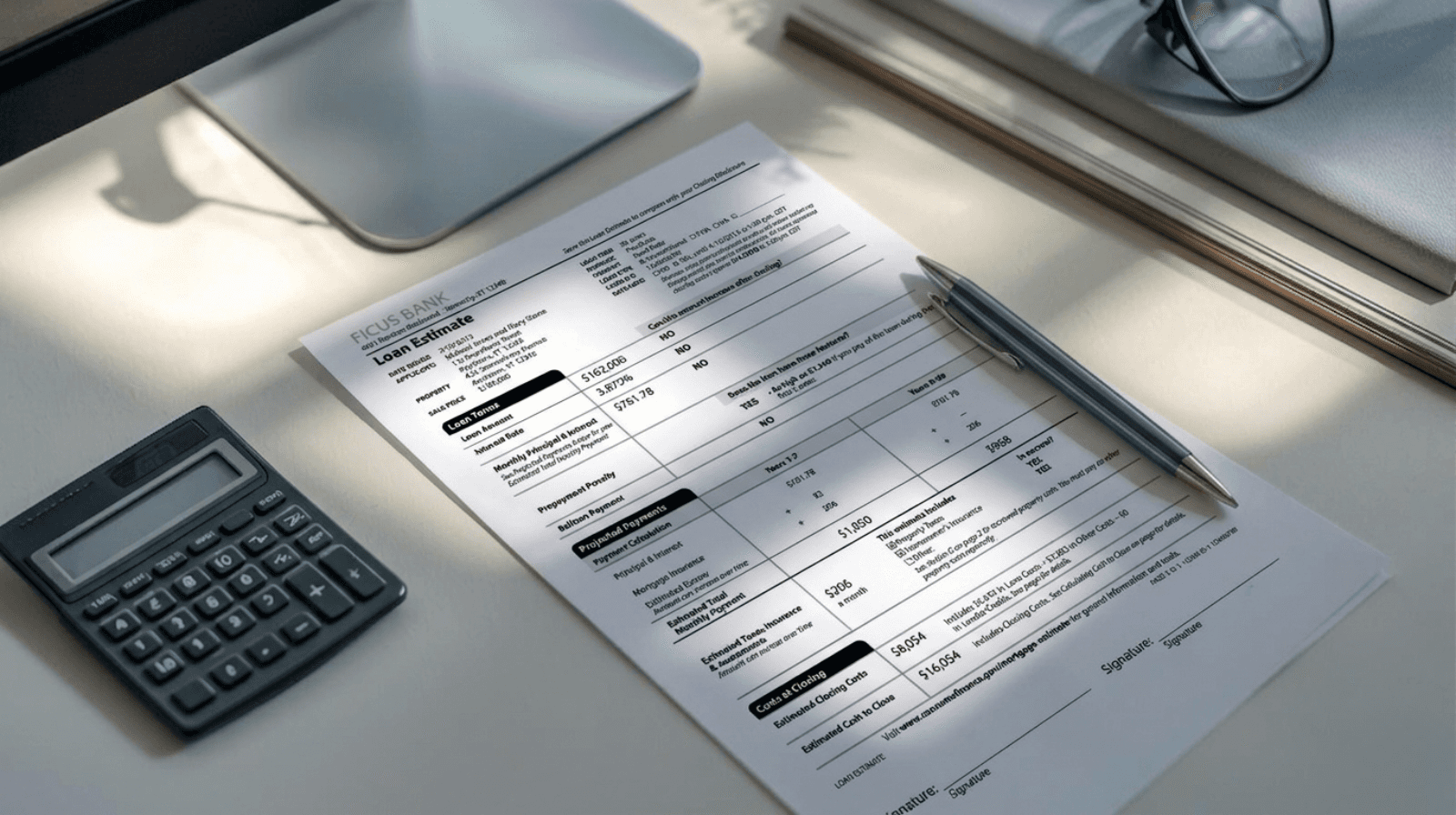
✅ Fincast strengthens your financial position: Upload your Loan Estimate and let vetted lenders compete to beat your rate — so you can save cash for any repairs or upgrades uncovered.
💡 Pro Tip: Repairs and upgrades get costly, so it’s important to save as much as possible on your mortgage.
Step 1: Scheduling and Preparation 🗓️
Once your offer is accepted, inspections typically happen within 5–10 days (your contract’s “inspection contingency” window). This may vary by contract. Your agent will help schedule a licensed home inspector, typically costing $300–$600, depending on property size and location.
Before the inspection:
Review the seller’s disclosure for known issues.
Make a list of any concerns you noticed during showings.
Plan to attend — this is your chance to see beneath the surface.
💡 Pro Tip: Bring a notepad, flashlight, and phone camera. Ask questions — inspectors love explaining their findings.
Step 2: What Inspectors Actually Check 🔍
A standard home inspection covers all major systems and structural elements.
Expect a detailed walkthrough that lasts 2–3 hours, ending with a full written report and photos.
Inspectors typically evaluate:
🏠 Structure & Foundation: Cracks, settling, drainage issues, or moisture intrusion.
💧 Plumbing: Leaks, water pressure, pipe condition, water heater age.
⚡ Electrical: Wiring, outlets, breaker panel, grounding, safety hazards.
🌡️ HVAC: Heating and cooling system function, filter condition, and lifespan.
🪟 Roof & Attic: Shingles, flashing, insulation, ventilation, and signs of leaks.
🚪 Windows & Doors: Seal integrity, alignment, and function.
🚿 Bathrooms & Kitchens: Plumbing fixtures, ventilation, and water damage.
🌳 Exterior: Siding, grading, driveways, decks, and potential pest entry points.
💡 Pro Tip: Cosmetic issues such as chipped paint or scuffed floors are normal—focus on safety and structure.
Step 3: Optional (But Smart) Specialized Inspections 🧰
Depending on the property’s age, type, and location, consider add-on inspections for deeper insight:
Radon test: Especially in basements or high-risk regions.
Sewer scope: For older homes or tree-lined lots (detects pipe blockages or breaks).
Termite or pest inspection: Common in humid climates.
Mold or air quality test: If there’s a musty odor or signs of previous water damage.
Roof or chimney inspection: For older roofs or fireplaces.
💡 Pro Tip: Ask your agent which extras are common locally — read How to Research Neighborhoods Like a Local to learn what to expect in your area.
Step 4: Reviewing the Inspection Report 📋
Within 24–48 hours (depending on the inspector), you’ll receive a detailed report with descriptions, severity levels, and photos. It can look intimidating — every home has “defects,” even new ones — but not all are deal-breakers.
Focus on:
Structural or safety concerns (foundation, electrical, plumbing leaks)
Systems at or near the end of life (HVAC, roof, water heater)
Environmental or moisture issues (mold, radon, drainage)
💡 Pro Tip: Discuss each major finding with your agent and inspector to understand cost and urgency. Minor issues shouldn’t derail a good deal.
Step 5: Using the Results Strategically 💬
Once you understand the findings, you have options:
Request repairs before closing.
Ask for a closing credit to cover future fixes.
Renegotiate the price based on major issues.
Withdraw if the home’s condition doesn’t justify the cost.
Inspections often reveal $3,000-$15,000 in unexpected costs — smart buyers plan for them before closing.
Buyers who plan ahead don’t panic — they prepare by uploading their Loan Estimate to Fincast, where vetted lenders compete to lower their rate and free up cash before closing, not after.
💡 For more strategy details, see Negotiating Repairs, Credits, and Seller Concessions Like a Pro.
Step 6: Don’t Skip Your Walkthrough 🚶♂️
Before closing, conduct a final walkthrough to confirm that all agreed-upon repairs have been completed and the property is in the expected condition.
Bring:
A copy of the inspection report
Receipts for completed repairs
Your agent to verify everything matches the agreement
If issues remain unresolved, your agent can delay closing or request escrow funds until repairs are verified.
How Fincast Helps You Prepare Financially 🚀
Home inspections protect you physically and financially — but saving on your mortgage rate protects you long-term.
With Fincast, you can use your inspection findings and overall financial readiness to your advantage:
Get pre-approved by your preferred lender
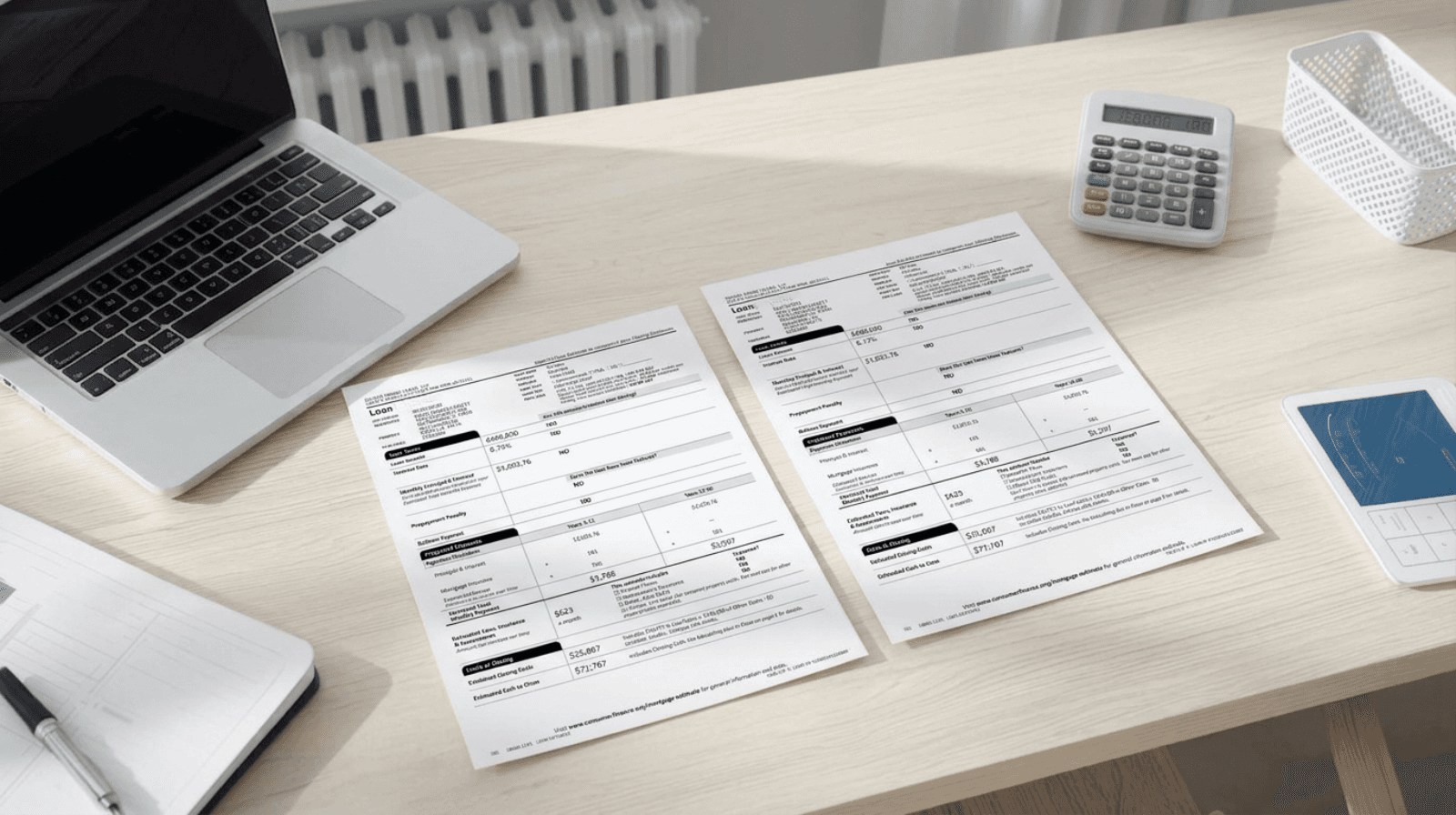
Upload your Loan Estimate to Fincast
Vetted lenders compete to beat your rate — no spam, no extra credit pulls
Choose the best offer and potentially save money on your loan
💡Pro tip: Even a slightly lower rate could free up hundreds per month — perfect for post-inspection repairs or home improvements.
Learn more: What is Fincast?
FAQs
1. Can I fail a home inspection?
No — inspections aren’t pass/fail. They reveal conditions and help you make informed decisions.
2. Should I attend the inspection?
Absolutely. Seeing issues firsthand gives you context that photos can’t.
3. Do inspectors look for code compliance?
Not specifically — they focus on safety and function, not current building codes.
4. How long is an inspection report valid?
Technically forever, but its relevance fades quickly — issues can change with weather or time.
5. Can I use inspection results to renegotiate?
Yes, especially for major findings. Your agent will guide you through submitting repair or credit requests.
Bottom Line
A home inspection isn’t about finding perfection — it’s about clarity, safety, and smart negotiation. Handled right, it empowers you to make confident choices and protect your investment.
You’re inspection-ready when:
✅ You’ve scheduled a certified inspector
✅ You plan to attend in person
✅ You understand what’s major vs. minor
✅ You’re prepared to negotiate based on findings
Action Checklist
✅ Schedule your home inspection within the contingency window
✅ Attend and take notes/photos
✅ Review the full inspection report carefully
✅ Identify top-priority issues
✅ Get repair estimates for major items
✅ Discuss strategy with your agent
✅ Negotiate repairs or credits as needed
✅ Verify completion during final walkthrough
✅ Upload your Loan Estimate to Fincast
✅ Choose the best mortgage offer and close with confidence
👉 Worried about how you’ll afford the repairs? Upload your Loan Estimate to Fincast — where vetted lenders compete to beat your current terms, so you can save for the upgrades and repairs that make your new house truly home.
Disclaimer: Nothing in this content should be considered financial advice. The examples and data shared are for general information only and may not reflect your personal situation. We do not guarantee the accuracy or completeness of the information provided. Always do your own research and speak with a qualified financial advisor before making any financial decisions.
Ready to Save On Your New Mortgage?