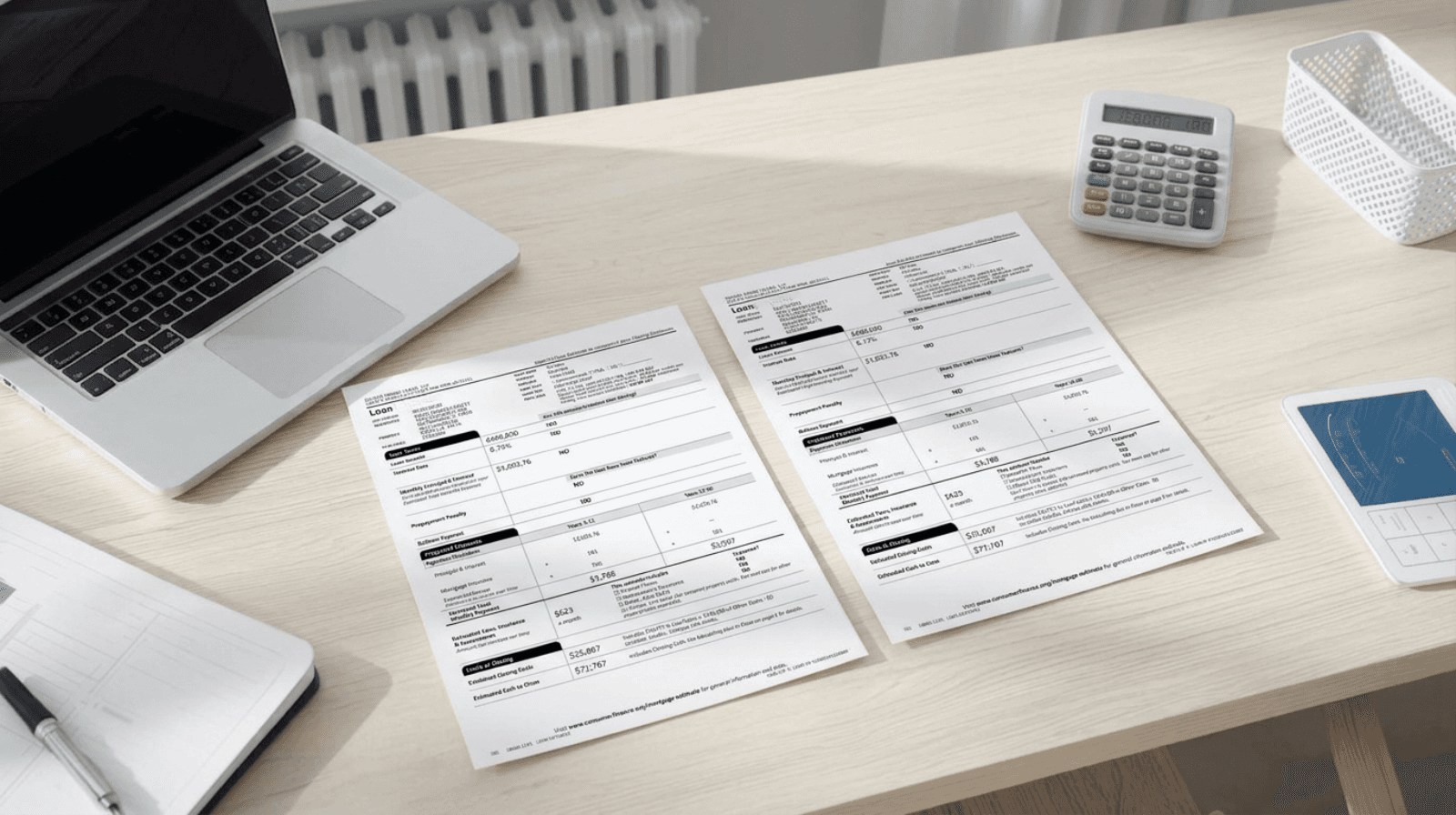

You’ve compared rates, finished underwriting, reviewed your Closing Disclosure, and survived the paperwork marathon. It’s finally the day for your refinance closing. You might wonder, what happens during closing?
How long does it take?
What do you sign?
When do you expect the savings to appear on your mortgage?
The good news: refinance closings are usually simpler and faster than purchase closings. But there are still important steps, required documents, and a few final details every homeowner should understand before signing.
This guide walks you through what to expect when closing on a refinance loan, what you’ll need to bring, how the signing works, what happens with your old mortgage, and how to avoid last-minute surprises.
Key Takeaways
Refinance closings are typically quick — usually 30–60 minutes, the exact time varies by lender and borrower
You’ll review and sign the Closing Disclosure, promissory note, mortgage/deed of trust, and a few state-specific documents.
You will need your government-issued ID, proof of insurance, and any funds due at closing.
After signing, most primary-residence refinances include a 3-day right of rescission before the new loan funds are disbursed.
Your old mortgage is automatically paid off by the new lender — you don’t need to do anything.
💡 Pro Tip: Most homeowners overpay thousands of dollars on refinances because they don’t have time to shop around. Fincast saves time and hassle by sharing your Loan Estimate anonymously, allowing vetted lenders to compete for your business.
1. Your Refinance Closing Appointment: What Really Happens
Refinance closings are often simpler than purchase closings. There’s no seller, no negotiations, and no last-minute walk-throughs — it’s just you, your notary or settlement agent, and your documents.
Where refinancing closings happen
You can usually choose from:
A title company or an attorney’s office
A mobile notary at your home
A virtual/remote online notarization (if allowed in your state)
How long does it take?
Traditional closing: 45–60 minutes
Digital or hybrid closing: 15–30 minutes
The exact time varies based on the complexity of your loan, any questions you have, and the number of documents your lender requires.
2. What Documents Will You Sign at Closing?
Every lender has different disclosures, but here are the standardized documents every loan must include:
▪️ Closing Disclosure (CD)
Federal law requires that you receive your CD at least three business days before closing.
The Closing Disclosure shows:
Final interest rate
Monthly payment
Closing costs
Lender credits
Cash due (or cash back)
Escrow setup
Review it carefully to ensure nothing has changed. Talk to your loan officer as soon as possible if you have any questions or concerns.
▪️ Promissory Note
This outlines:
Your loan amount
Rate
Payment schedule
Penalties (if any)
Loan terms
This is the legal document that confirms your promise to repay the new mortgage.
▪️ Deed of Trust or Mortgage Document
This secures your home as collateral and is recorded with the county.
▪️ Right of Rescission Notice
For primary residences only, you’ll receive notice of your 3-day rescission period — meaning:
You can cancel the refinance for any reason within three business days after signing.
This protection does not apply to:
Investment properties
Second homes
▪️ State- or lender-specific disclosures
Examples include:
Occupancy statements
Flood hazard disclosures
Name affidavits
Identity verification forms
The exact documents vary by state and lender.
💡 Pro Tip: Thousands of homeowners enter their refinance closing unsure about their decision. If you shop around and compare offers, you can close confidently, knowing you have a highly competitive deal for your situation. Fincast helps you see competing offers from other lenders using a single Loan Estimate.
3. What Do You Need to Bring to Closing?
Before attending your closing, be sure you have the following:
Government-issued ID
Driver’s license, passport, or state ID
Proof of homeowners' insurance
Your settlement agent will confirm coverage before funding
Cash needed to close (if any)
If you owe money at closing, you’ll need:
A cashier’s check
or
Wire transfer documentation
Your Closing Disclosure
You can easily compare what you’re signing to your original quote if you have your Closing Disclosure.
4. What Happens Immediately After Closing? Funding & Final Steps
If you’re refinancing your primary residence, closing day doesn’t mean your refinance is final.
Here’s what follows:
Three-Day Right of Rescission (for primary homes)
After signing, federal law requires a 3-business-day waiting period (including Saturdays, but excluding holidays) before your refinance funds are disbursed.
During this time:
Your new loan cannot fund
Your old loan remains active
You can cancel the refinance without penalty
This applies to most standard refinances on primary homes.
Loan Funding
Once the rescission period expires, your lender will:
Transfer funds to the settlement agent
Pay off your old mortgage
Record the new mortgage with the county
Disburse any cash-out funds (if applicable)
💡 Pro Tip: The payoff of your old mortgage is handled automatically, but it is a good idea to confirm that it is paid in full and that the lien is released (check with your county to determine how long it takes for a lien release to be recorded).
Your First New Mortgage Payment
Your first payment date is typically:
30–60 days after funding
You’ll receive a welcome packet with payment instructions, your first payment date, and, if applicable, online account setup instructions. Your closing package may also include temporary payment coupons in the event that you don’t receive your payment instructions in the mail (or online) in time.
5. Cash-Out Refinance: What to Expect at Closing
If you’re doing a cash-out refinance, closing day is nearly identical, except:
Your payout is released after funding, not at signing
Lenders may require additional signatures
Your cash-out proceeds may arrive by cashier’s check or wire transfer after the three-day right of rescission
💡 Pro Tip: Lenders often price cash-out refinances at a premium due to the larger loan amount. Make sure you have the most attractive deal for your situation before committing to a loan.
6. Avoiding Last-Minute Surprises on Closing Day
Closings can be stressful. Here are common issues that can cause delays or unpleasant surprises:
1. Unexpected fees or incorrect numbers
Always compare the Closing Disclosure with your Loan Estimate.
If something changed and you didn’t approve it, ask why.
2. Wire fraud risks
If wiring money to close, call the title company to verify instructions; don’t just accept instructions sent via email.
3. Last-minute credit pulls
Your lender may recheck your credit before funding. Avoid:
Opening new accounts
Running up credit cards
Taking on car loans
Missing or late payments
4. Homeowners insurance lapses
Make sure your policy is active and paid and have a paid receipt to prove it.
7. When You Should Benchmark Your Offer (Before Closing)
The biggest mistake homeowners make is assuming the lender they’re closing with gave them the best deal. But lenders price loans differently, hide fees in different places, and negotiate more than you think.
That’s why the best time to compare your refinance is right after you receive your Loan Estimate — before closing day.
Using Fincast during this window should not delay your loan if you receive competing offers shortly after receiving an offer from your first lender.
How Fincast Helps You Save Before Closing
Shopping around for a mortgage can be stressful. Multiple applications and numerous phone calls can be draining, but Fincast eliminates that. Here’s how:
1. Upload your Loan Estimate
No new credit pull
No new paperwork
2. Fincast analyzes your offer
The platform breaks down:
Lender fees
Escrow charges
Points
Credits
Rate-cost tradeoffs
3. Vetted lenders quietly compete to beat your deal
They don’t see your identity — so no spam or sales calls.
4. You choose the best offer
If your lender gave you a solid offer, you’ll know. But if someone else beats it, you can contact them and save.
FAQs: Refinancing Closing Day
1. How long does the refinancing closing take?
Most closings take 30–60 minutes, but the exact time depends on your circumstances and the amount of paperwork your lender requires.
2. Do I need to bring money to the refinance closing?
It depends on your loan structure. Many borrowers roll closing costs into the loan. If funds are due, you’ll either bring a cashier’s check or send a wire transfer.
3. When will my refinance be official?
After the 3-day rescission period (for primary residences). After that, the loan funds.
4. When do I get my cash-out funds?
Typically, 1–3 days after funding, depending on your settlement company and how long your bank takes to settle the transaction.
5. Should I compare lenders before closing?
Yes — this is when you can uncover hidden fees and negotiate.
Bottom Line
Refinancing closing day is straightforward: you review your final numbers, sign your documents, and enter a short waiting period before your new loan funds are disbursed. The key is knowing what to expect and ensuring the deal you’re closing on is truly competitive.
The smartest move you can make before signing?
Benchmark your refinance offer.
Action Checklist
☑️ Review your Closing Disclosure
☑️ Bring your ID and insurance documents
☑️ Confirm wiring instructions carefully
☑️ Avoid new credit activity before closing
☑️ Upload your Loan Estimate to Fincast
☑️ Compare competing lender offers anonymously
☑️ Close with confidence
👉 Ready to make sure you’re not overpaying on your refinance before closing day?
Upload a single Loan Estimate to Fincast and compare it anonymously — no extra credit pulls, no spam — to receive competing offers from other lenders before signing.
Disclaimer: Nothing in this content should be considered financial advice. The examples and data shared are for general information only and may not reflect your personal situation. We do not guarantee the accuracy or completeness of the information provided. Always do your own research and speak with a qualified financial advisor before making any financial decisions.
Ready to Save On Your New Mortgage?