
You’ve found the perfect home, completed inspections, and are ready to close.
Then your closing agent mentions something called “title insurance” — and it shows up as one of the larger fees on your closing statement.
It’s easy to wonder: Do I really need this?
The short answer: Yes.
Title insurance protects your ownership rights — and skipping it could cost you far more down the road.
Here’s everything you need to know about what title insurance does, why it matters, and how to make sure you’re covered without overpaying.
Key Takeaways
✅ Title Insurance Protects Ownership: It shields you from past legal claims, liens, or ownership disputes.
✅ Two Policies Exist: A lender’s policy (required) and an owner’s policy (optional — but essential).
✅ One-Time Cost: You pay a single premium at closing that covers you for as long as you own the home for an owner’s policy.
✅ Peace of Mind for the Future: It prevents costly legal battles over ownership or unpaid debts.
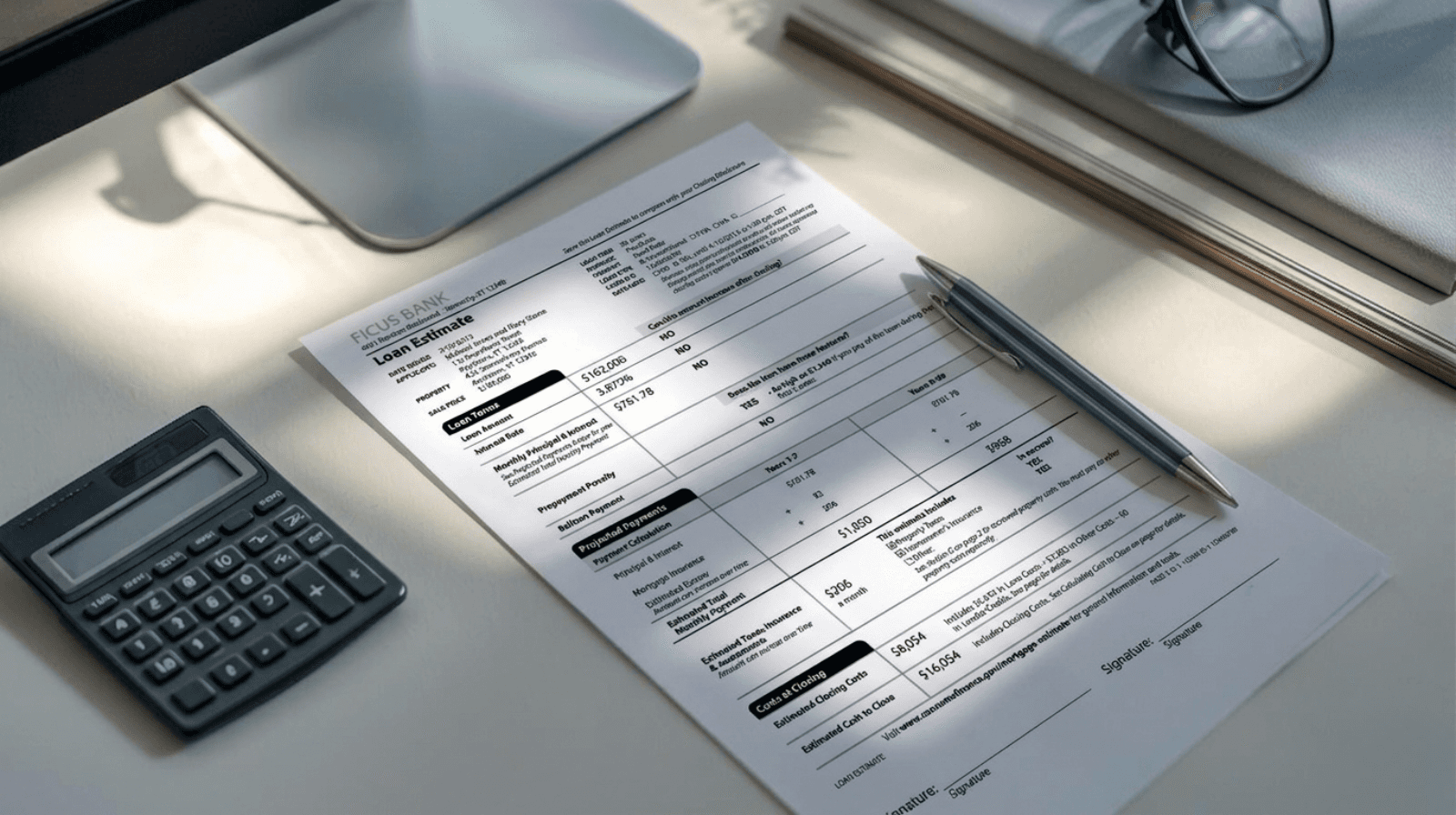
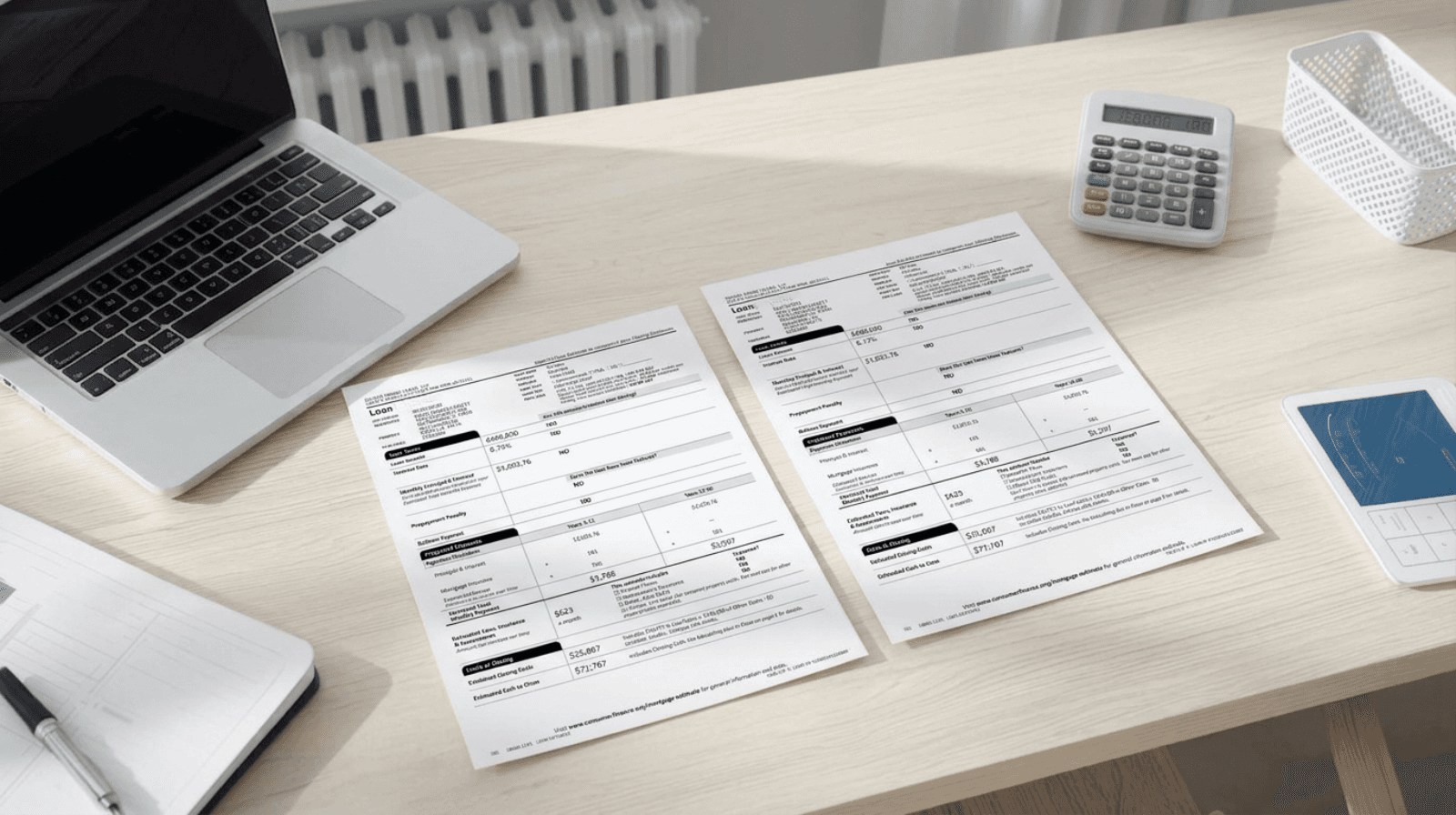
💡 Pro Tip: Closing costs add up quickly — once you’re under contract, your options to reduce them narrow fast. Fincast helps you offset costs. Upload your Loan Estimate and let vetted lenders compete to beat your rate — potentially saving you money to cover your closing and title fees.
Understanding What Title Insurance Is 🧾
Before a home can officially become yours, the title — the legal record of ownership — must be clear.
That’s where title insurance comes in.
It protects you and your lender from past issues that could affect your right to own the property, including:
Unpaid property taxes or liens
Undisclosed heirs claiming ownership
Recording errors or fraud
Forged signatures on previous deeds
Boundary or easement disputes
💡 Pro Tip: Title insurance doesn’t protect against future problems (like new liens). It protects you from past issues that existed before you bought the property.
The Two Types of Title Insurance ⚖️
There are two types of title insurance, and each plays a different role.
1. Lender’s Policy (Required)
Protects the lender’s financial interest in the property.
Required by nearly all mortgage companies.
Lasts until the loan is paid off or refinanced.
2. Owner’s Policy (Optional but Vital)
Protects you, the homeowner.
Covers your equity and legal defense costs if ownership is challenged.
Lasts as long as you or your heirs own the property.
💡 Pro Tip: If you’re buying with cash, you’re not required to purchase title insurance — but you should consider it. It’s your only defense against future ownership disputes.
How Title Insurance Works 🔍
Before closing, the title company conducts a title search — a detailed review of public records to verify ownership history and identify potential issues.
If everything checks out, the company issues a title commitment outlining the conditions for final coverage. Once you close, the policy activates.
If a hidden issue surfaces later — for example, a contractor’s lien that wasn’t recorded properly — your title insurer steps in to cover legal defense and potential loss.
💡 Pro Tip: Read your preliminary title report carefully before closing. Ask your agent or escrow officer to explain any exceptions or “clouds” on the title. For a full overview of this process, see Understanding the Escrow Process — Step by Step.
What Title Insurance Actually Covers (and What It Doesn’t) 🧩
Title Insurance Covers:
Errors in public records
Forged deeds or releases
Undisclosed or missing heirs
Liens, unpaid taxes, or judgments
Incorrect legal descriptions
Fraud or forgery in prior ownership
Title Insurance Doesn’t Cover:
Issues created after closing (like new liens or unpaid HOA dues)
Boundary disputes are not recorded in public records
Environmental hazards
Property condition issues (that’s what inspections are for — see What Happens During a Home Inspection (and What to Look For
💡 Pro Tip: If your property sits on older land or has a complex ownership history (such as an inherited estate), owner’s title insurance is especially critical.
How Much Title Insurance Costs 💵
Title insurance is a one-time premium paid at closing — not a recurring fee. Costs vary by state and property price, but typically range between 0.5%–1% of the purchase price.
Example:
For a $400,000 home, you might pay $2,000–$4,000 for both lender and owner policies combined.
💡 Pro Tip: Many title companies offer a “simultaneous issue rate,” discounting the owner’s policy when purchased with the lender’s policy — ask for this to save money.
Can You Choose Your Title Company? 🏢
In most cases, yes, but it varies by lender, so always ask. Generally, you’re not required to use the seller’s or lender’s preferred title company — you can shop around.
Compare quotes, read reviews, and check ratings with the American Land Title Association (ALTA) or Better Business Bureau (BBB). Your real estate agent can also recommend trusted local companies.
💡 Pro Tip: Choosing your own title company may save you hundreds — and every dollar counts. Use those savings (plus Fincast rate savings) to cover moving costs or escrow fees.
What Happens If You Don’t Have Title Insurance🚫
Skipping the owner’s title insurance can expose you to serious financial risk.
Imagine buying a home only to discover:
A previous owner’s unpaid property taxes
A forged deed
An undisclosed heir claiming part ownership
Without title insurance, you could be responsible for legal fees or even lose your home. It’s rare — but when it happens, it’s catastrophic.
💡 Pro Tip: Even if your lender doesn’t require it (like in cash deals), consider purchasing an owner’s policy. The cost is minor compared to the protection it provides.
How Fincast Helps You Save on Closing Costs 🚀
Title insurance is one of many fees that appear at closing — but the one area you can directly control is your mortgage rate.
That’s where Fincast helps.
Get pre-approved and receive your Loan Estimate
Upload it securely to Fincast
Vetted lenders compete to beat your rate — no spam, no extra credit pulls
Choose the best offer and save thousands
💡 Even a 0.25% rate reduction could offset the cost of your title insurance premium.
Learn more: What is Fincast?
FAQs
1. Is title insurance required for all home purchases?
Only the lender’s title insurance is required when financing. Owner’s title insurance is optional but highly recommended.
2. How long does title insurance last?
For as long as you or your heirs own the property.
3. What happens if I refinance later?
You’ll need a new lender’s policy for the new loan, but your owner’s policy continues to protect you.
4. Can I shop for cheaper title insurance?
Yes — prices vary. Always compare quotes from multiple title companies before closing.
5. Does title insurance cover boundary disputes?
Only if recorded in public documents. Always check your policy exceptions section carefully.
Bottom Line
Title insurance is one of the few protections that lasts long after closing. It safeguards your most valuable asset — your home — from hidden ownership risks that could appear years later.
You’re title-ready when:
✅ You understand the difference between lender and owner policies
✅ You’ve reviewed your title report carefully
✅ You’ve compared title company quotes
✅ You’ve uploaded your Loan Estimate to Fincast to offset your closing costs
Action Checklist
✅ Review title search and preliminary report
✅ Purchase both the lender’s and the owner’s title insurance
✅ Ask for discounts and shop for rates
✅ Verify title company credentials and reviews
✅ Clarify any exceptions in your policy
✅ Upload your Loan Estimate to Fincast
✅ Compare lenders and lock in your best rate
✅ Close with peace of mind knowing your ownership is protected
👉 Ready to protect your new home — and your budget? Upload your Loan Estimate to Fincast today, and let vetted lenders compete to give you the best rate. The money you save could offset your title insurance policy costs — and help secure your homeownership with confidence.
Disclaimer: Nothing in this content should be considered financial advice. The examples and data shared are for general information only and may not reflect your personal situation. We do not guarantee the accuracy or completeness of the information provided. Always do your own research and speak with a qualified financial advisor before making any financial decisions.
Ready to Save On Your New Mortgage?