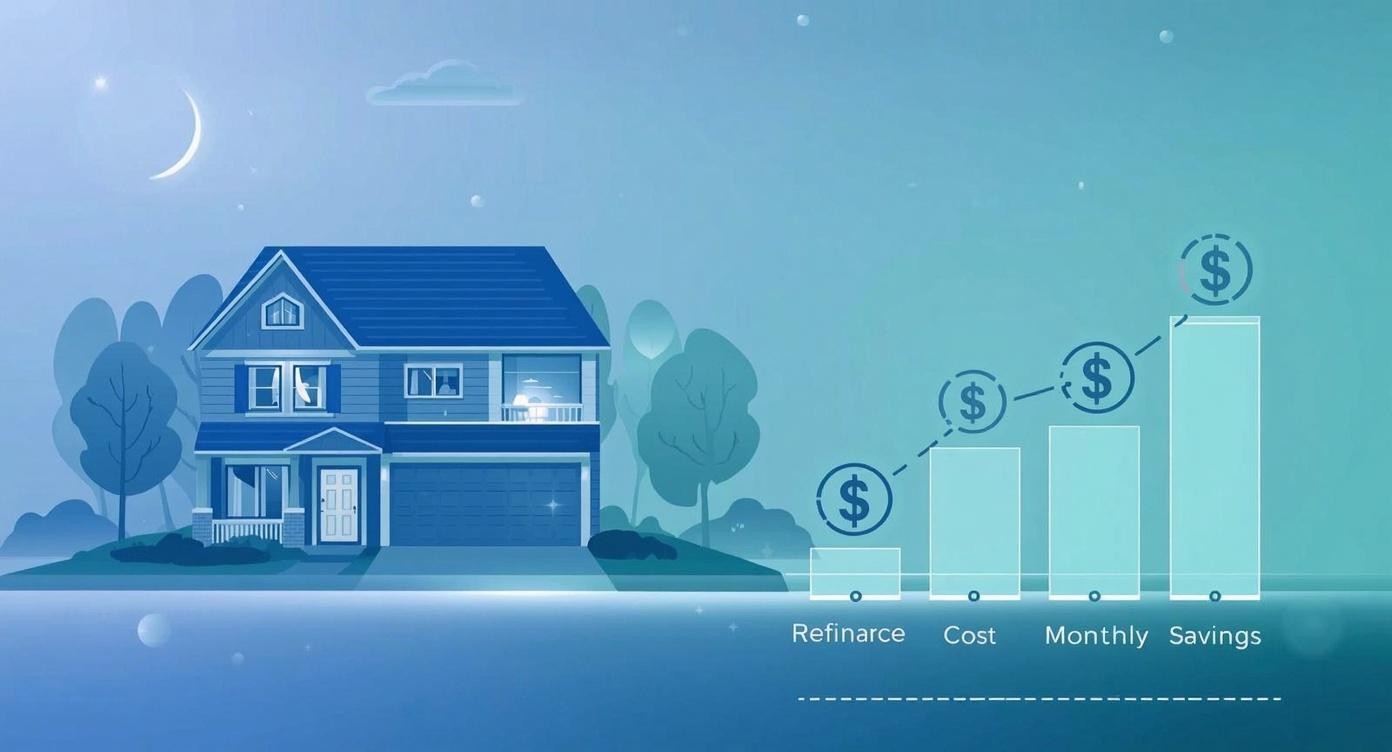
Refinancing can lower your interest rate, reduce your monthly payment, or help you remove PMI — but none of it matters unless the savings outweigh the cost. That’s where your refinancing break-even point comes in.
Your break-even point tells you the exact month when your new refinance becomes profitable. Before that month, you’re simply recovering closing costs. After that month, you start putting money back in your pocket.
This guide gives you a clear break-even formula, a simple calculator, real examples, and a step-by-step test so you can confidently decide whether refinancing is worth it in 2026.
Key Takeaways
✅ The refinance break-even point = Closing Costs ÷ Monthly Savings
✅ Many homeowners break even in 18–36 months, depending on loan size and fees
✅ A refinance only “profits” once your savings exceed your refinancing costs
✅ Removing PMI can significantly speed up break-even
What Is the Refinance Break-Even Point?
Your break-even point tells you how long it will take for your refinance savings to exceed the upfront closing costs.
Break-Even Formula:
Break-Even (Months) = Total Refinance Costs ÷ Monthly Payment Savings
Example:
Closing costs: $6,000
Monthly savings: $200
Break-even = 6,000 ÷ 200 = 30 months
After that point, the refinance begins generating net savings.
Refinance Break-Even Calculator (Quick Table)
Here’s how break-even works at different savings levels:
Monthly Savings | $4,000 Costs | $6,000 Costs | $8,000 Costs |
$150/mo | 27 months | 40 months | 53 months |
$200/mo | 20 months | 30 months | 40 months |
$300/mo | 13 months | 20 months | 27 months |
$400/mo | 10 months | 15 months | 20 months |
Use this table as a quick reference before running your own numbers.
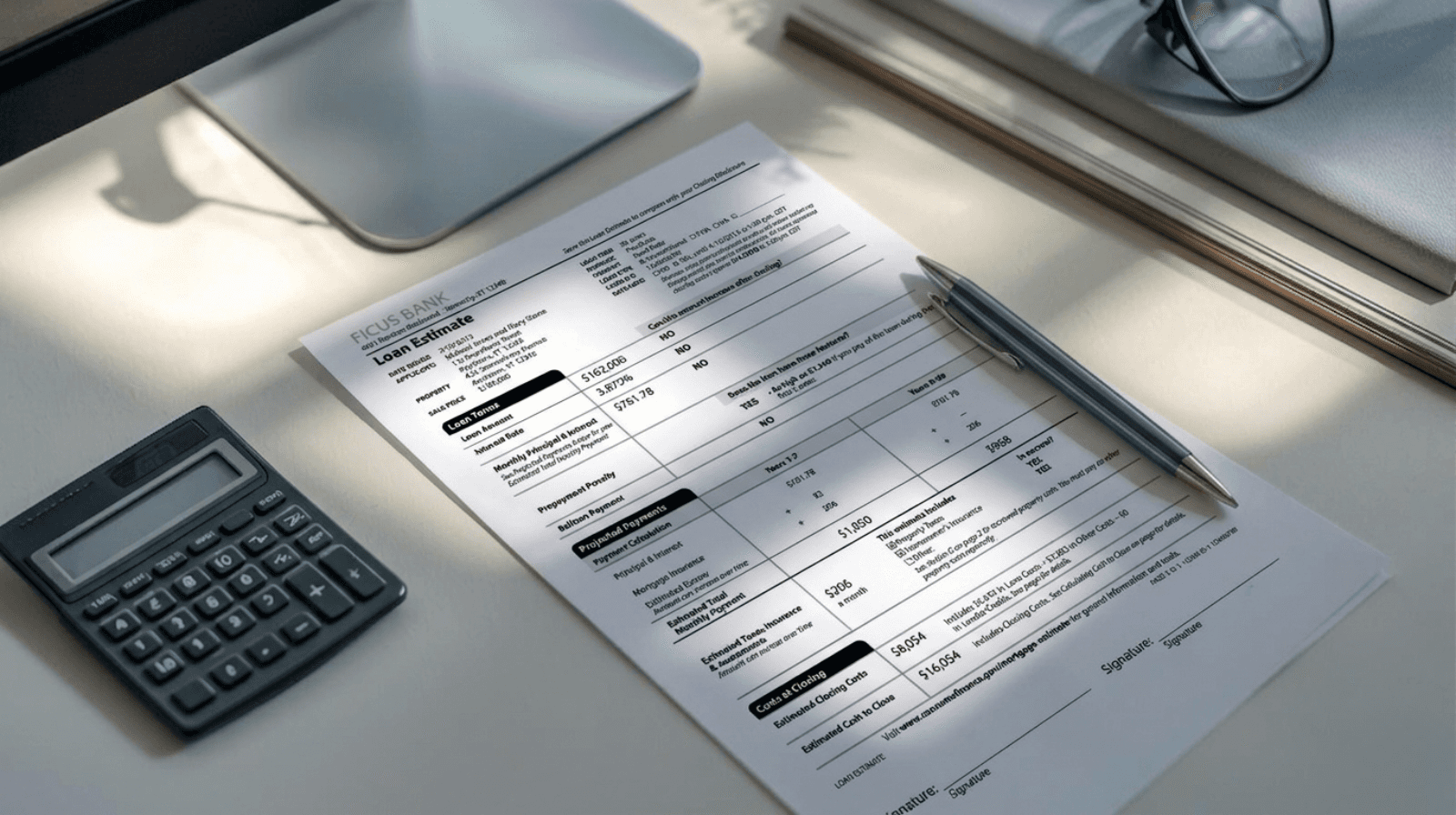
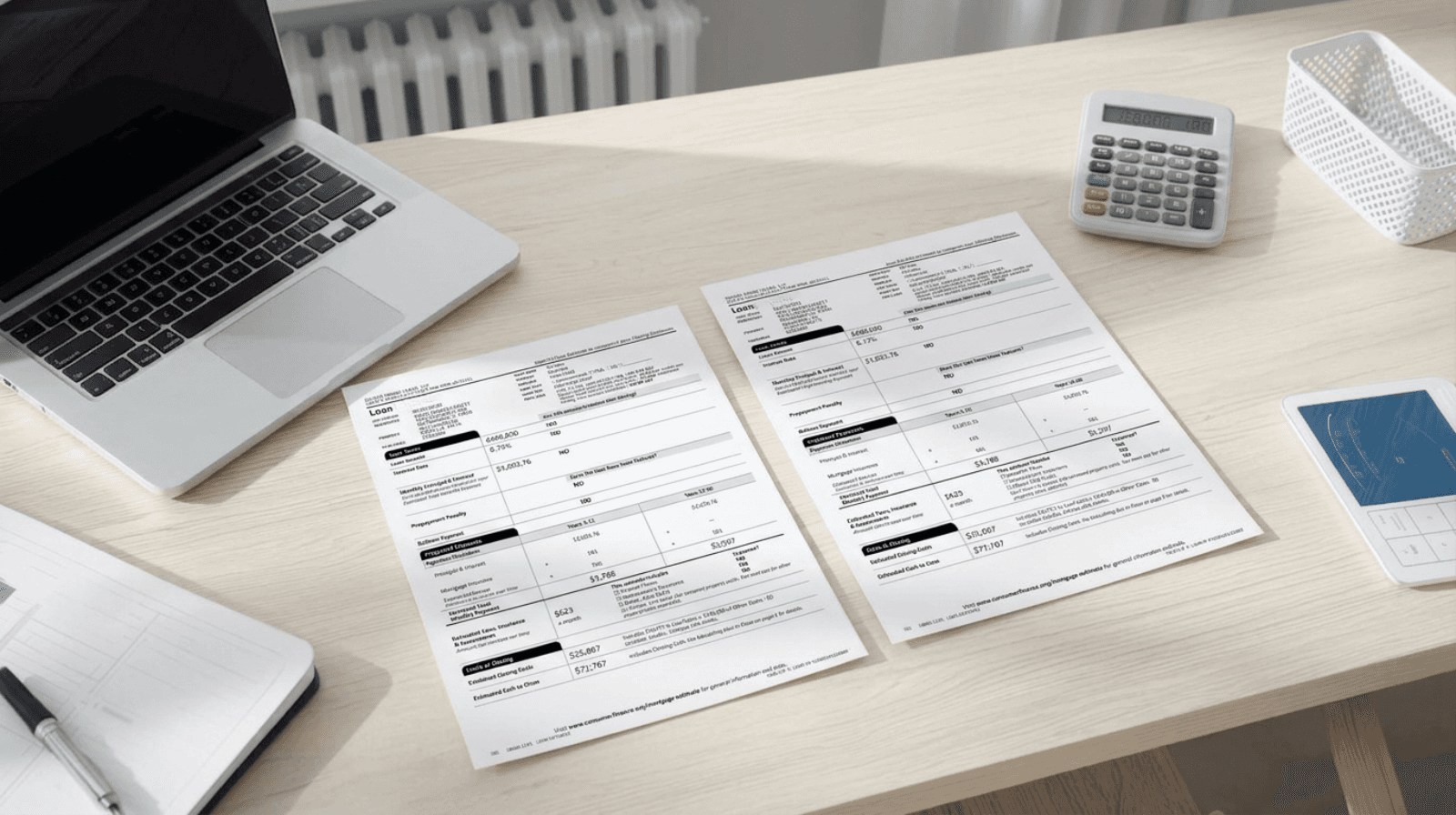
💡 Pro Tip: Break-even improves significantly when your lender offers credits or reduced fees — always compare at least two Loan Estimates so you get the deal that makes the most financial sense.
How to Calculate Your Personal Break-Even Point (Step-by-Step)
You only need three numbers.
Step 1: Find your current monthly principal & interest payment
You can usually find this on your monthly mortgage statement.
Step 2: Calculate your new payment with the refinance rate
Use:
Loan balance
New rate
New loan term
Calculate the difference.
Step 3: Determine your refinance closing costs
Lenders typically charge 2–5% of your loan balance.
Step 4: Apply the break-even formula
Break-Even = Closing Costs ÷ Monthly Savings
This tells you the exact month your refinance becomes profitable.
Real Example: $400,000 Refinance
Current rate: 6.75%
New rate: 6.00%
Monthly savings: $191
Closing costs: $7,200
Break-Even:
7,200 ÷ 191 = 37.7 months (~3.1 years)
Result:
Worth refinancing if you’ll stay 4+ years.
Not ideal if you plan to move soon.
💡 Pro Tip: You can shorten your break-even instantly by:
Negotiating fees
Getting lender credits
Not restarting to a full 30-year term
Removing PMI
How PMI Removal Affects Your Break-Even
If your refinance eliminates PMI, your “savings” should include your PMI reduction.
Example:
Monthly rate savings = $160
PMI savings = $220
Total monthly savings = $380
Closing costs: $7,000
Break-even = 7,000 ÷ 380 = 18.4 months
Removing PMI is one of the strongest break-even accelerators available.
💡 Pro Tip: If your home value has increased, refinancing may remove PMI and lower your rate — a double win.
When Your Break-Even Doesn’t Tell the Full Story
Your break-even is not the only factor to consider.
1. Are you restarting a 30-year term?
You might lower your payment, but pay more long-term interest unless you prepay.
2. Are rates trending down?
You might refinance again; calculate only a “short-term break-even.”
3. Are you in the early stages of your mortgage?
You benefit more because most of your payment is interest-heavy.
4. Are you planning to move soon?
If break-even is later than your timeline, refinancing may not make sense.
5. Are closing costs unusually high?
High fees can erase the value of a decent rate drop.
Who Should Refinance Based on Break-Even?
You’ll likely benefit if:
✔️ Your break-even is under 36 months
Many homeowners consider break-even timelines of roughly 30–36 months to be favorable, especially if they expect to stay in the home longer than that.
✔️ You plan to stay in the home at least 3–5 years
Savings compound over time.
✔️ Your loan balance is mid-to-large
Bigger loan = bigger savings.
✔️ You can remove PMI
This often cuts your break-even point in half.
✔️ You find a lender with lower fees
Fee differences between lenders can shift break-even by 6–18 months.
How to Improve Your Break-Even (5 Fast Ways)
1. Get lender credits
Credits reduce upfront costs but slightly increase your rate.
2. Avoid restarting at 30 years
Choose a shorter term or continue paying your old payment.
3. Shop multiple lenders
Some pad fees with “admin,” “processing,” or “rate lock” charges.
4. Look for appraisal waivers
These can save $500–$800 instantly.
5. Remove PMI
One of the fastest break-even accelerators.
How Fincast Helps You Find Your Break-Even — and Improve It
Most homeowners miscalculate break-even because:
Fees vary widely
Lenders structure offers differently
APR vs. rate confusion
PMI rules change by lender
Fincast simplifies the entire process.
Here’s how:
1️⃣ Upload your Loan Estimate securely
2️⃣ Vetted lenders review the deal
3️⃣ Some may present alternative offers
4️⃣ You compare your options — no extra credit pulls, no spam calls
Even a small change in rates or fees can significantly reduce your break-even point and boost long-term savings.
FAQs: Refinance Break-Even Point
1. What is a good break-even timeline?
Typically, a break-even point of 30–36 months indicates a strong refinance.
2. Should I refinance if my break-even is 4 years?
Only if you expect to stay 5+ years or can remove PMI.
3. Do lender credits help or hurt break-even?
Credits improve break-even by lowering upfront costs.
4. Can refinancing increase my break-even?
Yes — especially if you restart to a full 30-year term or pay high fees.
5. Do I count tax and insurance savings?
No — only principal & interest savings and PMI changes apply.
6. Does a no-cost refinance mean no break-even?
No-cost refinances have a break-even point, too — the cost is baked into a higher rate.
The Bottom Line: Your Break-Even Point Determines Whether Refinancing Is Worth It
Refinancing isn’t just about getting a lower interest rate — it’s about whether the long-term savings outweigh the upfront costs.
Your break-even point shows the exact moment your refinance starts generating real financial benefit. Before that point, you’re simply recovering the closing costs you paid to refinance.
For many homeowners, break-even occurs between 18 and 36 months, depending on loan size, interest rate reduction, and total refinancing fees. But the right timeline ultimately depends on your personal plans — especially how long you expect to stay in the home.
The most important step is making sure the refinance offer itself is competitive. Even small differences in lender fees or pricing can shift your break-even point by months or even years.
Understanding the numbers before you commit can help ensure your refinance actually improves your financial position.
👉See how your refinance offer affects your break-even point. Your break-even point depends heavily on the details inside your Loan Estimate — especially lender fees, pricing adjustments, and rate structure. Two lenders offering the same interest rate can still differ by thousands of dollars in total costs, which can significantly change how quickly your refinance pays off. Upload your Loan Estimate to Fincast to see how your refinance offer compares.
Disclaimer: Nothing in this content should be considered financial advice. The examples and data shared are for general information only and may not reflect your personal situation. We do not guarantee the accuracy or completeness of the information provided. Always do your own research and speak with a qualified financial advisor before making any financial decisions.
Ready to Save On Your New Mortgage?