
Can a refinance actually be free? A no-closing-cost refinance seems to fit the bill, but it’s not truly “free.” The costs are simply shifted: either rolled into the loan principal or exchanged for a higher interest rate.
Short answer:
A no-closing-cost refinance allows you to avoid paying upfront closing costs by either accepting a higher rate or increasing your loan balance. It may be a good option in the short term, but you’ll usually pay more over time.
This guide explains how it works, when it makes sense, what the trade-offs are, and how to evaluate whether it’s the right move for you.
Key Takeaways
No-closing-cost doesn’t mean no cost — you’re still paying, just over time
You can either roll closing costs into the loan (higher loan amount) or accept a higher interest rate in exchange for lender credits covering the closing costs
No-closing-cost refinances work best if you have limited cash available for closing, or plan to move or refinance again soon
If you plan to stay in your home long-term and want to minimize total interest cost, it may not work in your benefit
💡 Pro Tip: The biggest risk isn’t paying closing costs — it’s choosing the wrong trade-off. A slightly higher rate today can erase years of savings if you stay in your home longer than expected. Use Fincast to compare no-closing-cost offers across lenders.
How a No-Closing-Cost Refinance Works
Option 1: Rolling the Costs into Your Loan
You take your current balance, add the closing costs, and refinance. As your loan amount increases, your monthly payment may rise (or remain the same if the rate drops), but you pay no cash at closing.
Example: If you owe $300,000 and closing costs are $6,000, you refinance for $306,000.
Option 2: Accepting a Higher Interest Rate
Instead of paying the closing costs upfront, the lender gives you a credit that covers those fees — but you accept a slightly higher rate to offset the cost.
Example: You go from 6.00% to 6.25%, so the lender earns enough to cover your closing costs.
What stays the same / changes
You will still get a new mortgage (the rate/term may change)
You don’t hand over thousands of dollars at closing
Your long-term cost may be higher due to either a higher loan amount or interest rate
💡 Pro Tip: Lender credits aren’t standardized. One lender might offer a 0.25% higher rate for the same credit that another lender covers with 0.125%. That difference compounds every month, and most borrowers never see the comparison.
When a No-Closing-Cost Refinance May Make Sense
You might choose this if:
You don’t have cash available to pay closing costs today.
You plan to move or refinance again within a few years because you won’t stay long enough to cover the higher costs over the long term.
You’re more focused on cash flow and liquidity now than on minimizing total interest.
Your current loan is at a high rate, and you can refinance at a lower rate.
You want a lower monthly payment without incurring out-of-pocket costs.
When It’s Probably Not the Right Move
Avoid this if:
You plan to stay in the home for 10+ years or “forever,” paying a higher rate or more principal will cost you more in the long run.
You could afford the closing costs upfront — paying them may lead to lower lifetime costs.
You are trying to reduce total interest paid and achieve the lowest rate possible.
Adding closing costs to your balance would push your Loan-to-Value (LTV) too high (triggering PMI or other costs).
Example Scenarios
Rolling costs into the loan: You refinance at the same rate, but owe $4,000 more because closing costs were added — the monthly payment is slightly higher, and the interest paid over the life is higher.
Higher rate option: You refinance, pay $0 at closing, but your rate goes from 6.00% → 6.25%. Monthly payments may still decrease if the term is extended or the rate changes enough, but total interest over 30 years is higher.
To help you decide, ask yourself:
How long will you stay in the home
What is your monthly payment difference?
What is the total cost difference?
How to Decide: Break-Even and Comparison
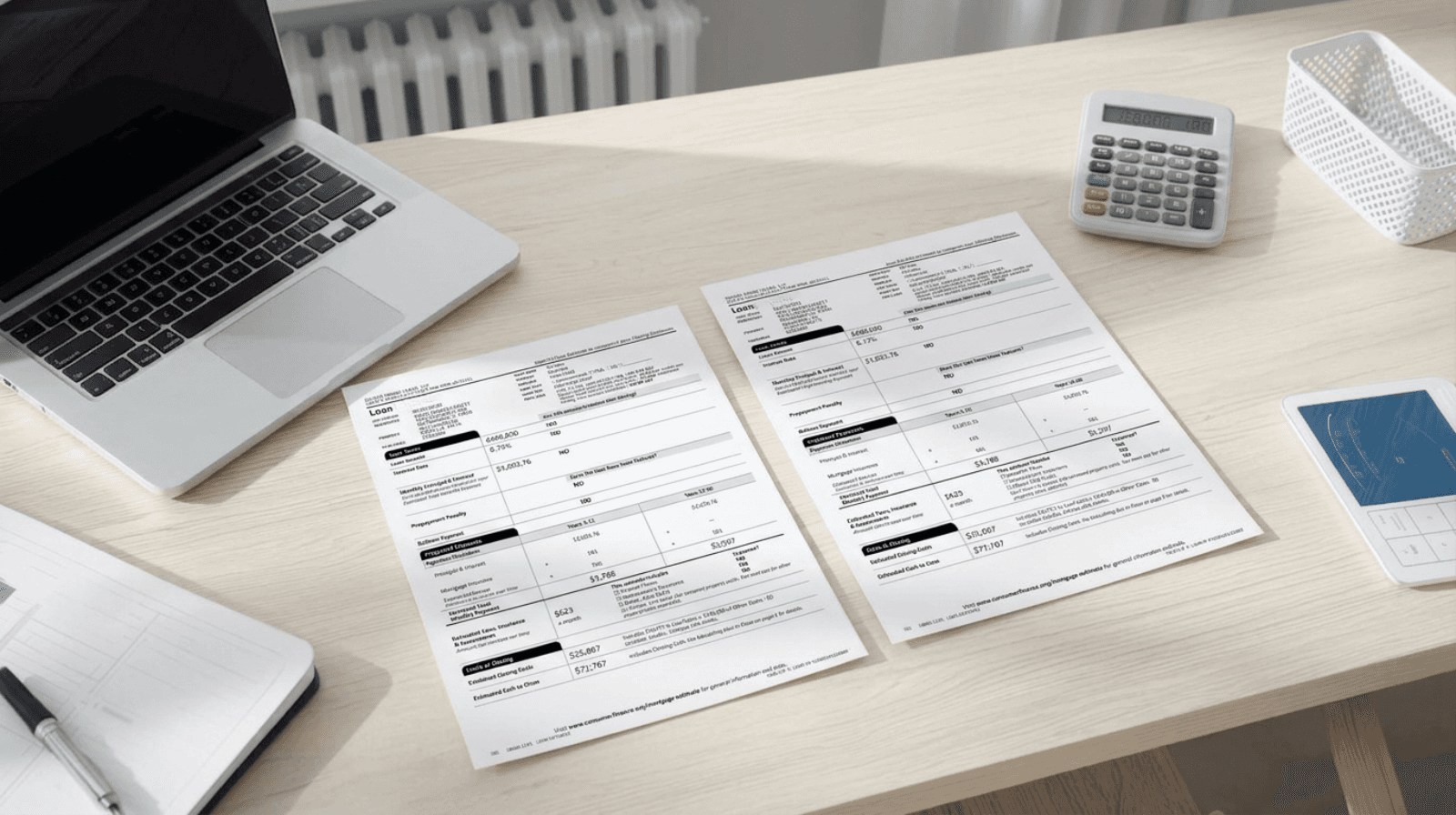
When choosing between a traditional and a no-closing-cost refinance, calculate the break-even point for the no-closing-cost option.
To do this, you must know the payment difference between the traditional refinance (paying closing costs) and the no-closing-cost loan.
For example, closing costs are $5,000, and the loan with no closing costs has a payment that’s $35 higher each month; it would take
$5,000/$35 = 142 months to break even.
That means if you were to move or refinance in fewer than 11 years, a no-closing-cost refinance may not make sense.
💡Pro tip: Most borrowers never realize the higher interest rate will cost them thousands until it’s too late. Fincast can help you realize the difference and make transparent and confident choices. All you need is a single Loan Estimate to upload.
Important Considerations
Even with “no” closing costs, you may still pay recurring costs (taxes, insurance, escrows, prepaid interest, etc.). “No-closing-cost” typically refers to non-recurring closing costs
Lenders sometimes advertise “no closing cost” but embed costs elsewhere (higher rate/loan amount) — always read the disclosures.
Your home equity matters: If you roll costs into the loan, you increase your LTV, which may increase risk/PMI/eligibility issues.
If you exit the loan early (sell/refinance quickly), the higher interest costs or larger balance may outweigh the upfront savings.
No two lenders will offer the same credits or the same value for that credit. Some use points and others use flat fees.
How to Compare Your Options
Because no-closing-cost refinances involve subtle trade-offs (higher rate vs. higher balance vs. upfront cost), comparing offers and evaluating your horizon are critical.
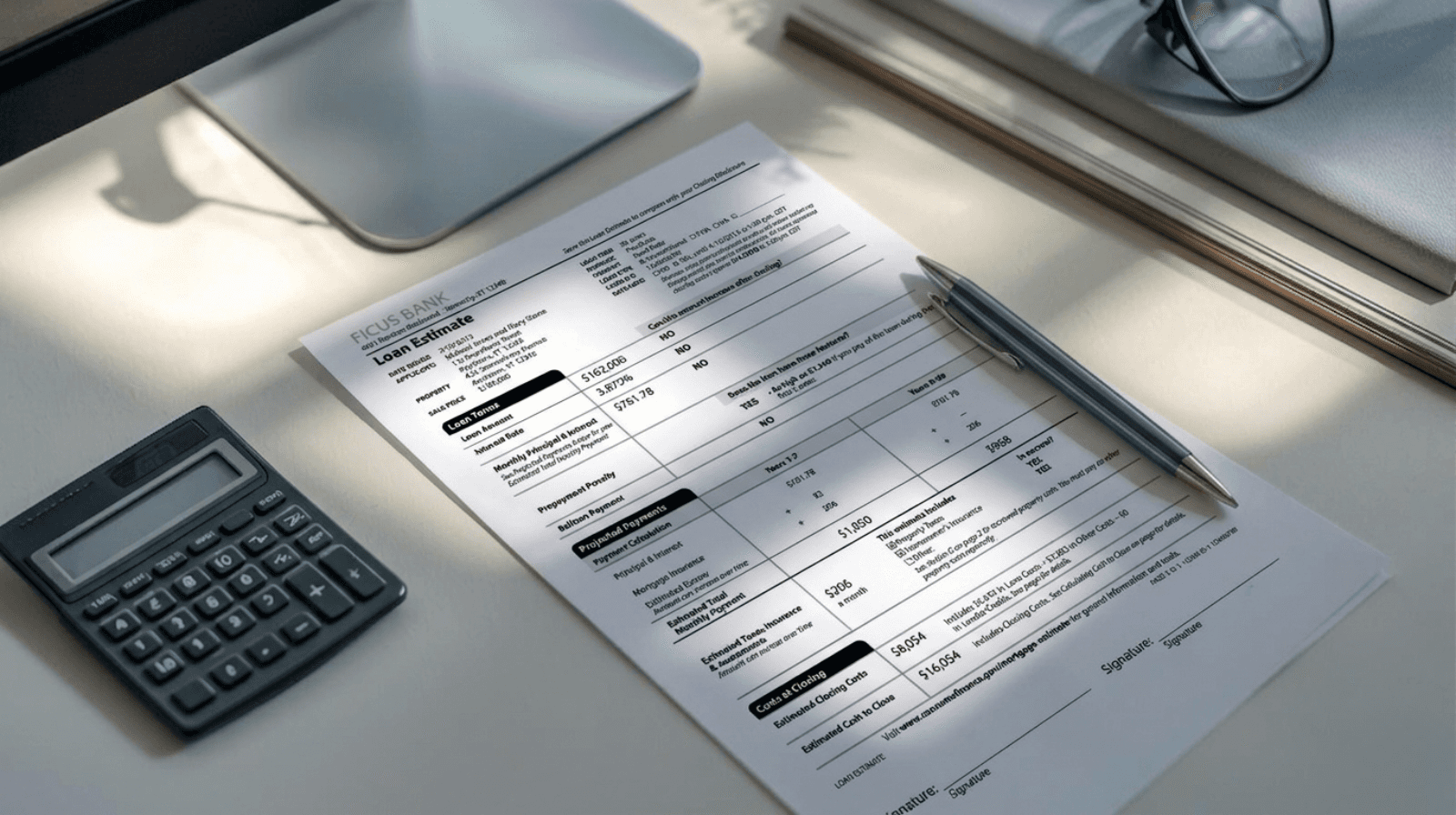
You can receive multiple Loan Estimates from different lenders by applying with each and comparing the Loan Estimates they provide or you can upload a single Loan Estimate to Fincast for faster and more accurate results.
How Fincast helps you:
Upload your Loan Estimate
Fincast analyzes your offer
Vetted lenders compete
You pick the best deal
Using Fincast ensures you understand what “no closing cost” really means for you without the hassle of extra applications, credit pulls, and annoying sales calls.
FAQs: No-Closing-Cost Refinance
Q1. Does “no-closing-cost” mean I pay nothing?
No. It means you’re not paying cash at closing, but the costs are recovered through a higher interest rate or a larger loan balance.
Q2. Are all refinance types eligible?
Many loan programs are available, but terms differ. Availability varies by lender.
Q3. Will my monthly payment always go down?
Not necessarily. If your balance increases or the rate rises, the monthly payment may not decrease as much as expected.
Q4. Should I do this if I plan to sell soon?
It may work if you’ll sell/refinance again before the higher long-term cost kicks in; but it depends on many variables in your personal situation.
Q5. What happens to equity if I roll costs into the loan?
You will owe more, so your equity is slightly reduced. This may affect your LTV and the amount of PMI you pay.
Bottom Line
A no-closing-cost refinance can be a smart move if your priority is minimizing cash out-of-pocket, and you’ll stay in the home for a shorter time horizon. But because you pay the cost elsewhere (higher rate or balance), if you plan to stay long-term, paying closing costs upfront may save you more in the long run.
👉 Think no closing costs means free? Think again. A slightly higher rate or larger loan balance can cost you thousands over time. Upload your Loan Estimate to Fincast and see the true long-term cost before you commit.
Disclaimer: Nothing in this content should be considered financial advice. The examples and data shared are for general information only and may not reflect your personal situation. We do not guarantee the accuracy or completeness of the information provided. Always do your own research and speak with a qualified financial advisor before making any financial decisions.
Ready to Save On Your New Mortgage?