Mortgage rates recently declined to multi-year lows. The headlines celebrated. Buyers started asking: Is now the time?
I've seen what happens when people make decisions based solely on rate movements. The answer to "when should I buy?" is more complicated than watching the daily rate ticker.
Rates matter. But affordability is about much more than the number on your Loan Estimate.
The Real Affordability Equation
When someone asks if today's rates make homes more affordable, they're asking the wrong question. Or at least, an incomplete one.
Affordability includes the rate. But it also includes: Is there a home you actually want to live in that's on the market? Is it within your price range? Will it appraise at the purchase price? Does it inspect well? And most importantly, are you comfortable owning that home at that price without worrying you'll immediately lose value once you're locked into the mortgage?
The annual income needed to afford mortgage costs nearly doubled from under $70,000 in 2020 to over $130,000 in 2025. That's not just about rates. That's about the complete financial picture.
Lower rates help. Access to cheaper borrowing is exciting and meaningful. But it shouldn't be the sole reason you decide to buy.
The Preparation Problem
Here's what people miss: To take advantage of low rates, you need to already be in the process.
You need to be pre-approved, actively shopping, and ready to go under contract.
It's extremely unlikely that anyone can react quickly once rates drop. Getting pre-approved, organizing your finances, finding the right home, making an offer, getting it accepted, and locking a rate before the market moves again—that timeline doesn't work.
Rates change quickly. By the time you're ready to lock, they're already different.
There's an old saying in the industry: RATS. Ready at all times.
Savvy homebuyers have their finances organized, their documents ready, and a clear understanding of their buying power before rates move. If you wait until rates drop to start preparing, you've already missed the window.
If you start shopping only when rates fall, by the time you're actually able to lock a loan, the opportunity is gone. In a volatile market, that happens constantly.
Rate drops shouldn't tell you when to start shopping. The home itself, the price, and your readiness matter just as much. The preparation has to happen first. You can't start when it happens and expect to capture it.
The Hidden Rate-Price Dynamic
Lower rates increase your buying power. When your buying power increases, more people can afford to buy. That drives up demand.
Higher demand pushes home prices up.
Research from the Dallas Federal Reserve shows that when market interest rates drop, the gains in housing affordability from lower rates are offset by higher home prices. The price effect can be strong enough that housing affordability ends up lower than baseline forecasts.
There's a balance between interest rate and purchase price. The lowest rate isn't always the best outcome.
In some cases, a lower rate leads to more competition and higher prices. Your monthly payment ends up higher than if you bought at a slightly higher rate with less competition.
When you're buying a home, you're competing with other buyers. Once you own the home, you can refinance without competition. You don't risk getting outbid or losing the house.
Trying to time the absolute lowest rate to buy can backfire. The total cost ends up higher due to increased demand and pricing pressure.
In many cases, it makes more sense to secure the home at the best possible overall cost and then refinance later when rates drop. That's where shopping your existing offer becomes critical—you need confidence in the deal you're making today while preserving flexibility to refinance later without competition.
When Refinancing Actually Makes Sense
Refinancing often makes sense if it's financially beneficial. At the end of the day, it's a math equation.
You can refinance a loan multiple times for different reasons. Lower your rate. Adjust your term. Do a cash-out. Restructure your loan entirely. It depends on what you're refinancing from and what you're trying to accomplish.
If you're in a fixed-rate loan at a higher interest rate and rates are now significantly lower, refinancing can make sense. If you're in an adjustable-rate mortgage, you're already benefiting from lower rates—or it makes sense to move into a fixed rate for stability. It also depends on how much equity you've built.
The total cost of refinancing—including taxes, fees, appraisals (if required), and recording costs—usually runs between 1% and 3% of the loan amount.
The benefit of the refinance needs to clearly outweigh those costs. Whether that's lower payments, less interest over time, a shorter term, or access to cash.
Most borrowers with a 30-year mortgage need about a 0.75% rate drop to see meaningful savings and break even in under three years. But here's what people miss: while refinancing to a lower rate can reduce monthly payments by more than $260 a month, you can pay over $36,000 more in total interest if you restart a 30-year term.
It's about comparing the before and after. The new loan has to be meaningfully better than the existing one for refinancing to make sense.
That said, it's almost always worth evaluating. The answer depends entirely on your personal situation.
The Current Refinance Window
For some borrowers, current market conditions may create refinance opportunities.
Buyers who purchased in the last few years at higher rates, especially on 30-year fixed loans, haven't paid down much principal yet. At the same time, home values have increased, creating additional equity.
Costs can sometimes be rolled into the new loan, reducing upfront out-of-pocket expenses. Depending on loan-to-value limits and the product being used, borrowers can refinance without bringing cash to closing.
The vast majority (84%) of recent homebuyers plan on refinancing to a lower rate in the future, with 43% saying rates would need to fall between 5.5% and 6%. This "buy now, refinance later" strategy works—but proper refinancing requires strategic cost-benefit analysis.
There are also strategies like cash-out refinancing or refinancing with different lenders that can help people take advantage of rate drops in a smart way.
What People Get Wrong About Rates Right Now
Mortgage rates are always moving. No one knows exactly where they're going.
A lot of the things people hear in the news that are supposed to affect mortgage rates don't actually do so. Either they're not economically tied to mortgage rates, or they've already been priced in.
Mortgage rates are forward-looking. They're not reacting to today's headlines. They're reflecting expectations about the future.
Another major misunderstanding: assuming that lower rates are always better for buyers. As I explained earlier, lower rates can lead to higher prices due to increased competition.
The rate lock-in effect is real. It prevented 1.72 million home sales between the second quarters of 2022 and 2024. About 80% of outstanding loans carry below-market rates. Homeowners would face significantly higher monthly payments if they sold and bought again. That keeps them reluctant to move, limiting inventory and creating the "timing the market" challenge.
Understanding how rates interact with price, demand, and timing is critical right now.
What To Do With This Information
If you're thinking about buying, get pre-approved now. Organize your finances. Understand your buying power. Don't wait for the perfect rate to start preparing.
If you're already a homeowner with a higher rate, evaluate your refinance options. Run the numbers. Compare the before and after. Make sure the benefit clearly outweighs the cost.
If you're shopping for a mortgage or considering refinancing, make sure you're getting the best deal available. That's why we built Fincast—to help borrowers shop their existing mortgage offers at scale, anonymously, so you can be confident you're not leaving money on the table.
Rates are important. But they're only one part of the equation. The home, the price, your readiness, and the total cost matter just as much.
Preparation typically matters more than timing short-term rate moves.
FAQs
Should I wait for rates to drop before buying?
Lower rates increase competition and drive up prices. If you're ready and find the right home at a fair price, buy now and refinance later if rates drop.
How much do rates need to drop to refinance?
Many borrowers find that a rate drop of around 0.5%–1% may justify refinancing, depending on loan size and closing costs. Run the numbers—compare total costs, not just monthly payments.
Can I refinance multiple times?
Yes. Refinance whenever it's financially beneficial—lower rate, shorter term, cash-out, better terms.
How do I know if I'm getting a good deal?
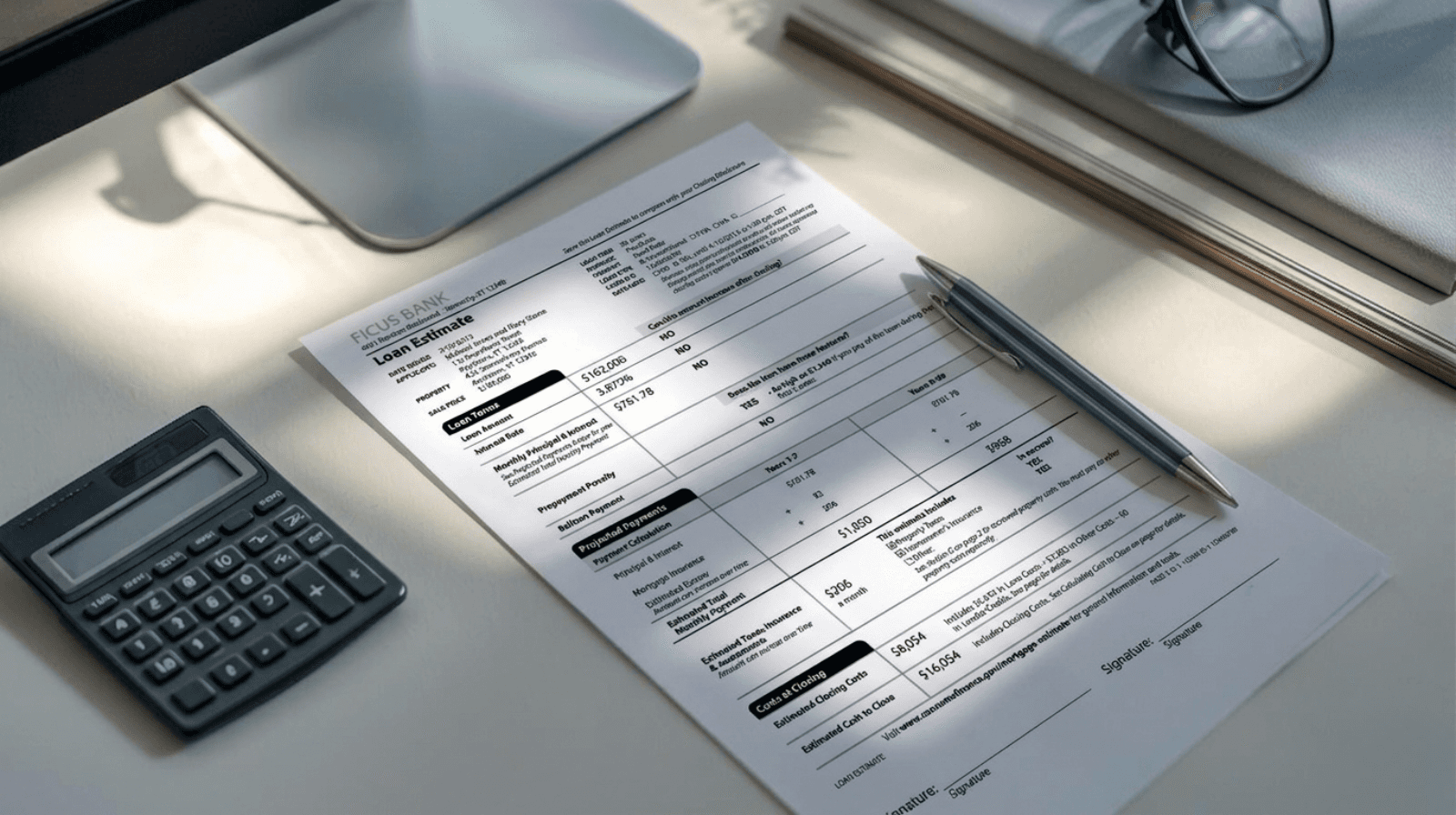
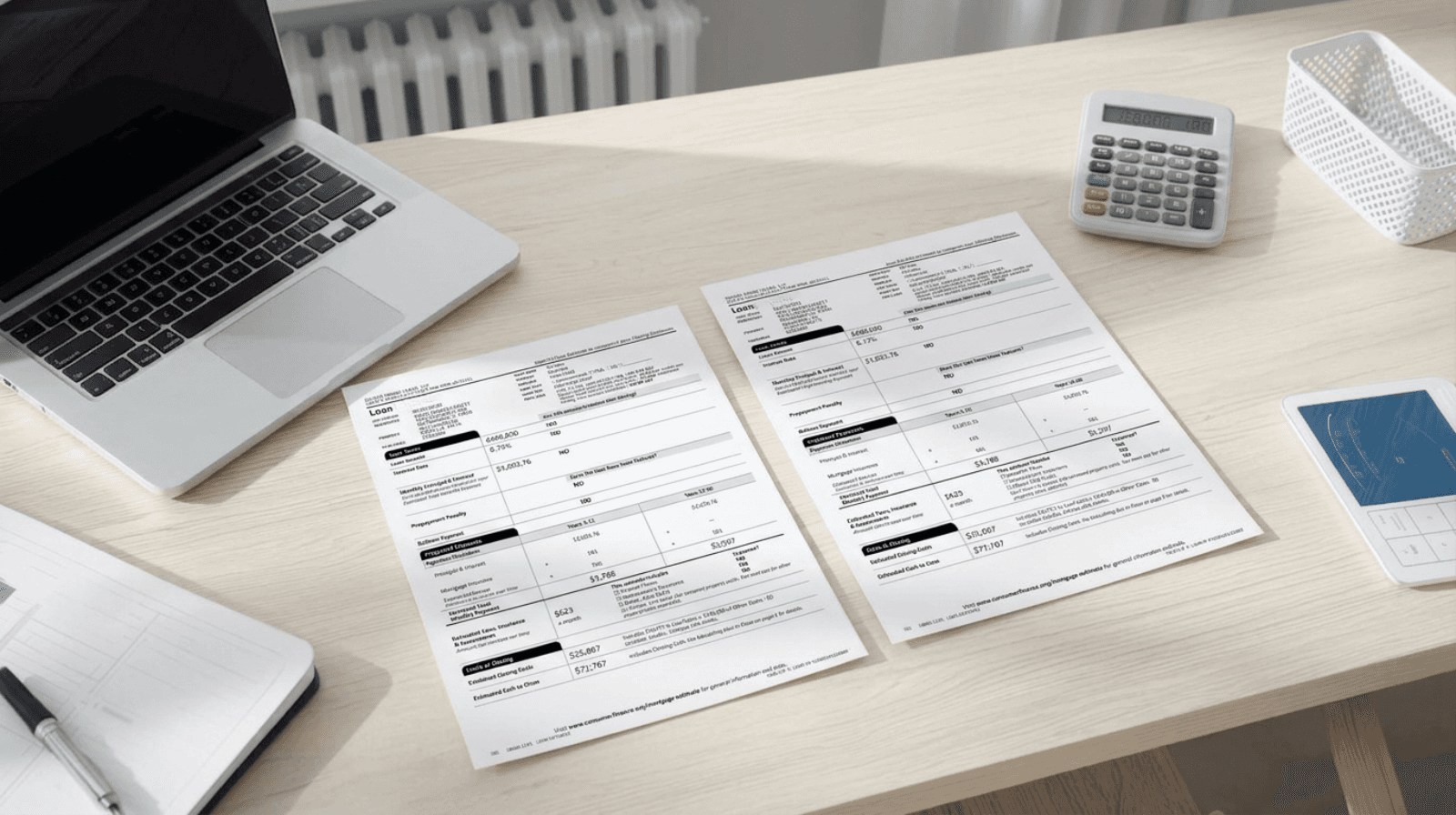
Compare your Loan Estimate to other lenders. Look at APR, closing costs, and fees—not just the rate. Shop your offer to see if there are better deals.
What if rates drop right after I lock?
Rates move constantly. You can refinance later if they continue falling. Don't let short-term rate movement derail a good long-term decision.
Disclaimer: Nothing in this content should be considered financial advice. The examples and data shared are for general information only and may not reflect your personal situation. We do not guarantee the accuracy or completeness of the information provided. Always do your own research and speak with a qualified financial advisor before making any financial decisions.
Ready to Save On Your New Mortgage?