
A cash-out refinance lets you tap into your home’s equity and convert it into cash — usually at a lower rate than credit cards or personal loans. Instead of taking out a separate home equity loan, you replace your existing mortgage with a new, larger one and pocket the difference.
Short answer:
Cash-out refinancing allows you to borrow more than your current mortgage balance and receive the extra amount as cash. You must leave enough equity in the home — typically 20–25% (exact requirements vary by lender and borrower profile).
This guide explains how cash-out refinancing works, how much you can borrow, equity requirements by loan type, real examples, and how to compare offers to avoid overpriced loans.
Key Takeaways
A cash-out refinance replaces your old mortgage with a new, larger one, and you take the difference in cash
Many lenders require you to leave 20–25% equity in the home after the refinance
Maximum LTV is typically 80% for conventional loans, 80% for FHA loans, and up to 90% for VA loans(actual requirements vary by lender)
Cash-out refinances often have higher rates and stricter underwriting
Appraisal value heavily determines how much cash you can access
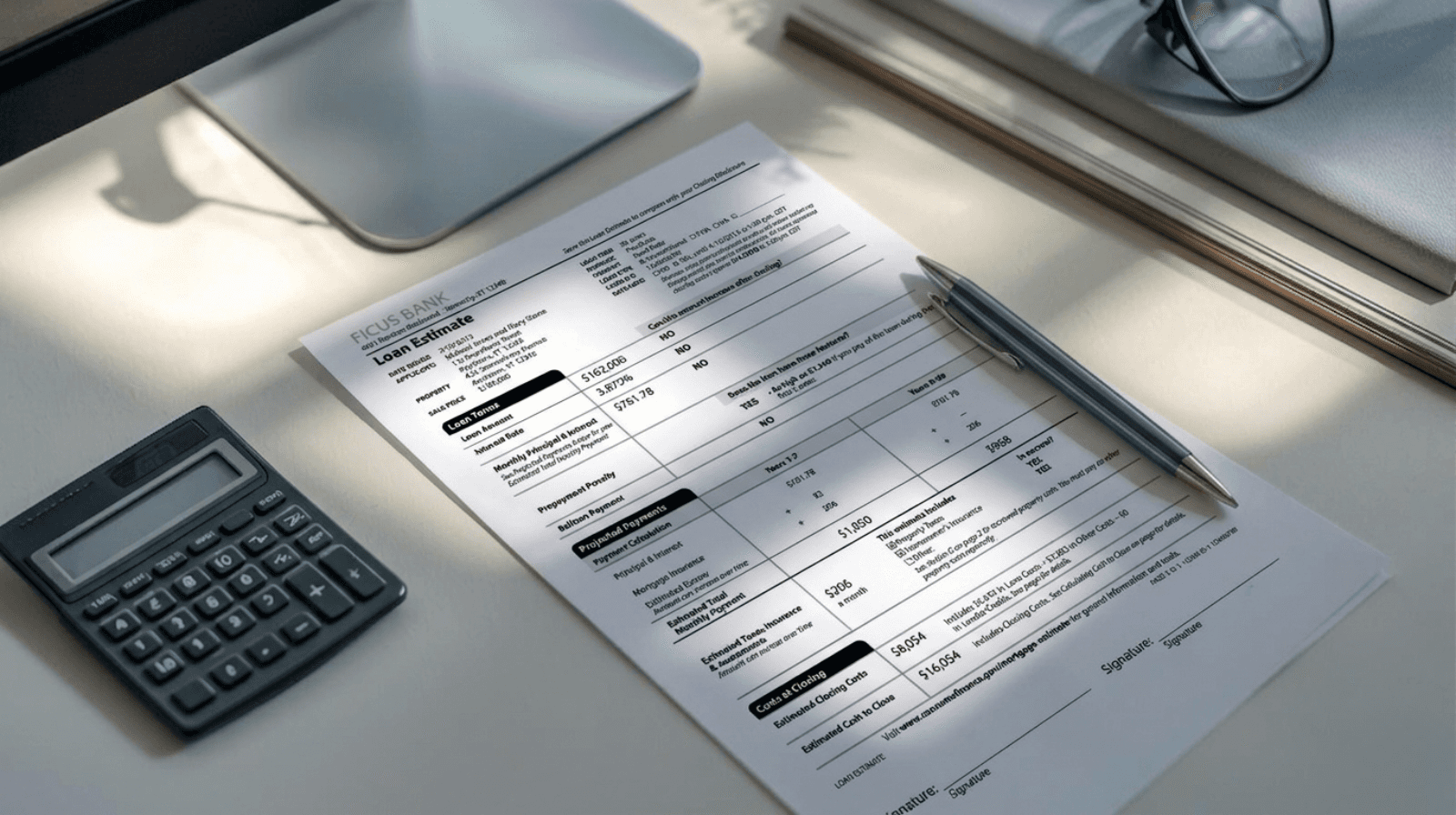
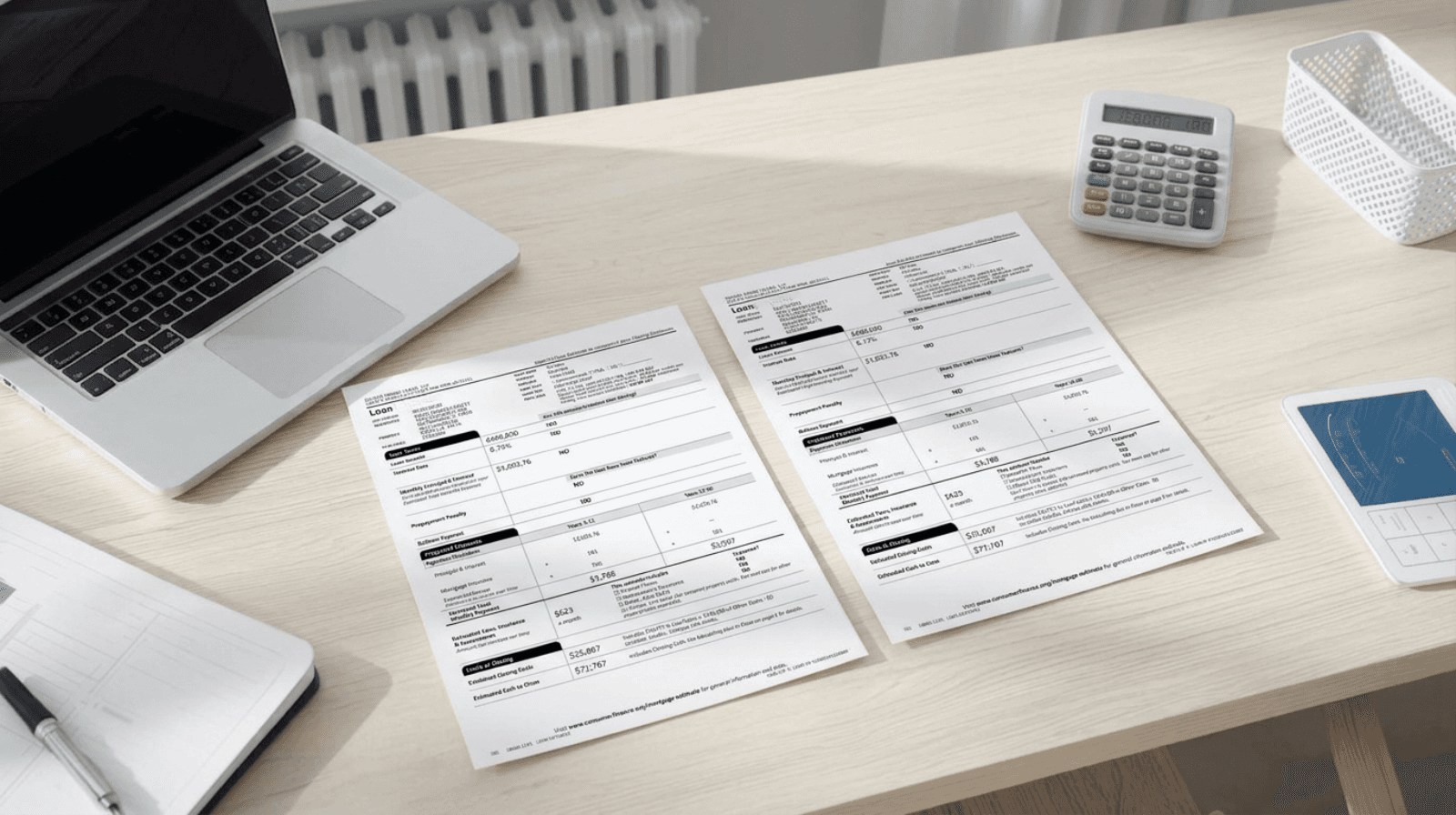
💡 Pro Tip: Cash-out loans often carry slightly higher rates and fees than standard refinances, and lender pricing can vary significantly for the same loan amount and type. Don’t settle for the first offer; compare Loan Estimates to see which lender has the best offer.
What Is a Cash-Out Refinance?
A cash-out refinance replaces your existing mortgage with a new one that has a higher loan amount, and provides the difference in cash at closing.
Your new loan pays off your current mortgage, and you receive the remaining cash.
You can use the cash for:
✔ Home improvements
✔ Debt consolidation
✔ Education expenses
✔ Medical bills
✔ Investment opportunities
✔ Emergency funds
Since the loan is secured by your home, interest rates may be lower than credit cards or unsecured loans.
💡 Pro Tip: Don’t take the first offer you receive. Compare your options to maximize your opportunity to tap into your home’s equity at the lowest cost and with competitive interest rates.
How Cash-Out Refinancing Works (Step-by-Step)
1. Determine your home’s value
Your lender or a local real estate agent can help you determine your property’s estimated value based on recent comparable sales.
2. Calculate your maximum loan amount
Each loan program and lender allows different maximum loan-to-value ratios. On average, you should leave at least 20% of the equity untouched, which means you can borrow up to 80% of your home’s value in some cases.
For example, if your home is valued at $300,000, you may be able to borrow up to:
$300,000 x .80 = $240,000
3. Subtract your current loan balance
Start with the home’s value and subtract the current loan balance (check your mortgage portal online for the latest payoff). The difference is the amount of cash you can take out.
Using the above example, if you have a $120,000 mortgage outstanding, that would leave you with:
$240,000 - $120,000 = $120,000
4. Apply and go through underwriting
When you’ve decided to do a cash-out refinance, you must complete a loan application and go through the underwriting process, like when you bought the home. During underwriting, your credit, income, assets, and property are reviewed.
5. Close the loan and receive cash
After underwriting clears your loan to close, you will sign closing papers, and three business days after the closing, you’ll receive the funds.
This process usually takes 30–45 days, depending on appraisal timelines and lender processing.
How Much Cash Can You Borrow?
Here’s the formula lenders use:
(Home Value × Max LTV) – Loan Balance = Available cash out
Example
Home value: $500,000
Max LTV: 80% → $400,000 max loan
Current loan balance: $320,000
Available cash-out:
$400,000 – $320,000 = $80,000
💡 Pro Tip: Closing costs reduce the final amount slightly. This is where lender pricing matters. The same scenario can produce very different costs, depending on the lender. If you already have a Loan Estimate, comparing it can reveal meaningful differences.
Equity Requirements for Cash-Out Refinances
Equity is the biggest factor for cash-out refinances. Every lender has different equity requirements, but here’s a general overview.
Conventional Loans
Max LTV: 80%
Must leave 20% equity after closing
FHA Cash-Out
Max LTV: 80%
Must occupy the home as your primary residence
Requires mortgage insurance (Upfront and annual MIP are required at any LTV)
VA Cash-Out (for eligible veterans)
Max LTV: Up to 90% (official guideline)
Many lenders cap between 80–90%, depending on risk
No PMI required
VA loans technically allow up to 100% LTV in cash-out refinances in rare circumstances, but most lenders cap cash-out refinances well below that.
Jumbo Cash-Out
Max LTV: 65–75%
High credit and strong reserves required
Pricing is stricter due to increased risk
Investment Properties
Max LTV: 65–75%
Requires more equity than primary homes
Always check with your lender to determine their exact requirements based on your borrower profile.
Cash-Out vs. Rate-and-Term Refinancing
Feature | Cash-Out Refinance | Rate-and-Term Refi |
Extra cash? | ✔ Yes | ❌ No |
Rates | Often higher | Typically lower |
Equity needed | 20–35% | 3–20% |
Appraisal required? | ✔ Always | Usually |
Complexity | Moderate | Lower |
Best for | Accessing home equity | Lowering monthly payments or removing PMI |
Cash-out refinancing is best when you need funds and have substantial equity.
💡 Pro Tip: These are general guidelines, but every lender prices cash-out refinances differently, sometimes by thousands of dollars. See how your offer stacks up by using Fincast.
Pros and Cons of Cash-Out Refinancing
Pros
✔ Often has lower interest rates than credit cards/personal loans
✔ May access large amounts of cash
✔ Possibility of tax-deductible interest (if used to buy, build, or substantially improve the home securing the loan — consult a tax advisor)
✔ Consolidate high-interest debt
✔ Potential to improve cash flow
Cons
❌ Higher rates than rate-and-term refinances
❌ Larger loan balance
❌ Risk of foreclosure if payments become unaffordable
❌ Appraisal required
❌ Stricter credit and DTI standards
Real Cash-Out Refinance Examples
Example 1: Home Improvement Cash-Out
Home value: $450,000
Max loan at 80% LTV: $360,000
Balance: $300,000
Cash-out: $60,000
Used for: new roof, kitchen remodel, HVAC replacement.
Example 2: Debt Consolidation
Cash-out: $40,000
Old credit card APRs: 19–24%
New cash-out mortgage rate: 6.75%
The difference in interest savings could be thousands as long as the borrower doesn’t accumulate more consumer debt.
Example 3: VA Cash-Out
Home value: $600,000
Max LTV allowed: 90%
Max loan: $540,000
Balance: $420,000
Cash-out: $120,000
When Cash-Out Refinancing May Make Sense
✔ You have strong equity (20–30%)
✔ You want to lower other high-interest debt
✔ You are planning major home improvements
✔ You want to lock in a fixed rate
✔ You expect to stay in the home 3–5+ years
✔ Your credit score supports favorable pricing
If several of these apply to you, ensure you’re getting competitive pricing. See how your offer stacks up.
When Cash-Out Refinancing Might Not Be Right
Your new rate is significantly higher
You plan to move in the short term
You have less than 20% equity
You’re close to paying off your mortgage
You need only a small amount of cash (a HELOC may be better)
Cash-Out Refinance Alternatives
If a cash-out refinance isn’t a good fit, consider these alternatives:
1. HELOC (Home Equity Line of Credit)
Variable rate
Borrow as needed
No need to replace your existing mortgage
2. Home Equity Loan
Fixed-rate second mortgage
Lump-sum payout
Faster than refinancing
3. Personal Loan
No home collateral
Faster approval
Higher rates
4. Credit Card 0% APR Promotions
Temporary solution
Limited borrowing amounts
Where Fincast Fits In
Cash-out refinances vary widely in pricing — even more than standard refinances. A borrower with a $400,000 loan might see offers ranging from 6.5% to 7.125% for the same cash-out amount. That’s a difference of $150 a month or $54,000 over 30 years.
Rates and dollar amounts used are for illustrative purposes only.
Lenders differ in:
Allowed LTV
Cash-out limits
Fees
Required points
Rate adjustments
PMI structure
Because cash-out refinances involve higher balances and pricing adjustments, small differences in rate or fees can add up to thousands of dollars over time. This makes comparing offers essential, as the same loan from two different lenders can yield vastly different outcomes over time.
How Fincast helps:
Upload your Loan Estimate
Fincast analyzes your offer
Vetted lenders compete to beat it
You choose the best deal
💡 Pro Tip: Cash-out refinances leave room for lenders to overcharge — Fincast ensures you don’t overpay.
FAQs: Cash-Out Refinancing
1. How much equity do I need for a cash-out refinance?
Typically 20–25% equity (max 75–80% LTV), depending on loan type and lender overlays.
2. Is cash-out refinancing worth it?
It can be, but it depends on your borrower profile, the offers you've received, and how you’ll use the funds.
3. Does cash-out refinancing require PMI?
PMI may be required if the LTV exceeds 80%, except for VA loans.
4. Do I need good credit?
Higher credit scores often lead to better rates; most lenders prefer 680–700+ for cash-out refinancing, but exact pricing varies by lender and borrower profile.
5. Does a cash-out refinance increase my mortgage payments?
Often, yes —because your loan balance increases, but it depends on your situation.
Bottom Line
Cash-out refinancing is one of the most powerful ways to access your home’s equity at a relatively low cost. Whether you're consolidating debt, funding renovations, or planning major expenses, it can provide tens of thousands of dollars at competitive interest rates.
But because cash-out pricing varies dramatically across lenders, comparing offers is essential.
👉 Comparing cash-out offers matters now more than ever. Upload your Loan Estimate to Fincast to benchmark your cash-out refinance offer — no extra credit pull, no spam.
This blog is for educational purposes only. All loan terms, rates, and availability depend on the lender's underwriting and borrower qualifications.
Disclaimer: Nothing in this content should be considered financial advice. The examples and data shared are for general information only and may not reflect your personal situation. We do not guarantee the accuracy or completeness of the information provided. Always do your own research and speak with a qualified financial advisor before making any financial decisions.
Ready to Save On Your New Mortgage?