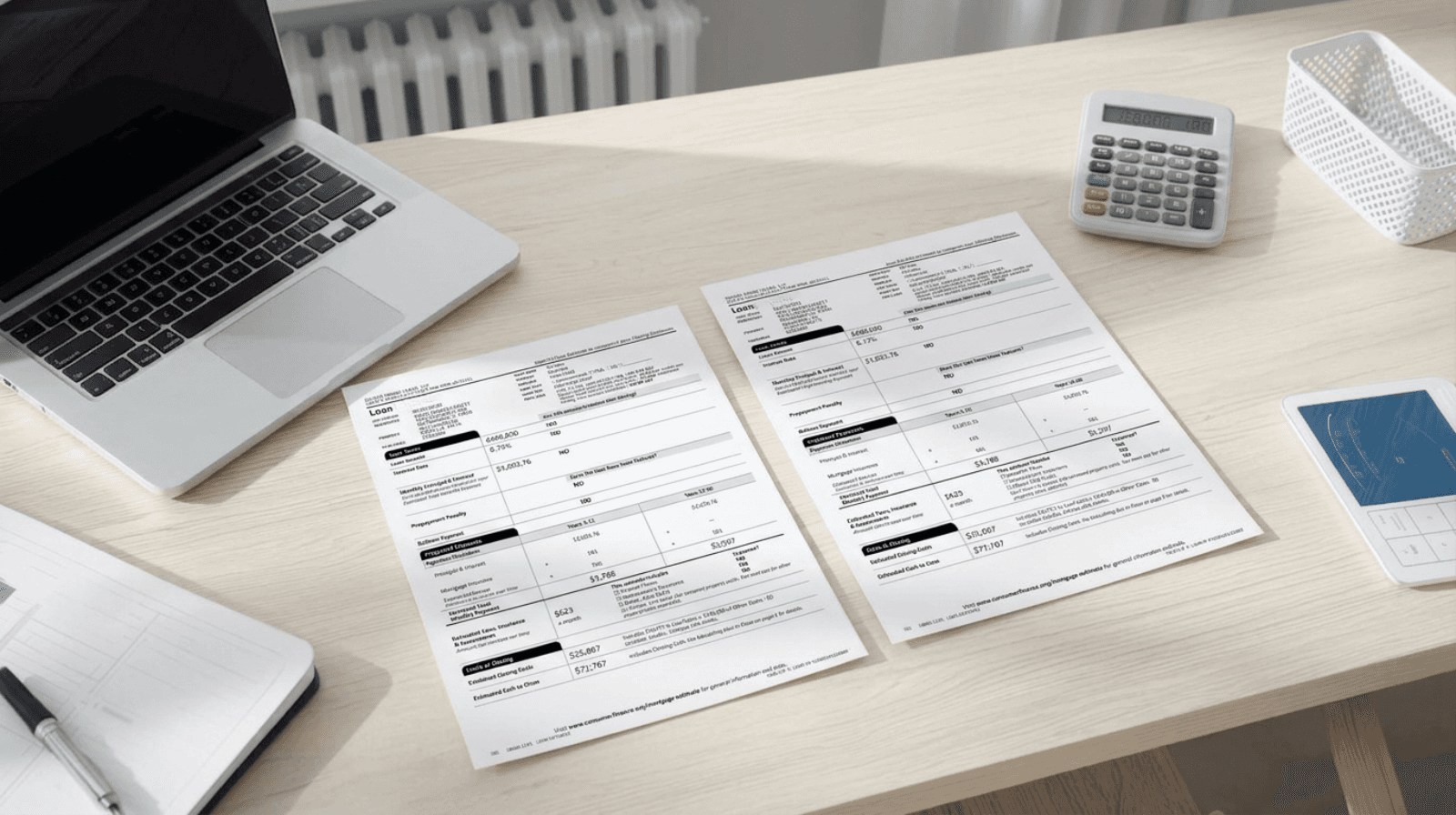

After months of house hunting, negotiating, and paperwork, you’ve finally reached the finish line — closing day. 🏁
It’s the last step before you get the keys to your new home, but it can also feel overwhelming with all the documents, signatures, and costs involved.
Understanding what happens at the closing table — and being prepared — will help make the process smooth, stress-free, and (almost) celebratory.
This guide walks you through what to expect on closing day, what to bring, and how to prevent last-minute surprises.
Key Takeaways
✅ Closing is the final step in the home-buying process — where ownership officially transfers from seller to buyer.
✅ You’ll review and sign multiple legal documents, including the Closing Disclosure and loan paperwork.
✅ Expect to pay closing costs (typically 2–5% of the purchase price, but varies by area and lender).
✅ Bring a valid photo ID, certified funds, and proof of homeowners' insurance.
💡 Pro Tip: As soon as you receive your first Loan Estimate, upload it to Fincast — and let vetted lenders compete to lower your rate or fees. The earlier in the process you do this, the easier it is to compare your options and switch lenders if needed.
What “Closing” Actually Means 🏠
Closing (or “settlement”) is when you finalize your mortgage, sign the legal documents, and the home title officially transfers to you.
It’s typically held at a title company, an attorney’s office, or an escrow office, depending on your state.
Once all funds are received and paperwork is signed, the keys are yours — and you officially become a homeowner.
💡 Pro Tip: Your lender must provide your Closing Disclosure at least three business days before closing. Review it carefully and compare it with your Loan Estimate to ensure there are no unexpected changes.
Who Attends the Closing?
Depending on your state, you may meet with:
Closing agent or escrow officer (handles funds and documents)
Title company representative
Your real estate agent
Seller and/or seller’s agent
Your lender (sometimes virtually)
Attorney (in attorney-required states)
Each person plays a role in ensuring all funds and paperwork are executed correctly.
What You’ll Review and Sign 📄
Expect to sign many documents — some required by law, others specific to your lender and property. Key forms include:
1. Closing Disclosure
A detailed summary of your loan terms, interest rate, monthly payments, and closing costs.
Compare it line by line with your Loan Estimate to ensure accuracy. If something doesn’t match, ask why, preferably during the three business days before your closing. This allows enough time for any document changes, if needed.
2. Promissory Note
This is your legal agreement to repay the loan, including your interest rate, first payment date, and late fee terms.
3. Mortgage or Deed of Trust
This secures the loan against your property. It gives your lender the right to foreclose if you don’t make payments and is recorded with the county.
4. Deed
Transfers property ownership from the seller to you. After signing, it’s recorded with your local government.
5. Affidavits and Disclosures
Various legal forms confirming identity, property condition, and loan accuracy.
💡 Pro Tip: Don’t rush through these documents. Ask questions. A trustworthy lender and title agent will explain every page.
What to Bring to Closing Day 🧾
Being prepared prevents delays. Here’s your closing-day checklist:
✅ Valid Photo ID (unexpired driver’s license, passport, or government-issued ID)
✅ Certified or cashier’s check (for closing costs and down payment — if not wired)
✅ Proof of Homeowners Insurance (your lender needs confirmation before funding the loan)
✅ Final Closing Disclosure (bring a copy for reference)
✅ Checkbook (for any last-minute adjustments under $500)
✅ Any Required Documents from Your Lender (like proof of funds or employment verification)
💡 Pro Tip: Verify wire instructions directly with your title company — fraud is common. Never send funds via email links or without voice confirmation.
What You’ll Pay: Closing Costs 💰
Expect to pay 2–5% of the home’s purchase price in closing costs (varies by location). These typically include:
Lender fees: Origination, underwriting, and processing fees
Third-party fees: Appraisal, credit report, title search, notary, and recording fees
Prepaid costs: Property taxes, homeowners' insurance, and interest from the closing date to the month-end
Read our full breakdown: Understanding Closing Costs — and How to Negotiate Them.
💡 Pro Tip: If you haven’t uploaded your Loan Estimate to Fincast yet, consider it before closing. You can determine if better offers exist and confidently make your final decision regarding your mortgage. Leveraging the competition may save you hundreds (or thousands) at the table.
What Happens After You Sign 🖋️
Once you’ve signed and funds are transferred, the title company records the deed with your local county.
You’ll receive:
Keys to your new home
Final copies of your signed documents
Confirmation of title recording
Your first mortgage payment is usually due 45 days after closing — check your closing packet for the exact date.
Common Closing-Day Surprises (and How to Avoid Them) ⚠️
Incorrect Closing Costs: Always compare your Closing Disclosure to your Loan Estimate.
Last-Minute Wire Issues: Confirm payment instructions verbally — scammers often target closings.
Missing Documentation: Double-check your lender’s checklist 48 hours before closing.
Title Problems: Make sure the title company provides clear title insurance before signing.
Funding Delays: Avoid changing jobs, applying for new credit, or making large purchases before closing.
How Fincast Makes Closing Smoother 🚀
By the time you reach closing, the biggest costs — your interest rate and loan fees — are already set. That’s why Fincast exists: to help buyers secure better mortgage terms before signing.
Here’s how it works:
Get pre-approved with any lender and receive your Loan Estimate
Upload the Loan Estimate to Fincast — secure, simple, and private
Lenders compete — vetted lenders review your offer and try to beat it
You potentially save — a lower rate can mean a lower monthly payment and fewer surprises at closing
No extra credit pulls. No spam. Just transparent competition that puts you in control.
Learn more: What Is Fincast?
FAQs
1. How long does closing take?
Typically 1–2 hours. You’ll sign the documents, review the disclosures, and receive the keys once the funds are verified.
2. Can I close remotely?
Yes. Many lenders and title companies now offer e-signing or remote online notarization in most states; check with your real estate attorney or lender.
3. Do I need a cashier’s check, or can I wire funds?
Most closings now use wire transfers for security and convenience — but always verify instructions with your title company.
4. Can I change lenders right before closing?
Technically, yes, but it can delay your timeline. It’s best to use Fincast early to compare lenders before finalizing your choice.
5. When is my first mortgage payment due?
Usually the first day of the second month after closing (e.g., close June 15 → first payment August 1).
Bottom Line
Closing day is the finish line of your home-buying journey — but preparation determines how smooth it goes.
You’re ready for the closing table when:
✅ You’ve reviewed your Closing Disclosure thoroughly
✅ You’ve compared it to your Loan Estimate
✅ You’ve verified payment and ID requirements
✅ You’ve uploaded your Loan Estimate to Fincast and locked in the best rate
Buying a home is a major milestone — but it doesn’t have to be stressful. With the right prep and the right partner, you’ll walk out of closing not just with new keys — but peace of mind.
Action Checklist
Review your Closing Disclosure in advance
Compare it to your Loan Estimate
Confirm closing funds and payment method
Verify wire instructions verbally
Bring ID and proof of insurance
Sign all documents
Collect keys and celebrate!
Upload your Loan Estimate to Fincast and potentially save on your rate
👉 Ready to close with confidence? Upload your Loan Estimate to Fincast early so you can compare offers with confidence — before your closing timeline locks you in.
Disclaimer: Nothing in this content should be considered financial advice. The examples and data shared are for general information only and may not reflect your personal situation. We do not guarantee the accuracy or completeness of the information provided. Always do your own research and speak with a qualified financial advisor before making any financial decisions.
Ready to Save On Your New Mortgage?