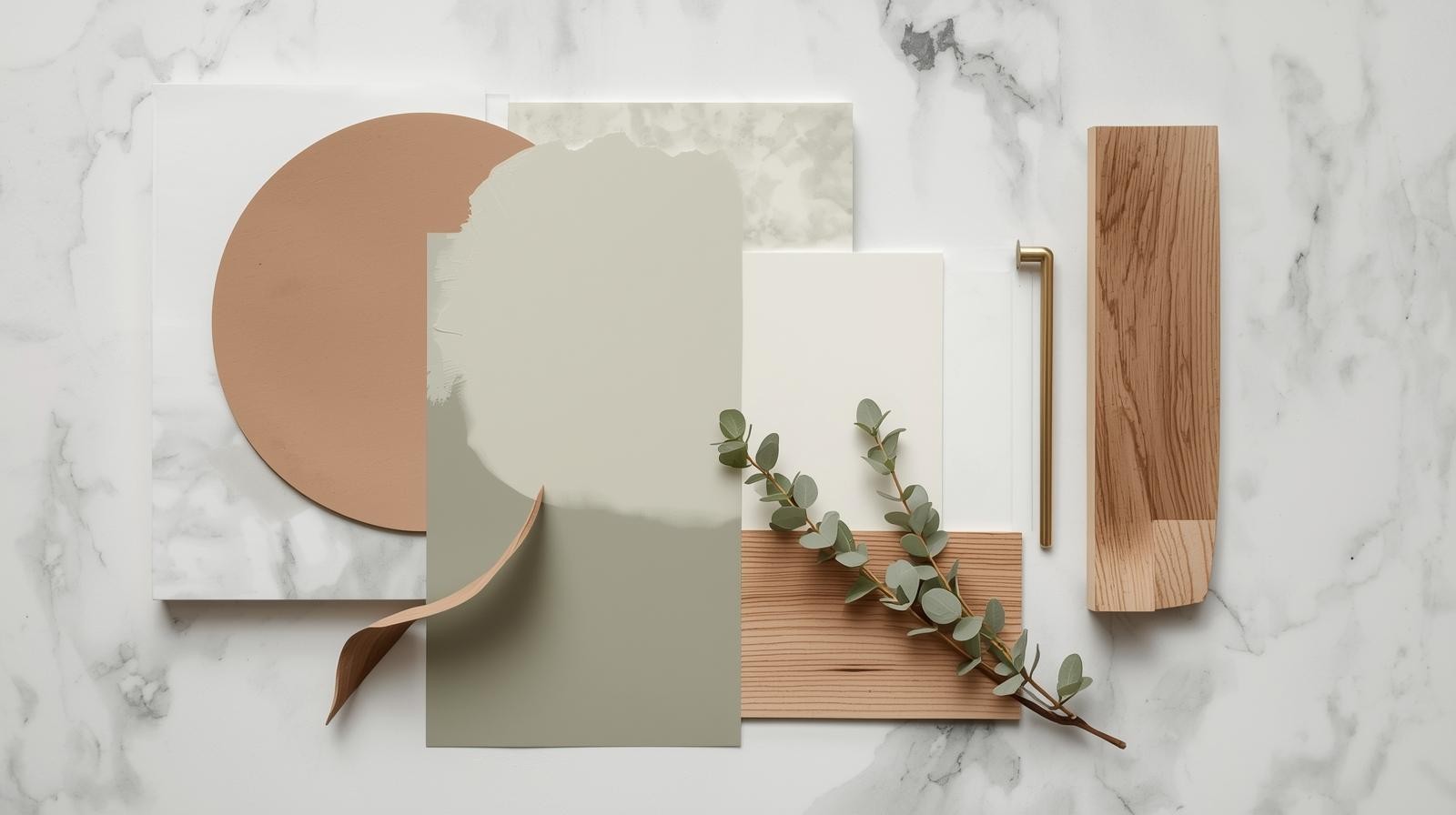
Choosing paint colors sounds simple until you’re standing in front of hundreds of swatches that all look different at home than they did in the store. The average homeowner spends $ 400 to $800 to paint a room. Knowing how to choose the right paint colors helps you avoid redoing them and wasting money.
Key Takeaways
Designers choose paint based on lighting and surroundings, not trends
Undertones matter more than the color name on the can
Neutral doesn’t mean boring—it means flexible
Testing correctly prevents expensive repainting
One cohesive color strategy makes a whole home feel intentional
Why Getting it Right Saves Money
Most homeowners underestimate the cost of fixing a paint color that doesn’t work.
Average Repainting Costs
DIY repaint: $150-$300 per room
Professional repaint: $400-$800 per room
Whole-home color correction: $2,500-$6,000+
These costs don’t include furniture moving, wall prep, or the frustration of having to live through the process twice. Getting it right the first time isn’t perfectionism, it’s financial common sense.
The Hidden Costs of Rushing Color Decisions
Beyond the obvious expenses of repainting, homeowners often don’t consider:
Wasted paint from the first attempt: $50-$150 per room
Additional primer needed to cover mistakes: $30-$60
Replacement decor to match the paint mistake: $200-$1,000+
Professional color consultation to fix the mistake: $100-$300
💡Pro tip: Premium paint ($50-70/gallon) in main living areas often outlasts budget paint ($25-35/gallon) that needs recoating sooner
Start With the Room’s Fixed Elements
Interior designers rarely start with paint. They start with what can’t easily change.
Look at:
Flooring (wood tone, tile color, carpet warmth)
Cabinets and countertops
Stone, brick, or fireplace surrounds
Large furniture you’re keeping
Paint should support these elements, not fight them. For example, a cool gray wall can clash badly with warm wood floors, even if both look great on their own.
Takeaway: Let permanent finishes narrow your paint options before you ever look at swatches.
Understand Undertones (This Is the Big Secret)
Most paint mistakes come down to undertones, not color depth.
Common undertones include:
Warm: yellow, red, beige
Cool: blue, green, violet
Neutral: balanced, but still leaning slightly warm or cool
Two paints that look identical on a card can behave completely differently on the wall once undertones react to light and nearby finishes.
💡 Pro Tip: Compare paint samples against something truly white (like printer paper) to reveal hidden undertones.
Use Lighting as Your Primary Filter
Designers think about lighting before committing to any color.
Consider:
Natural light direction (north, south, east, west)
Time of day the room is most used
Type of artificial lighting (warm vs. cool bulbs)
North-facing rooms often make colors look cooler and darker. South-facing rooms usually intensify warmth. A color that feels calm in one room can feel gloomy or harsh in another.
Takeaway: Always judge paint in the lighting conditions where it will actually live.
Build a Whole-Home Color Strategy
Rather than choosing colors room by room, designers think in terms of flow.
A simple strategy:
One main neutral used in most spaces
One or two secondary colors for variety
Accent colors are reserved for small areas
This approach prevents the “every room is different” look that can make a home feel choppy or chaotic.
💡 Pro Tip: Slightly different shades of the same color family often look more professional than totally different colors.
Sample Paint the Designer Way (Not the Hardware Store Way)
Tiny sample squares on the wall don’t tell the full story.
Designers typically:
Paint large sample areas (at least 12x12 inches)
Test on multiple walls
Observe for several days
Check the color in the morning, afternoon, and night
The Sampling Investment That Pays for Itself
Many homeowners skip proper testing to save $20-40 on sample pots. This is backwards thinking.
Smart sampling strategy:
Sample pots: $5-8 each
Test 2-3 colors: $15-25 total
Poster board for moveable samples: $5-10
Total investment: $20-35
What this prevents:
Entire room repaint: $400-800
Wasted original paint: $100-200
Time lost: 8-16 hours
Potential savings: $500-1,000
Takeaway: The cost of proper sampling is far less than repainting an entire room.
Know When to Go Neutral (and When Not To)
Designers rely heavily on neutrals—but strategically.
Neutrals work best when:
You want flexibility with décor
The room connects to many others
You plan to change furniture or finishes later
Bolder colors work best when:
Used intentionally (offices, powder rooms)
Balanced with plenty of light
Not competing with busy finishes
Takeaway: Neutral walls with personality usually outperform trendy colors in the long term.
Step-by-Step Framework: Choosing Paint Like a Pro
Identify the room’s fixed elements
Determine whether the space needs warm or cool tones
Evaluate natural and artificial lighting
Choose a main neutral that works across rooms
Narrow choices to 2–3 similar colors
Test large samples in real conditions
Decide only after living with samples for a few days
Move slowly. Designers rarely rush color decisions.
Common Mistakes and Red Flags
Choosing paint before flooring or cabinets
Ignoring undertones
Testing only one small patch
Judging color at night only
Falling for trendy names instead of behavior
Most paint regrets come from skipping steps, not choosing the “wrong” color family.
FAQs
How do interior designers choose paint colors?
Interior designers choose paint colors by evaluating lighting, undertones, and fixed elements first, then testing samples in real conditions before committing.
What is the safest paint color for homeowners?
Soft, balanced neutrals with subtle undertones are usually the safest paint colors because they adapt well to changing décor and lighting.
Why does paint look different on the wall than in the store?
Paint changes based on lighting, surrounding colors, and room size, which is why in-store lighting is rarely accurate.
Should all rooms be the same color?
Not necessarily, but using related colors or shades from the same family can create a smoother flow and a more professional look.
How many paint samples should I test?
Most designers recommend testing at least two or three similar colors to compare undertones and depth.
Bottom Line
Choosing paint like an interior designer isn’t about having better taste—it’s about following a proven process. When you let lighting, undertones, and fixed elements lead the decision, paint becomes one of the easiest ways to make your home feel polished, cohesive, and intentionally designed.
Disclaimer: Nothing in this content should be considered financial advice. The examples and data shared are for general information only and may not reflect your personal situation. We do not guarantee the accuracy or completeness of the information provided. Always do your own research and speak with a qualified financial advisor before making any financial decisions.
Ready to Save On Your New Mortgage?