
If you bought or refinanced your home when rates were sky-high, that 8% on your mortgage probably feels like a weight on your chest every month. Now you’re seeing offers around 7% and thinking, “Is refinancing from 8% to 7% actually worth it, or is this just more paperwork and fees?”
Short answer: It can definitely be worth it — but only if the numbers work for your situation.
Let’s walk through how to calculate your savings (step by step), how to find your break-even point, and how tools like Fincast can make those “Should I refinance?” decisions a lot less like guesswork and a lot more data-driven.
What Does a 1% Drop Really Do?
A 1% drop in interest rates may seem small, but on a mortgage, it can translate into significant savings over time.
Let’s use a concrete example so you can see how the math plays out.
Example scenario
Remaining loan balance: $400,000
Remaining term: 28 years (336 months)
Current rate: 8%
Refinance rate: 7%
Refinance costs (closing costs, fees, etc.): $4,000
Using those numbers:
At 8% your monthly payment is about $2,987
At 7% your monthly payment would drop to about $2,718
That’s a monthly savings of roughly:
$2,987 – $2,718 ≈ $269 per month
If your refinance costs you $4,000, then your break-even point is:
Break-even months = Closing costs ÷ Monthly savings
≈ $4,000 ÷ $269 ≈ 15 months
Actual rates and savings will vary by borrower, credit profile, and market conditions.
So in this example:
If you plan to stay in the home for more than 15 months, refinancing may make financial sense.
If you plan to move or sell within a year, the savings likely won’t catch up to the cost.
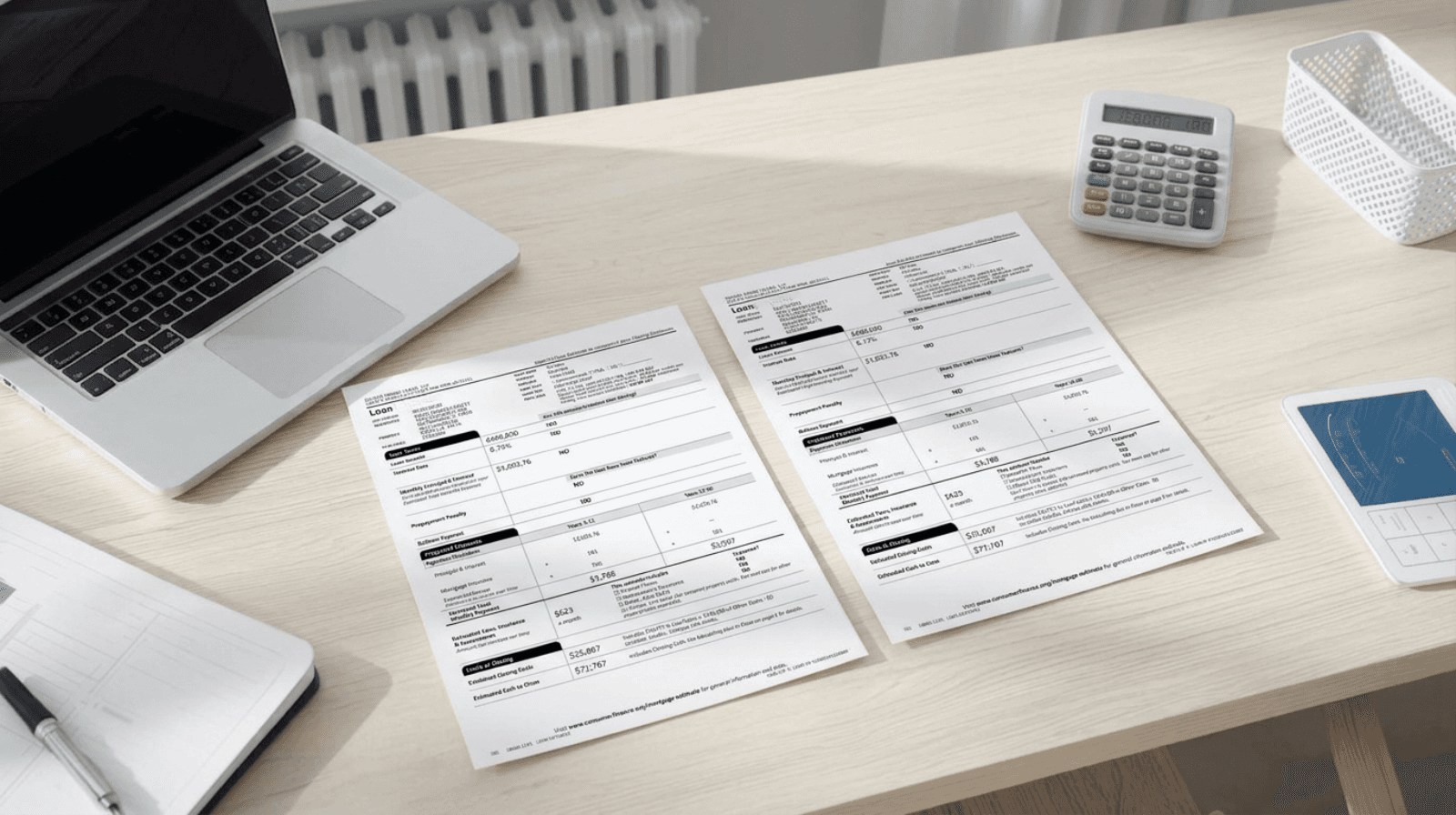
💡Pro tip: Since even small fee differences can change your break-even point, shopping offers matter more than most people expect. Upload your Loan Estimate to Fincast to see what competing lenders may offer.
The Simple Formula to Decide if 8% → 7% is Worth It
Here’s the basic process you can use with your numbers:
Find your current monthly payment
Estimate your new payment at 7%
Calculate your monthly savings
Add up all refinance costs
Add them together:
Calculate your break-even point
Compare break-even to how long you’ll keep the loan
💡Pro tip: If your break-even point is close, keep shopping your loan to see what other lenders may offer. Two offers with the same rate can differ by thousands in fees. Fincast makes it easy to shop by simply uploading your original Loan Estimate to see offers side by side.
Beyond the Math — 4 Key Questions to Ask
Even if the 8% → 7% math looks good, ask yourself these questions:
1. How long will I stay in this home?
If your break-even point is 18 months and you’re sure you’ll be there at least 5 more years, that’s a strong signal in favor of refinancing.
But if any of the following are in your future, there may not be enough time to recoup the costs:
Changing jobs
Moving to another city
Upgrading or downsizing
2. Are there any prepayment penalties?
Check whether your existing loan has prepayment penalties for paying it off early (which is what refinancing technically is).
If yes, add that cost into your refi calculations.
If no, great — one less line item to worry about.
3. Am I extending my loan term?
Sometimes a refinance can lower your monthly payment but actually extend the time you’re in debt, which can increase total interest paid.
For example:
You’re 7 years into a 30-year loan (23 years left).
You refinance into a new 30-year loan at 7%.
Your monthly payment might drop nicely, but you’ve just stretched your mortgage back out to 30 years again. That’s not always a problem — especially if cash flow is tight — but it’s important to be aware.
If you want to keep the 30-year term, you can pay extra each month to match your previous payoff schedule.
4. What else could I use this money for?
Saving $200–$400 per month by refinancing can be powerful if you:
Pay down high-interest credit cards
Boost retirement contributions
Build an emergency fund
How Fincast Helps You See the Full Picture
Even if refinancing makes sense mathematically, choosing the wrong offer can quietly erase your savings.
Deciding to refinance is just one piece of the puzzle. Next, you must find the most competitive rates and terms. Sure, you could just accept the first offer you are given, but how do you know it’s the best offer in the market?
Shopping around manually takes time, effort, and considerable confusion. But Fincast takes the overwhelm out of the equation. All you need is one Loan Estimate from any lender to upload to Fincast. Within minutes, you’ll know whether other lenders have offers that compete with your original offer.
You can compare the offers side by side to determine which makes the most sense and helps you get the most benefit from refinancing.
The best news is your Loan Estimate is shared anonymously and without a hard credit check. You don’t have to worry about hurting your credit or fielding spam phone calls or emails because you shopped around for a better rate.
Action Checklist — What to do Next
If you’re seriously considering refinancing from 8% to 7%, here’s a quick checklist:
Gather your info
Run the numbers
Stress-test your plan
Decide with confidence
Bottom Line
Refinancing from 8% to 7% can be worth it, but it’s not a blanket yes for everyone. The magic isn’t just in the lower rate — it’s in how long you keep the loan, what it costs to get there, and what you do with the savings.
The smartest refinance decisions aren’t rushed. They’re compared, stress tested, and made with full transparency before you commit. It’s important to know whether better offers exist and how small differences in rates or fees could affect your break-even point.
That’s where Fincast fits in. It’s not a decision-maker, but a data source that provides you with complete information so you can make confident, transparent decisions.
👉Before you decide to refinance from 8% to 7%, upload one Loan Estimate to Fincast to see what the market actually looks like and what you might (or might not) save.
Disclaimer: Nothing in this content should be considered financial advice. The examples and data shared are for general information only and may not reflect your personal situation. We do not guarantee the accuracy or completeness of the information provided. Always do your own research and speak with a qualified financial advisor before making any financial decisions.
Ready to Save On Your New Mortgage?