
A 1% drop in your mortgage rate may seem significant.
But is refinancing from 7% to 6% actually worth it once you factor in closing costs, a new term, and how long you’ll stay in the home?
The short answer:
It may save you thousands — but only if the math and your timeline line up.
In this guide, we’ll walk through:
When a 1% rate drop makes sense
How to calculate your break-even point (with simple examples)
What to watch out for with a 7% → 6% refinance
💡Pro tip: Refinancing doesn’t always make sense, just because rates dropped from 7% to 6%. It’s important to look at the big picture and ensure you have the best deal for your situation and today’s market.
Does a 1% Rate Drop Really Matter?
Yes, a 1% drop in interest rates is significant — especially on a large balance.
On a typical 30-year mortgage, moving from 7% to 6% can:
Lower your monthly payment
Reduce your total interest paid over time
Free up monthly cash for other goals
But those benefits come with closing costs, typically a few thousand dollars in fees (appraisal, lender, and title costs, all of which vary by location and lender). The key question becomes:
Will my interest savings exceed my closing costs before I move or refinance again?
That’s where the break-even calculation helps determine if you should refinance.
Break-Even Point: The Number That Really Matters
Your break-even point tells you how long it takes for your monthly savings to “pay back” the cost of refinancing.
Basic formula:
Break-even (in months) = Refinance closing costs ÷ Monthly payment savings
If you remain in the home past that break-even point, your refinance may start to pay off. If you move before that point, refinancing may end up costing you money rather than saving it.
Example: Refinancing from 7% to 6%
Let’s walk through a simplified example to show how this works. (Approximate figures shown for illustration only.)
Current loan details:
Loan balance: $400,000
Current rate: 7%
Term: 30 years (original, and you’re still near the beginning)
Using standard mortgage math, your current payment (principal + interest) at 7% is roughly:
Around $2,660/month (not including taxes/insurance)
Refinancing details:
New rate: 6%
New term: 30 years
Estimated closing costs: $7,000
At 6%, the payment on $400,000 over 30 years is roughly:
Around $2,400/month
So your monthly savings are about:
$2,660 – $2,400 = $260/month
Now calculate your break-even:
$7,000 ÷ $260 ≈ 26.9 months
That’s about 27 months, or just over 2 years
What this means:
If you expect to stay in the home for 5–7 more years, a refinance may be attractive.
If you think you’ll move in 18 months, it’s probably not worth it — you’d never hit break-even.
💡Pro tip: Many homeowners don’t shop around to compare their options. They take the first offer, which often leaves money on the table. Fincast makes it easy to compare your options by securing offers from vetted lenders, which could mean the difference between a refinance that makes sense and one that doesn’t.
Figures to Consider When Deciding Whether to Refinance from 7% to 6%
To decide whether refinancing makes sense, you’ll need:
Your current loan details
Current balance
Interest rate (7%)
Remaining term (e.g., 27 years left on a 30-year)
Current monthly payment (principal + interest)
Whether you’re paying mortgage insurance (PMI/MIP)
The new loan scenario
New rate (6%)
New term (30, 20, 15 years, etc.)
Estimated closing costs (and whether you’ll pay them upfront or roll them into the loan)
Any cash-out you plan to take (if this is a cash-out refi)
Use a mortgage calculator to get your new monthly payment. Then compare the monthly savings to your current loan.
Also consider:
Break-even point
Total interest paid in each scenario
Whether you’re extending or shortening your payoff timeline
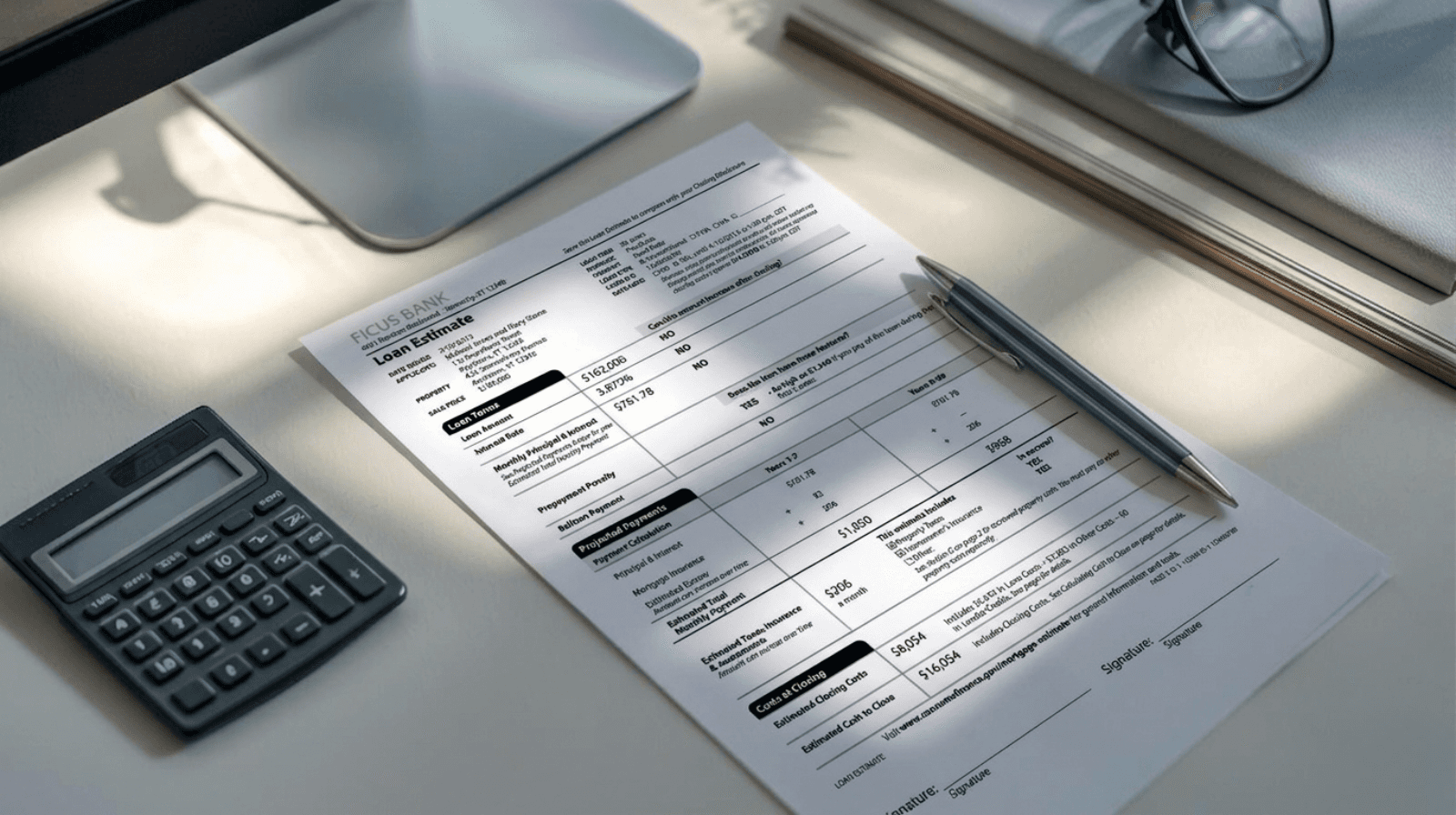
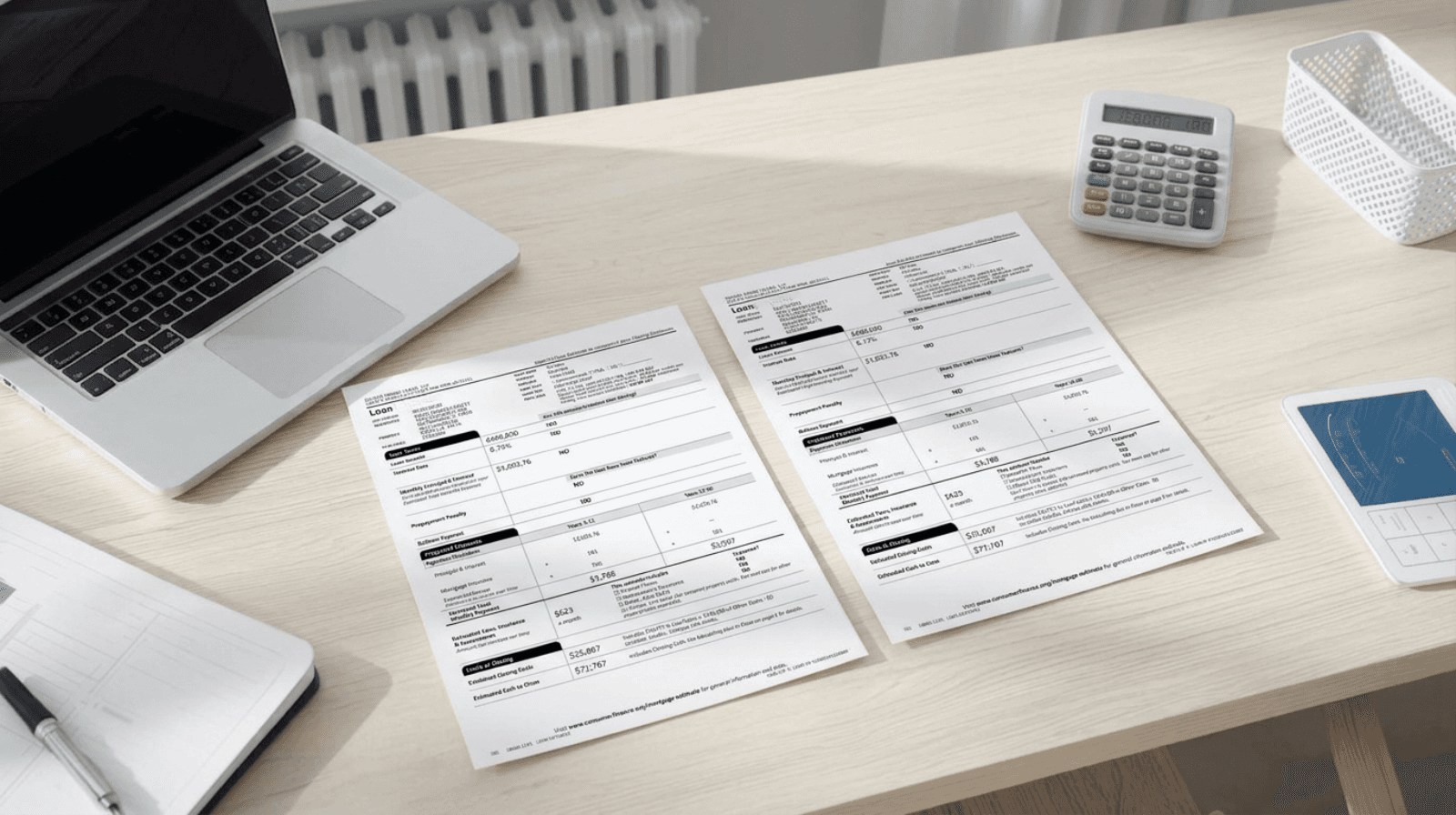
💡Pro tip: Consider plugging in multiple scenarios to see which makes the most financial sense. If you have Loan Estimates from multiple lenders, you can compare them side by side to make transparent and confident decisions.
The Hidden Gotcha: Resetting the Clock
A 7% → 6% refinance can look great on paper — lower rate and lower monthly payment. But there’s a catch:
If you extend your term, you might end up paying more interest overall, even at a lower rate.
Example: 27 years vs a fresh 30-year
Say you’ve already paid 3 years on your original 30-year loan at 7%, and you refinance into a fresh 30-year at 6%. You’re:
Lowering your rate ✅
Adding back 3 extra years of payments ❌
In this case, you want to look at:
How much total interest would you pay if you just keep the current loan
How much total interest would you pay on the new 30-year loan at 6%
Sometimes, the savings from the lower rate still make sense. At other times, especially toward the end of a loan, the extra years can reduce your benefit.
How Fincast Can Help
Even if refinancing makes sense mathematically, choosing the wrong offer can quickly deplete your savings.
Deciding to refinance from 7% to 6% is just one of the many factors. Next, you must find the most competitive fees and terms. Sure, you could just accept the first offer you are given, but how do you know it’s the best offer in the market?
Without shopping around, you could leave money, aka savings, on the table.
Manual shopping around can be time-consuming and overwhelming. But Fincast makes it easy. All you need is one Loan Estimate from any lender to upload to Fincast. Within minutes, you’ll know whether other lenders have offers that compete with your original offer.
You can compare the offers from each lender side by side to determine which makes the most sense and helps you get the most benefit from refinancing.
The best part is Fincast shares your Loan Estimate anonymously and without a hard credit check. You don’t have to worry about hurting your credit or fielding spam phone calls or emails because you shopped around for better terms.
When a 7% → 6% Refi May Make Sense
Refinancing for a 1% drop is often worth considering if:
Your loan balance is relatively high (savings are bigger at higher balances)
You plan to stay in the home well beyond the break-even point
You’re early to mid-way through your current mortgage (you haven’t already paid most of the interest)
You can avoid or eliminate mortgage insurance with the new loan
The new payment fits comfortably in your budget
When It Might Not Be Worth It
A refinance may not be a good move if:
You expect to sell or move before you hit break-even
Closing costs are unusually high, making break-even very far out
You’re deep into your current loan (e.g., year 20+ of 30), and the term reset undoes much of the benefit
The new loan adds risky features (like a longer adjustable-rate period you’re not comfortable with)
In these cases, you might be better off:
Staying with your current mortgage
Making extra principal payments if your budget allows
Re-evaluating if rates drop further or your situation changes
Quick Self-Check: Should You Refi from 7% to 6%?
Ask yourself:
What’s my remaining balance and time left?
How long will I realistically stay in this home?
What are my estimated closing costs?
How much would I actually save per month at 6%?
Do I care more about:
or
Paying off the house faster and minimizing total interest?
Then determine your break-even point. You may want to consider refinancing if the results show:
A reasonable break-even (e.g., 2–3 years) that you can satisfy
Meaningful amount of savings in total interest
The Bottom Line
Refinancing from 7% to 6% may be worth it, but it’s not a one-size-fits-all answer. The answer isn’t just in the lower rate — it’s in how long you keep the loan, what it costs to get there, and what you do with the savings.
The key is to compare your options and have full transparency in the big picture before committing. Knowing if better offers exist ensures you choose the loan that maximizes your savings and minimizes your break-even point.
That’s where Fincast helps. It’s not a decision-maker. Instead, it’s a tool that offers full transparency, giving you the data you need to make confident decisions.
👉Before you decide to refinance from 7% to 6%, upload one Loan Estimate to Fincast to see what the market actually looks like and what you might (or might not) save.
Disclaimer: Nothing in this content should be considered financial advice. The examples and data shared are for general information only and may not reflect your personal situation. We do not guarantee the accuracy or completeness of the information provided. Always do your own research and speak with a qualified financial advisor before making any financial decisions.
Ready to Save On Your New Mortgage?