
Dropping your mortgage rate from 7% to 6% feels like a big win. But from 6.5% to 6%? That’s where a lot of homeowners pause and think:
“Is this really worth the hassle and closing costs, or am I just shaving pennies?”
The truth: On a decent-sized loan, a 0.5% drop may still save you thousands over time. But the savings are smaller, the break-even point is longer, and it matters a lot more how long you’ll stay in the home and whether you reset your loan term.
In this guide, we’ll cover:
How much a 0.5% drop really changes your payment
How to calculate your break-even point
When a 6.5% → 6% refinance usually makes sense
When you’re better off skipping it
💡Pro tip: Refinancing doesn’t always make sense, especially when the drop is only from 6.5% to 6%. It’s important to look at the big picture and shop around to find the deal that saves you the most money over the long term.
All figures used in this blog are for illustrative purposes only; your actual numbers will differ as rates and fees vary by credit score, LTV, and market conditions.
Does a 0.5% Drop Actually Matter?
Short answer: yes, but it depends on your loan size and time horizon.
On a large balance (say $300k, $400k, $500k+), even a half-percent rate cut may:
Lower your monthly payment
Reduce your total interest paid
Free up a bit of cash flow each month for other goals
But unlike a large rate drop (e.g., 7% to 5.5%), this is more of a slow-burning win:
Your monthly savings may be smaller
It may take longer to earn back your closing costs
You really need to be planning to stay put for years, not just a short stint
That’s why for a 6.5% → 6% refi, your break-even point is the star of the show.
Break-Even Point: The First Filter
Your break-even point tells you how long it takes for your refinance to “pay for itself.”
Basic formula:
Break-even (months) = Refinance closing costs ÷ Monthly payment savings
If you stay in the home beyond the break-even point, your refinance will begin to produce net savings. Sell or refinance before then, and you may have paid closing costs that you won’t recoup.
💡Pro tip: Many homeowners accept the first offer a lender provides and assume it’s the best they can get. This can miss savings and make the difference between refinancing being worthwhile and not. Fincast can help you identify competing offers based on a single Loan Estimate.
What a 0.5% Rate Drop Really Looks Like on a $400,000 Loan
Let’s use simple numbers so you can see what this actually looks like.
Assume:
Loan balance: $400,000
Current rate: 6.5%
Considering refinancing to: 6%
Term: 30 years for both loans
Estimated closing costs: $6,000–$8,000
Monthly payment comparison (principal + interest only)
On a 30-year loan of $400,000:
At 6.5%: roughly $2,528/month
At 6%: roughly $2,398/month
So your monthly savings are about:
$2,528 – $2,398 = $130/month (rounded)
Now, use that in the break-even formula:
If closing costs are $6,000
$6,000 ÷ $130 ≈ 46 months
That’s just under 4 years
If closing costs are $8,000
$8,000 ÷ $130 ≈ 62 months
That’s about 5.2 years
What this means:
If you plan to stay in the home for 7–10 more years, a 6.5% → 6% refi might be worth it.
If you’ll likely move or refinance again within 3–4 years, you probably won’t hit the break-even point in time.
What You Need to Run the Numbers
To determine your break-even point, you’ll need the following information:
From your current mortgage
Current loan balance
Current interest rate (6.5%)
Remaining term (how many years left)
Current monthly principal + interest payment
Whether you have mortgage insurance (PMI/MIP)
For the new loan
New rate (6%)
New term (30 years, or something closer to your remaining years)
Estimated closing costs and how you’ll pay them (upfront vs rolled into the loan)
Whether it’s a standard rate-and-term refi or cash-out
A good mortgage calculator will then show you:
New monthly payment
Monthly savings vs your current loan
Break-even point in months and years
Total interest paid under each scenario
Changes in your payoff date
💡Pro tip: Two offers at the same 6% rate can have radically different break-even points depending on fees and credits, which is why comparing Loan Estimates side-by-side is essential.
The Big Factor: Are You Resetting the Clock?
Here’s where a small rate drop can be sneaky.
If you’ve already paid a few years into your current mortgage and you refinance into a fresh 30-year loan, you’re:
Lowering your interest rate ✅
Adding years back to the loan ❌
With a modest rate drop from 6.5% to 6%, restarting the term can erode much of the benefit.
Example
You originally borrowed a 30-year loan at 6.5%
You’ve already paid for 3 years
You refinance into a new 30-year loan at 6%
Yes, your payment goes down. But:
Your new payoff date moves 3 years further into the future
You’ll pay interest for 33 total years, not 30
Sometimes the lower rate still wins overall. Other times, especially if you’re already several years in, keeping the existing loan and maybe paying a little extra principal each month can be a better move.
Better option in some cases:
Refinance into a term close to your remaining years. For example:
💡Pro tip: If you have 27 years remaining, refinance into a 25- or 27-year term rather than 30. You still get a lower rate, but you keep your payoff timeline closer to the original plan.
When a 6.5% → 6% Refi May Make Sense
Even with just a half-point drop, refinancing can be a solid move when:
Your loan balance is fairly high
You’ll stay in the home long enough
Closing costs are reasonable
You’re not excessively extending your term
You improve your overall loan situation
In these situations, a 6.5% → 6% refinance can quietly add thousands in long-term savings and a bit of breathing room month to month.
When May Not Be Worth It
You might want to skip a 6.5% → 6% refinance if:
You’ll move or refinance again soon
Closing costs are high
You’re deep into your current mortgage
You’re already comfortable and have other priorities
In those cases, you may be better off:
Keeping your current loan
and/or
Making extra principal payments when you can, which shortens your payoff and reduces interest without any fees.
How Fincast Helps
Knowing whether refinancing makes financial sense is the first step, because choosing the wrong offer can cost you money rather than save it.
Deciding to refinance from 6.5% to 6% requires a big-picture view. Knowing what is available to you based on your current financial profile is key, and accepting the first offer you receive may not offer the best terms.
Without shopping around, you could leave savings on the table because:
The same rate does not equal the same deal
The first offer isn’t necessarily the best
A 0.5% rate drop only works if fees are controlled
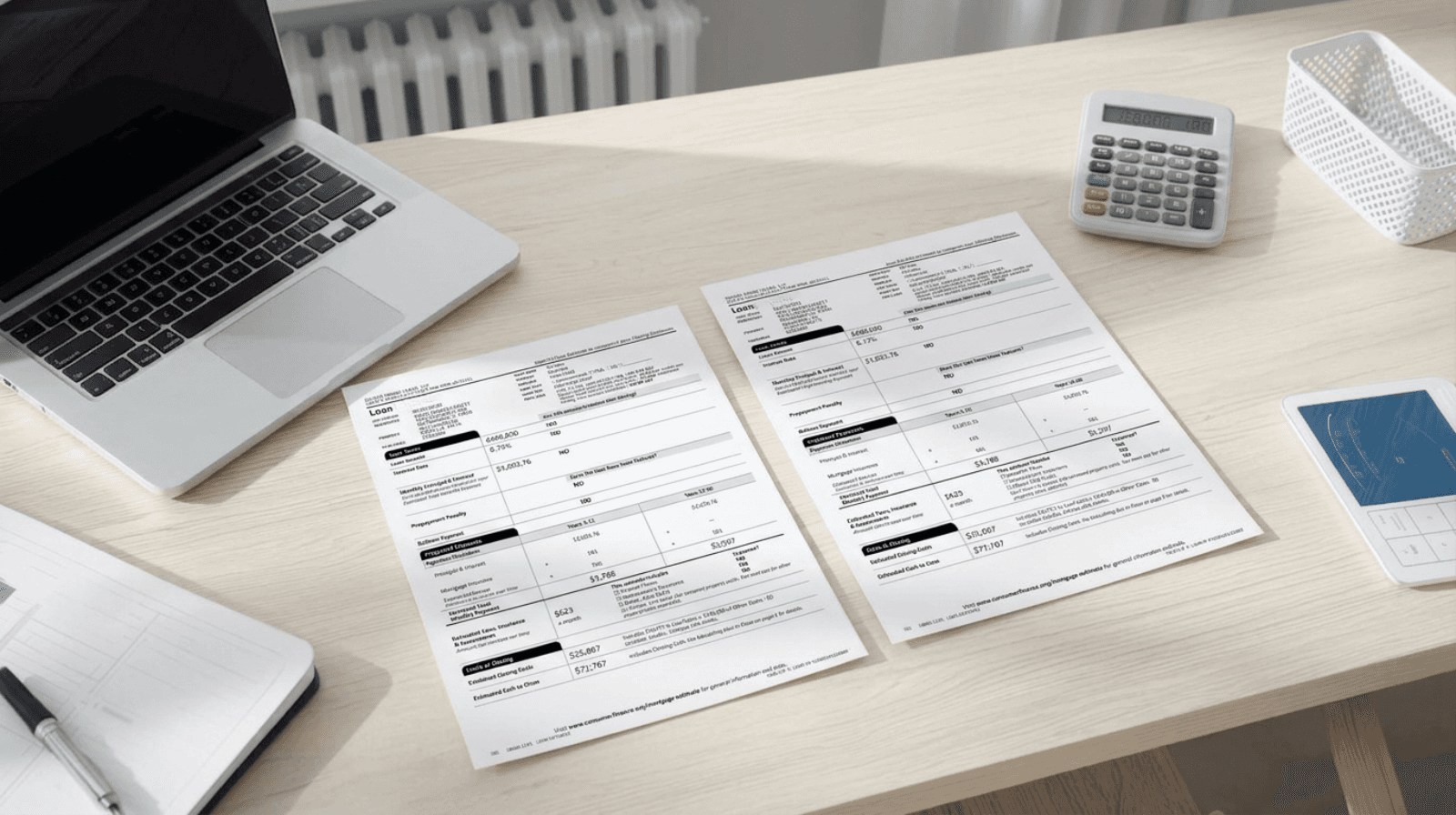
Everyone can shop around manually, but it requires patience and motivation. Fincast takes the work off your shoulders; all you need is a single Loan Estimate from any lender to upload to Fincast. With the information in your LE, you’ll secure offers from other vetted lenders to compete with your original offer.
You can compare the offers from each lender side by side to determine which makes the most sense and help you calculate your break-even point.
The best part is Fincast shares your Loan Estimate anonymously and without a hard credit check. You don’t have to worry about lowering your credit score or dealing with spam phone calls or emails because you shopped around for better terms.
Quick Self-Check: Is It Worth It For You?
Ask yourself these questions:
What’s my remaining balance and time left?
How long will I realistically stay in this home?
What will my closing costs be?
How much would I actually save each month at 6%?
Am I okay with my payoff date moving, or do I want to keep it close to its current date?
If all of the following are true, then refinancing from 6.5% to 6% may be worth it:
Your break-even point is comfortably before the date you think you’d move
You save a meaningful amount in total interest
The new payment and term fit your life,
If not, it’s completely valid to stick with your current mortgage and revisit down the road if rates drop more or your situation changes.
👉Before committing to a 6% refinance and potentially paying thousands in fees you don’t need to pay, upload one Loan Estimate to Fincast to see how different lenders stack up.
This content is for educational purposes only; seek professional advice from a financial advisor before making decisions.
Disclaimer: Nothing in this content should be considered financial advice. The examples and data shared are for general information only and may not reflect your personal situation. We do not guarantee the accuracy or completeness of the information provided. Always do your own research and speak with a qualified financial advisor before making any financial decisions.
Ready to Save On Your New Mortgage?