
Saving for a down payment is the biggest hurdle most first-time buyers face. When every dollar seems spoken for by rent, bills, student loans, and just living expenses, saving money for a down payment can feel impossible.
But here's the truth: you don't need to live on Ramen noodles or sacrifice everything you enjoy. With the right strategies and systems, you can build your down payment fund while maintaining your lifestyle. This guide shows you how to save strategically without feeling broke.
Key Takeaways
You Don't Need 20% Down:
Many first-time buyers often put down 3-9%. For example, a $300,000 home may require $9,000- $27,000, not $60,000.
Automate Your Savings:
Set up automatic transfers to a separate high-yield savings account so the funds are unavailable for spending.
Use the 50/30/20 Rule:
Allocate 50% of your income to needs, 30% to wants, and 20% to savings. Adjust the split to accelerate down payment savings.
Cut Painlessly:
Focus on high-impact reductions, such as housing, transportation, and subscriptions, instead of eliminating all small pleasures.
Boost Income Strategically:
Side hustles, bonuses, and windfalls can dramatically accelerate your timeline when directed entirely to your down payment fund.
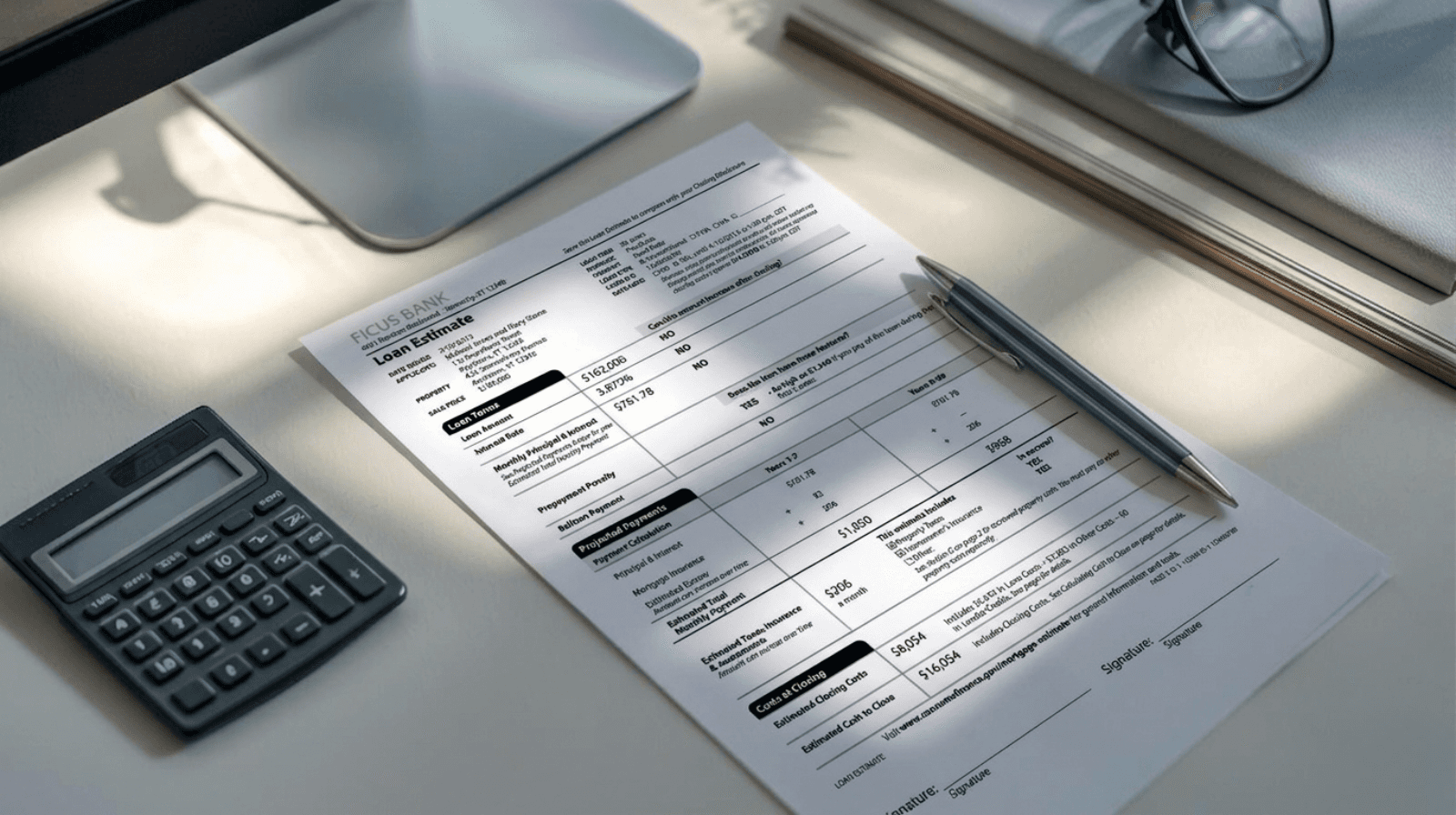
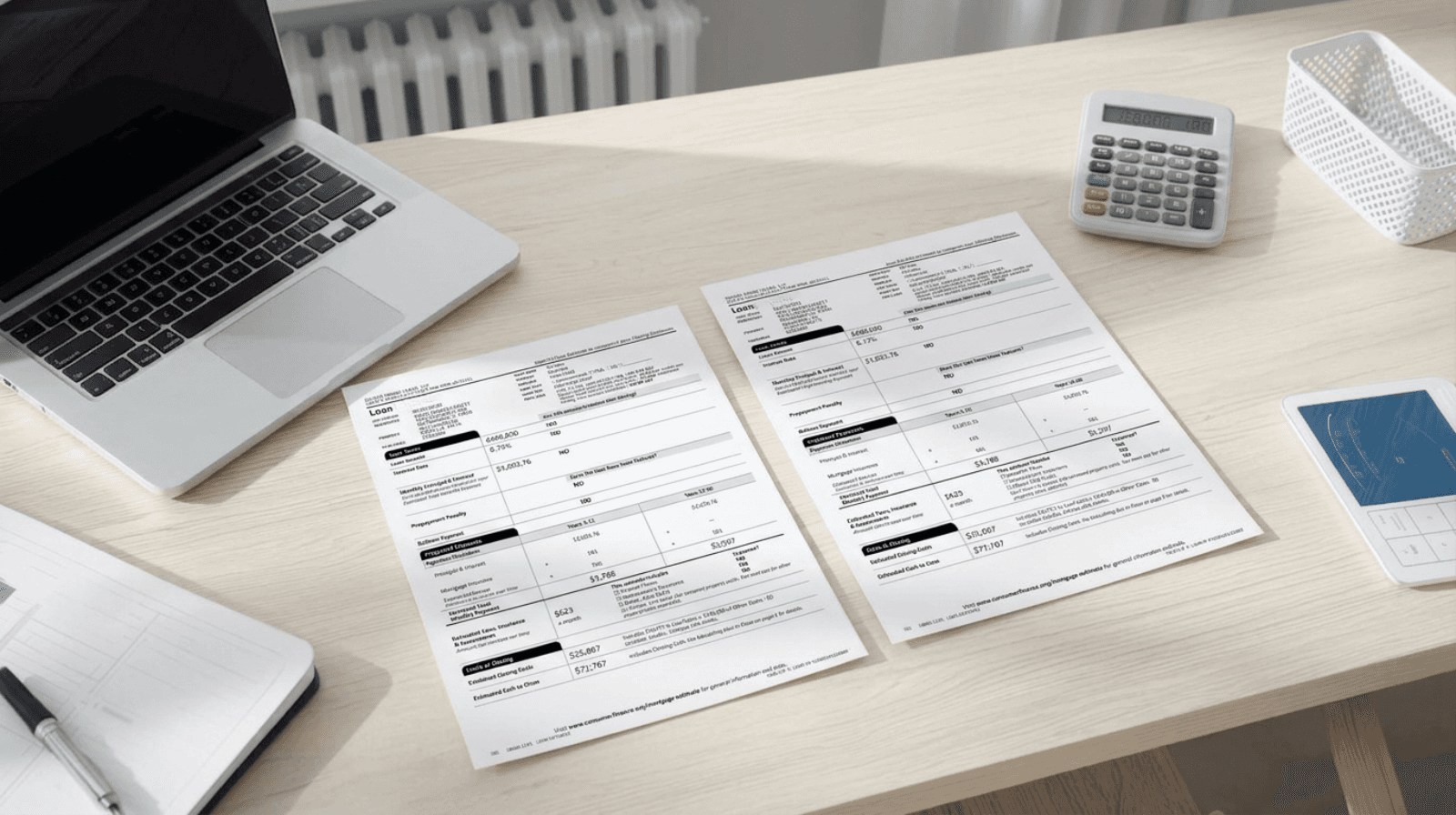
💡 Pro Tip: Once you've saved your down payment, maximize your purchasing power by exploring your loan options. Saving thousands of dollars is pointless if you’ll end up overpaying on your mortgage. Upload your Loan Estimate to Fincast and let vetted lenders compete to beat your rate.—
Reality Check: How Much Do You Actually Need? 💰
The 20% myth stops people before they start. Here's reality:
FHA Loans: Often allow 3.5% down
$10,500 on a $300,000 home.
Conventional Loans: Usually allow 3-5% down
$9,000-$15,000 on a $300,000 home.
USDA/VA Loans: Require 0% down
If you qualify for rural housing or are a veteran.
Add closing costs and reserves:
Plan for closing costs (2-5% of the purchase price on average) plus emergency savings.
Painless Strategies to Accelerate Your Savings 🚀
1. Automate Everything
Open a separate high-yield savings account for your down payment. Set up automatic transfers after payday—if you never see the money, you won't miss it. Start with 10% of your income and increase it gradually as you can afford.
2. Use the 50/30/20 Rule (Modified)
Standard: 50% of your income covers needs, 30% covers wants, 20% covers savings. To accelerate your savings, shift to the 50/20/30 rule—cut wants by 10%.
3. Master the Big Three Expenses
Housing, transportation, and food consume 60-70% of budgets, according to U.S. Bureau of Labor Statistics
. Small optimizations here have a massive impact:
Housing: Get a roommate or move temporarily
Transportation: Sell your car with a car payment and buy a cheaper one with cash, carpool, or use transit
Food: Meal prep, limit dining out, pack lunches
Cutting $500 per month from these three saves $6,000 annually.
4. The Subscription Purge
Cancel unused gym memberships, duplicate streaming services, and forgotten subscriptions. You can save an average of $100-$300 per month— $1,200-$3,600 annually.
5. Redirect Windfalls
Put 100% of tax refunds, bonuses, and raises into your down payment fund. These can shave 6-12 months off your timeline.
6. Side Hustle Strategically
An extra $500-$1,000 monthly adds $6,000-$12,000 annually. Direct every dollar to savings, not lifestyle inflation.
What NOT to Cut (Yes, Really) ☕
You'll burn out if you eliminate all joy. Keep these:
One coffee shop visit weekly — $5 won't break your timeline
Occasional dining out — reduce frequency, don't eliminate
Hobbies that keep you sane — find cheaper versions
Time with friends — shift to free activities
Healthcare — never skip this
Sustainable saving requires balance. Focus on high-impact cuts.
Sample Savings Timelines 📅
Here's how long it can take to save $25,000:
Saving $500/month: 50 months (4 years)
Saving $750/month: 33 months (2.75 years)
Saving $1,000/month: 25 months (2 years)
Saving $1,500/month: 17 months (1.4 years)
Down Payment Assistance Programs 🎁
Don't overlook free money:
State and Local Programs:
Many states offer grants or low-interest loans for first-time buyers.
Employer Programs:
Many large employers provide homebuyer assistance. Contact your HR department to determine your benefits.
IRA Withdrawals:
First-time buyers can withdraw up to $10,000 penalty-free for a down payment. *Consult with your tax advisor or a financial professional before doing this.
Gift Funds:
Family members may be able to gift funds for your down payment with proper documentation.
How Fincast Helps You Make Every Dollar Count 🚀
You sacrificed to save your down payment—now make sure it goes as far as possible. A better mortgage rate means lower monthly payments and more equity retained.
Here's how Fincast maximizes your hard-earned savings:
Get pre-approved with one lender and receive your Loan Estimate
Upload your Loan Estimate to Fincast, the secure platform that protects your information
Pre-screened lenders compete to see if they can offer better rates or terms based on your uploaded information
There are no extra credit pulls or unwanted phone calls. Even a small decrease in rate or slightly better terms may save you thousands over the life of the loan, making your down payment savings worth it.
FAQs
1. How much should I save per month?
Every person can save a different amount, but aim for 15-20% of your take-home pay. Start with 10% or the amount you can afford, and increase gradually if needed.
2. Should I delay buying to save 20% down?
Usually no. With 3-5% down, you start building equity immediately, and many lenders allow a lower down payment. Rising home values often outpace PMI costs, in many markets.
3. Where should I keep my savings?
High-yield savings accounts often offer attractive terms, but shop around to find the bank that pays the highest interest. Just be sure to keep it liquid and safe, only using FDIC-insured banks.
4. Can I use retirement funds?
First-time buyers may be eligible to withdraw $10,000 from an IRA penalty-free. However, you'll pay income tax and lose future growth. Always check with a financial professional before making these choices.
5. How do I stay motivated?
Track progress visually, celebrate milestones at $5,000 intervals, and follow home listings to keep your goal tangible.
Bottom Line
Saving for a down payment doesn't require living in deprivation. It requires strategic cuts, automated systems, and consistency over time.
You're ready to start house hunting when:
You have 3-9% saved for your target home price
You have an additional 2-5% of the purchase price for closing costs
You have 3-6 months of monthly expenses saved for an emergency fund remaining after the purchase
Your income is stable, and your credit is strong
You're ready for the responsibilities of homeownership
When you hit these milestones, get pre-approved and upload your Loan Estimate to Fincast to ensure your hard-saved down payment translates into the best possible mortgage terms.
Loan terms, lender participation, and potential savings vary by borrower and market conditions.
Pro Tips (Save These!)
Open a separate savings account that you can't easily access
Automate transfers the day after payday — never see the money
Focus on the Big Three: housing, transportation, food
Cancel subscriptions you forgot about
Direct 100% of windfalls and bonuses to your down payment fund
Research down payment assistance programs in your state
Action Checklist
Calculate your realistic target (3-9% down + 2-5% closing + reserves)
Open a high-yield savings account for a down payment only
Set up automatic transfers from checking to savings
Track all expenses for one month to find savings opportunities
Cancel unused subscriptions and memberships
Negotiate or reduce Big Three expenses (housing, transport, food)
Research state and local down payment assistance programs
Explore side hustle options if the timeline is too long
Redirect all windfalls directly to down payment savings
Once saved, get pre-approved with a lender
Upload your Loan Estimate to Fincast
👉 Down payment saved and ready to buy? Get pre-approved, upload your Loan Estimate to Fincast, and make every dollar you saved work harder for you.
Disclaimer: Nothing in this content should be considered financial advice. The examples and data shared are for general information only and may not reflect your personal situation. We do not guarantee the accuracy or completeness of the information provided. Always do your own research and speak with a qualified financial advisor before making any financial decisions.
Ready to Save On Your New Mortgage?