Refinancing may lower your monthly payment, reduce your interest rate, remove PMI, or help you switch loan programs — but what if you only have 15% equity? Is refinancing still possible? And is it a good idea?
Short answer:
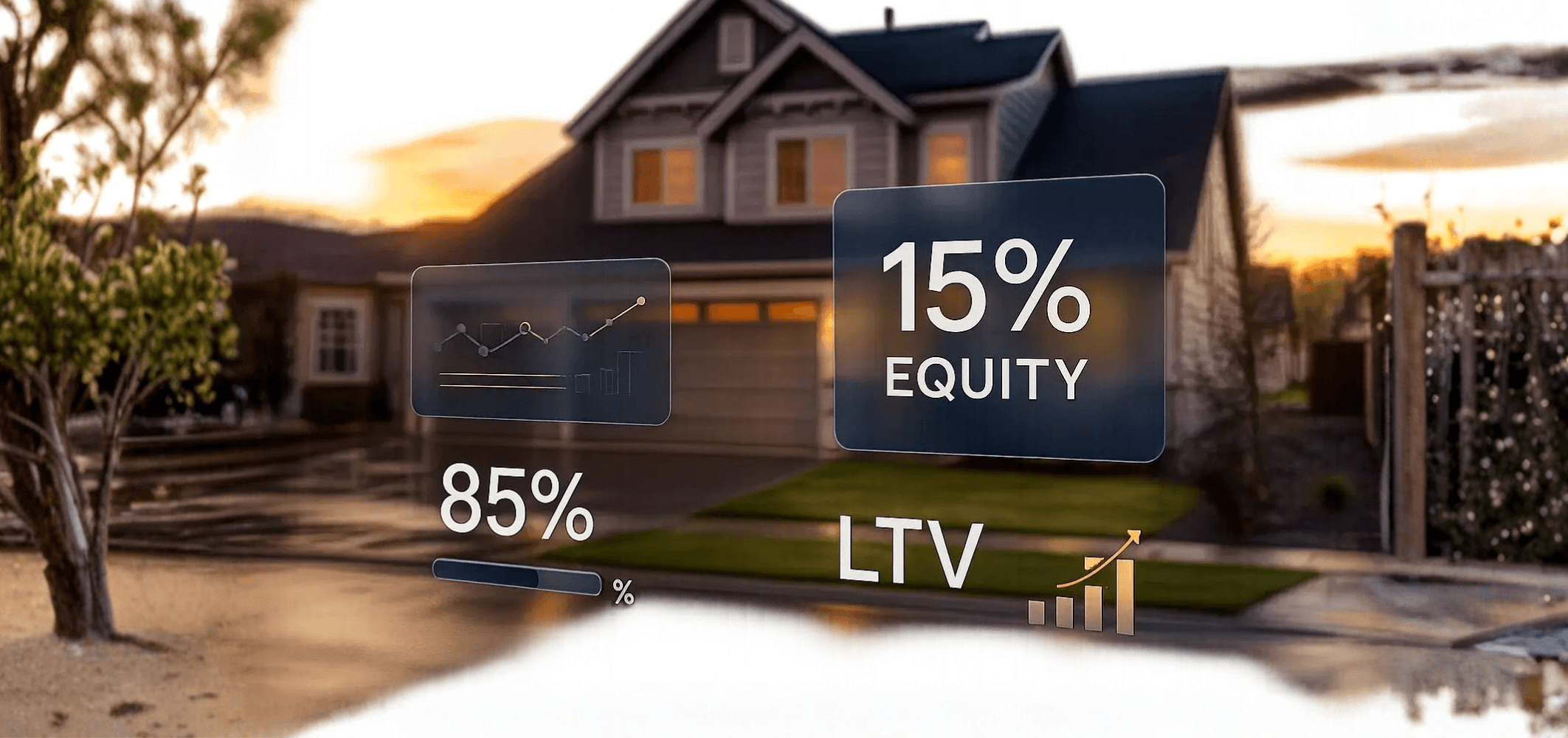
Yes, you may be able to refinance with 15% equity (85% LTV), and your options widen compared to 5–10% equity scenarios. Conventional, FHA, and VA refinances are all possible. However, PMI is still required on conventional refinances, and many lenders apply noticeable pricing adjustments at 85% LTV. Your credit score, DTI, and appraisal play an important role in approval and pricing.
This guide explains how to refinance with 15% equity, your rate expectations, PMI rules, and how to strengthen your approval odds — along with how to confirm whether your refinance offer is actually competitive.
Key Takeaways
You may be eligible to refinance with 15% equity (85% LTV)
PMI is required for conventional refinances with an LTV above 80%
85% LTV pricing is better than 90–95% LTV pricing, but it still often includes risk-based adjustments
Cash-out refinances are not allowed with only 15% equity for most loans
Appraisal accuracy is critical, as even a small valuation drop can push you into a more expensive LTV tier
💡 Pro Tip: Pricing can vary significantly between lenders even at the same LTV. Getting offers from multiple lenders and comparing them side by side is the only way to determine if you have a competitive deal.
Can You Refinance With 15% Equity?
Yes — 15% equity is enough to refinance through most major loan programs, but eligibility depends on your borrower profile.
At 85% LTV, you may have enough equity for:
✔ Conventional rate-and-term refinances
✔ FHA refinances
✔ VA refinances (no equity requirement on streamline)
However:
PMI stays in place for conventional refinances
Rates may include risk-based adjustments
Most lenders require solid credit and a manageable DTI
15% equity is a meaningful improvement over 5–10% equity, allowing more favorable pricing, in some cases, but not yet enough to remove PMI or unlock the best rates.
Refinance Options With 15% Equity (85% LTV)
1. Conventional Refinance
Conventional rate-and-term refinances allow up to 95% LTV, so 85% LTV is well within the eligibility range.
You can refinance if:
You meet the lender’s credit score requirements, often 680–700+
Your DTI is within lender range, usually ≤ 45%
Your appraisal supports the value
You have a stable income and payment history
Limitations:
PMI remains until you reach 80% LTV
Pricing adjustments apply at 85% LTV
You may not receive an appraisal waiver
Benefits vs. 90–95% LTV:
Lower PMI
Lower rate adjustments
Higher approval odds
Requirements vary by lender and the underwriting method used.
2. FHA Refinance
FHA refinances allow up to 97.75% LTV, depending on the lender’s seasoning requirements, so an 85% LTV fits well within the range.
Pros:
Lower credit score requirements (often 580+)
Higher DTI allowances
Consistent pricing across LTV tiers
Possible no-appraisal option with FHA Streamline
Cons:
Mortgage insurance premiums (MIP) required
MIP may last for the life of the loan, depending on your initial down payment when you bought the home
💡 Pro Tip: For borrowers with borderline credit or a higher DTI, FHA loans may help with eligibility. But don’t get caught up in the hype your first lender offers. Compare quotes from several lenders to ensure you have the most competitive terms.
Lender requirements vary for FHA loans, so shop around to find the lender whose requirements you meet.
3. VA Refinance
The VA offers a streamlined refinance program for borrowers with a current VA loan, called the VA IRRRL.
VA IRRRL Benefits:
No equity requirement
Often no appraisal
Very fast process
Exact requirements vary by lender.
VA Cash-Out:
Usually requires leaving 10–20% equity after closing, so 15% equity may or may not qualify, depending on the lender.
4. Jumbo Loans
Jumbo refinancing typically requires:
20–30% equity
Excellent credit (720–760+)
Lower DTI
Significant reserves
Many lenders require more than 15% equity to refinance a jumbo loan; however, with compensating factors such as strong credit or a low DTI, there may be exceptions.
How 15% Equity (85% LTV) Affects Your Refinance Pricing
Many lenders consider an 85% LTV in the mid-tier pricing category. It’s better than a 90–95% LTV, but not yet at the “preferred” 80% LTV threshold.
Rate Impact
At 85% LTV, conventional refinances may carry:
Slightly higher rates due to the higher LTV
Higher PMI premiums than 75–80% LTV loans
FHA and VA are less sensitive to LTV, but still price risk into certain scenarios.
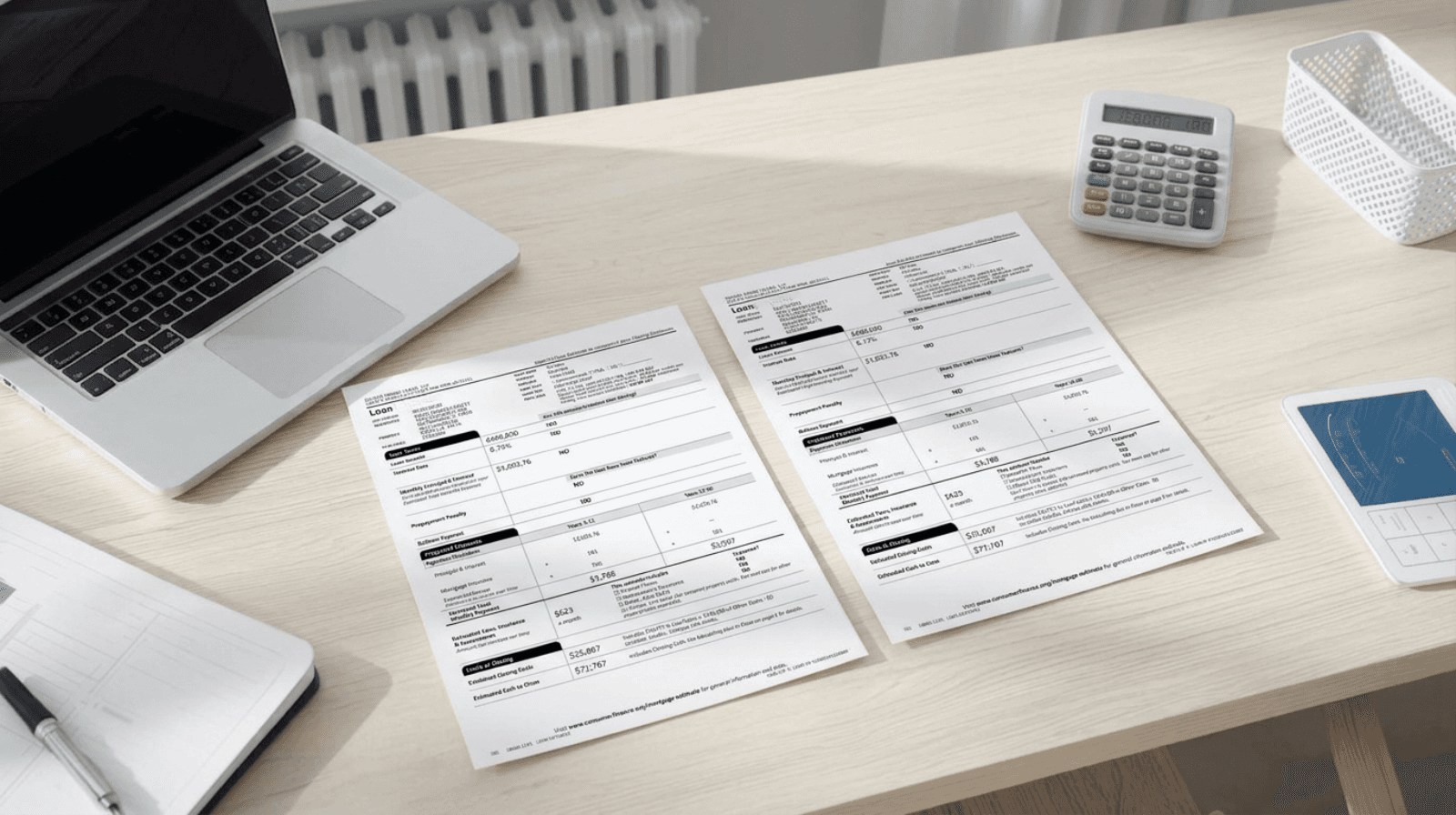
💡 Pro Tip: Not sure what your qualifications qualify you for? Apply for a refinance with your favorite lender. You’ll receive a Loan Estimate within three business days, which you can use to negotiate with other lenders.
PMI Requirements
Since you have an LTV above 80%, PMI is required for conventional loans.
At 85% LTV:
PMI is cheaper than at 90–95%
Removal may be possible once you reach 80% LTV
Closing Requirements
Underwriting at 85% LTV may involve:
More detailed asset verification
Reserve requirements
Slightly higher lender scrutiny
This varies widely across lenders, making comparison important.
💡Pro tip: Unsure whether your 85% LTV pricing is fair? Upload a single Loan Estimate to Fincast to see instantly whether your lender is competitive, without another credit pull.
When Refinancing With 15% Equity Might Not Make Sense
You may want to wait if:
Your rate improvement is small
PMI costs reduce monthly savings
You’re close to hitting 20% equity within months
You're switching into FHA and adding long-term MIP
Your break-even point exceeds your expected time in the home
Break-Even = Total Refinance Costs ÷ Monthly Savings
Compare this number carefully before moving forward.
How to Improve Approval Odds at 85% LTV
1. Boost Your Appraisal
Small improvements can help:
Landscaping
Fresh paint
Lighting updates
Decluttering
Providing strong comparable sales
Because you’re near the 80% PMI-removal threshold, even a slight value bump can have major benefits.
2. Make a Small Principal Payment
Paying down $3,000–$10,000 could:
Reduce your LTV
Lower PMI
Improve rates
Bring you closer to 80% LTV
3. Strengthen Your Credit
A 20–40 point improvement can meaningfully reduce pricing.
Focus on:
Lowering credit card balances
Avoiding new inquiries
Removing errors
Paying on time
4. Reduce Your DTI
Improve DTI by:
Paying off high-interest loans
Increasing documented income
Adding a co-borrower
Lenders tighten DTI standards at higher LTV.
5. Choose the Best Loan Program for Your Situation
FHA if credit/DTI needs flexibility
VA if eligible
Conventional if near 80% LTV
Alternatives If You Can’t Refinance Yet
If refinancing isn’t ideal at 15% equity, consider:
✔ Waiting and building equity
✔ Making a one-time principal paydown
✔ Switching to FHA or VA (if eligible)
✔ Improving your appraisal readiness
How Fincast Can Help
At 85% LTV, lenders price risk very differently. Two borrowers with the same credit, income, and equity can receive offers that differ by thousands of dollars simply because lenders structure pricing adjustments differently.
Fincast shows you in plain English whether your refinance offer is actually competitive or quietly overpriced.
Here’s how Fincast works:
Upload your Loan Estimate
Fincast analyzes your offer
Vetted lenders compete to beat your offer
You choose the best deal
For mid-range LTV scenarios, such as 85%, benchmarking is especially important because pricing can vary so much.
FAQs: Refinancing With 15% Equity
1. Can I refinance with 15% equity?
Yes — conventional, FHA, and VA refinances all allow it, but you must meet the requirements to qualify.
2. Do I need PMI at 85% LTV?
Yes. PMI is required for conventional refinances with an LTV above 80%.
3. Can I do a cash-out refinance with 15% equity?
No. Most lenders require 20–25% equity after closing for a cash-out refinance.
4. How does 15% equity affect my refinance rate?
Every lender prices differently, but rates may include modest risk-based adjustments, depending on your borrower profile.
5. What if my appraisal comes in low?
You may need to:
Pay down the loan
Reduce the loan amount
Switch loan programs
Delay refinancing
6. When can I remove PMI?
Once your LTV reaches 80%, either through appreciation or loan paydown.
Bottom Line
Yes — refinancing with 15% equity can be possible. You may qualify for most major loan programs, though PMI remains, and rates may include some high-LTV adjustments. With strong credit, stable income, and a solid appraisal, you can still secure a competitive refinance.
Because lenders structure 85% LTV pricing very differently, the smartest step you can take is to benchmark your offer before committing.
👉 Before you lock an 85% LTV refinance, make sure the pricing is actually competitive. Upload your Loan Estimate to Fincast and see whether vetted lenders can beat it. There’s no spam and no extra credit pull.
This blog is for educational purposes only and not financial or legal advice. Consult with a licensed mortgage professional for personalized guidance.
Disclaimer: Nothing in this content should be considered financial advice. The examples and data shared are for general information only and may not reflect your personal situation. We do not guarantee the accuracy or completeness of the information provided. Always do your own research and speak with a qualified financial advisor before making any financial decisions.
Ready to Save On Your New Mortgage?