
One of the first questions homeowners ask when considering a refinance is:
👉 “What will my new monthly payment be?”
Your refinance payment depends on your loan balance, interest rate, loan term, and whether PMI changes. Even small adjustments to these factors can raise or lower your payment by hundreds of dollars per month.
This guide provides a simple calculator, sample payment comparisons, clear formulas, and step-by-step instructions to help you estimate your payment with confidence.
Key Takeaways
✅ Refinance payment = principal + interest + PMI (if applicable)
✅ A 0.5%–1.0% rate reduction often saves roughly $100–$300+ per month, depending on loan size, rate, and individual circumstances
✅ Extending your loan term lowers your payment — shortening it raises your payment
✅ Removing PMI can lower your payment by a few hundred dollars per month, depending on the loan size
Refinance Payment Calculator (Quick Table)
Below is a fast comparison showing how your payment changes at common loan sizes and rates (30-year fixed).
Monthly Payment Comparison: 7%, 6.5%, 6%, 5.5%, 5%
Loan Amount | 7.0% | 6.5% | 6.0% | 5.5% | 5.0% |
$250,000 | $1,663 | $1,580 | $1,499 | $1,420 | $1,342 |
$300,000 | $1,996 | $1,895 | $1,799 | $1,704 | $1,611 |
$400,000 | $2,661 | $2,527 | $2,398 | $2,272 | $2,149 |
$500,000 | $3,327 | $3,159 | $2,998 | $2,840 | $2,685 |
These examples assume a new 30-year fixed-rate loan and are for educational illustration only. Actual interest costs depend on loan terms, lender pricing, credit profile, and market conditions. Estimates exclude taxes, insurance, and HOA costs, which may affect your actual monthly payment.
💡 Pro Tip: For every $100k in loan amount, a 1% rate drop typically reduces your payment by $55–$65 per month.
How to Calculate Your Refinance Payment (Formula)
Your mortgage payment is based on the standard amortization formula:
Mortgage Payment Formula
P = (r · L) / [1 − (1+r)^−n]
Where:
P = Monthly payment
L = Loan amount (principal)
r = Monthly interest rate (annual rate ÷ 12)
n = Total number of payments (loan term in years × 12)
But you don’t have to calculate this by hand — the examples below show exactly how it works.
Real Examples: What Your Payment Will Be After Refinancing
Example 1: Refinancing from 7% to 6% ($400,000 Loan)
Old Payment (7%):
$2,661/mo
New Payment (6%):
$2,398/mo
Payment Change:
📉 $263 less per month
Example 2: Refinancing from 6.5% to 6% ($500,000 Loan)
Old Payment (6.5%):
$3,160/mo
New Payment (6%):
$2,998/mo
Payment Change:
📉 $162 less per month
Example 3: Refinancing From 6% to 5% ($300,000 Loan)
Old Payment (6%):
$1,799/mo
New Payment (5%):
$1,611/mo
Payment Change:
📉 $188 less per month
Example 4: Refinancing to Remove PMI ($350,000 Loan)
Rate savings:
$140/mo
PMI savings:
$180/mo (assumes ~0.6% PMI rate, for illustration)
Payment Change:
📉 Total savings = $320/mo
Removing PMI often creates the biggest payment reduction.
How Your Loan Term Affects Your New Payment
Your payment depends not only on your interest rate — the loan term matters too.
1. Refinancing Into a New 30-Year Term (Lower Monthly Payment)
Spreads your balance over a longer schedule → reduces payment.
Example:
$400k at 6%
30-year payment: $2,398/mo
2. Refinancing Into a 20- or 15-Year Term (Higher Monthly Payment)
Shorter terms raise monthly payments but reduce interest.
Example:
$400k at 5.5%
15-year payment: $3,271/mo
💡 Pro Tip: A higher payment doesn’t mean refinancing is bad — it often leads to significant total interest savings.
PMI and Your Refinance Payment
Your new payment will change significantly if PMI changes.
PMI Adds to Your Payment If:
You refinance above 80% LTV
Your credit score affects pricing
You switch from FHA to Conventional (rare PMI increase)
PMI Is Removed If:
Your refinance puts you below 80% LTV
Your home value has increased
You switch from FHA to Conventional with strong equity
Step-by-Step: How to Calculate Your Refinance Payment
Step 1: Find your remaining loan balance
(From your mortgage statement or loan servicer)
Step 2: Get refinance rate quotes
From at least 2–3 lenders.
Step 3: Choose a loan term
30-year, 20-year, or 15-year.
Step 4: Use a mortgage calculator
Enter balance + rate + term → get new payment.
Step 5: Adjust for PMI
Add or remove PMI based on the new LTV.
Step 6: Subtract your old payment
This gives your monthly savings.
💡 Pro Tip: If you restart your loan term, consider making your old payment — you’ll pay off years early without noticing a difference.
When Refinancing Will Lower Your Payment
You’re likely to benefit if:
✔️ Your rate drops 0.5% or more
Many borrowers realize significant savings with at least a 0.5% rate drop.
✔️ Your loan balance is $300k+
Higher balances often amplify savings, depending on the market.
✔️ You remove PMI
One of the fastest ways to lower your payment.
✔️ You switch to a new 30-year term
Extending the timeline lowers the monthly cost.
When Refinancing Will Increase Your Payment
Refinancing may raise your payment if:
❌ You choose a shorter term (15 or 20 years)
Higher monthly payment, lower total interest.
❌ Your PMI is added or increased
PMI can offset rate savings.
❌ Your loan balance increases
If you roll closing costs into the loan.
❌ You shorten your amortization
Paying off the home faster means a higher monthly cost.
How Fincast Helps You See Your True Refinance Payment
Lenders don’t always make it easy to compare payments. They often vary:
Rate quotes
Discount points
PMI rules
Closing costs
Lender credits
APR structures
Fincast helps you see whether your refinance offer is actually competitive.
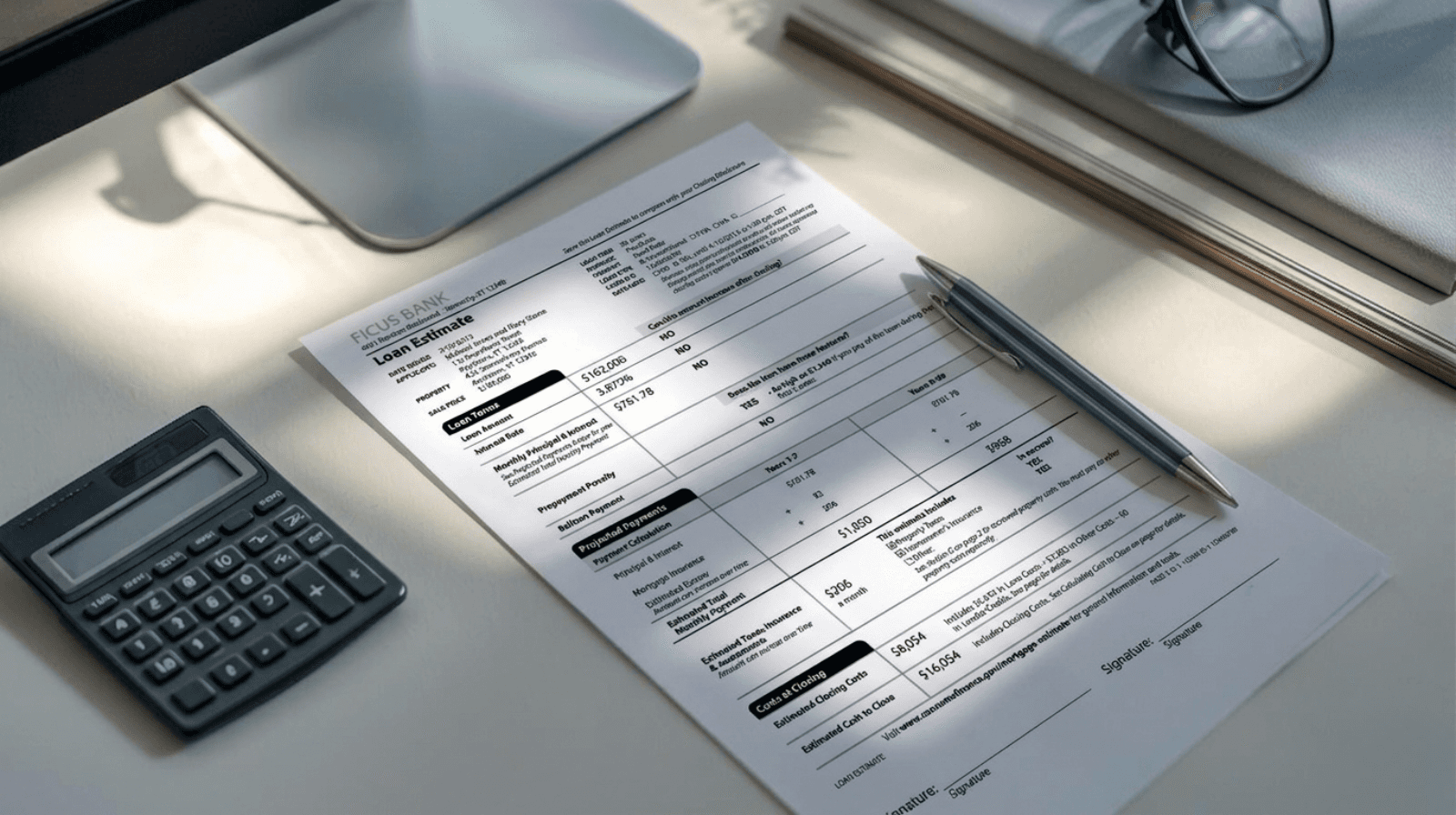
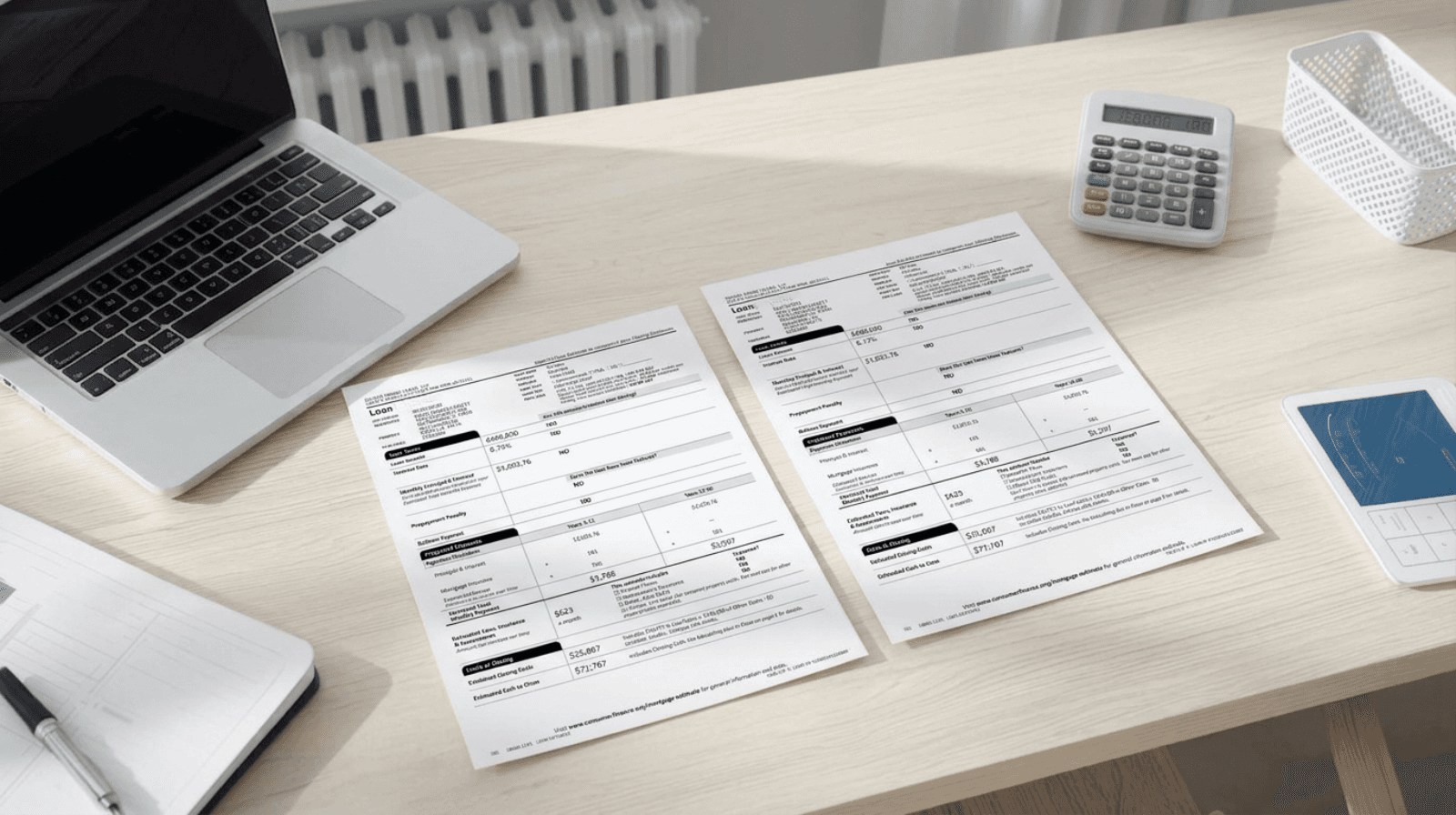
1️⃣ Upload your Loan Estimate securely
2️⃣ Vetted lenders review the deal
3️⃣ Some may present alternative offers
4️⃣ You compare your options — no extra credit pulls, no spam calls
Even modest payment reductions can add up to significant annual savings.
Even tiny differences in rates or fees can significantly change your payment.
FAQs: What Will My Payment Be If I Refinance?
1. How do I calculate my refinance payment?
Use your loan balance, new rate, and term in a mortgage calculator.
2. Will my payment always go down?
No, it depends on your new loan terms. Shorter terms and changes in PMI can increase it.
3. Does refinancing into a 30-year term lower payments?
Yes, it spreads the loan out, which reduces the monthly cost, but increases the total interest paid.
4. How much can I save per month?
Many homeowners save $100–$300+, depending on the rate drop and loan size, but every situation is different.
5. Can removing PMI lower my payment?
Yes, many homeowners lower their payments when they remove PMI, but the exact amount depends on your loan size and PMI rate.
6. Should I refinance if my payment only drops a little?
It’s important to look at the big picture to determine if refinancing is worth it. This is exactly what Fincast helps you evaluate — the full picture of rates, fees, and the break-even point.
Bottom Line
Refinancing changes your monthly mortgage payment based on interest rate, loan term, and PMI. Even small rate drops or PMI removal can save $100–$350+ per month, but shorter terms or rolled-in costs may increase payments. Always compare the new payment to your current one and factor in your long-term goals.
👉 See your true refinance payment. Upload your Loan Estimate to Fincast. Vetted lenders may review your deal and present alternative offers — compare rates, fees, and terms without extra credit pulls or spam calls.
refinance-payment-calculator-guide
Disclaimer: Nothing in this content should be considered financial advice. The examples and data shared are for general information only and may not reflect your personal situation. We do not guarantee the accuracy or completeness of the information provided. Always do your own research and speak with a qualified financial advisor before making any financial decisions.
Ready to Save On Your New Mortgage?