
If you’re thinking about refinancing but worried your credit score is “too low,” you’re far from alone. Many homeowners assume bad credit automatically disqualifies them — or that refinancing will be too expensive to make sense.
Here’s the truth:
Refinancing with bad credit in 2026 may be possible.
Your options may be different, and your rates may be higher, but refinancing is still possible — and in some cases, it can even improve your financial situation immediately.
This guide breaks down what “bad credit” means in a mortgage context, which refinance programs are still available, how lenders evaluate low-credit borrowers, and how to use the Fincast platform to help you get the most competitive deal.
Key Takeaways
Refinancing with bad credit may be possible, but the loan type matters.
FHA and VA loans offer the most flexibility for borrowers with low credit scores.
Conventional refinances typically require a score of 620 or higher, but options remain for those below that threshold.
Cash-out refinances are harder but not impossible with lower scores.
Rates and fees may be higher — but refinancing may still create meaningful savings.
💡 Pro Tip: Because lender pricing can vary widely even for the same loan and borrower, it’s important to get multiple offers and compare them side by side.
What Counts as “Bad Credit” When Refinancing?
Lenders categorize credit differently than credit card companies do.
Here’s how credit scores typically translate for mortgage pricing:
Actual credit score ranges vary by lender, as each lender can have their own overlays.
740+ = Elite
700–739 = Strong
660–699 = Good
620–659 = Fair
580–619 = Poor
Below 580 = Very Poor (still possible with FHA)
If your score is below 620, you’re in the “bad credit” refinance range for conventional loans — but not for FHA or VA.
Can You Refinance with Bad Credit in 2026?
It may be possible to refinance with bad credit in 2026 with the following:
FHA refinances allow scores as low as 580, sometimes lower
VA refinances (if eligible) have no official minimum score
FHA Streamline refinances may not require a credit score at all
Some portfolio lenders may allow scores as low as 500–550
Conventional refinances require a 620+ score, but alternatives can bridge the gap
Your options depend primarily on:
Your current loan type
Your loan-to-value (LTV)
Your credit history, not just your score
Your income stability
Let's break down your real options.
💡 Pro Tip: Two borrowers with identical 600 credit scores can receive offers with total costs that differ by $ 20,000 or more. Always compare. Don’t accept the first offer you are given.
Best Refinance Options for Bad Credit Borrowers
Below are the most accessible refinance programs for borrowers with low credit scores in 2026.
FHA Refinance
FHA is often the top choice for homeowners with bad credit. Depending on lender overlays, it often allows lower scores than conventional loans and has more forgiving underwriting guidelines.
FHA Rate-and-Term Refinance
Minimum score: 580
Some lenders allow 500–579 credit scores with more equity
Great option if your current loan isn’t an FHA loan
FHA Cash-Out Refinance
Many lenders require 620–640 credit scores
Some allow 600 credit scores or slightly lower
Harder to qualify with very low scores
Why FHA Works for Bad Credit
More flexible DTI
Lower pricing hits for low scores
Government-backed = more lender comfort
Often, lower rates for sub-620 borrowers
FHA Streamline Refinance
If your current loan is FHA, this is your strongest option.
Benefits:
FHA doesn’t mandate a specific credit score
Many lenders only require a 580 credit score
No appraisal in most cases
No income verification
Very fast approval
For borrowers with bad credit, FHA Streamline is often the fastest and cheapest refinance option, but requirements vary by lender, so be sure to evaluate all your options.
VA Refinance
VA loans offer exceptional flexibility, especially for borrowers with lower credit scores, but are only open to veterans and their eligible spouses.
VA IRRRL (Streamline Refinance)
No official minimum score
Many lenders approve 580–620
Minimal documentation
VA Cash-Out Refinance
Most lenders want 620+ credit scores
Some allow 580–600 credit scores
Actual requirements vary by lender.
Conventional Refinance
Conventional refinances typically require:
Minimum Score: 620
If your score is below that, you might have a harder time qualifying — but you may be able to:
Use FHA as a bridge refinance
Raise your score and try again
Apply for a loan with a portfolio lender who keeps the loans on their books and may have less stringent requirements
Non-QM Refinance
For borrowers with very poor credit or unique financial situations:
Non-QM lenders sometimes allow:
Scores as low as 500–550
Bank-statement qualification
High DTI loans
Flexible documentation
Drawbacks
Higher rates
Higher fees
Stricter terms
More limited lender pool
This option can help if you need to refinance urgently.
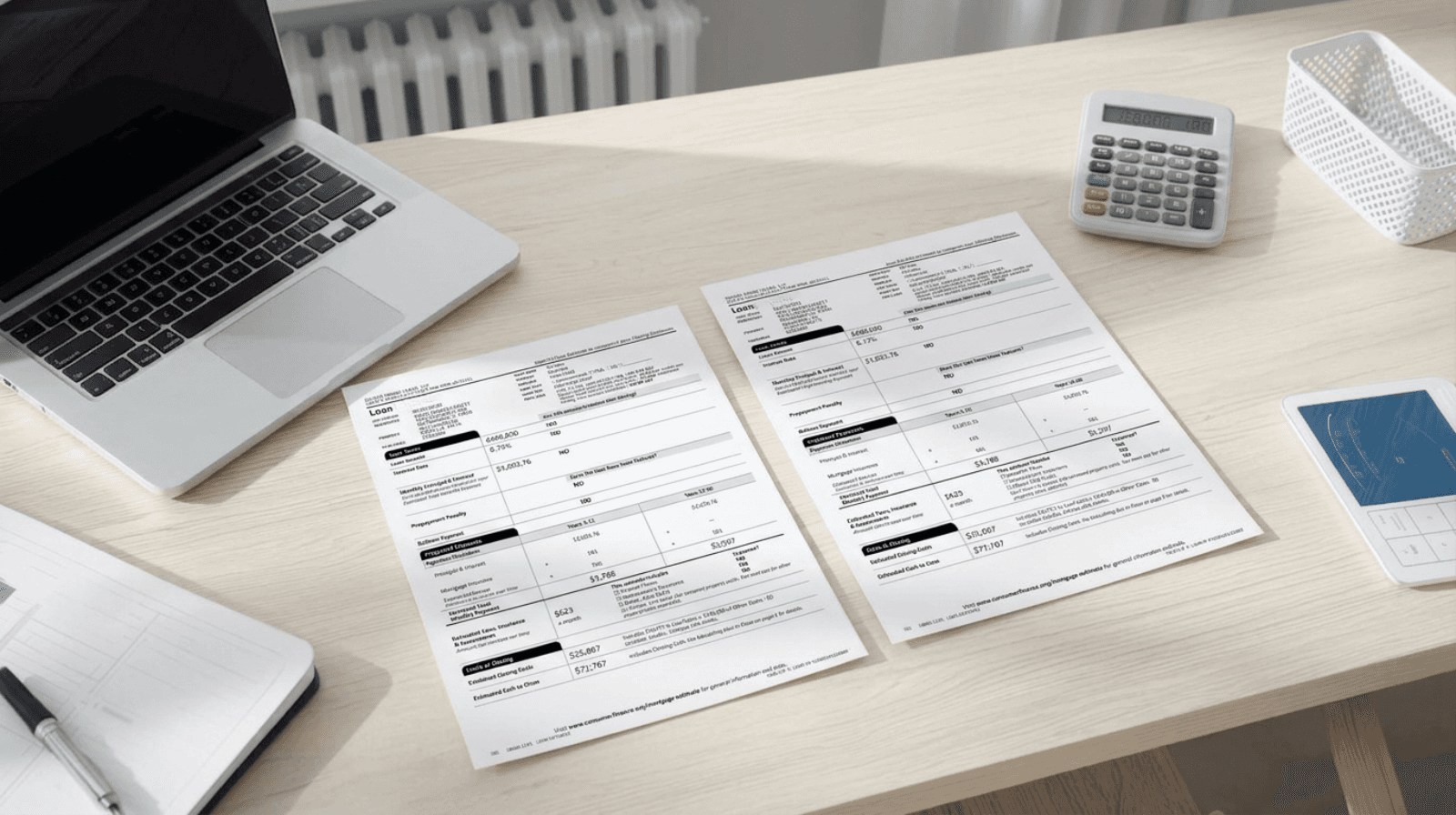
💡Pro tip: Two lenders could analyze the same score and produce wildly different offers. This is exactly where Fincast gives homeowners a significant advantage. Upload a single Loan Estimate and get competing offers to see where your offer stands.
How Lenders Evaluate “Bad Credit”
Lenders don’t just look at your score — they analyze:
1. Payment History
Recent late payments matter more than old ones.
2. Debt-to-Income Ratio
Low credit + high DTI = tougher approvals.
3. Loan-to-Value (LTV)
More equity = better approval odds.
4. Income Stability
Consistent income helps offset lower scores.
5. Type of Refinance
Streamline refinances are much easier than cash-out refinances.
When Refinancing With Bad Credit May Make Sense
Refinancing with bad credit can still be smart if:
1. You’re lowering your interest rate
Even a 0.50–1.00% reduction can save thousands over the life of the loan. Example: On a $300,000 loan, reducing your rate from 7.5% to 6.5% saves approximately $65,000 in interest over 30 years.
2. You’re switching from ARM to fixed
Stability can matter more than the exact rate.
3. You’re consolidating high-interest debt
Rolling credit card balances with interest rates above 20% into a mortgage can dramatically improve monthly cash flow.
4. You’re removing a co-borrower
Divorces, separations, or estate matters often require quick action.
5. You’re cleaning up a past financial hardship
A refinance can help stabilize your finances while your credit recovers.
How to Try Improving Your Credit Before Refinancing
Low-credit borrowers often see quick gains by:
1. Paying down credit card utilization
The lower your credit card balances are compared to your available credit, the better it is for your credit score.
2. Removing reporting errors
Errors happen all the time on credit reports and can hurt your score unnecessarily. Reporting the errors to the appropriate credit bureau can help your credit score.
3. Avoiding new credit inquiries
Each time you apply for new credit, the lender pulls your credit report, which may lower your score by a few points. Avoid new inquiries to let your score improve.
4. Paying on time for 3–6 months
Consistency matters more than the score itself. Payment history is the largest part of the credit score, so on-time payments can help improve your score.
Why Lender Shopping Is Essential for Bad Credit Borrowers
Lenders treat bad-credit borrowers differently:
Some specialize in low scores
Some charge high fees
Some require points
Some overprice by thousands
Some decline loans, others approve
Some require large equity cushions
Some have more flexible overlays
This is exactly why you should never accept the first quote — and why Fincast exists.
How Fincast Helps
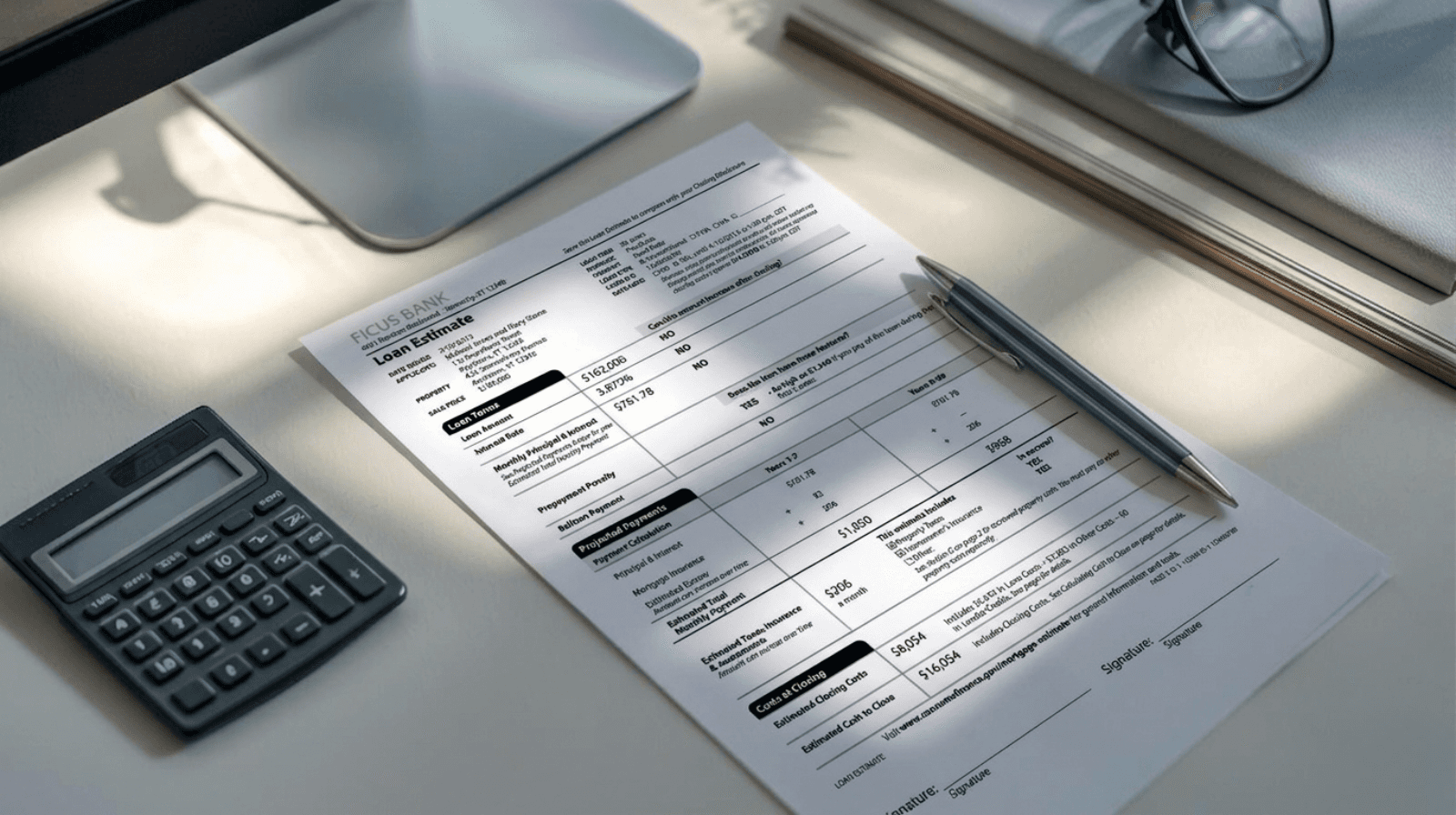
Lenders often assume low-credit borrowers won’t shop around because it’s time-consuming and confusing. Fincast helps alleviate the overwhelm. All you need is a single Loan Estimate from your preferred lender.
How it works:
1. Upload your Loan Estimate
No extra credit pull.
No new application.
No commitment.
2. Fincast analyzes your pricing
The platform breaks down:
Rate
APR
Fees
Points
Credits
FHA/VA vs conventional tradeoffs
Cash-out pricing
3. Vetted lenders anonymously compete to beat your offer
Your identity stays hidden — so there’s no spam. Lenders make offers if they can compete with what you’ve been offered.
4. Clear, transparent comparison
If your offer is fair, Fincast confirms it. If not, you’ll see your savings instantly.
FAQs: Refinancing with Bad Credit
Can I refinance with a 580 score?
FHA guidelines state borrowers can have a 580 credit score, but it depends on various lender overlays.
Can I refinance a conventional loan with bad credit?
Many conventional lenders require credit scores of at least 620, but it varies by lender.
Can I cash out with bad credit?
It depends on your full borrower profile and the lender's requirements.
Does refinancing hurt my credit?
Your score may drop slightly due to the new credit inquiry and the addition of a new loan on your credit report. However, with on-time payments, it should be temporary.
Will refinancing help me rebuild credit?
Yes — consistent payments can improve scores over time.
Bottom Line
Refinancing with bad credit in 2026 may be possible. Your loan options may be different, your rates may be higher, and underwriting may be stricter — but refinancing may be an option. FHA, VA, Streamline, and non-QM loans provide viable paths for low-credit borrowers.
Because lenders price low-credit files very differently, comparing offers is crucial. That’s where Fincast gives you the power to ensure you’re not overpaying.
Action Checklist
☑️ Check your current credit score
☑️ Identify which refinance programs you qualify for (FHA, VA, Streamline, etc.)
☑️ Request your Loan Estimate
☑️ Upload your LE to Fincast
☑️ Compare lenders anonymously
☑️ Choose the refinance that saves you the most
👉 Ready to see your real refinance options — even with bad credit?
Upload your Loan Estimate to Fincast, and let vetted lenders compete anonymously to give you their best pricing — no spam, no extra credit pulls, just real savings.
This article is for educational purposes only and does not constitute personalized financial or credit advice. Loan requirements, credit score minimums, and pricing vary significantly by lender, loan type, and individual borrower circumstances. Consult with a licensed mortgage professional for guidance specific to your situation.
Disclaimer: Nothing in this content should be considered financial advice. The examples and data shared are for general information only and may not reflect your personal situation. We do not guarantee the accuracy or completeness of the information provided. Always do your own research and speak with a qualified financial advisor before making any financial decisions.
Ready to Save On Your New Mortgage?