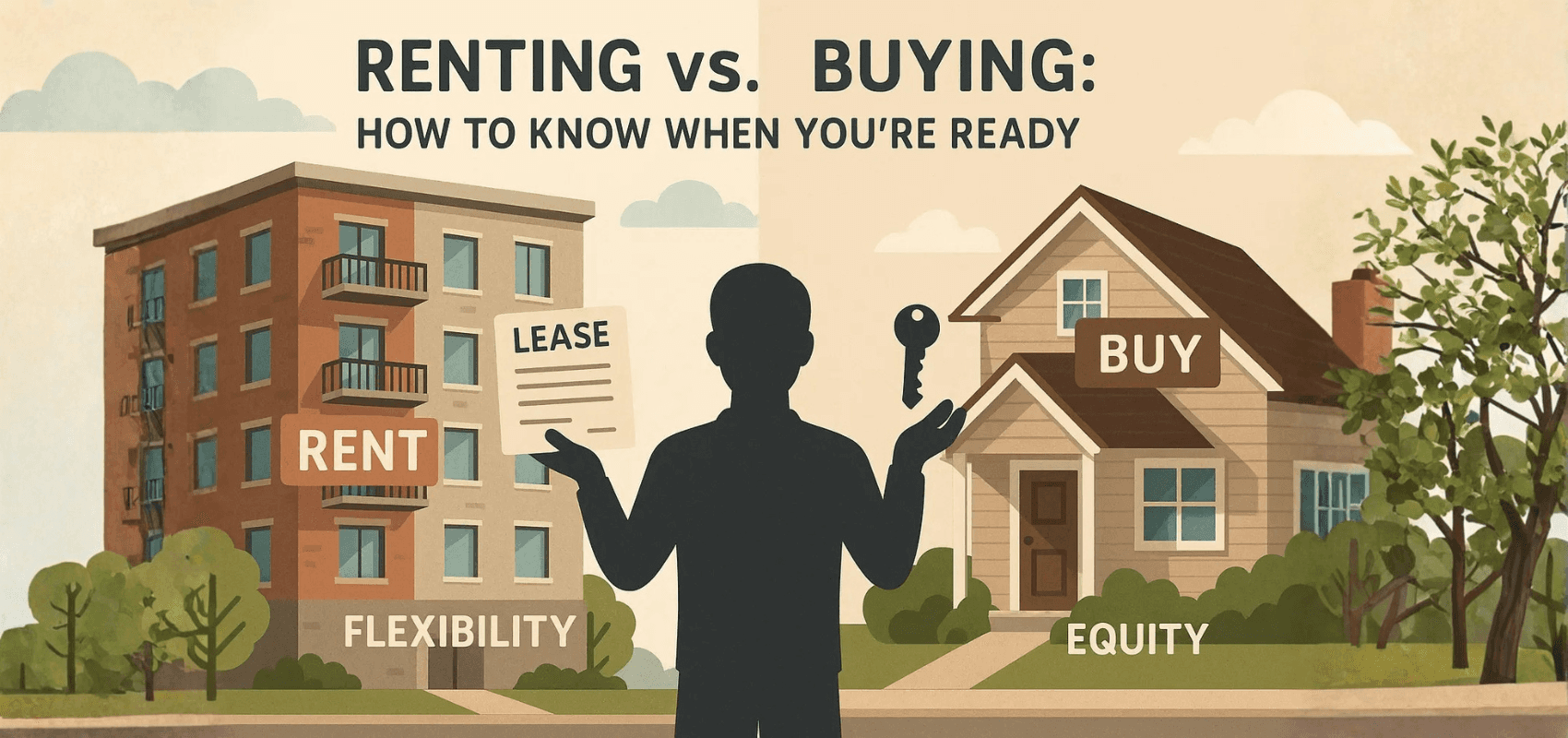
The rent vs. buy debate isn't just about money — it's about timing, lifestyle, and long-term goals. While homeownership builds wealth and offers stability, renting provides flexibility and lower upfront costs.
So how do you know when you're ready to buy? This guide breaks down the financial, lifestyle, and market clues that suggest it's time to shift from renting to owning.
Key Takeaways
Financial Readiness is Key:
Beyond the down payment, you need a stable income, good credit (620+ for conventional loans or 580 for FHA loans), emergency savings, and the ability to cover annual maintenance costs.
Consider The 5-Year Rule:
Plan to stay at least 5 years to recoup closing costs and build equity. Shorter timelines favor renting.
Know Your Lifestyle and Goals:
Career stability, family plans, and desire for control over your space all influence whether buying makes sense.
Market Timing Isn't Everything:
Trying to time the market perfectly is difficult. Focus on your personal readiness and long-term plans instead.
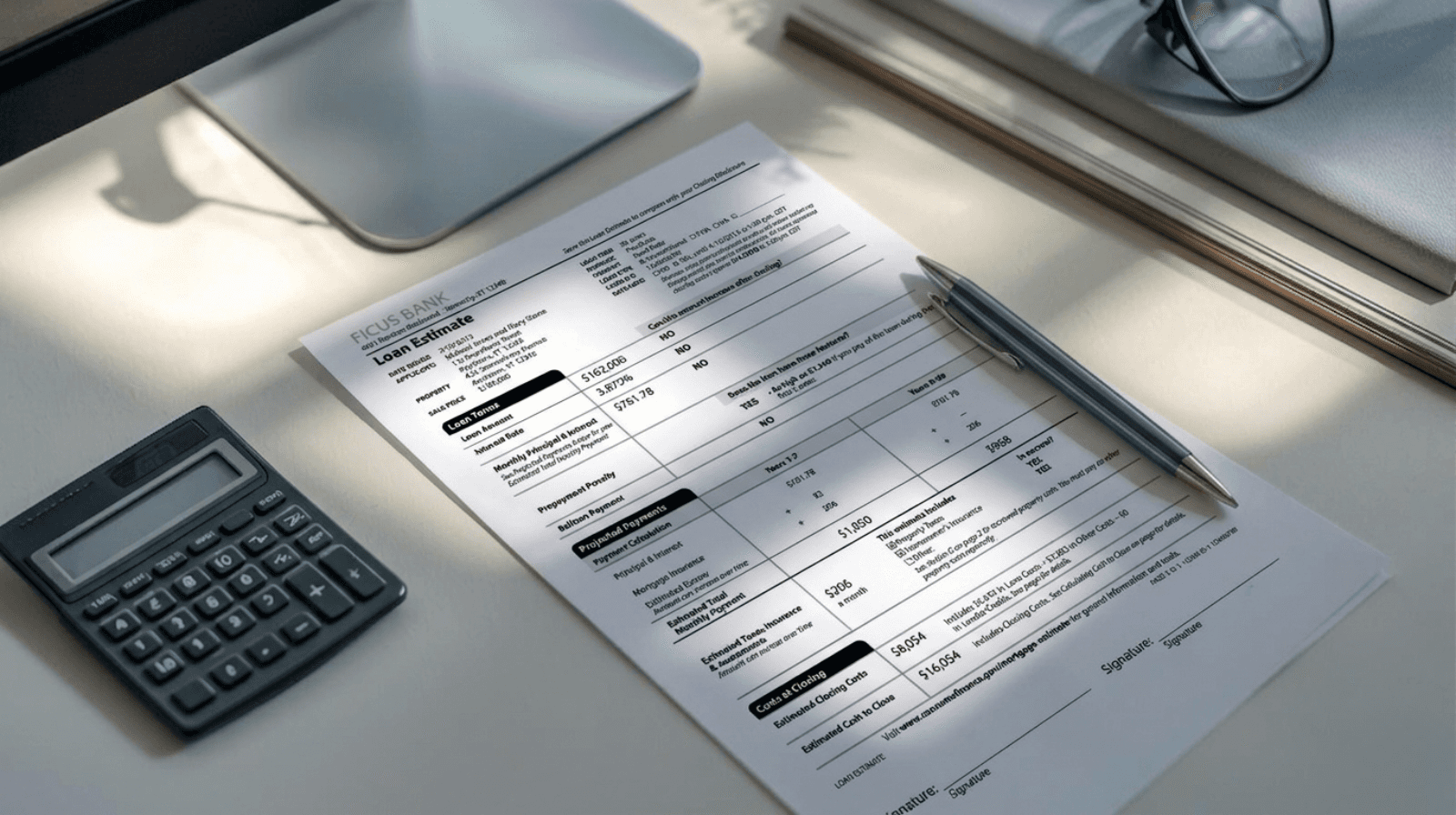
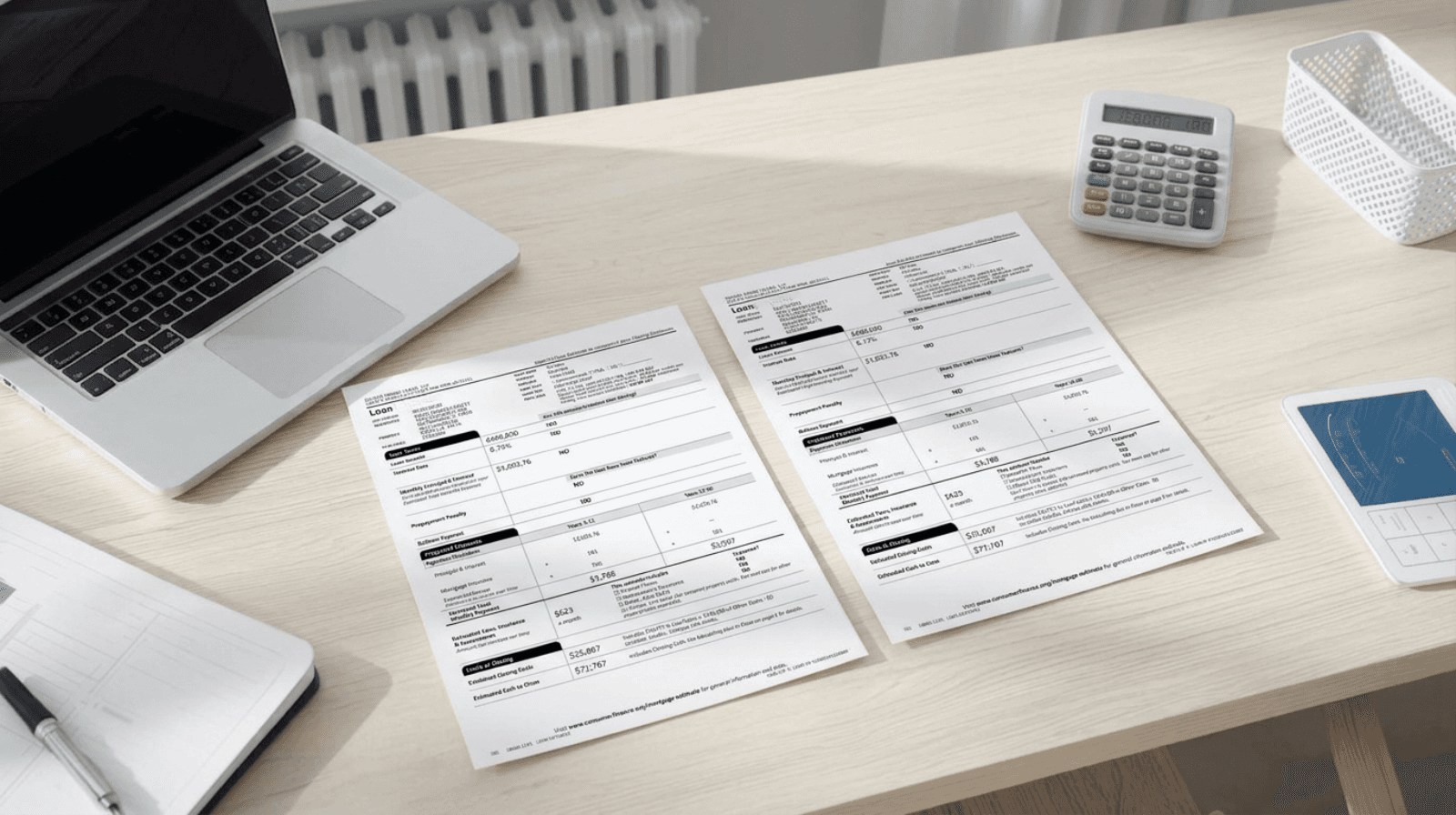
💡 Pro Tip: Once you decide to buy, don't settle for the first mortgage offer. Upload your Loan Estimate to Fincast and let vetted lenders compete to beat your rate. There are no hard credit pulls or annoying spam calls.
Signs You're Financially Ready to Buy 💰
You Saved a Down Payment:
Most first-time buyers put down less than 10%. You may be ready to house hunt if you have your target down payment plus closing costs (2-5% of the purchase price) saved.
Your Credit Score is 620+:
While FHA accepts 580+, aim for 620+ for more attractive loan options and 740+ for the best rates.
Your Income is Stable:
Lenders prefer 2+ years of steady employment. If you're transitioning to a new career or earning variable income through self-employment, consider waiting until your finances have steadied.
You Can Afford the Full Monthly Cost of Homeownership:
Calculate total housing costs: mortgage, taxes, insurance, HOA fees, maintenance (1-2% of the purchase price annually), and utilities. See how it fits in your budget. If it’s a stretch, keep renting and building savings.
You Have Emergency Reserves:
Consider saving 3-6 months' worth of expenses, including all bills, not just your housing payment. This is in addition to your down payment and closing costs. An emergency fund ensures you can handle job loss, illness, or other unexpected issues and stay afloat financially.
Your Debt-to-Income Ratio is Low:
Aim for a total monthly debt (including new mortgage) of less than 43% of your gross monthly income. The lower your debt-to-income ratio, the more financial flexibility you have. Some lenders give preference to borrowers with a DTI of 36% or less. The key is to ensure your debts are manageable alongside your new mortgage payment.
Lifestyle Factors That Signal You're Ready 🏡
You Plan to Stay 5+ Years:
Most homebuyers recoup closing costs and build adequate equity after owning the home for five years. If you relocate soon, renting offers more flexibility.
You Want Stability and Control:
Homeownership gives you the freedom to renovate and customize your house however you wish. It also offers protection from rent increases — but you are 100% responsible for all maintenance and repairs.
Your Life Stage Aligns:
Growing family? Established career? These favor buying. Early career with mobility needs or recent life changes? Renting might be better.
When Renting Makes More Sense 📦
Buying isn't always the right answer. Renting makes sense when:
Your finances aren't stable — You have no down payment, low credit scores, large amounts of debt, and inconsistent income
You're in transition — You have a new job, are in a new city, or are exploring career paths
You value flexibility — You want to travel, move frequently, or keep options open
The local market is overpriced — In some markets, buying costs can exceed renting
You don't want maintenance responsibility — You prefer the convenience of the landlord handling repairs
You're planning to relocate — You know you’ll move within 3-5 years for education, career, or family
Remember: Renting isn't "throwing money away." It provides housing, flexibility, and time to build financial readiness. There's no shame in renting while you prepare for homeownership.
Market Considerations 📊
Interest Rates: Don't let rate anxiety stop you if you're otherwise ready. Focus on whether the payment works today.
Price-to-Rent Ratio: Divide the area’s median home price by the annual rent. If the answer is above 20, it may be expensive to buy at that time. If it is below 15, it may be favorable to buy, but this doesn’t account for property taxes, insurance, and maintenance costs. It also doesn’t consider price appreciation or rent growth, so don’t use this ratio alone.
Don't Time the Market: Waiting for perfect conditions often backfires. If you're personally ready to buy and plan to stay long-term, the current market matters less than your circumstances.
How Fincast Helps You Make the Leap 🚀
Once you decide you're ready to buy, the next step is securing the best possible mortgage. This is where many first-time buyers leave money on the table by accepting the first offer they receive.
It’s crucial to shop around for the best deal, and the best way to do that is by negotiating using the Loan Estimate issued by your first chosen lender. You can do this manually, or use Fincast for an automated solution.
Here's the Fincast advantage:
Apply with one lender — Apply for a loan and receive your Loan Estimate within three business days
Upload the Loan Estimate to Fincast — Share it on the secure platform. This is an anonymous task, and does not require a hard credit pull
Let lenders compete — Vetted lenders review your Loan Estimate and offer better terms if they can beat it
Potentially save thousands — Compare offers side-by-side and choose the best deal
No extra credit pulls. No spam. Just transparency and negotiating power. Even a 0.25% lower rate can save you tens of thousands over the life of your loan.
FAQs
1. How much should I save before buying a home?
At minimum, consider saving: a down payment of 3-9% of purchase price + closing costs (2-5% of the purchase price) + moving expenses + 3-6 months emergency fund. For example, on a $300k home, budget $20,000-$40,000 total.
2. Is it better to buy when interest rates are low?
Lower rates are nice, but focus on your personal readiness. You can refinance later if rates drop. Don't wait indefinitely for perfect conditions — life happens now.
3. How do I know if I can afford a home?
Your total housing costs (mortgage, taxes, insurance, HOA, maintenance) should ideally be under 28% of your gross monthly income. Use online calculators and get pre-approved with a reputable lender to understand your budget.
4. Should I wait until I have 20% down?
Not necessarily. Many first-time buyers put down less than 10%. While a 20% down payment avoids PMI, waiting years to save might mean missing out on equity building and rising home values.
5. What if I'm not sure I'll stay 5 years?
If you'll move within 3-5 years, renting may be the safer choice. Closing costs and transaction fees make short-term homeownership expensive.
Bottom Line
The decision to buy vs. rent isn't just about finances — it's about your entire life situation. The key is to feel confident in your decision and to understand how to get the best mortgage terms available. Use Fincast to compare your options and choose the lender with the most competitive offer, starting your homeownership journey off on the right foot.
Pro Tips (Save These!)
Run the numbers honestly — don't stretch your budget just to buy
Renting isn't failure — it's smart financial planning if you're not ready
Upload your Loan Estimate to Fincast to compare lenders without hard credit pulls
Don't try to time the market — focus on your personal readiness
Factor in ALL costs: maintenance, repairs, insurance, taxes, and HOA fees
Action Checklist
Assess your financial readiness (credit, savings, income, debt)
Calculate your true monthly housing cost for buying
Compare local price-to-rent ratios
Evaluate your life stage and 5-year plans
Decide if you're ready for homeowner responsibilities
If ready, get pre-approved with a lender
Upload your Loan Estimate to Fincast
Compare lender offers and choose the best terms
Start house hunting with confidence!
👉 Ready to leap from renting to owning? Get pre-approved, upload your Loan Estimate to Fincast, and discover how much you could save on your mortgage today.
Disclaimer: Nothing in this content should be considered financial advice. The examples and data shared are for general information only and may not reflect your personal situation. We do not guarantee the accuracy or completeness of the information provided. Always do your own research and speak with a qualified financial advisor before making any financial decisions.
Ready to Save On Your New Mortgage?