
Refinancing your mortgage can be one of the smartest financial moves you’ll ever make — or one of the costliest if done at the wrong time. Whether you're considering lowering your rate, tapping equity, or changing your loan terms, refinancing offers powerful benefits but also potential drawbacks.
This guide outlines the key pros and cons of refinancing your home. You'll learn when refinancing makes sense, when it doesn't, and how to avoid common pitfalls so you can make a confident, informed decision.
Key Takeaways
✅ Refinancing can lower your rate, reduce your payment, shorten your term, or access equity
✅ It comes with closing costs and may reset your loan term
✅ The benefits depend on how long you plan to stay in the home
✅ The only way to know if refinancing is worth it is by comparing offers
✅ Fincast helps homeowners maximize savings by letting lenders compete for your refinance
💡Pro tip: No matter why you’re refinancing, shopping your rate is where you save real money. That’s exactly where Fincast gives you an edge — letting vetted lenders compete to beat your offer without the spam.
The Pros of Refinancing Your Home 👍
1. Lower Monthly Payments
One of the top reasons homeowners refinance is to reduce their monthly mortgage payment. This helps free up cash for savings, emergencies, or other financial goals.
You can lower your payment by:
Securing a lower interest rate
Removing PMI/MIP
Paying down your mortgage balance
Example:
Refinancing from 6.5% to 5.25% on a $350,000 loan could save hundreds per month.
Result: Lower monthly payments = more financial breathing room.
2. Lower Your Interest Rate
A lower rate doesn’t just shrink your monthly payment — it can save you tens of thousands of dollars over the life of your mortgage (depending on the loan and borrower profile).
Even small improvements matter, as savings compound month after month, leading to greater overall savings.
Result: Potentially thousands of dollars saved over the life of the loan.
3. Remove PMI or FHA MIP
Refinancing can help you eliminate mortgage insurance premiums once you reach 20% equity.
PMI (Conventional loans): You need at least 20% equity in the home to eliminate it
FHA MIP: Lasts for the entire loan for many borrowers, but you can refinance into a conventional loan once you have 20% equity
Result: Lower monthly payments and long-term savings.
4. Access Cash Through a Cash-Out Refinance
Cash-out refinancing is a strategic way to turn home equity into usable funds.
Homeowners tap into equity for:
Home improvements
Debt consolidation
Medical bills
Education
Investments
Emergency safety nets
Result: Potentially lower interest rate on funds borrowed for other uses, versus a personal loan
5. Switch to a More Stable Loan (ARM → Fixed)
If you currently have an Adjustable-Rate Mortgage (ARM), refinancing into a fixed-rate loan locks in a stable monthly payment — especially helpful if your ARM’s adjustable period is approaching.
Why people switch:
Predictability
Protection from rising rates
Long-term stability
Result: More predictable payments and interest paid over the life of the loan.
6. Shorten Your Loan Term (30 → 15 Years)
Refinancing into a shorter loan term helps you:
Pay off your house faster
Save a massive amount of interest
Build equity more quickly
Shorter terms are more likely to secure lower rates, making them attractive to homeowners whose income has increased since they purchased.
Result: Potentially thousands of dollars in interest saved over the life of the loan.
7. Consolidate High-Interest Debt
Cash-out refinancing can help replace high-interest debt (credit cards, personal loans) with a potentially lower mortgage rate.
Benefits:
Lower overall interest costs
One predictable monthly payment
Faster path to debt elimination
Result: Potential money saved on interest, as long as you avoid racking up credit card debt in the future.
8. Remove a Borrower From the Loan
Life changes can require a borrower to be added to or removed from a loan. Refinancing is the most straightforward way to restructure the loan.
Common reasons to remove a borrower include:
Divorce or separation
Shifting financial circumstances
Removing a co-borrower who helped you buy the house
Result: The loan becomes the sole responsibility of the refinancer.
9. Switch Loan Types
Many homeowners refinance to exit certain loan programs or secure better terms.
Examples:
FHA → Conventional to remove MIP
High-rate lender → lower-rate lender
Result: Potentially better loan terms and money saved on interest.
10. Leverage Streamline Refinancing Options
For FHA, VA, or USDA loans, streamline refinances offer:
Faster processing
Limited documentation
No appraisal in many cases
Immediate monthly savings
Result: Potentially faster refinance process to obtain lower rates or better terms.
The Cons of Refinancing Your Home 👎
1. Closing Costs Can Be Expensive
Refinancing typically costs 2%–5% of your loan amount (varies by lender and borrower profile).
Common fees include:
Appraisal
Title insurance
Origination fee
Application fee
Credit report
Escrow and recording fees
For a $400,000 loan, the upfront costs range from $8,000 to $20,000.
Some loan programs allow you to roll closing costs into the loan if there is room.
Solution: Calculate your break-even point before refinancing to ensure you’ll remain in the home long enough to recoup the cost of refinancing.
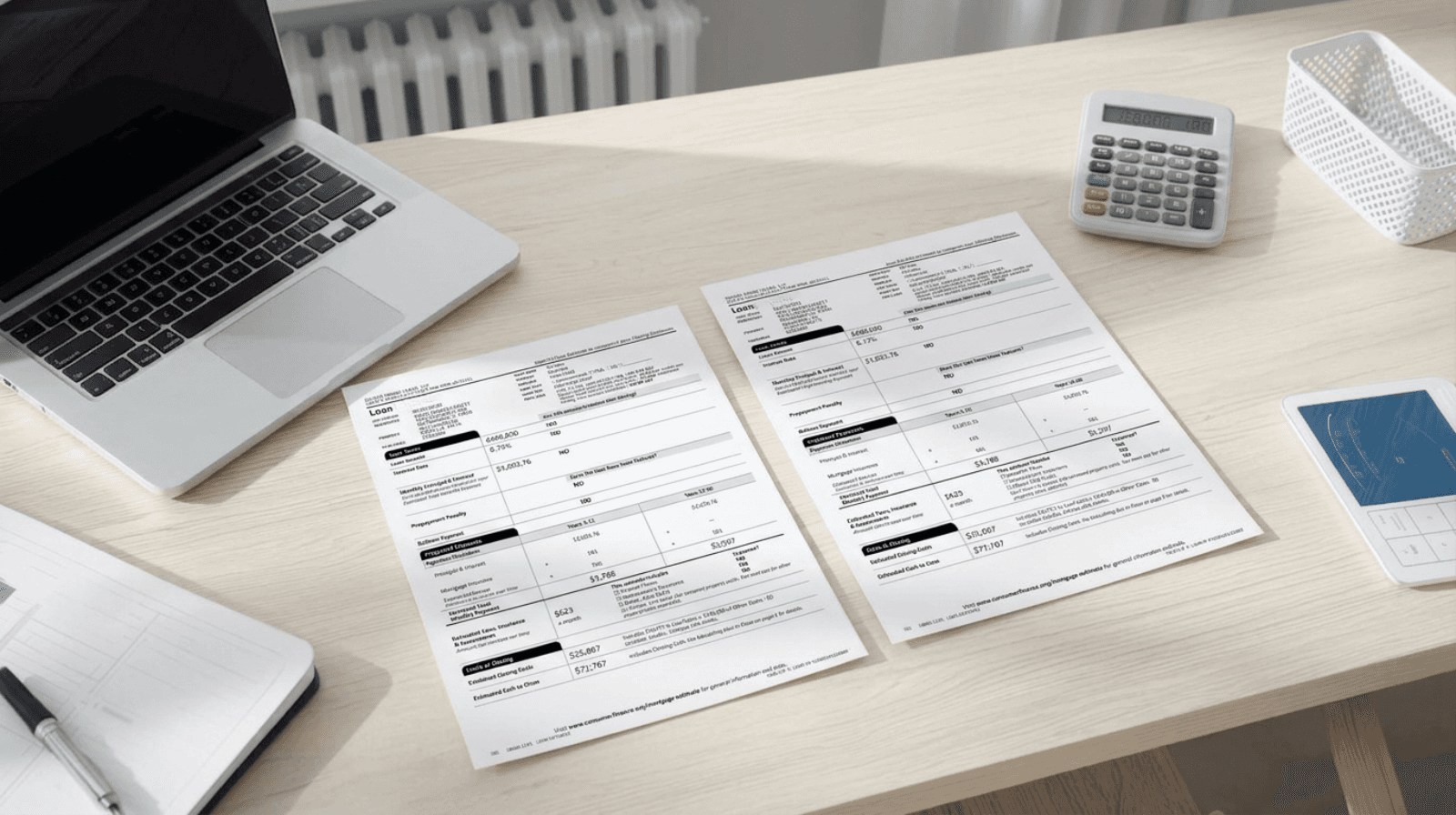
💡Pro tip: Already have a Loan Estimate? Upload it to Fincast to see if lower-cost offers exist — it takes only two minutes.
2. You Might Reset the Clock on Your Mortgage
Refinancing into a new 30-year term essentially “restarts the clock,” which can increase total interest paid over the long term — even if your monthly payment drops.
Example:
If you’re 8 years into a 30-year loan, refinancing into a new 30-year loan resets the term to year 0, making it take 38 years to pay off your loan.
Solution: Many lenders offer custom 20-year or 25-year terms. You may not have to restart your full term.
3. Taking Cash Out Increases Your Mortgage Balance
With a cash-out refinance:
Your loan amount rises
Your monthly payment may increase
Your long-term interest costs can grow
Solution: Only tap into equity for strategic, high-value purposes.
4. Breaking Even Takes Time
Refinancing only makes sense if you stay in the home long enough to recover closing costs.
For example, if your break-even point is 3 years — and you're planning to move next summer — refinancing likely won’t benefit you.
Solution: Calculate your break-even point and compare it to your intended timeline to ensure you’ll recoup the closing costs before moving.
5. Possible Credit Score Impact
Refinancing involves a new credit inquiry, which may temporarily lower your score by a few points. Your mortgage also resets as a “new” account.
The dip is usually small and fades quickly — but it’s still a factor.
Solution: Shop for your mortgage within a short window (usually 30-45 days) to avoid multiple credit inquiries.
6. Rate Shopping Can Be Confusing and Time-Consuming
Comparing lenders is where homeowners save the most money — but it can also be overwhelming:
Dozens of calls
Conflicting offers
Pressure tactics
Spam after inquiries
Hard to compare apples to apples
Solution: Upload your Loan Estimate to Fincast to get multiple offers from a single Loan Estimate. There’s no confusion, overwhelm, or pressure tactics.
How Fincast Helps You Refinance Smarter 🚀
Refinancing is one of the few financial decisions where comparing competing lender offers can save you more than negotiating almost any other term, but doing it manually is a headache.
Fincast makes it simple:
Get your initial refinance Loan Estimate
Upload it securely to Fincast
Vetted lenders compete to beat your terms — no spam, no extra credit pulls
Choose the best offer and save
Even a 0.25% improvement can:
Reduce your monthly payment
Shorten your payoff timeline
Save tens of thousands over 30 years (varies by loan and borrower profile)
Fincast helps you compare your options, so you can make confident decisions on your next mortgage.
FAQs
1. Is refinancing always worth it?
No, you need to factor in closing costs, break-even timing, and long-term savings.
2. How long does refinancing take?
Most refinances take 30–45 days; streamline refinances may be faster, but it varies by lender and borrower profile.
3. Can I refinance with bad credit?
It may be possible, but rates may be higher. Improving your score increases your savings potential.
4. Can I refinance multiple times?
Yes, but always make sure the math works in your favor.
5. Do I need an appraisal?
Most traditional refinances require one; many streamline refinances do not, but the exact requirements vary by lender and loan program.
Bottom Line
Refinancing comes with powerful benefits — lower payments, better rates, cash access, and long-term financial stability. But it also comes with costs and trade-offs that need to be weighed carefully.
You’re ready to refinance when:
✅ You’ve calculated your break-even point
✅ You know your goal (lower payments, equity use, term change, etc.)
✅ You’ve reviewed both pros and cons
✅ You’re prepared to compare lender offers
✅ You’ve uploaded your Loan Estimate to Fincast to secure the best possible terms
👉 Ready to see how much you could save by refinancing? Upload your Loan Estimate to Fincast to see what other offers are available to you — with zero spam, zero extra credit pulls, and maximum savings.
This content is for educational purposes only and does not constitute professional advice. Loan terms, rates, and eligibility vary by lender and borrower profile.
Disclaimer: Nothing in this content should be considered financial advice. The examples and data shared are for general information only and may not reflect your personal situation. We do not guarantee the accuracy or completeness of the information provided. Always do your own research and speak with a qualified financial advisor before making any financial decisions.
Ready to Save On Your New Mortgage?