
Refinancing can lower your mortgage payment, reduce your interest costs, eliminate PMI, or help you tap equity — but none of that matters unless the refinance is actually worth it financially.
Many homeowners focus only on the new interest rate, but the real decision comes down to one simple question:
👉 Will my savings outweigh my closing costs within a reasonable timeframe?
This guide shows you exactly how to calculate that — using a clear formula, simple examples, and step-by-step instructions. By the end, you’ll know whether refinancing is a smart move for your specific situation.
Key Takeaways
✅ A refinance is worth it when monthly savings × time you’ll stay > closing costs
✅ The break-even formula reveals when you start realizing savings
✅ Removing PMI can help improve your savings
✅ A lower interest rate doesn’t always equal a good deal — APR and costs matter
The Formula to Determine If Refinancing Is Worth It
The simplest way to calculate whether refinancing makes financial sense is to find your break-even point:
Refinance Break-Even Formula
Break-Even (Months) = Total Closing Costs ÷ Monthly Savings
Where:
Closing Costs = lender fees + third-party fees (appraisal, title, etc.)
Monthly Savings = current payment – new payment
If you’ll stay in the home longer than the number of break-even months, refinancing may be worth it.
💡 Pro Tip: If your refinance also removes PMI, add your PMI savings to your monthly savings before calculating your break-even point.
Step 1: Calculate Your Monthly Savings
You only need three things:
Remaining loan balance
Current interest rate
New interest rate
Then compare the old and new monthly payments (principal & interest only).
Example: $400,000 Loan Refinancing From 6.5% → 6%
Scenario | Monthly Payment |
At 6.5% | $2,528 |
At 6% | $2,398 |
Monthly Savings | $130 |
That $130/mo becomes your core savings figure.
Step 2: Identify Your Closing Costs
Most refinances cost 2–5% of the loan amount.
Typical costs:
Origination fee
Underwriting/processing
Appraisal
Title & escrow
Recording fees
Prepaids (taxes/insurance)
Discount points (if required)
Example Closing Cost Estimate
Loan: $400,000
Typical fees: ~$6,500
This is your “cost” to weigh against your savings.
Step 3: Apply the Break-Even Formula
Now plug the numbers into the break-even formula:
Break-Even = Closing Costs ÷ Monthly Savings
Using our example:
Closing costs: $6,500
Monthly savings: $130
Break-Even = 6,500 ÷ 130 = 50 months
If you’ll stay in the home more than 4.2 years, refinancing may be worthwhile.
Example: Removing PMI Changes Everything
Let’s say you also eliminate PMI:
Rate savings: $130/mo
PMI savings: $220/mo
Total savings: $350/mo
Break-Even = 6,500 ÷ 350 = 18.5 months
That’s a huge improvement.
💡 Pro Tip: Rising home values + refinancing can eliminate PMI fast — cutting your break-even time in half.
Example: Refinancing From 7% → 6% on a $500,000 Loan
1. Monthly Payment Savings
Rate | Payment |
7% | $3,327 |
6% | $2,998 |
Savings | $329/mo |
2. Closing Costs
Estimated: $8,500
3. Break-Even
8,500 ÷ 329 = 25.8 months
If you’ll stay 3+ years, refinancing may make financial sense.
When Refinancing May Be Worth It
Refinancing is usually worth considering when:
✔️ Your break-even is under 36 months
This is the typical benchmark.
✔️ You plan to stay in the home for several more years
The longer you stay, the more you save.
✔️ You can remove PMI
PMI removal often turns a “maybe” into a “yes.”
✔️ Your current rate is at least 0.5–1.0% higher
The bigger the spread, the better the math.
✔️ Your home value has increased
More equity → better pricing → faster break-even.
✔️ You have a large loan balance
Bigger loans = bigger savings.
When Refinancing Is Not Worth It
Refinancing may not be profitable if:
❌ Your break-even point exceeds your time in the home
(Example: 5-year break-even, but you’re moving in 2 years.)
❌ Closing costs are unusually high
High fees can erase modest savings.
❌ You’re near the end of your mortgage
Most interest has already been paid.
❌ You restart at a 30-year term without a payoff plan
You might end up paying more in total interest.
❌ You’re refinancing small balances
Low balances = small monthly savings.
💡 Pro Tip: If you restart a 30-year term, keep paying your old payment — you’ll cut years off your mortgage without affecting your monthly budget.
When the Interest Rate Doesn’t Tell the Whole Story
Two things easily distort the “is it worth it?” math:
1. APR vs. Interest Rate
APR is the true cost because it includes fees.
2. Lender Pricing Structures
Some lenders require points to access their lowest rates.
3. Rate vs. Lender Credits
A slightly higher rate with big lender credits often produces a faster break-even.
Advanced: Total Interest Savings Calculation
To determine your long-term benefit, calculate:
Total Interest at Old Rate – Total Interest at New Rate
Example ($400k, 30-year term):
Interest at 6.5%: ~$510,436
Interest at 6.0%: ~$463,354
Total lifetime savings: $47,082
This is separate from break-even, but extremely useful.
Five Ways to Make Your Refinance More Worth It
1️⃣ Negotiate lender fees
Many fees are flexible if you ask.
2️⃣ Ask for lender credits
Higher rate, lower upfront cost → faster break-even.
3️⃣ Avoid paying discount points unless you are definitely staying
Points only pay off if you’ll stay put.
4️⃣ Improve your credit score first
Better credit = better pricing tiers.
5️⃣ Use extra payments to avoid extending your mortgage
This protects your long-term interest savings.
How Fincast Helps You See If Refinancing Is Worth It
Most homeowners don’t know if refinancing is worth it because lenders don’t show:
Your break-even point
Hidden fees
Overcharged points
Inflated third-party costs
How your deal compares to the market
Here’s how Fincast helps:
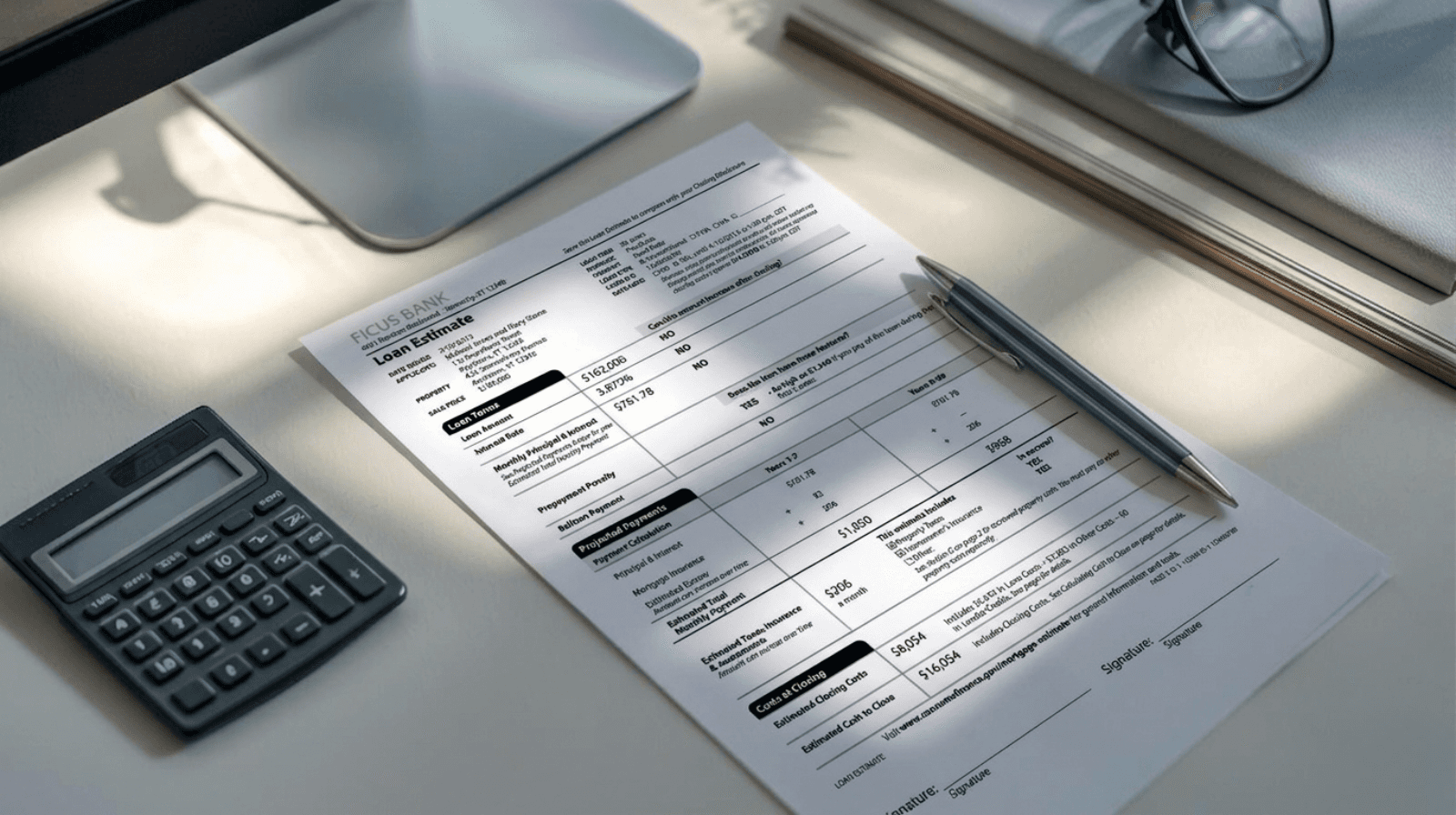
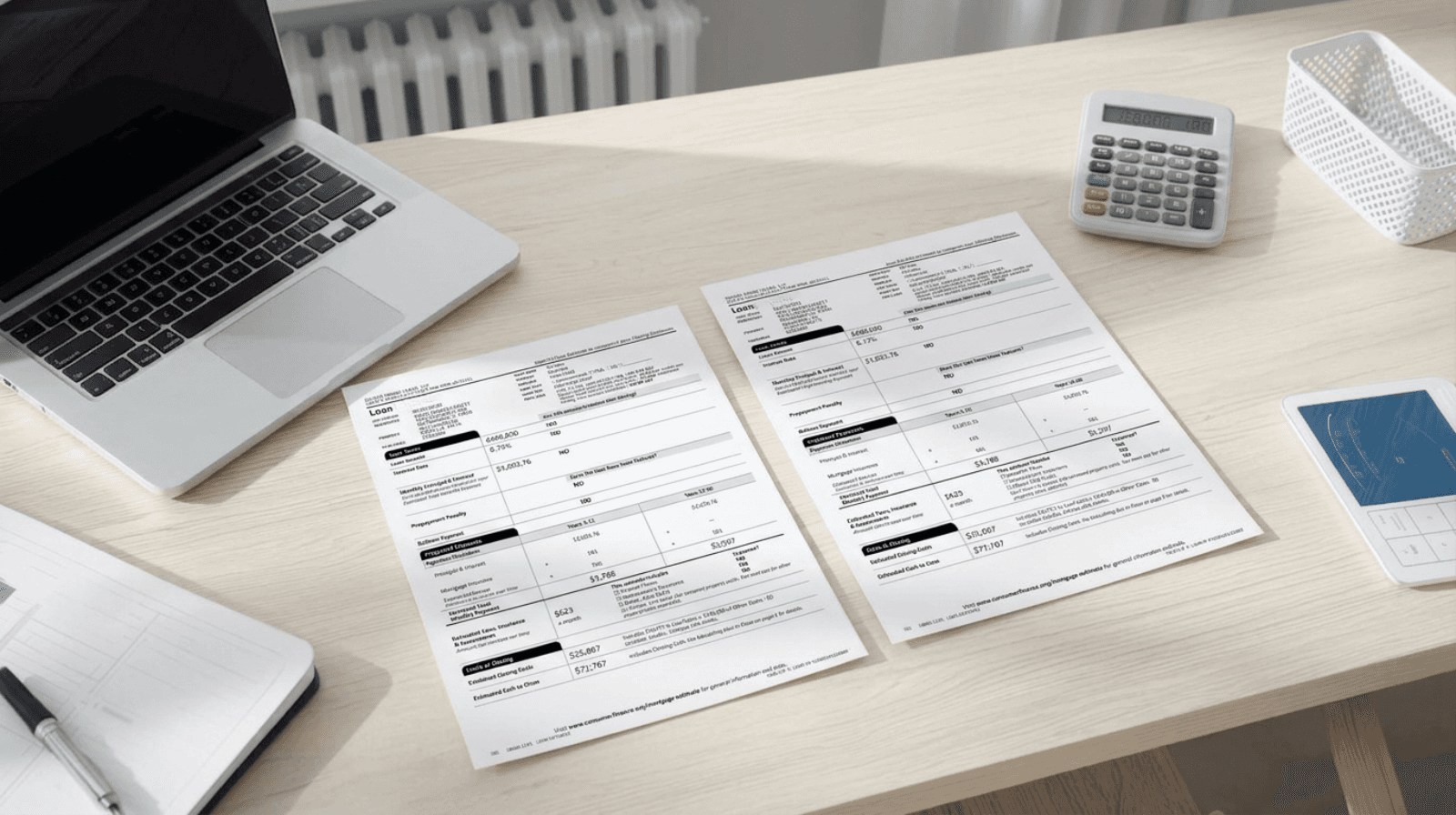
1️⃣ Upload your Loan Estimate securely
2️⃣ Vetted lenders review the deal
3️⃣ Some may present alternative offers
4️⃣ You compare your options — no extra credit pulls, no spam calls
Even a small change in rates or fees can significantly reduce your break-even point and boost long-term savings.
FAQs: Is Refinancing Worth It?
1. What’s the easiest way to tell if refinancing is worth it?
Check your break-even point. If you’ll stay in the home longer than the break-even point, it may be worth it.
2. Is refinancing worth it for a 0.5% rate drop?
Sometimes it is, especially on large loans or if closing costs are low.
3. Should I refinance if I plan to move soon?
Only if your break-even is shorter than your planned time in the home.
4. Do I include taxes and insurance in my savings?
No — only principal & interest (plus PMI if it changes).
5. Will restarting a 30-year loan make refinancing less worth it?
It can, unless you continue paying your old payment.
6. Do lender credits improve my break-even?
They can because credits reduce upfront costs, which speeds up profitability.
The Bottom Line
Refinancing is only worth it if the savings outweigh the costs.
The simplest way to know is by calculating your break-even point — the month when your savings exceed your closing costs.
For many homeowners, that happens within 2–4 years, depending on loan size, interest rate changes, and lender fees. But the exact timeline varies based on your situation.
Understanding the numbers before committing can help ensure your refinance actually improves your financial position.
👉See if your refinance offer is actually worth it. Your break-even point depends heavily on the numbers inside your Loan Estimate — especially lender fees and pricing adjustments. Two lenders offering the same rate can still differ by thousands of dollars in total costs, which can significantly change how quickly your refinance pays off. Upload your Loan Estimate to Fincast to see how your offer compares across vetted lenders — without extra credit pulls or spam calls.
Disclaimer: Nothing in this content should be considered financial advice. The examples and data shared are for general information only and may not reflect your personal situation. We do not guarantee the accuracy or completeness of the information provided. Always do your own research and speak with a qualified financial advisor before making any financial decisions.
Ready to Save On Your New Mortgage?