
Refinancing your mortgage can save you thousands — or cost you money if you do it at the wrong time. Rates shift, home values change, and your financial goals evolve. That’s why refinancing isn’t a one-size-fits-all decision. It’s a strategy, and like any good strategy, timing is everything.
This guide breaks down when refinancing makes sense, when it doesn’t, and how to confidently decide what’s right for you. You’ll get clear criteria, real-world examples, and practical guidelines.
Let’s get started.
Key Takeaways
✅ Refinancing can make sense when you can lower your rate, reduce your payment, eliminate PMI, tap equity, or switch to better loan terms.
✅ It doesn’t make sense if you’re moving soon, won’t break even on costs, or your financial profile has worsened.
✅ Your break-even point is the most important number to consider.
💡Pro tip: The real refinance savings come from choosing the best rate — not just the first one offered. That’s where
gives you a serious edge by letting vetted lenders compete for your refinance.
When Refinancing Does Make Sense ✔️
1. When Interest Rates Drop Significantly
If rates are meaningfully lower than when you purchased your home, refinancing can lead to big savings.
General rule:
A drop of 0.5%–1% or more often justifies refinancing if the costs are reasonable.
What may happen:
Lower monthly payment
Lower total interest paid
Potential to shorten the term while keeping payments affordable
Example:
If you bought at 6.75% and today’s rates are 5.25%, refinancing could save you hundreds of dollars per month.
2. When You Can Remove PMI
Even if interest rates drop only slightly, refinancing to remove PMI can reduce monthly payments and improve your monthly cash flow.
This usually requires paying for a new appraisal, but if your home value has increased, the savings may be worth it.
A lower payment means:
More room in your monthly budget
Greater potential for financial stability
Room for new expenses (i.e., childcare, car loans, etc.)
3. When You Want to Tap Equity for a Cash-Out Refinance
A cash-out refinance lets you borrow more than you owe and keep the difference in cash. It can make sense if you need funds for:
Home renovations
Debt consolidation
Education
Investments
Major expenses
Why it works:
Cash-out refinances typically offer lower rates than credit cards or personal loans. Actual results vary by loan program and borrower profile. Compare your options using Fincast to ensure you have the most competitive deal.
4. When Your Credit Score Has Improved
If your credit is stronger than when you bought your home, you may qualify for:
Better interest rates
Better loan terms
Lower mortgage insurance (or removal altogether)
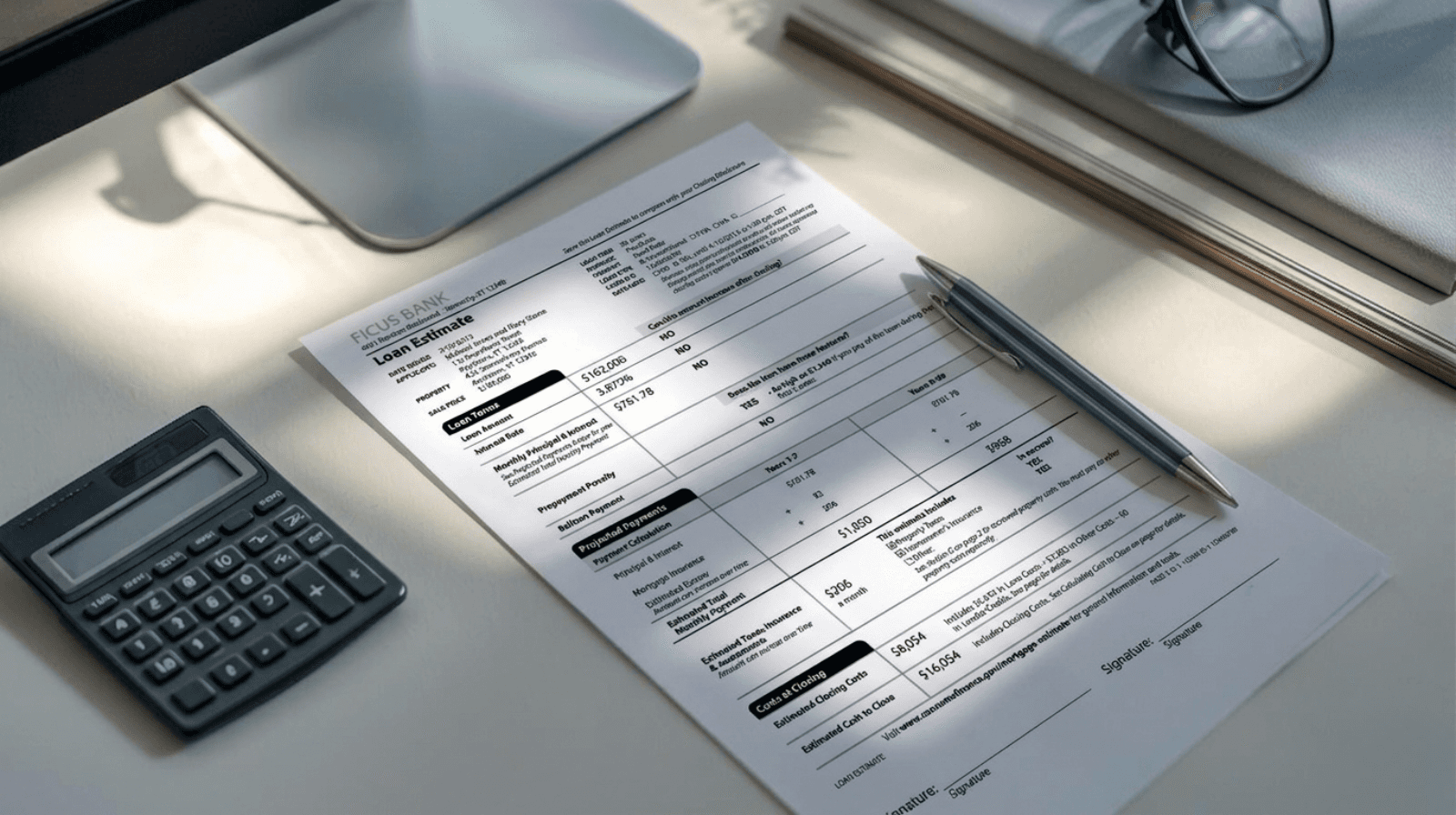
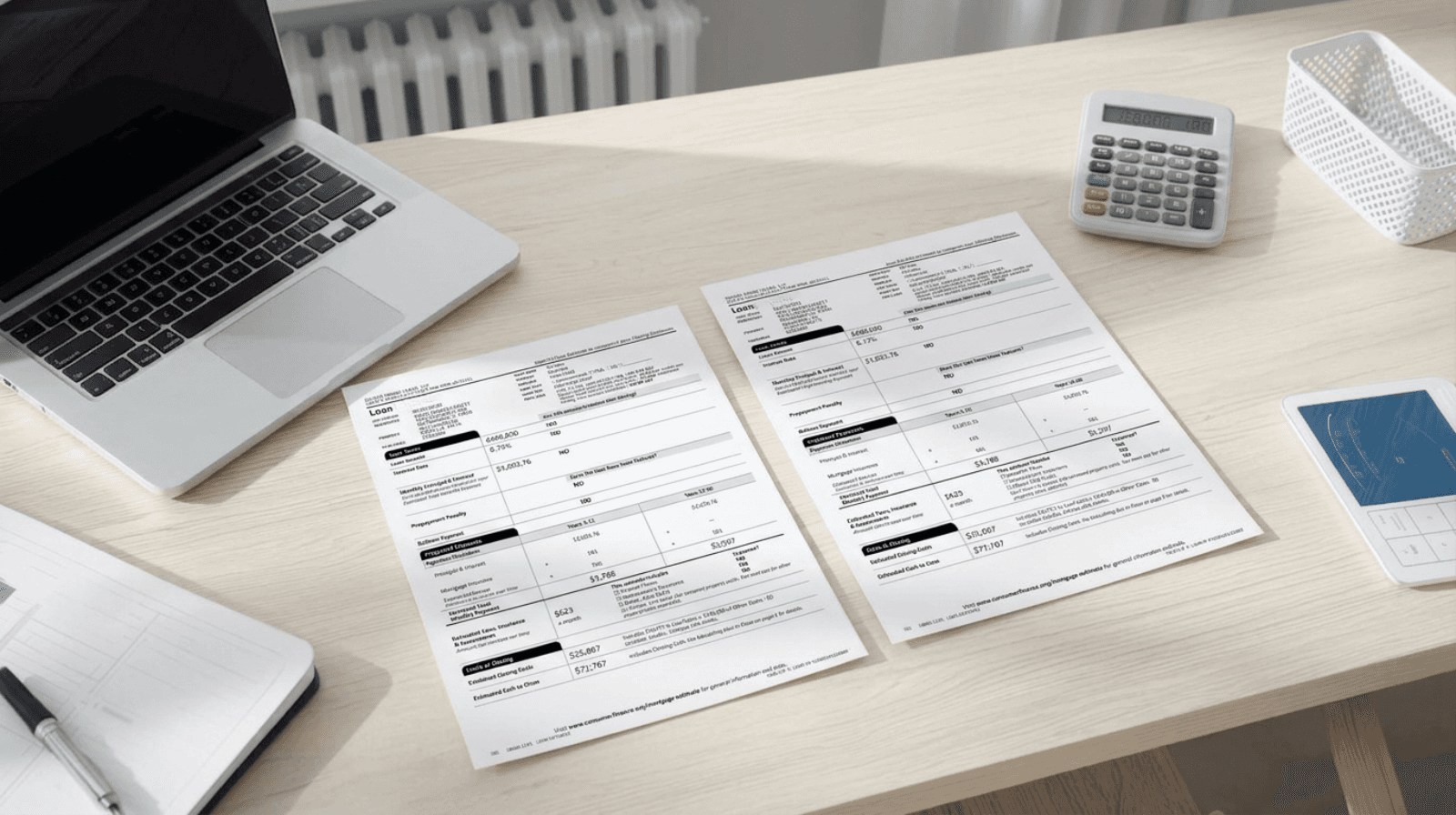
Improved credit may help you secure more competitive offers, but don’t settle for the first offer. Most homeowners never see competing offers side by side — Fincast was built to change that. Use your Loan Estimate to your advantage and upload it to Fincast to see if better offers exist.
5. When You Want to Switch From an ARM to a Fixed Rate
Adjustable-rate mortgages (ARMs) start low but can adjust higher. Many homeowners refinance into fixed-rate loans when:
Their ARM adjustment period is approaching
They want predictable payments
They expect interest rates to rise
6. When You Want to Shorten Your Loan Term
Moving from a 30-year loan to a 15- or 20-year mortgage can help you:
Pay off your home faster
Save on interest
Build equity more quickly
This is a great option if your income has increased or your budget has more flexibility.
7. When You Plan to Stay in the Home Long Enough to Break Even
Refinancing isn’t just about saving money monthly — it’s about saving money overall.
Your break-even point = Closing costs ÷ monthly savings
If you plan to live in the home for at least that long (ideally longer), refinancing may make good financial sense.
When Refinancing Does NOT Make Sense ❌
1. When You’re Planning to Move Soon
If you’re moving in the next 1–3 years, you may not reach your break-even point.
Example:
If closing costs are $8,000 and monthly savings are $150, it takes ~53 months (over 4 years!) to break even.
Refinancing now would lose you money.
2. When Your Credit Score Has Dropped
If your credit score is lower than when you bought your home, lenders may offer worse terms — higher rates, higher fees, or both.
You may benefit more from:
Improving your credit
Paying down debt
Waiting for a better financial picture
💡Pro tip: If you need to refinance for other reasons, make sure you have the most competitive offer. It takes just two minutes to upload your Loan Estimate to Fincast to get offers from vetted lenders who may offer a better deal.
3. When You’re Near the End of Your Mortgage Term
Mortgages are interest-heavy at the beginning and principal-heavy toward the end.
If you’re 20+ years into a 30-year loan, restarting the clock may increase total interest paid — even if the monthly payment drops.
4. When You’re Refinancing Just to Access Cash
If you’re struggling financially and using equity as a short-term fix, think twice.
Cash-out refinancing can be smart, but it can also:
Increase your total mortgage balance
Raise your monthly payment
Put your home at risk if payments become difficult
Use equity strategically — not to cover everyday expenses.
5. When Closing Costs Outweigh the Benefits
Refinance closing costs typically range from 2% to 5% of the loan amount (actual costs vary by lender, loan program, and borrower profile).
Examples:
$300,000 loan → $6,000–$15,000 in closing costs
$500,000 loan → $10,000–$25,000 in closing costs
If you can’t break even or your savings are marginal, refinancing simply doesn’t make sense.
6. When You’ve Already Refinanced Recently
Frequent refinancing can result in:
Multiple rounds of closing costs
Resetting your loan term repeatedly
Paying more interest overall
If you refinanced within the past year or two, run the numbers carefully before refinancing again.
How to Know for Sure: Ask These 5 Questions 🧭
Before refinancing, ask yourself:
1. What is my goal?
Lower payment? Lower rate? Cash out? Remove PMI? Faster payoff? Make sure your goal is a strong enough reason to refinance.
2. How long will I stay in the home?
If you won’t be there long enough to break even, skip it.
3. What are my current rates and terms?
Compare your existing loan to today’s offers to ensure it remains financially sound.
4. What is my break-even point?
If it's more than 2–3 years, refinancing may not be worthwhile.
5. Have I compared multiple lenders?
This is where many homeowners see the biggest savings—and where most lose money by not shopping around. Doing this manually can be burdensome, but with Fincast, it takes only a few minutes, and you’ll know instantly if better offers exist.
How Fincast Helps You Decide — and Save — When Refinancing 🚀
Even if refinancing makes sense on paper, picking the wrong lender can erase your savings.
That’s why Fincast is built to:
Save you time
Save you money
Remove the stress of comparing lenders
Here’s how it works:
Get your Loan Estimate from any lender
Upload it securely to Fincast
Vetted lenders compete to beat your rate — without extra credit pulls
Choose the best offer and refinance confidently
Even a 0.25% improvement can lead to:
Lower payments
Shorter payoff times
Thousands saved over the life of your loan
Fincast ensures you make the smartest refinance decision possible.
Results vary by borrower, loan program, and lender.
FAQs
1. How do I know if refinancing is worth it?
Calculate your break-even point and compare long-term savings. If you’ll remain in the home long enough to recoup the costs, it may make sense.
2. How often can I refinance?
As often as you want — but try not to overdo it or the cost will eventually outweigh the benefits.
3. Do I need perfect credit?
No, but better credit = better rates = bigger savings.
4. How long does refinancing take?
Typically, 30–45 days; streamline refinances can be faster, but it depends on the lender, loan program, and volume of refinances when you apply.
5. What type of refinance should I choose?
Rate-and-term, cash-out, and streamline each serve different goals. Determine why you want to refinance and compare it to each loan program to make confident choices.
Bottom Line
Refinancing isn’t always a yes or no — it’s about timing, goals, and long-term savings. When done strategically, refinancing can lower your payments, unlock equity, remove mortgage insurance, or accelerate your path to owning your home outright. But the benefits only matter if you stay in the home long enough and secure the best possible rate.
You’re refinance-ready when:
✅ You know your goal
✅ You understand the pros and cons
✅ You’ve calculated your break-even point
✅ You’re ready to compare rates
✅ You’ve uploaded your Loan Estimate to Fincast
👉 Ready to see if refinancing makes sense for you? Upload your Loan Estimate to Fincast and let vetted lenders compete to beat your refinance rate — with no spam, no extra credit pulls, and maximum savings. Make the smartest financial decision possible, with confidence.
This content is for educational purposes only and does not constitute financial or lending advice. Loan terms, rates, and eligibility vary by lender and borrower profile.
Disclaimer: Nothing in this content should be considered financial advice. The examples and data shared are for general information only and may not reflect your personal situation. We do not guarantee the accuracy or completeness of the information provided. Always do your own research and speak with a qualified financial advisor before making any financial decisions.
Ready to Save On Your New Mortgage?