
It’s a common rule of thumb: If rates drop by 1%, you should refinance.
Sounds simple. But then you look at your actual life — your moving plans, closing costs, job situation, goals — and that “rule” suddenly feels way too basic.
Is a 1% drop in the rate worth refinancing?
Short answer:
Sometimes yes, sometimes no.
The real answer lives in the math + your timeline.
Let’s break it down in plain English, walk through the numbers, and show how a planning tool like Fincast helps you get past rules of thumb and into your actual reality.
Why a 1% Drop Feels Like a Big Deal
On paper, a 1% drop doesn’t sound dramatic.
In real life, over a big balance and long term, it can result in:
Lower monthly payments
Less total interest paid
More cash flow to hit other goals
But here’s the catch:
You don’t get that 1% for free.
Refinancing usually comes with:
Closing costs (often 2–3% of your loan balance, which varies by lender and loan program)
Time and paperwork
Resetting the clock on your loan term in some cases (unless you refinance into a shorter or equal remaining term)
So when someone asks, “Is a 1% drop worth it?” what they’re really asking is:
“Will the savings I get from this lower rate outweigh the upfront costs before I move or refinance again?”
That’s the only question that matters.
💡Pro tip: It’s important to compare loan options from multiple lenders. Just because one lender offers a lower interest rate doesn’t mean their closing costs are low enough to make refinancing worthwhile. Use Fincast to automatically compare your options.
Understand the “Break-Even Point”
The break-even point is the time it takes for the monthly savings from your lower payment to offset the cost of refinancing.
If you reach that point and stay in the loan longer, you come out ahead; but if you sell or refinance before that point, you likely lose money.
The Basic Formula
Find your monthly savings
Total your refinance costs
Calculate break-even
If you plan to keep the loan longer than the break-even period, the refinance becomes more attractive.
💡Pro tip: Don’t assume the first offer you receive is worth it, even if it passes the break-even point test. Use your Loan Estimate from your first offer to request quotes from other lenders and compare them.
A Simple Example: When 1% Makes Sense
Let’s say you can drop your interest rate by 1%, saving you around $300 per month. To get that lower rate, you will need to pay $5,000.
(Exact numbers will vary, but we’ll keep it conceptual.)
Now the break-even:
$5,000 ÷ $300 ≈ 16 months
If you’re confident you’ll stay in this home and keep this mortgage for 1 ½+ years, that’s a pretty solid case to refinance.
If you’re likely to sell or refi again in 18 months, not so much.
Figures are approximate and vary by credit, taxes, insurance, and loan type.
When a 1% Drop Isn’t Enough
A 1% drop isn’t magical. Sometimes it sounds good, but the details kill the deal:
1. High closing costs
If your refinance costs are high relative to your loan size, your break-even point might be too long.
Example:
Refi costs: $9,000
Monthly savings: $150
Break-even = $9,000 ÷ $150 = 60 months → 5 years.
If there’s a decent chance you’ll move or refinance again within 5 years, that’s risky.
2. Short remaining term
If you have only 8–10 years left on your mortgage, most of your payment goes toward principal, not interest. A lower rate won’t save as much as it would early on.
You might be better off not refinancing and simply making extra payments to pay the loan off faster.
3. Constantly refinancing
If you refinance every time rates move, you keep restarting the clock, paying closing costs repeatedly, and never letting the benefits compound fully.
💡Pro tip: This is exactly the stage where many homeowners upload a Loan Estimate to Fincast — not because they are committed to refinancing, but because they want to see if the math actually improves.
The Hidden Trade-Off: Lower Payment vs. Longer Term
A common pattern:
You’re 5–7 years into a 30-year mortgage
Rates drop by 1%
You refinance into a new 30-year loan at the lower rate
Result:
Monthly payment decreases
You extend your debt timeline by several years
This isn’t automatically bad — sometimes cash-flow relief is exactly what you need — but you should be aware of it.
One smart approach:
Refinance to the lower rate
Keep paying the old payment amount (or close to it, if you can afford it)
Now you get the lower rate and a faster payoff.
How Fincast Can Help
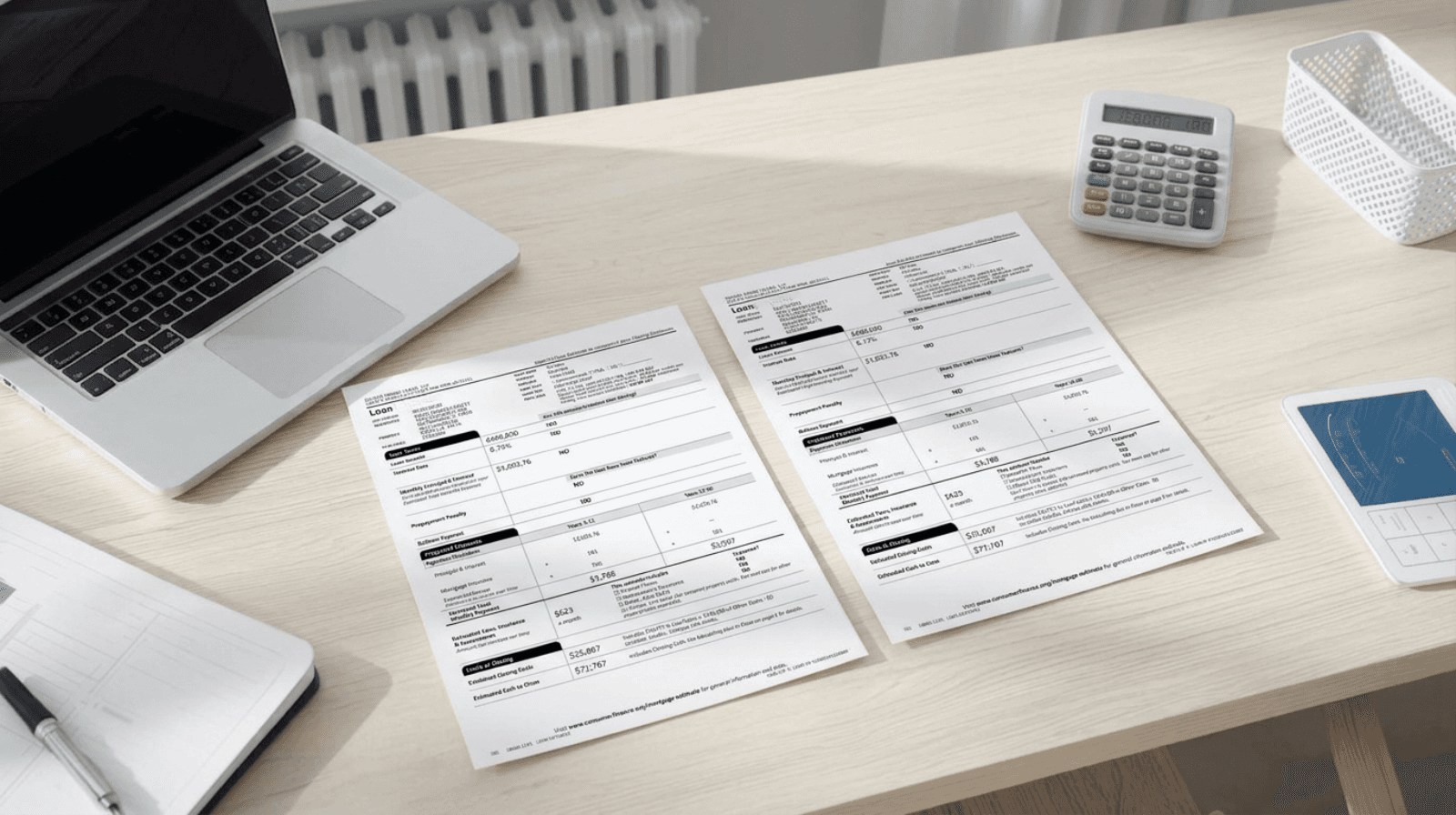
Just because rates drop 1% doesn’t mean you should take the first offer you get. Every lender has different pricing, whether in the rates or the fees. A smart homeowner will get several quotes and compare them side by side.
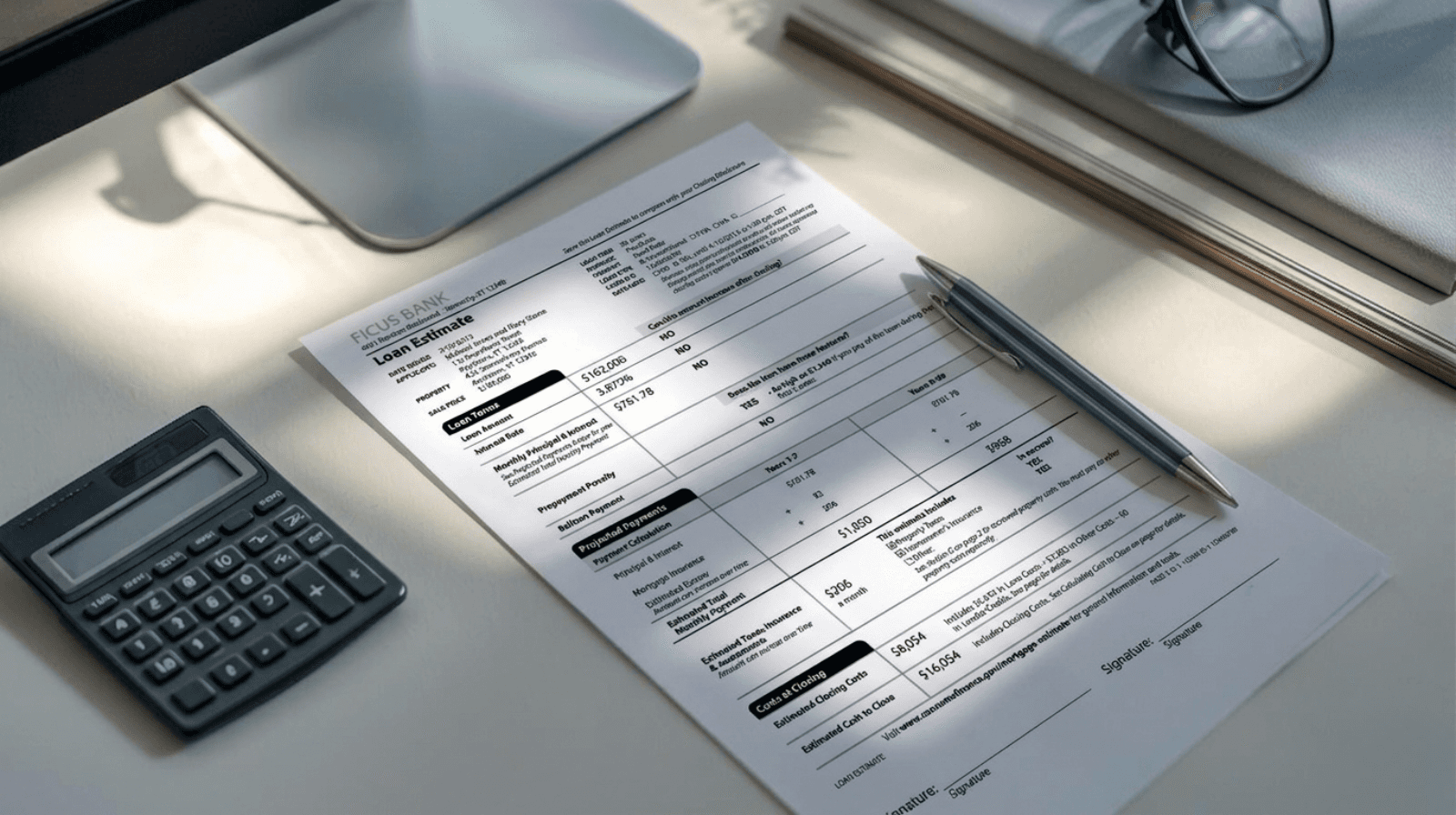
While you can do this manually, it can get confusing and overwhelming. Instead, let Fincast do the work. Apply for one loan with a lender of your choice, receive your Loan Estimate, and upload it to Fincast.
Within minutes, you may receive competing offers from vetted lenders who want to compete with the deal you’ve been provided. You can then view the offers side by side, comparing apples to apples and making confident decisions.
All this is done without disclosing your personal information, pulling your credit, or subjecting you to more spam calls and emails.
Why use Fincast? Because rates are volatile, lender pricing varies widely, and a single quote does not always reflect market reality.
💡Pro tip: Many homeowners don’t refinance because they don’t trust the first offer they receive, and they don’t want the headache of shopping for lenders. Fincast exists to exactly solve that problem.
When a 1% Drop May be Worth It
Generally, a 1% decrease is beneficial when:
You plan to stay put for several years (at least past the break-even point)
Your closing costs are reasonable
You’re not near the end of your mortgage
The lower payment gives you flexibility — and you’ll use that wisely
In those cases, a 1% drop can mean significant savings over the life of the loan.
When a 1% Drop May Not be Worth It
You may want to skip refinancing, even for 1%, if:
You might move in the next 1–3 years, and your break-even is close or longer
Closing costs are so high that you’d need 4–6+ years just to break even
You’re within 5–10 years of paying off your mortgage
You’re tempted to restart a 30-year clock just to shave the monthly payment slightly
In those cases, focusing on extra principal payments or other financial goals may be more effective.
Checklist to Determine if Refinancing is the Right Choice
If you’re wondering if a 1% rate decrease is worth it, ask yourself these questions:
How long will I realistically keep this home and mortgage?
What are the total refi costs?
What’s my monthly savings with the new rate?
What’s my break-even point?
Am I extending my term?
What will I do with the savings?
Bottom Line
Is a 1% drop in the rate worth refinancing?
Sometimes, yes — if you’ll stay long enough, costs are reasonable, and you use the savings well.
Sometimes no — if you’ll move soon, fees are high, or you’re near the end of the loan.
The 1% rule is a starting point, not a decision.
If you want the real answer for your situation, look at the big picture:
Break-even period
Total interest saved
Payoff timeline
Once you see those numbers clearly, the decision usually stops feeling like a gamble and becomes clear—one way or the other.
👉 Ready to see how much you could save by refinancing? Upload your Loan Estimate to Fincast to see what other offers are available to you — with zero spam, zero extra credit pulls, and maximum savings.
Disclaimer: Nothing in this content should be considered financial advice. The examples and data shared are for general information only and may not reflect your personal situation. We do not guarantee the accuracy or completeness of the information provided. Always do your own research and speak with a qualified financial advisor before making any financial decisions.
Ready to Save On Your New Mortgage?