
If you earn around $190,000 per year, you could be in a good position to refinance, depending on the rest of your qualifying factors. Whether you’re looking to lower your monthly payment, secure a better rate, remove PMI, switch loan types, shorten your term, or tap into equity for renovations or investments, your income may put you in a highly competitive position with lenders.
Still, many high-income homeowners ask:
👉 Is a $190K salary enough to refinance my home?
👉 How much can I qualify for with this income?
👉 Do lenders focus more on income or other factors?
Here’s the straightforward answer:
A $190K salary may help you qualify for many refinance programs, including conventional, FHA, VA, high-balance, and jumbo refinances.
But income is not the biggest factor. Lenders prioritize your debt-to-income ratio (DTI), credit score, equity position, and payment history when determining approval and pricing.
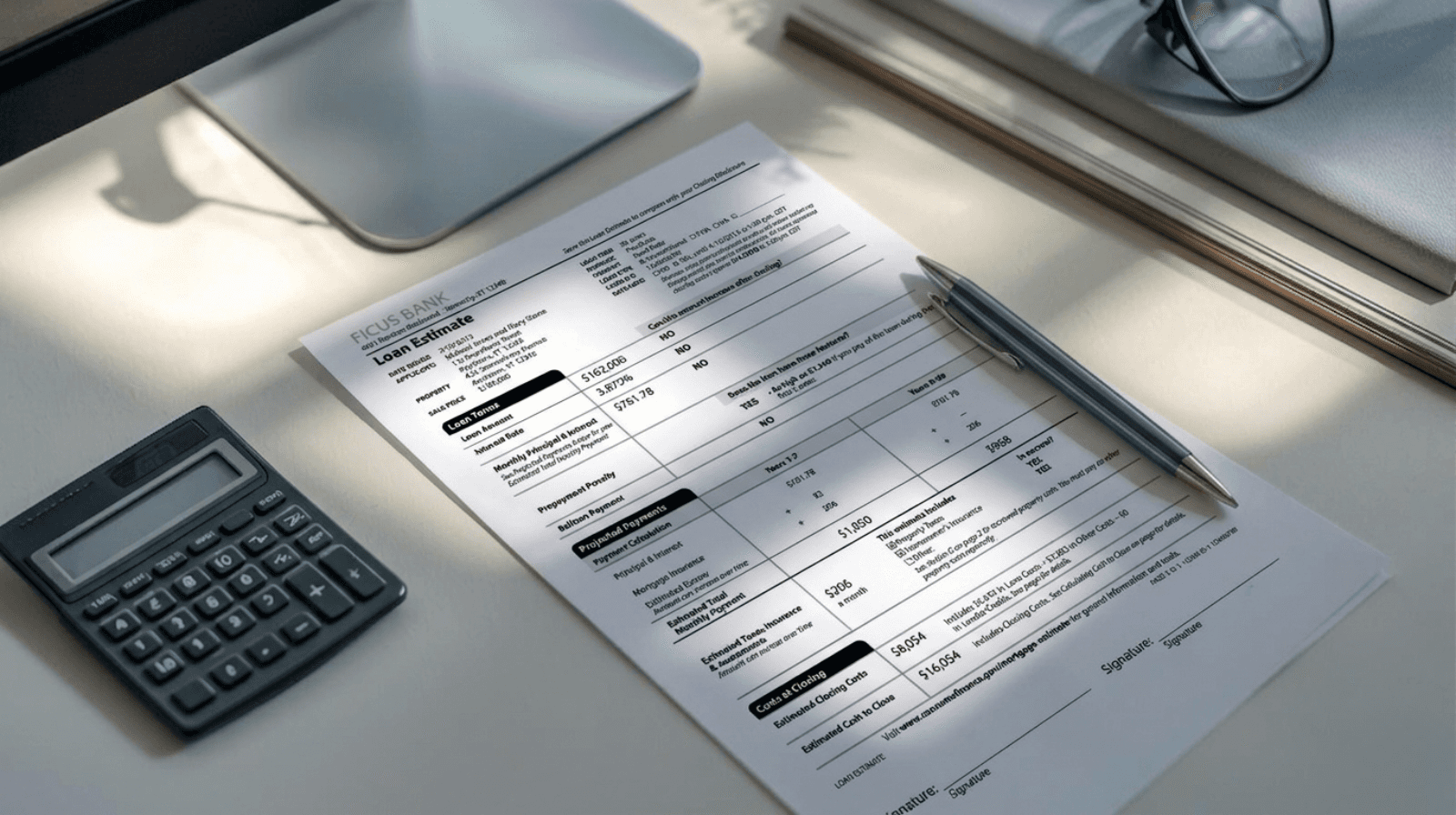
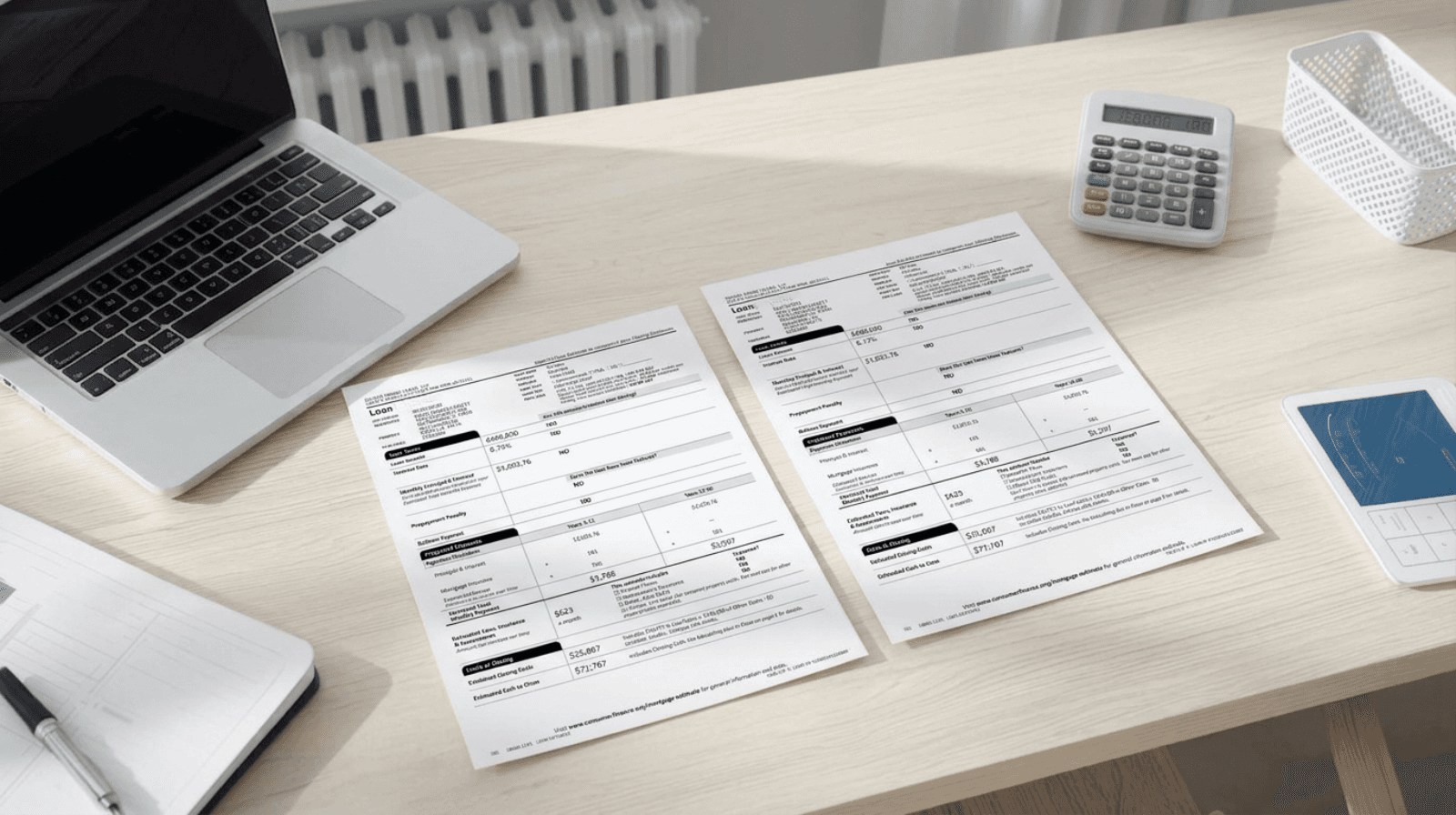
This guide breaks down exactly how refinancing works at a $190K salary — including loan amounts, lender expectations, and how to secure the strongest possible terms by benchmarking your Loan Estimates.
Key Takeaways
✅ A $190K salary may help you qualify for many refinance programs — even jumbo loans.
✅ DTI, credit score, and equity have a larger impact than salary alone.
✅ Excellent credit and low debts unlock the best interest rates.
How Much Can You Refinance With a $190K Salary?
Lenders determine refinance approval based on your debt-to-income (DTI) ratio:
DTI = Total Monthly Debts ÷ Gross Monthly Income
At a $190K salary:
Gross monthly income ≈ $15,833
Lenders typically allow 36–45% DTI, though some programs may allow higher depending on credit and compensating factors
That gives you $5,699–$7,124/mo in total debt room
This includes:
Mortgage principal & interest
Property taxes
Homeowners insurance
PMI or MIP (if applicable)
Car loans
Student loans
Credit cards
Personal loans
💡 Pro Tip: When income is around $190K, even a 0.25% rate difference can change your monthly affordability more than you might expect — especially if your DTI is near the limit. That’s why lender pricing differences matter even at high income levels.
Credit Score Requirements for Refinancing on a $190K Salary
Even with a high income, credit score plays a bigger role than salary when determining your interest rate and loan eligibility — especially at higher loan balances.
Minimum credit standards:
Loan Type | Minimum Score | Best Pricing |
Conventional | 620 | 740+ |
FHA | 580 | 680+ |
VA | 580–620 *VA loans do not have a set minimum score from VA, but most lenders require 580–620+. | 700+ |
Jumbo | 700+ | 740+ |
💡 Pro Tip: Most high-income borrowers focus on rate — but pricing adjustments matter more at higher loan balances.
How Much Equity Do You Need?
Equity has a significant impact on your refinance approval:
Refinance Type | Minimum Equity Required |
Conventional rate-and-term | 5–20% |
PMI removal (conventional) | 20% |
FHA rate-and-term | ~3% |
FHA Streamline | May not require equity verification. |
VA IRRRL | May not require equity verification. |
Cash-out refinance | 20%+ remaining |
Best Refinance Options for a $190K Salary
A $190K salary opens the door to many refinance categories, depending on your full borrower profile.
1️⃣ Conventional Rate-and-Term Refinance
Conventional loans are often favorable if:
You have 680+ credit (740+ preferred)
You have 20% equity
You want to eliminate PMI
You want strong long-term rates
Benefits:
PMI may be removed at 80% LTV, if you qualify
No upfront FHA mortgage insurance
Competitive pricing
Flexible terms (15–30 years)
2️⃣ FHA Refinance (Including FHA Streamline)
FHA loans can be favorable if you want:
Easy approval
Higher DTI tolerance
Faster processing
Less documentation
Benefits:
Appraisal requirements may be more relaxed, depending on the lender
Underwriting requirements are often flexible
Many lenders accept lower-than-average credit scores
3️⃣ VA IRRRL (if eligible)
Veterans with a current VA loan may be eligible for a streamline refinance called the IRRRL.
Benefits:
Streamlined appraisal options
Minimal documentation requirements
Flexible underwriting requirements
No PMI
4️⃣ Jumbo Refinance
A $190K salary may qualify for jumbo refinancing if your credit and debts are strong.
Best for:
Homes above conforming loan limits
Large loan balances
Requirements:
700+ credit
Low DTI
Strong reserves
5️⃣ Cash-Out Refinance
A high income helps qualify for cash-out refinancing if:
You maintain 20% equity
Your debt is manageable
Your credit is solid
Best uses:
Home renovations
Investments
Tuition
Debt consolidation
Emergency fund creation
💡Pro Tip: Ready to compare your options? After you apply for a loan with any lender, upload the Loan Estimate you receive to Fincast and let it handle the rest. No spam and no extra credit pulls.
How to Improve Refinance Approval Odds on a $190K Salary
Even with a high income, improving your overall financial profile can substantially lower your rate.
✔ 1. Lower Your DTI
Reduce or pay off:
Car payments
Credit card balances
Personal loans
Every $100 reduction in monthly debt increases your refinance ceiling.
✔ 2. Boost Your Credit Score
Before applying:
Keep credit utilization under 30%
Avoid new inquiries
Pay bills early
Fix any report errors
✔ 3. Increase Your Home Equity
You can:
Make extra principal payments
Improve the property before appraisal
Wait for natural appreciation
✔ 4. Compare Multiple Lenders
High-income borrowers receive very different offers from different lenders. However, many high-income borrowers don’t compare their options because they assume they are getting the best terms because of their income. However, on a $1M refinance, a 0.25% higher rate can cost you tens of thousands over time. Most borrowers never realize they overpaid.
✔ 5. Choose the Right Loan Type
Conventional → Best long-term savings
FHA → Best for high DTI or lower credit
VA → Easiest refinance option
Jumbo → Best for high-value homes
How Fincast Helps You Refinance on a $190K Salary
There may be better offers available, but you won’t know unless you receive more than one, since you have nothing to compare them to.
Lenders’ pricing varies significantly. Pricing can vary meaningfully between lenders. The exact same borrower can get offers that differ by tens of thousands over the life of a loan.
Fincast helps you get competitive comparisons by allowing lenders to review your Loan Estimate and potentially present alternative pricing. Thousands of borrowers receive multiple Loan Estimates, but many never compare them side by side.
Here’s how Fincast works:
1️⃣ Upload your Loan Estimate (securely)
2️⃣ Fincast shares it anonymously with pre-screened lenders
3️⃣ Lenders see if they can offer more competitive deals
4️⃣ You choose the best offer — no spam, no extra credit pulls
FAQs: Refinancing on a $190K Salary
1. Is $190K enough income to refinance?
A $190K salary may be enough to qualify for a refinance, but approval depends on the big picture, including your credit scores, debt-to-income ratio, and loan-to-value ratio.
2. How much can I refinance with this salary?
How much you can borrow depends on more than your income. It also relies on your equity, credit, and DTI.
3. What DTI do lenders allow?
Most lenders allow 36–45% for conventional loans and up to 45%+ for FHA loans, but exact requirements vary by lender and underwriting type.
4. Can I refinance with lower credit?
Every lender has different credit score requirements, and some programs are more flexible than others. If you have lower-than-average credit scores, it’s even more important to shop around for a deal.
5. How do I remove PMI?
To remove PMI, you must be eligible to refinance into a conventional loan with 20% equity.
6. Do I need an appraisal?
Most lenders require an appraisal, but there are often exceptions with the FHA Streamline and VA IRRRL.
7. Will refinancing hurt my credit score?
Refinancing can initially hurt your credit score. But with on-time payments, the dip is usually temporary.
Bottom Line
A $190K salary opens doors to many refinance options — but lenders still look closely at:
Your DTI
Your credit score
Your home equity
Your payment history
You’re in the strongest position when:
Your debts are low
Your credit is strong
Your equity is solid
You compare multiple offers
Pro Tips (Save These!)
💡 Keep DTI under 45% for smooth approval
💡 Improve your credit 60–90 days before applying
💡 Refinance into conventional once you reach 20% equity
💡 FHA is a great fallback for credit or DTI challenges
💡 Always benchmark your lender’s offer through Fincast
Action Checklist
✔ Calculate your current DTI
✔ Check your credit score
✔ Evaluate your home equity
✔ Decide your refinance goal (rate drop, PMI removal, cash-out)
✔ Request a Loan Estimate
✔ Upload your Loan Estimate to Fincast
✔ Pick the offer with the strongest long-term savings
👉 Ready to see how much you can qualify for — and how much you can save?
You’re in a good position, earning $190K. Don’t let lender pricing differences waste your money. Upload your Loan Estimate and see if a better offer exists before you lock.
This article is for educational purposes only and does not constitute financial, legal, or tax advice. Mortgage requirements vary by lender and individual circumstances. Consult with licensed professionals for your specific situation.
Disclaimer: Nothing in this content should be considered financial advice. The examples and data shared are for general information only and may not reflect your personal situation. We do not guarantee the accuracy or completeness of the information provided. Always do your own research and speak with a qualified financial advisor before making any financial decisions.
Ready to Save On Your New Mortgage?