Buying a home rarely happens all at once — it unfolds in stages, each with its own decisions, deadlines, and risks. Many buyers focus only on finding the house and underestimate how much happens before and after that moment. When steps are rushed or skipped, stress and surprises follow. Understanding the full home buying timeline helps you move with confidence instead of reacting under pressure.
Key Takeaways
Home buying happens in clear phases, not one big step
Most mistakes happen before and after the offer — not during house hunting
Financing timelines drive the entire process
Preparation shortens closing delays
Knowing what’s next reduces stress and improves outcomes
Phase 1: The Dream & Decision Stage
This is where buying a home shifts from an idea to a real plan. It’s often emotional, but the smartest buyers slow down here.
What happens in this phase:
Defining why you want to buy
Setting realistic expectations
Considering lifestyle, location, and timing
Deciding whether buying now makes sense
Clarity early prevents regret later.
💡 Pro Tip: If your “why” isn’t clear, financial decisions become harder under pressure.
Phase 2: Financial Preparation (Weeks Before Shopping)
This is the most important — and most skipped — phase.
Typical steps:
Reviewing credit and credit reports
Estimating a comfortable monthly payment
Saving for down payment and closing costs
Avoiding new debt or job changes
Understanding basic mortgage concepts
Example:
Two buyers love the same home. The prepared buyer closes smoothly. The unprepared buyer scrambles — or loses the deal.
Takeaway: Preparation determines leverage.
Phase 3: Pre-Approval & Lender Selection
Pre-approval turns your plan into buying power.
What happens here:
Income and asset documentation
Credit check
Receiving a pre-approval letter
Learning potential loan limits and conditions
This is also when lender differences begin to matter.
💡 Pro Tip: Ask what could still derail approval — not just what qualifies you now.
Phase 4: House Hunting & Market Strategy
Now the search begins — but with discipline.
This phase includes:
Touring homes within budget (not max approval)
Understanding taxes, insurance, and HOA costs
Evaluating resale and long-term value
Staying emotionally grounded
Takeaway: The right house fits your finances and your future.
Phase 5: Making an Offer & Getting Under Contract
Once you find the right home, speed and structure matter.
Key steps:
Submitting an offer with contingencies
Negotiating price and terms
Providing earnest money
Signing the purchase agreement
Your contract sets the clock for financing and closing.
💡 Pro Tip: A strong offer balances attractiveness with protection — not just price.
Phase 6: Loan Estimates & Rate Shopping
This is where many buyers unknowingly overpay.
What happens:
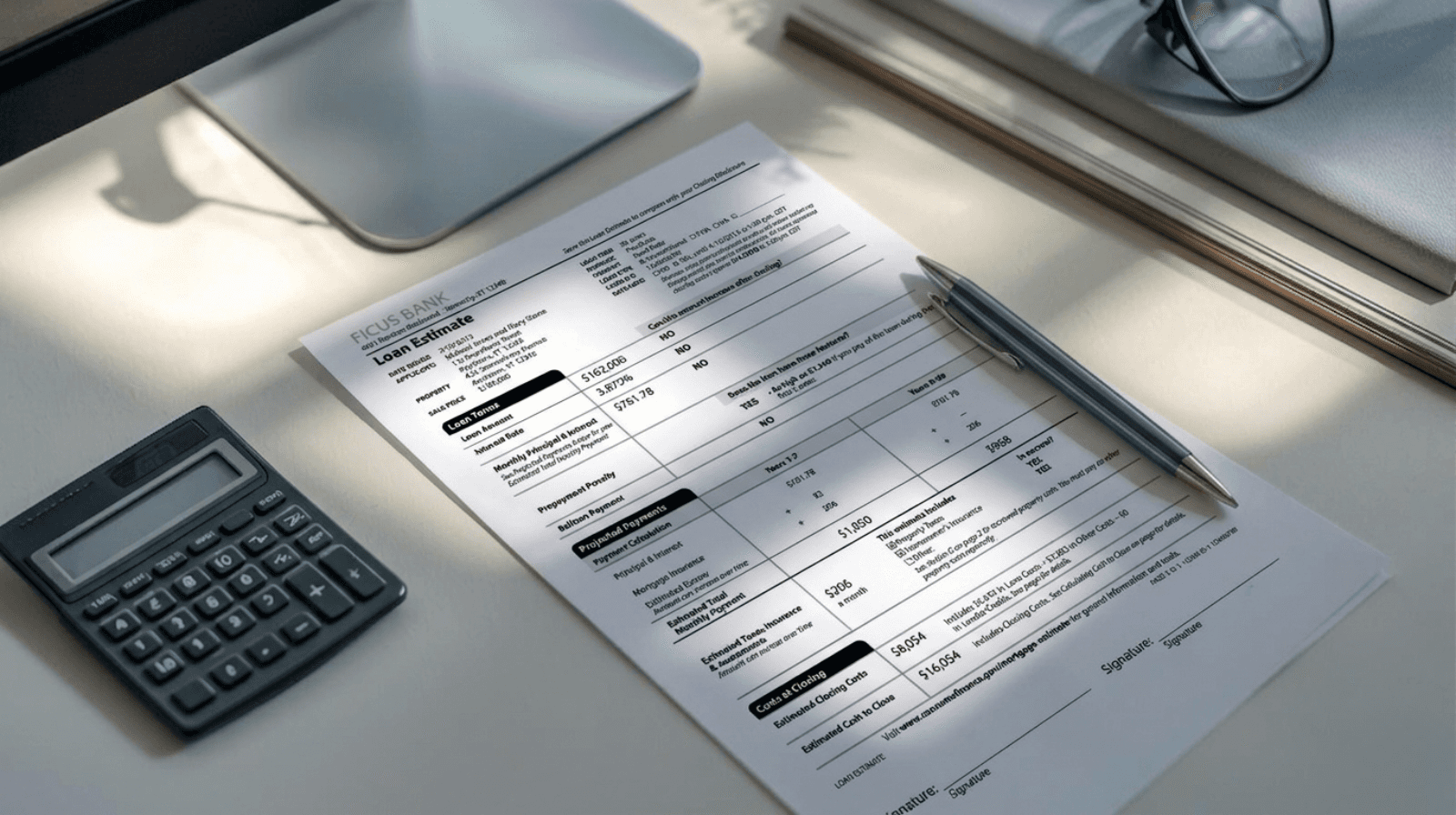
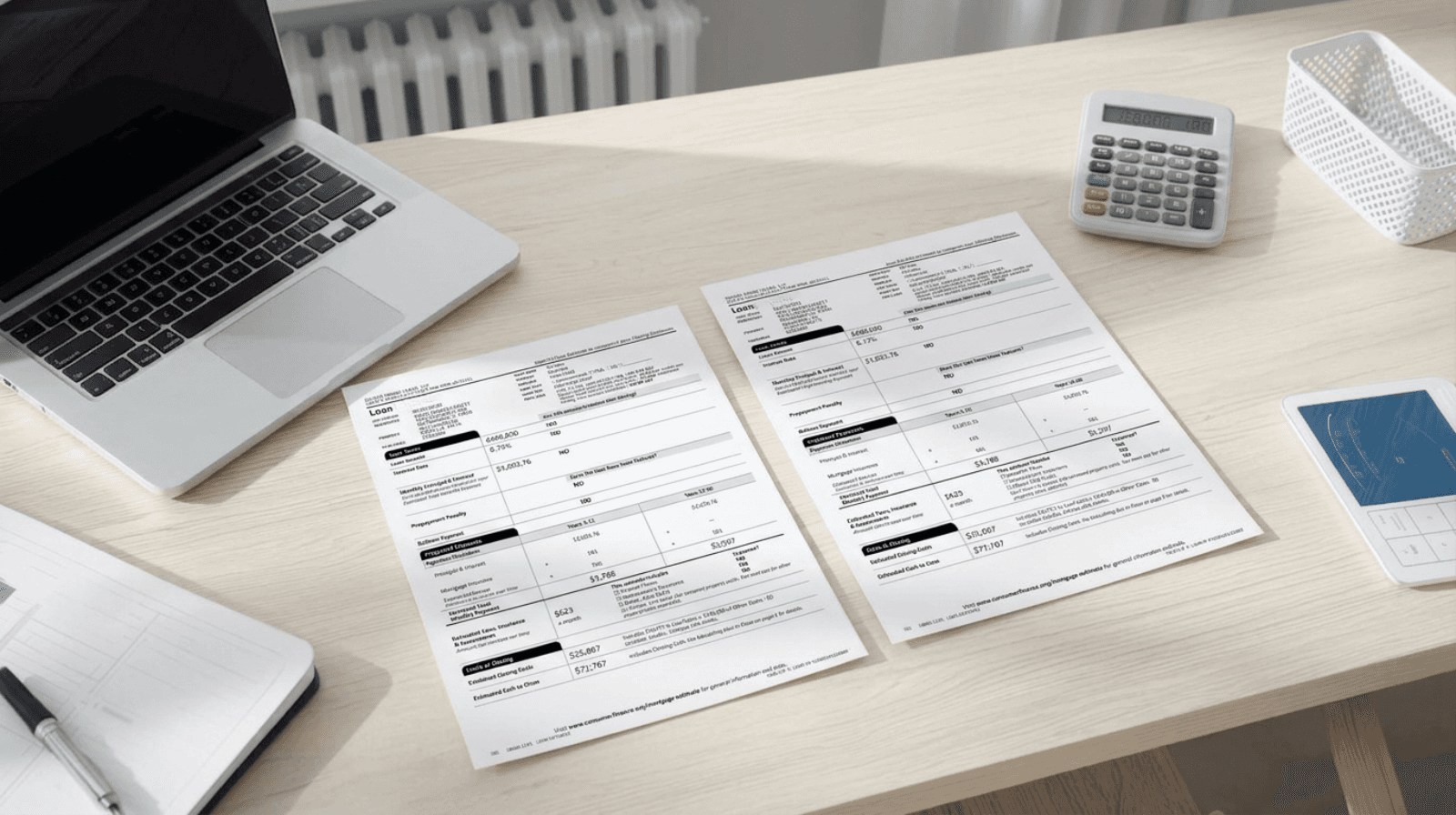
Lenders issue Loan Estimates after you apply
Rates, fees, and terms are disclosed
Rate locks are discussed
True costs become visible
This is the best moment to compare lenders.
Takeaway: Quotes are marketing. Loan Estimates are reality.
Phase 7: Underwriting & Appraisal
This is the most documentation-heavy phase.
Typical steps:
Income and asset verification
Appraisal ordered and completed
Conditions issued and cleared
Final approval granted
💡 Pro Tip: Avoid job changes, new debt, or large purchases during this phase.
Phase 8: Closing Disclosure & Final Review
Before closing, you receive your final numbers.
This phase includes:
Reviewing the Closing Disclosure
Comparing it to your Loan Estimate
Confirming cash-to-close
Asking final questions
Takeaway: This is your last chance to catch errors.
Phase 9: Closing Day
The finish line — but still a process.
What happens:
Signing loan and title documents
Funding the loan
Recording ownership
Receiving keys
Details still matter until everything is signed and funded.
Phase 10: After Closing (Often Forgotten)
Homeownership starts after closing — not at it.
Post-closing steps:
Setting up mortgage payments
Understanding escrow and taxes
Storing documents securely
Planning future refinance or payoff options
Common Timeline Mistakes Buyers Make
Shopping before pre-approval
Rushing lender selection
Waiting too long to compare offers
Ignoring financing deadlines
Making financial changes mid-process
How Fincast Fits Into the Home Buying Timeline
When you’re buying a home, you have a lot of big decisions to make, including how you’ll finance it. By the time you receive your first Loan Estimate, the clock is already ticking. Most buyers don’t realize this is the single highest-leverage moment in the entire transaction.
Fincast helps alleviate the overwhelm and cut down your time after you’ve received a single Loan Estimate from any lender.
Here’s how:
Upload your Loan Estimate securely.
Fincast benchmarks your deal across pre-screened (transparent and licensed) lenders.
Lenders compete to beat your deal without knowing your identifying information.
You choose the strongest offer — no spam, no extra credit pulls.
FAQs
How long does it take to buy a home from start to finish?
On average, once under contract, most purchases close in 30–45 days, though preparation beforehand can take weeks or months.
What is the most important stage of buying a home?
Financial preparation and lender selection have the biggest impact on cost and stress.
When should I compare mortgage lenders?
After you’re under contract and receiving Loan Estimates — that’s when real pricing appears.
What causes most closing delays?
Documentation issues, appraisal delays, and last-minute financial changes are common causes.
Is pre-approval required before house hunting?
While not legally required, pre-approval is essential for serious buyers and competitive offers.
What should I do immediately after closing?
Set up payments, store documents, and understand your escrow and tax responsibilities.
Bottom line: Buying a home isn’t a single decision — it’s a sequence. When you understand the full timeline from dream to closing, each step becomes calmer, smarter, and far more rewarding.
Disclaimer: Nothing in this content should be considered financial advice. The examples and data shared are for general information only and may not reflect your personal situation. We do not guarantee the accuracy or completeness of the information provided. Always do your own research and speak with a qualified financial advisor before making any financial decisions.
Ready to Save On Your New Mortgage?