
Buying a home involves dozens of decisions — and most mistakes happen when steps are skipped or done out of order. Many buyers feel confident at the start, only to feel overwhelmed once deadlines, documents, and financing details pile up. A clear checklist keeps you grounded, organized, and in control from planning to closing. This step-by-step guide walks you through the entire home-buying process in the right order so nothing critical gets missed.
Key Takeaways
Home buying works best when steps are done in sequence
Preparation matters more than speed
Financing clarity prevents last-minute surprises
Checklists reduce stress and costly errors
Comparing lenders is a required step — not an optional one
Step 1: Financial Preparation (Before You Shop)
Before you look at homes, you need a clear picture of your finances. This step determines what’s realistic and prevents heartbreak later.
Checklist:
Review your credit report
Understand your credit score range
Estimate a comfortable monthly payment
Build cash reserves for closing costs
Avoid taking on new debt
Strong preparation leads to smoother approvals and better pricing.
💡 Pro Tip: A “comfortable” payment should leave room for life — not stretch your budget to the edge.
Step 2: Learn the Basics of Mortgages
Understanding how mortgages work helps you compare offers intelligently instead of guessing.
Checklist:
Learn the difference between rate and APR
Understand points, credits, and lender fees
Know common loan types (conventional, FHA, VA, etc.)
Understand debt-to-income ratio basics
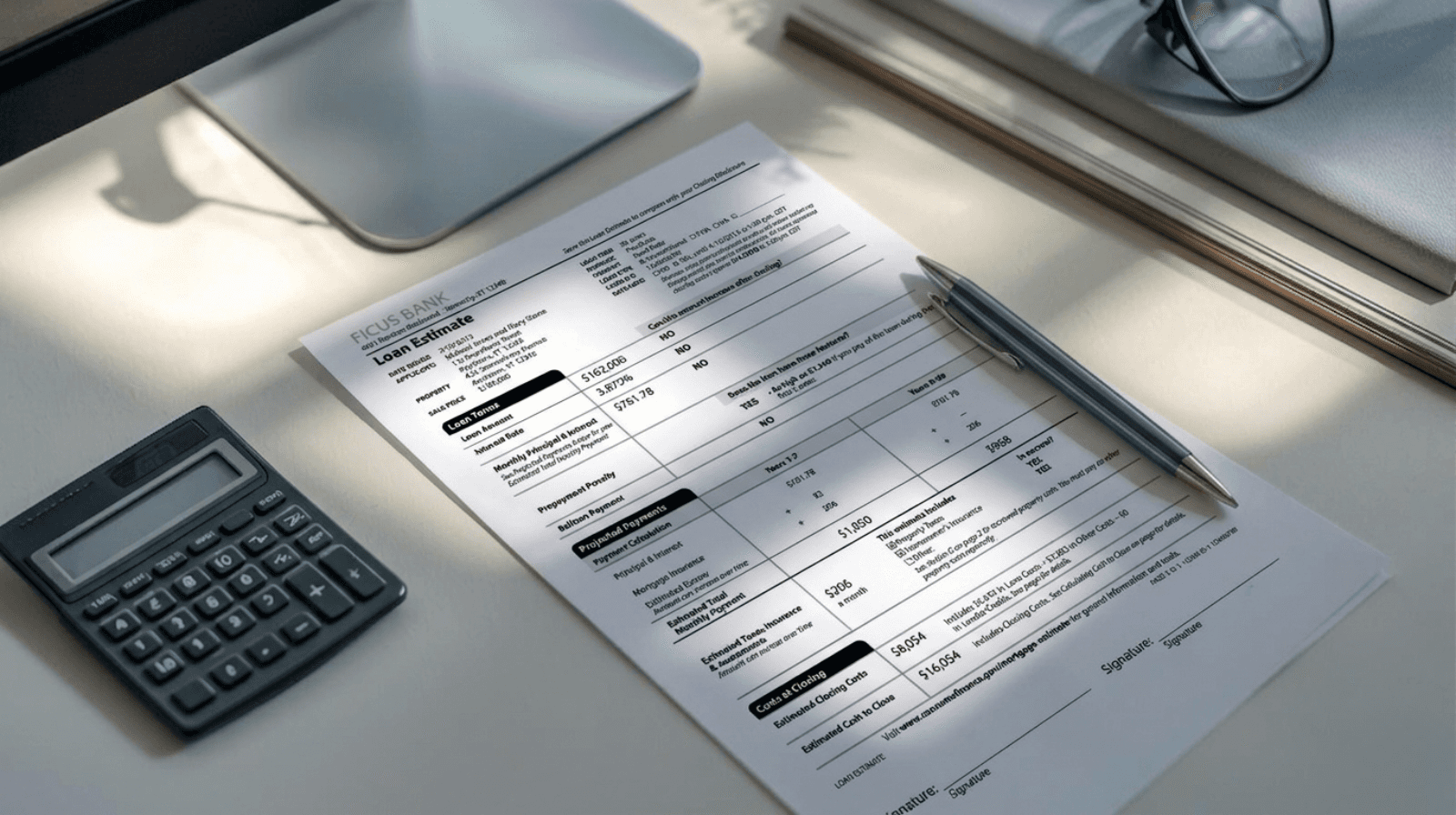
Know what a Loan Estimate shows
Step 3: Get Pre-Approved (Not Just Pre-Qualified)
Pre-approval shows sellers you’re serious and gives you a real price range.
Checklist:
Submit income and asset documentation
Authorize a credit pull
Receive a written pre-approval letter
Confirm any conditions attached
Ask how long the pre-approval is valid
💡 Pro Tip: Pre-qualification is informal. Pre-approval is actionable.
Step 4: Start House Hunting Strategically
Once pre-approved, you can shop with confidence — and discipline.
Checklist:
Define must-haves vs nice-to-haves
Set a firm top price (below your max approval)
Understand neighborhood taxes and insurance costs
Tour homes with resale value in mind
Avoid emotional overbidding
💡 Pro Tip: The right house fits both your life and your loan.
Step 5: Make an Offer (With Financing in Mind)
Your offer isn’t just about price — it’s about terms.
Checklist:
Confirm the financing timeline with your lender
Include appropriate contingencies
Understand earnest money requirements
Align the closing date with your loan timeline
Review the purchase agreement carefully
A strong offer balances attractiveness with protection.
Step 6: Lock in Financing and Compare Lenders
This is where many buyers leave money on the table.
Checklist:
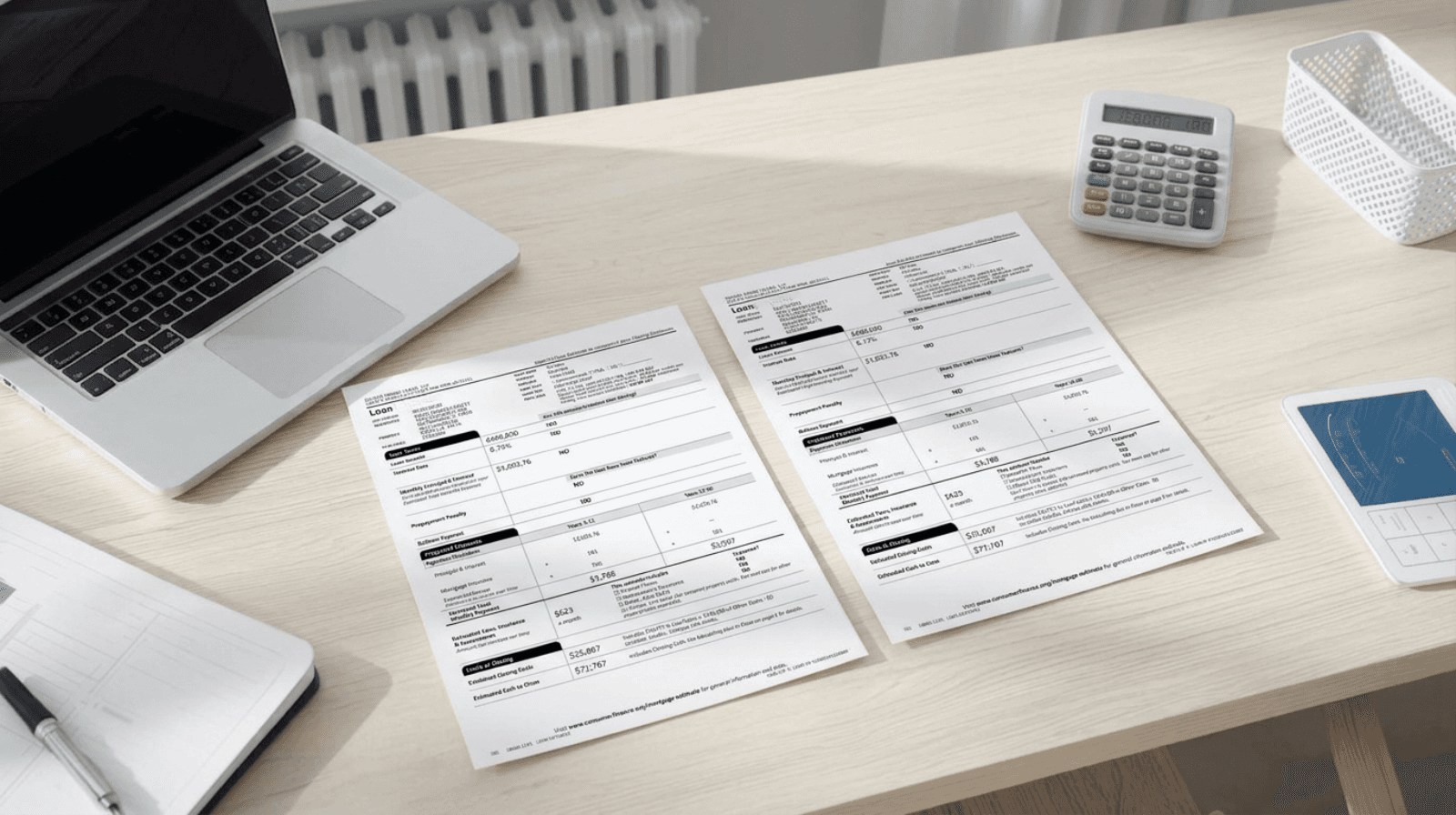
Request Loan Estimates from multiple lenders
Compare rates, fees, and monthly payments
Confirm rate-lock terms and expiration
Ask about underwriting flexibility
Choose the lender with the best overall value
💡 Pro Tip: The best loan is rarely the first one you’re shown.
Comparing lenders is one of the most financially impactful steps in the entire process — yet it’s also the one most buyers rush. Fincast simplifies the comparison process — and you only need a single Loan Estimate from any lender to get started.
Here’s how it works:
Upload your Loan Estimate securely.
Fincast benchmarks your deal across pre-screened (transparent and licensed) lenders.
Lenders may present more competitive terms.
You choose the strongest offer — no spam, no extra credit pulls.
Using Fincast during the lender-comparison step helps you make confident decisions during one of the largest purchases of your lifetime.
Step 7: Underwriting and Appraisal
This is the most documentation-heavy phase — preparation helps.
Checklist:
Respond quickly to document requests
Avoid financial changes
Track appraisal timing
Review appraisal results
Satisfy any conditions
Step 8: Review Your Closing Disclosure
This is your final chance to catch errors, so take the time to carefully review your Closing Disclosure.
Checklist:
Compare it to your original Loan Estimate
Confirm interest rate and loan term
Review cash-to-close amount
Verify credits and fees
Ask questions immediately
💡 Pro Tip: You should understand every line — not just sign it.
Step 9: Close and Get the Keys
You’re almost there — stay focused.
Checklist:
Bring the required identification
Confirm wire instructions securely
Perform a final walk-through
Sign documents
Get copies of everything
Step 10: After Closing (Often Overlooked)
The checklist doesn’t end when you get the keys.
Checklist:
Set up mortgage auto-pay
File important documents safely
Understand escrow and taxes
Plan future refinance or payoff strategy
Update your financial plan
Common Homebuyer Mistakes This Checklist Prevents
Shopping before financial prep
Relying on one lender
Ignoring Loan Estimates
Making financial changes mid-process
Waiting too long to ask questions
FAQs
What is the first step in buying a home?
Financial preparation. Reviewing credit, budget, and cash reserves should happen before house hunting.
When should I compare mortgage lenders?
You can begin researching lenders early, but a formal comparison should happen once you have Loan Estimates after applying — typically once you’re under contract.
Is a checklist really necessary for buying a home?
Yes. Home buying has many moving parts, and a checklist helps prevent missed steps and costly mistakes.
What documents should I review carefully before closing?
Your Loan Estimate, Closing Disclosure, and purchase agreement are critical.
Can first-time buyers use the same checklist?
Yes. This checklist is especially helpful for first-time buyers navigating the process.
How long does the home-buying process usually take?
It varies, but following a checklist keeps the process smoother and more predictable.
Bottom line: Home buying doesn’t have to feel chaotic. A clear, step-by-step checklist turns a complex process into a manageable one — and helps you move from planning to keys with confidence.
Disclaimer: Nothing in this content should be considered financial advice. The examples and data shared are for general information only and may not reflect your personal situation. We do not guarantee the accuracy or completeness of the information provided. Always do your own research and speak with a qualified financial advisor before making any financial decisions.
Ready to Save On Your New Mortgage?