
Buying a home is exciting — but it’s also one of the most complex financial decisions you’ll ever make. Most first-time buyers focus on the house itself and underestimate how much the process, financing, and fine print matter. The result is confusion, stress, and sometimes costly surprises. Having the right resources before you start can turn uncertainty into confidence and help you avoid mistakes that many buyers only learn about too late.
Key Takeaways
Education matters as much as your budget when buying a home
Mortgage terms, not just home price, drive long-term cost
The right tools help you make confident decisions, not guess
Understanding documents early prevents closing surprises
Informed buyers make stronger, calmer decisions
Foundational Concepts Every Homebuyer Should Understand
Before diving into tools and calculators, it’s critical to understand a few core ideas. These concepts shape every decision that follows and help you ask smarter questions.
Key concepts to know:
How mortgage rates and fees work together
What debt-to-income ratio measures
How credit affects approval and pricing
The difference between pre-qualification and pre-approval
Why Loan Estimates matter more than quotes
💡 Pro Tip: If you don’t understand a term, pause and learn it before moving forward — confusion compounds fast in real estate.
Must-Read Documents Before You Make an Offer
Certain documents recur throughout the buying process. Reading and understanding them early gives you a major advantage.
Documents to know:
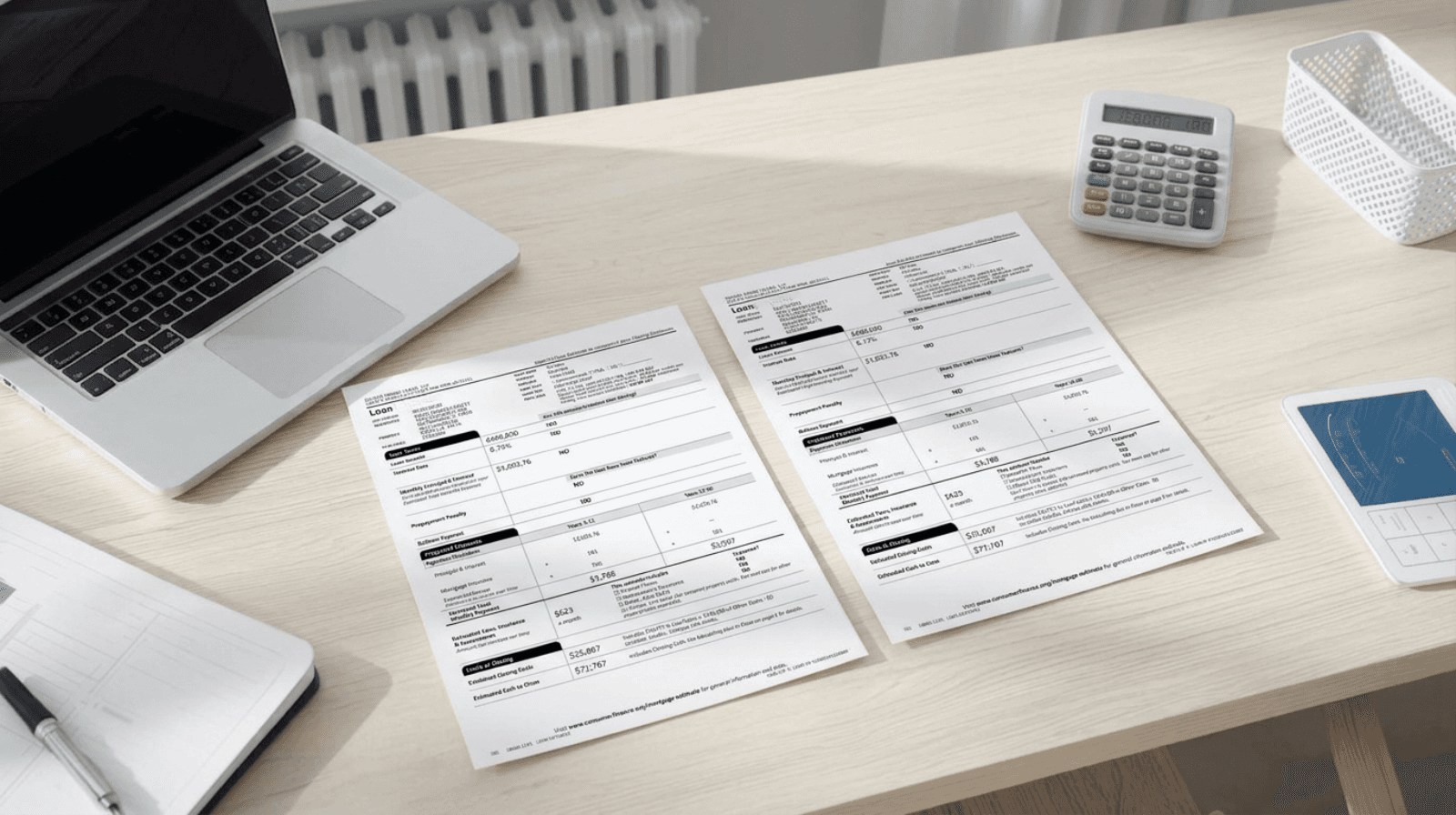
Loan Estimate (LE): Breaks down rate, fees, and monthly payment
Closing Disclosure (CD): Final version of your loan terms
Purchase Agreement: Defines price, contingencies, and timelines
Seller Disclosures: Reveal known issues with the property
Appraisal Report: Confirms market value for the lender
Financial Tools Every Buyer Should Use
Tools don’t replace judgment, but they help you model reality instead of guessing.
Helpful tools include:
Mortgage payment calculators
Closing cost estimators
Rent vs buy calculators
Amortization schedules
Credit monitoring tools
What to watch for:
Assumptions baked into calculators
Estimates that ignore taxes or insurance
Tools tied to a single lender’s products
Information Sources Worth Your Time
Not all advice online is created equal. Focus on sources that explain why, not just what.
Look for resources that:
Explain trade-offs clearly
Avoid “guaranteed” outcomes
Use examples and scenarios
Update guidance as rules change
Good topics to research:
How interest rates affect affordability
Common first-time buyer mistakes
How underwriting decisions are made
What happens if timelines change
Takeaway: Reliable education reduces the reliance on emotional decision-making.
Understanding the Mortgage Process End-to-End
Many buyers only understand the step they’re currently in. Seeing the full path prevents surprises.
High-level stages include:
Financial preparation
Pre-approval
Offer and contract
Underwriting
Appraisal and conditions
Closing
Knowing what’s ahead helps you:
Respond faster to requests
Reduce stress
Avoid last-minute issues
💡 Pro Tip: Most delays happen during underwriting — preparation before this stage matters most.
Tools that Actually Help Buyers
The most powerful tool for a buyer is transparency.
When exploring options, you should be looking at the:
Same loan type
Same rate-lock period
Same points and credits structure
Same assumptions
Step-by-Step: How a New Homebuyer Should Use Resources
Learn the core concepts first
Use tools to model scenarios
Read sample Loan Estimates
Shop multiple lenders early
Revisit resources as you move forward
Common First-Time Buyer Mistakes
Focusing only on the purchase price
Trusting one lender’s advice without shopping
Skipping document review
Relying on online calculators alone
Waiting too long to learn the process
How Fincast Helps First-Time Buyers Navigate Resources
Many buyers gather information — but still end up choosing a loan based on a single lender’s offer.
Fincast helps you use actual data from your Loan Estimate instead of relying on verbal quotes or informal estimates.
Here’s how it works:
Upload your Loan Estimate securely
Fincast standardizes the data so you can make confident decisions
Participating lenders may review your Loan Estimate and submit competing options
You review side-by-side offers and choose the one that fits your goals
Fincast does not replace your lender. It helps you validate pricing and terms before you move forward.
For first-time buyers especially, this can provide clarity at the moment it matters most — after you’ve already taken the credit step and received real numbers.
FAQs
What should a first-time homebuyer learn first?
Start with how mortgages work, including rates, fees, and monthly payments. These affect affordability more than the home price alone.
Are online mortgage calculators accurate?
They’re useful for estimates, but actual numbers depend on taxes, insurance, credit, and lender pricing.
What documents should I read before closing?
Loan Estimates, Closing Disclosures, and the purchase agreement are essential reading for every buyer.
How many lenders should a homebuyer shop?
Many consumer finance studies suggest shopping at least three lenders, as pricing differences can materially impact long-term loan cost.
Do first-time buyers need professional guidance?
Education plus comparison is key. The more informed you are, the better guidance works.
Can tools replace talking to a lender?
No. Tools help you prepare and make confident decisions, but conversations clarify how rules apply to your situation.
Buying a home isn’t just about finding the right property — it’s about having the right information at the right time. The best-prepared buyers don’t just shop for homes. They study the process, use the right tools, and make decisions with clarity rather than under pressure.
This article is for educational purposes only and does not constitute financial, legal, or tax advice. Mortgage requirements vary by lender and individual circumstances. Consult with licensed professionals for your specific situation.
Disclaimer: Nothing in this content should be considered financial advice. The examples and data shared are for general information only and may not reflect your personal situation. We do not guarantee the accuracy or completeness of the information provided. Always do your own research and speak with a qualified financial advisor before making any financial decisions.
Ready to Save On Your New Mortgage?