
Most first-time buyers don't realize they're leaving thousands of dollars on the table. Between down payment assistance, closing cost grants, and tax credits, federal, state, and local programs offer substantial help — but only if you know where to look.
The reality is that programs exist specifically to help people like you become homeowners. Many offer assistance of $5,000-$15,000, reduced interest rates, or zero-down payment options. This guide shows you the programs to consider and how to access them.
Key Takeaways
Federal Programs Are Widely Available:
FHA, VA, and USDA loans offer low down payments (0% - 3.5%) and flexible credit requirements nationwide.
State Programs Vary Dramatically:
Many states offer down payment assistance ($3,000-$15,000) and reduced-rate mortgages through state housing finance agencies.
Income Limits Apply to Most Programs:
Many programs cap eligibility at 80-120% of the area median income, but limits are generous in most markets.
You Can Stack Multiple Programs:
Combine federal loan programs with state down payment assistance and local grants to maximize benefits.
Definition of "First-Time Buyer" Is Generous:
Most programs define "first-time" as not owning a home in the past three years, so repeat buyers often qualify.
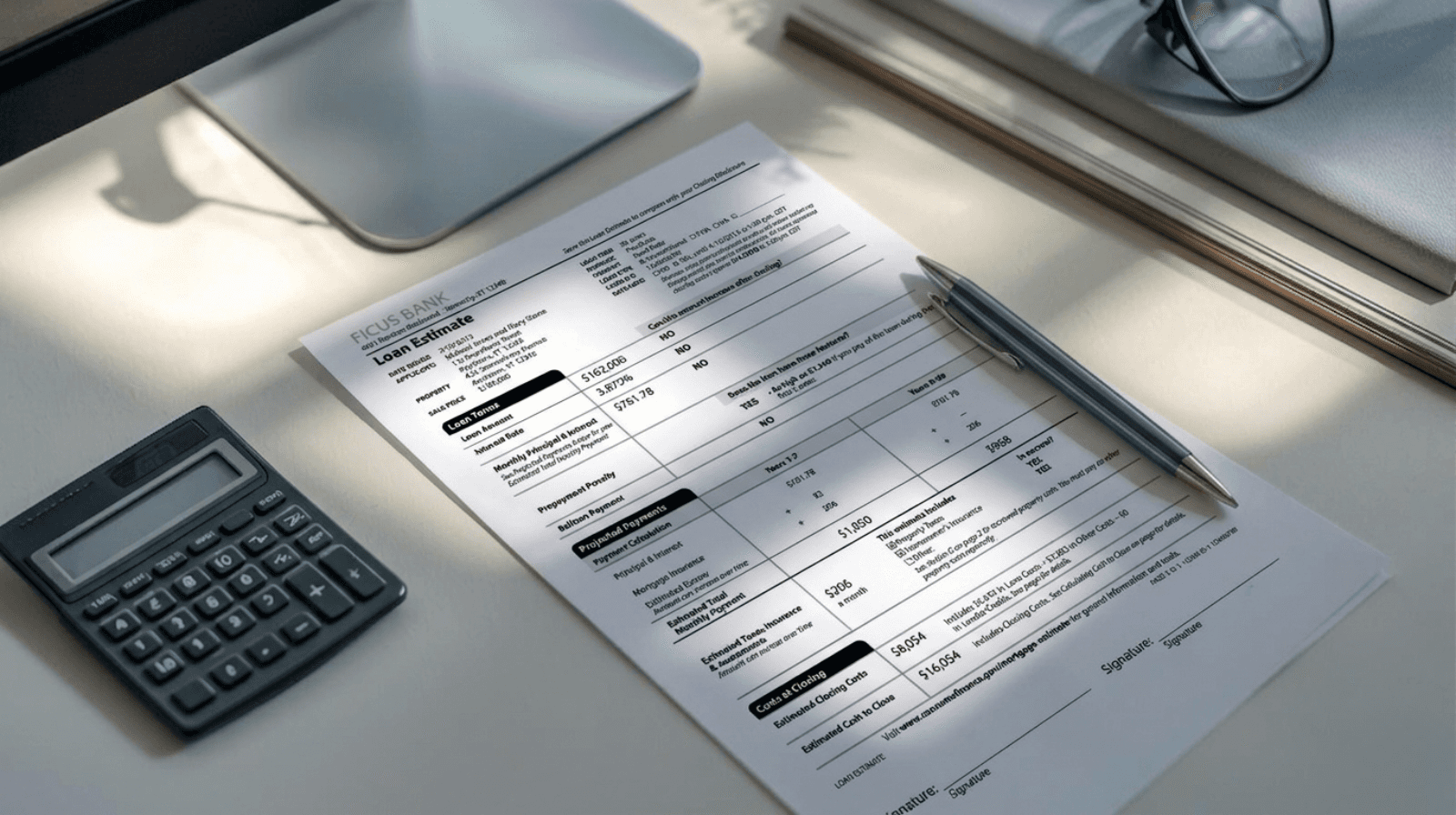
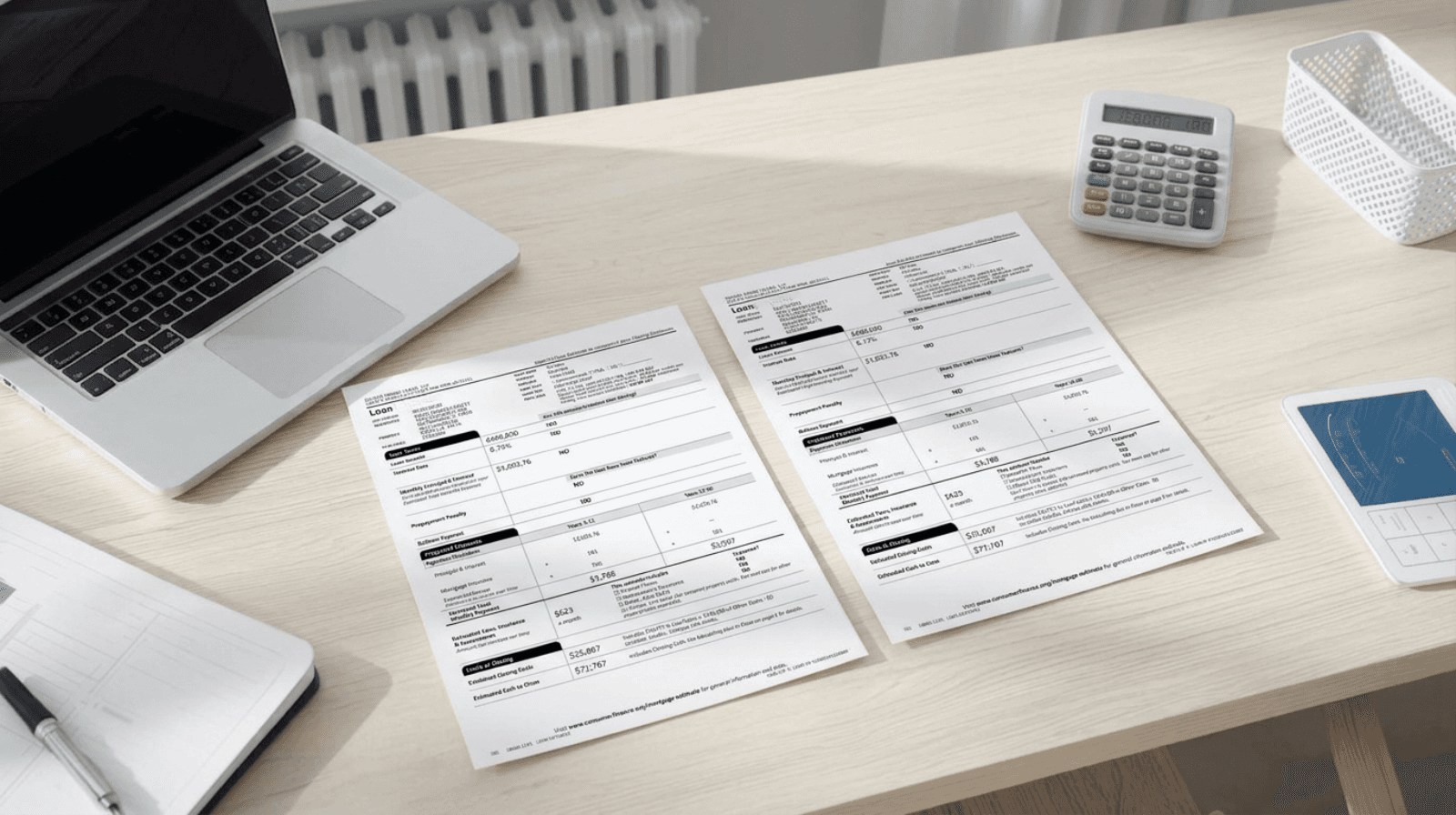
💡 Pro Tip: Once you qualify for assistance programs and get pre-approved, maximize your buying power by securing the most competitive rates and terms. Upload your Loan Estimate to Fincast and let vetted lenders compete to beat your rate --- every dollar saved means more money for your new home.
Federal First-Time Buyer Programs 🏛️
FHA Loans: The Accessible Entry Point
FHA loans require just 3.5% down with a credit score of 580+ and often accept borrowers with past credit issues. While not technically a "first-time buyer" program, FHA's flexibility makes it a popular choice for first-time buyers. Sellers can contribute up to 6% toward closing costs, and you can use gift funds for your entire down payment.
VA Loans: Zero Down for Military Members
If you're a veteran, active-duty service member, or eligible spouse, VA loans offer 0% down, no monthly mortgage insurance, and competitive rates. The VA funding fee (1.4-3.6%) can be rolled into the loan, and sellers can pay all closing costs. This is one of the most powerful homebuyer benefits available.
USDA Loans: Rural Housing with 0% Down
USDA loans offer 0% down for properties in eligible rural and suburban areas (check eligibility). Income limits apply—typically 115% of the area median income. Mortgage insurance is much lower than FHA (0.35% annually vs. 0.55%), making this an excellent deal if you qualify.
Fannie Mae HomeReady and Freddie Mac Home Possible
These conventional loan programs require just 3% down and accept income from non-borrowing household members (like a parent or roommate) to qualify. Income limits apply: 80% of the area median income for most areas, 100% in underserved communities. PMI is typically lower than standard conventional PMI, and you can cancel it once you have 20% equity.
State and Local Assistance Programs 🏘️
Every state has a housing finance agency (HFA) and many offer first-time buyer programs. Benefits typically include:
Down Payment Assistance (DPA): $3,000-$15,000 grants or forgivable loans for down payment and closing costs
Reduced Interest Rates: 0.25-0.75% below market rates through Mortgage Credit Certificates (MCCs)
Tax Credits: Annual federal tax credits worth 10-50% of your mortgage interest
Homebuyer Education: Free or subsidized homebuyer courses (often required for program participation)
How to Find State Programs:
Search "[Your State] housing finance agency" or visit the National Council of State Housing Agencies (ncsha.org) directory. Most programs have income limits (80-120% of the area median income) and purchase price caps.
Who Qualifies as a "First-Time Buyer"? 🤔
Good news: the definition is more generous than you think. You're typically considered a first-time buyer if:
You haven't owned a home in the past three years
You're a single parent who only owned a house with a former spouse
You've only owned a property not permanently affixed to a foundation (like a mobile home)
You've only owned property not in compliance with state/local building codes
This means if you sold your home 3+ years ago, you may be able to access first-time buyer programs again. Always check the specific program requirements, as some programs use different definitions.
How to Stack Programs for Maximum Benefit 💰
To make the most of the help available, combine multiple programs:
Example 1: FHA loan (3.5% down) + State DPA ($10,000 grant) + Homebuyer tax credit = Minimal out-of-pocket costs
Example 2: HomeReady loan (3% down) + City DPA ($5,000) + Mortgage Credit Certificate (tax savings) = Lower monthly payment and upfront costs
Example 3: USDA loan (0% down) + State closing cost assistance ($3,000) = True zero out-of-pocket purchase
Work with a lender experienced in first-time buyer programs who can identify all available assistance and structure the best combination for your situation.
How Fincast Maximizes Your Assistance Programs 🚀
You've found assistance programs that reduce your upfront costs—now make sure that you’re getting a competitive mortgage rate to minimize your monthly payment. Even with assistance, your interest rate determines what you'll pay over 30 years.
Here's how Fincast works:
Apply for the loan and receive your Loan Estimate
Upload your Loan Estimate to Fincast — secure platform, no hassle
Lenders compete — vetted lenders offer better terms to win your business
Save thousands — compare offers and choose the best rate
No extra credit pulls. No spam. Your assistance program benefits work even better when paired with a competitive mortgage rate.
FAQs
1. Do I have to repay down payment assistance?
It depends. Some DPA programs are grants (free money). Others are forgivable loans that don't require repayment if you stay in the home for the required amount of time. A few are second mortgages with repayment requirements. Always read the terms before accepting assistance.
2. Can I use gift funds with first-time buyer programs?
Yes. Many programs allow family gift funds for down payment and closing costs. FHA allows 100% gift funds. However, keep in mind that some programs require you to contribute a minimum (1-3%) from your own funds.
3. Are first-time buyer programs only for low-income buyers?
No. While income limits exist, they're typically generous. Limits of 80-120% of the area median income allow many middle-income buyers to qualify.
4. Do these programs restrict where I can buy?
Sometimes. USDA loans are limited to eligible rural/suburban areas. Some state and local programs target specific neighborhoods or limit purchase price. Federal programs like FHA and VA have no location restrictions beyond being your primary residence.
5. How do I find programs I qualify for?
Start with your state housing finance agency website and also talk to local lenders experienced in first-time buyer programs. Contact HUD-approved housing counseling agencies for free guidance. Many agencies offer pre-qualification tools to check eligibility before applying.
Bottom Line
First-time buyer programs can save you thousands and make homeownership achievable sooner than you think. Don't leave money on the table by assuming you don't qualify or that the process is too complicated.
You're ready to pursue assistance programs when:
You meet the "first-time buyer" definition (haven't owned in 3 years)
Your income falls within program limits (check the state HFA website)
You're willing to complete homebuyer education (if required)
You have a steady income and decent credit (580+ for most programs)
You're buying in an eligible area (for USDA and location-specific programs)
Once you've identified your programs and applied for the loan, upload your Loan Estimate to Fincast to ensure you have a competitive rate to complement your assistance benefits.
Pro Tips (Save These!)
Research state programs first — they offer the most substantial benefits
Complete homebuyer education early — many programs require it
Haven't owned in 3 years? You may qualify as a "first-time" buyer
Stack federal, state, and local programs for maximum benefit
Upload your Loan Estimate to Fincast to pair assistance with the competitive deals
Ask lenders which programs they're approved to offer
Check city and county programs in addition to state offerings
Don't assume you don't qualify --- income limits are often generous
Action Checklist
Confirm you meet the "first-time buyer" definition
Visit your state housing finance agency website
Check income and purchase price limits for your target area
Research city and county programs in addition to the state
Complete the required homebuyer education course if needed
Contact a HUD-approved housing counselor for guidance
Get pre-approved with a lender experienced in assistance programs
Apply for down payment assistance grants
Upload your Loan Estimate to Fincast after applying for the loan
Compare lender offers and lock the most competitive rate
Start house hunting with a clear understanding of your buying power!
👉 Ready to maximize your first-time buyer benefits? Research your programs, apply for the loan, then upload your Loan Estimate to Fincast to ensure you have a competitive deal alongside your assistance.
Disclaimer: Nothing in this content should be considered financial advice. The examples and data shared are for general information only and may not reflect your personal situation. We do not guarantee the accuracy or completeness of the information provided. Always do your own research and speak with a qualified financial advisor before making any financial decisions.
Ready to Save On Your New Mortgage?