When you’re buying a home, you might receive a Fee Sheet early in the process — and later, a Closing Disclosure right before you close.
At first glance, both show your loan costs in detail, but they serve different purposes at two distinct stages of your mortgage journey.
A Fee Sheet is an early, unofficial estimate of expected loan costs based on preliminary details. A Closing Disclosure (CD) is the official, federally required document that lists your final loan terms and costs — the version you sign at the closing.
Understanding how they differ helps you confirm your numbers, spot last-minute changes, and avoid surprises at the closing table.
Key Takeaways
Fee Sheet:
A lender-generated, early-stage estimate of fees, third-party costs, and cash-to-close — detailed but unofficial.
Closing Disclosure:
A federally regulated, final statement of your confirmed loan terms, payments, and all closing costs.
Biggest Difference:
Fee Sheet = estimate.
Closing Disclosure = final.
💡 Pro Tip: After you choose a lender and find a house, complete a formal loan application. Your lender must issue a Loan Estimate within three business days. You can use this to negotiate better terms. Before closing, upload your Loan Estimate to Fincast — the platform benchmarks your final deal against vetted lenders in seconds, with no extra credit pulls or spam.
What Is a Fee Sheet?
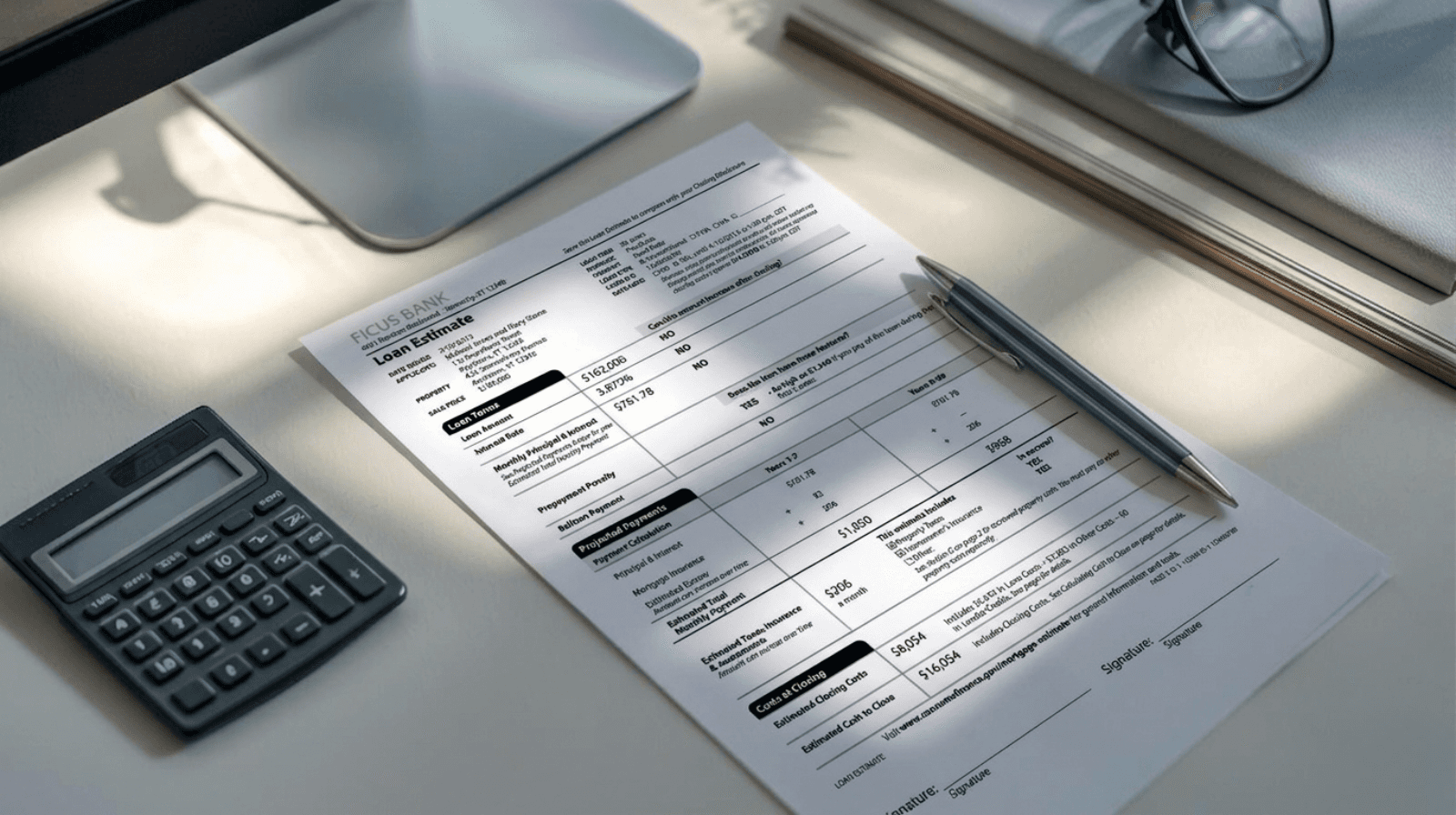
A Fee Sheet (sometimes called a “Loan Cost Worksheet,” “Itemized Fee Summary,” or any other lender-chosen name) is a written breakdown of estimated loan-related charges. Fee Sheets are not regulated or required, so not all lenders issue them.
If you find a lender that issues Fee Sheets, you’ll likely receive it early in the process — often right after you share key loan details — giving you a general idea of your projected costs.
A Fee Sheet typically includes:
Loan amount, rate, and term assumptions
Estimated monthly payment
Itemized lender fees (origination, processing, underwriting)
Third-party fees (appraisal, title, escrow)
Prepaid items (taxes, insurance, interest)
Estimated total cash to close
👉 Think of a Fee Sheet as your cost preview — a helpful, early breakdown to guide your comparisons before you receive official disclosures.
What Is a Closing Disclosure?
A Closing Disclosure (CD) is the final, federally required document that confirms the exact terms and costs of your mortgage.
Lenders must issue it at least three business days before closing so you have time to review every detail — including your loan amount, rate, monthly payment, and all fees.
A Closing Disclosure includes:
Final loan amount, rate, and term
Confirmed monthly payment (including taxes and insurance)
Itemized lender and third-party fees
Prepaid costs and escrow details
Total cash to close and funds due at signing
👉 Think of a Closing Disclosure as your final receipt — the verified summary of your loan terms and closing costs.
Fee Sheet vs Closing Disclosure: Side-by-Side
Feature | Fee Sheet | Closing Disclosure |
When You Get It | Early — before you apply for the loan | 3 days before closing |
Purpose | Preliminary cost estimate | Final, verified loan terms |
Verification | Based on estimated or semi-verified info (varies by lender) | Based on verified, finalized data |
Format | Lender-generated, not standardized | Federally standardized disclosure |
Binding? | No | Yes — legally binding at closing |
Best For | Early comparison | Final review before signing |
How Should I Use Both When Buying a Home?
Each serves a unique purpose — one helps you prepare, the other confirms your final numbers.
Step 1: Request Fee Sheets
Early in your search, ask multiple lenders for Fee Sheets (or something similar). They help you compare line-item costs before you apply.
Step 2: Apply and Receive Official Disclosures
Once you apply, you’ll get your Loan Estimate — your first regulated cost breakdown.
Step 3: Upload Your Loan Estimate to Fincast
Upload your Loan Estimate to Fincast to see how your final deal compares against offers from vetted lenders — instantly, with no credit impact.
Step 4: Choose the Best Deal and Move Forward with the Loan
After using Fincast to determine which loan has the most competitive terms, lock in your rate and complete loan processing.
Step 5: Review Your Closing Disclosure Carefully
At least three days before closing, you’ll receive your Closing Disclosure. Review it line by line to confirm that your final rate, payment, and closing costs match earlier estimates.
Step 6: Confirm Before You Sign
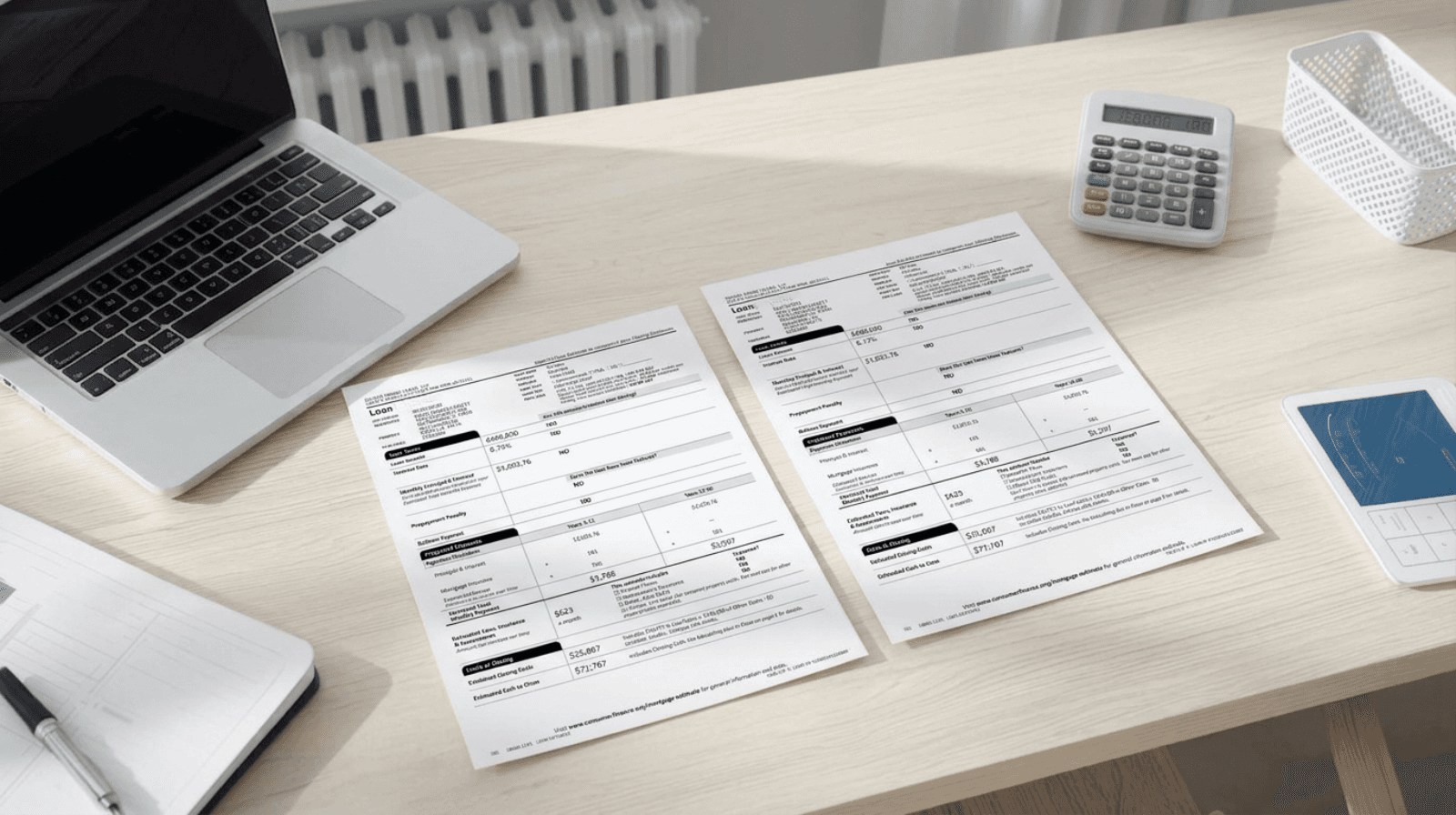
Use your Fee Sheet, Loan Estimate, and Closing Disclosure together to ensure all costs are consistent and fair.
Why Both Matter
Your Fee Sheet shows your estimated path to closing.
Your Closing Disclosure confirms you’ve arrived — accurately and transparently.
Together, they help you move from “what to expect” to “what’s final,” keeping your homebuying process clear and compliant.
Compare Real Offers Effortlessly Using Fincast
Before locking in a rate with a lender, make sure you have a competitive deal based on current market rates.
Upload your Loan Estimate to Fincast to benchmark your loan against vetted lenders and see if your rate or fees are competitive.
✅ No multiple applications
✅ No extra credit pulls
✅ No spam
You’ll see exactly how your deal stacks up — before you close.
FAQs
1. Is a Fee Sheet the same as a Closing Disclosure?
No. A Fee Sheet is a lender estimate; a Closing Disclosure is the official, legally required document issued before you close.
2. Can my Closing Disclosure differ from my Fee Sheet?
Yes, because the Fee Sheet is preliminary and not required, while the CD reflects verified fees and final loan terms.
3. What if my Closing Disclosure costs are higher?
Ask your lender to explain any increases. Some fees can’t legally rise beyond certain limits under TRID rules.
4. When should I get my Closing Disclosure?
At least three business days before closing — giving you time to review and ask questions.
5. How does Fincast help?
Fincast benchmarks your Loan Estimate against offers from vetted lenders to help you evaluate if your deal is competitive.
Bottom Line
Fee Sheet = early estimate.
Closing Disclosure = final truth.
One helps you anticipate your costs; the other confirms them before you sign.
With Fincast, you can confidently compare your offer and gain peace of mind before closing.
Pro Tips (Save These!)
✅Use Fee Sheets (or documents with similar names) to find competitive lenders.
✅Don’t rely on Fee Sheets for actual numbers; wait until you apply for the loan and get a Loan Estimate.
✅ Upload your Loan Estimate to Fincast before closing to confirm competitiveness.
✅ Always compare your Loan Estimate and Closing Disclosure side by side.
✅ Ask your lender to explain any fee changes.
✅ Keep copies of all versions for your records.
Action Checklist
☑️ Request Fee Sheets from multiple lenders
☑️ Apply for your loan and review your Loan Estimate
☑️ Upload your Loan Estimate to Fincast for instant benchmarking
☑️ Review your Closing Disclosure carefully before signing
☑️ Confirm your deal before closing
👉 Ready to close with confidence?
Upload your Loan Estimate to Fincast to see how your deal compares before you close.
Disclaimer: Nothing in this content should be considered financial advice. The examples and data shared are for general information only and may not reflect your personal situation. We do not guarantee the accuracy or completeness of the information provided. Always do your own research and speak with a qualified financial advisor before making any financial decisions.
Ready to Save On Your New Mortgage?