
A cash-out refinance lets you tap your home’s equity and convert it into cash, often at a lower rate than credit cards or personal loans. But unlike a standard rate-and-term refinance, a cash-out refinance requires significantly more equity. How much depends on your loan type, property type, and lender rules.
Short answer:
Most homeowners need 20–25% equity after the refinance to qualify for a cash-out loan, depending on the lender. That usually means your loan can’t exceed 75–80% of your home’s value. FHA and VA cash-out options exist, but they have strict limits — and lenders often add their own tighter overlays.
This guide breaks down cash-out equity requirements by loan type, how to calculate how much cash you can take out, and how to use your Loan Estimate to benchmark your offer.
Key Takeaways
Most cash-out refinances require you to leave 20–25% equity in your home after closing.
The maximum allowed LTV for cash-out is typically 80% for most programs, though it's sometimes higher for VA loans.
Investment properties and multi-unit homes typically require lower LTVs (more equity).
Strong credit and DTI may help you qualify for higher cash-out amounts.
Appraisal results heavily influence how much cash you can actually take.
💡 Pro Tip: Don’t leave money on the table. Lenders price cash-out refinances differently, which could amount to tens of thousands of dollars difference over the loan term. Shop around to ensure you get the most competitive deal.
How Cash-Out Refinances Work
A cash-out refinance replaces your existing mortgage with a new, larger one — and you receive the difference in cash. The amount you can tap depends on:
Your home’s value
Your current loan balance
Maximum LTV limits
Appraised value
Loan program rules
Lenders only allow you to borrow up to a certain percentage of your home’s value to ensure you retain a cushion of equity.
💡 Pro Tip: A larger loan amount may mean a higher monthly payment. Ensuring you have the most competitive terms is the key to keeping your payment affordable.
How Much Equity You Need for a Cash-Out Refinance (By Loan Type)
1. Conventional Cash-Out Refinance
A conventional loan is the most common option.
Maximum LTV: 80%
You must retain 20% equity after closing.
Example
Home value: $500,000
Max allowed loan (80% LTV): $400,000
Current loan balance: $320,000
Available cash-out: $80,000
Additional rules:
Strong credit score (typically 680–700+)
Lower DTI may improve approval odds
There are often stricter requirements for condos or manufactured homes
For most homeowners, conventional cash-out provides the best combination of pricing and flexibility, but actual requirements vary by lender.
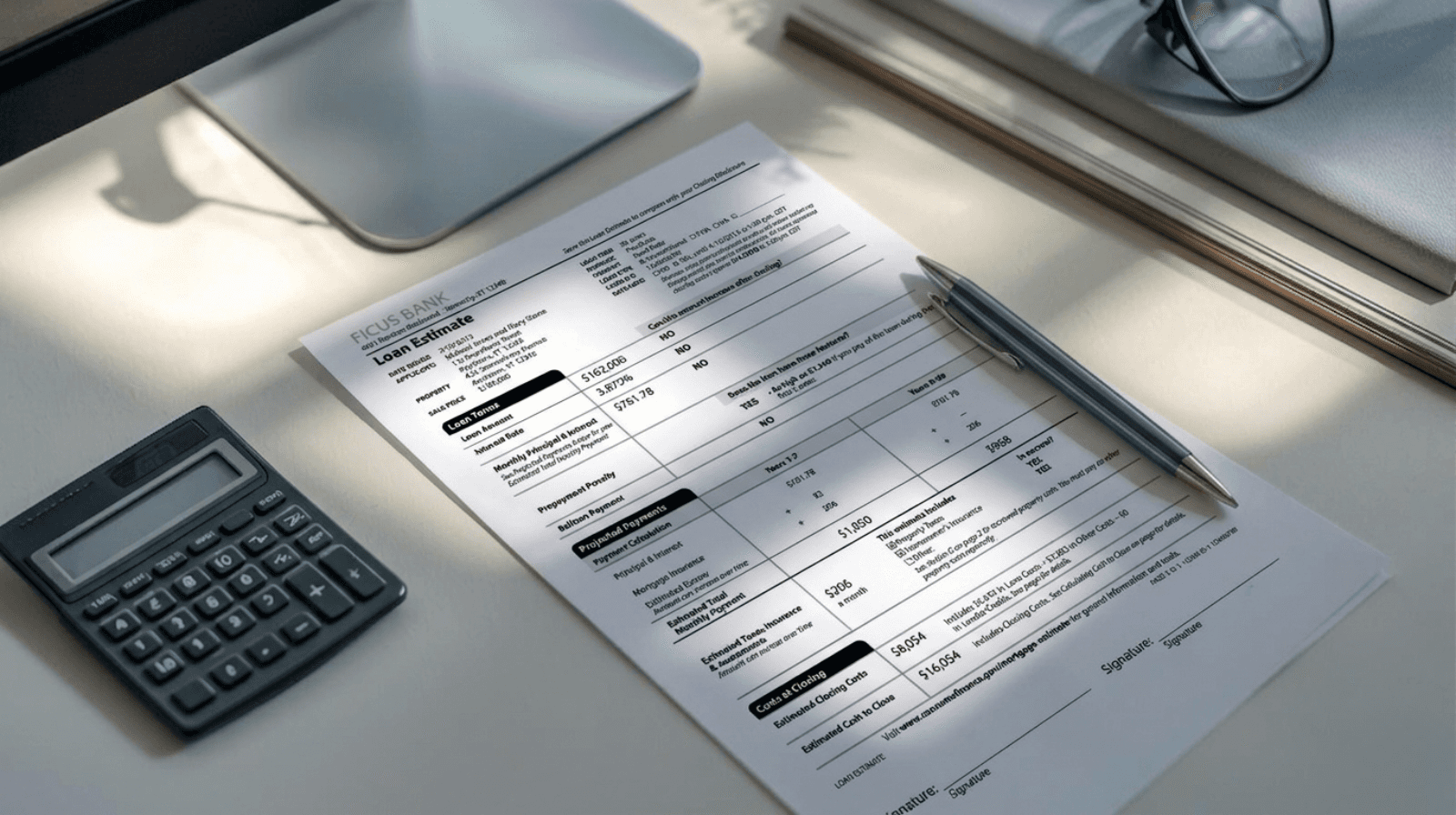
💡 Pro Tip: Already have a Loan Estimate from a lender? Take 2 minutes to upload it to Fincast and see what other lenders might offer.
2. FHA Cash-Out Refinance
FHA loans typically allow higher LTVs for standard refinances — but not for cash-out refinances.
Maximum LTV: 80%
This is the same required maximum LTV as conventional loans.
Important:
FHA cash-out refinances require:
A full appraisal
Mortgage insurance (MIP), even if you have 20% equity
Primary residence occupancy
12 months in the house with on-time mortgage payments
FHA cash-out refinances can be a good option if your credit score is lower, but MIP can reduce long-term savings.
3. VA Cash-Out Refinance
The VA loan is the most flexible program for eligible veterans.
Maximum LTV: Up to 90%
The VA technically allows up to 100% LTV, but the vast majority of lenders cap VA cash-out at 80-90%.
Lender requirements depend on:
Credit score
DTI
Residual income
Market conditions
Benefits:
No PMI
Potentially lower rates than FHA or conventional loans
Higher allowable cash-out (in some cases)
For VA borrowers, this is often the most generous program available.
4. Jumbo Cash-Out Refinance
Jumbo lenders have the tightest cash-out rules because of the riskiness of the loan size.
Typical maximum LTV:
70–75% for primary homes
65–70% for investment properties
Jumbo loans require:
High credit scores (720–760+)
Strong reserves
Low DTI
Actual requirements vary by lender.
Cash-Out Refinance Equity Requirements by Property Type
Property Type | Typical Max LTV | Required Equity |
Single-family home | 75–80% | 20–25% |
Condo | 70–75% | 25–30% |
2–4 unit property | 70–75% | 25–30% |
Investment property | 65–75% | 25–35% |
Lenders view multi-unit and investment properties as higher risk, so equity requirements are often stricter, but exact requirements vary by lender.
How to Calculate How Much Cash You Can Take Out
It’s easy to estimate the maximum amount you may borrow once you know your home’s value and current loan balance. The key is also knowing how much you qualify for based on your credit score, income, employment, and debt-to-income ratio.
Cash Available = (Home Value × Max LTV) – Loan Balance
Example
Home value: $600,000
Max LTV (80%): $480,000
Loan balance: $380,000
Cash available:
$480,000 – $380,000 = $100,000
But note:
You must still pay:
Closing costs
Prepaids
Points (if applicable)
💡 Pro Tip: Closing costs, prepaids, and points can quickly reduce the cash you receive. Don’t settle for the first offer; shop around to ensure you get the most competitive deal.
Factors That Affect How Much Cash You Can Take Out
1. Appraisal Value
Your appraisal determines your home’s official value.
Higher appraisal = more cash available.
Lower appraisal = reduced cash-out amount or denial.
2. Credit Score
Higher scores unlock:
More cash
Lower rates
Lower fees
Lower scores may trigger risk adjustments.
3. Debt-to-Income Ratio (DTI)
Most lenders limit DTI to 45%, but exact requirements vary by lender.
4. Loan Type
Conventional and FHA cap at 80% LTV
VA allows up to 90%
Jumbo loan limits heavily depend on lender overlays
5. Property Type
Investment and multi-unit properties typically allow significantly less cash-out.
When a Cash-Out Refinance May Make Sense
Every situation is different, but common uses for a cash-out refinance include:
✔ Home improvements
✔ High-interest credit card debt
✔ Education costs
✔ Medical expenses
✔ Business startup capital
✔ Investment opportunities
Cash-out refinances sometimes offer lower rates than many other borrowing methods. Be sure you compare the total cost and the monthly payment to ensure both are affordable.
When You Might Want to Avoid a Cash-Out Refinance
Avoid cash-out if:
Your new rate is much higher
You’re close to paying off your mortgage
You plan to move within 2–3 years
You have an unstable income
You rely on stretching your loan term to lower payments
💡 Pro Tip: The key is to find the most competitive rates and terms to ensure a cash-out refinance makes financial sense.
How Fincast Can Help
It’s trickier to determine when a cash-out refinance makes sense because you are increasing your loan amount and paying closing costs to get the funds. Because cash-out refinances vary significantly between lenders, it’s crucial that you get multiple offers regarding:
Pricing
LTV caps
Cash-out limits
PMI structure
Discount points
Underwriting overlays
Without shopping around, many homeowners tend to overpay in their rush to get their hands on liquid assets.
Fincast helps you understand your options, so you make confident decisions based on transparent information.
How Fincast works:
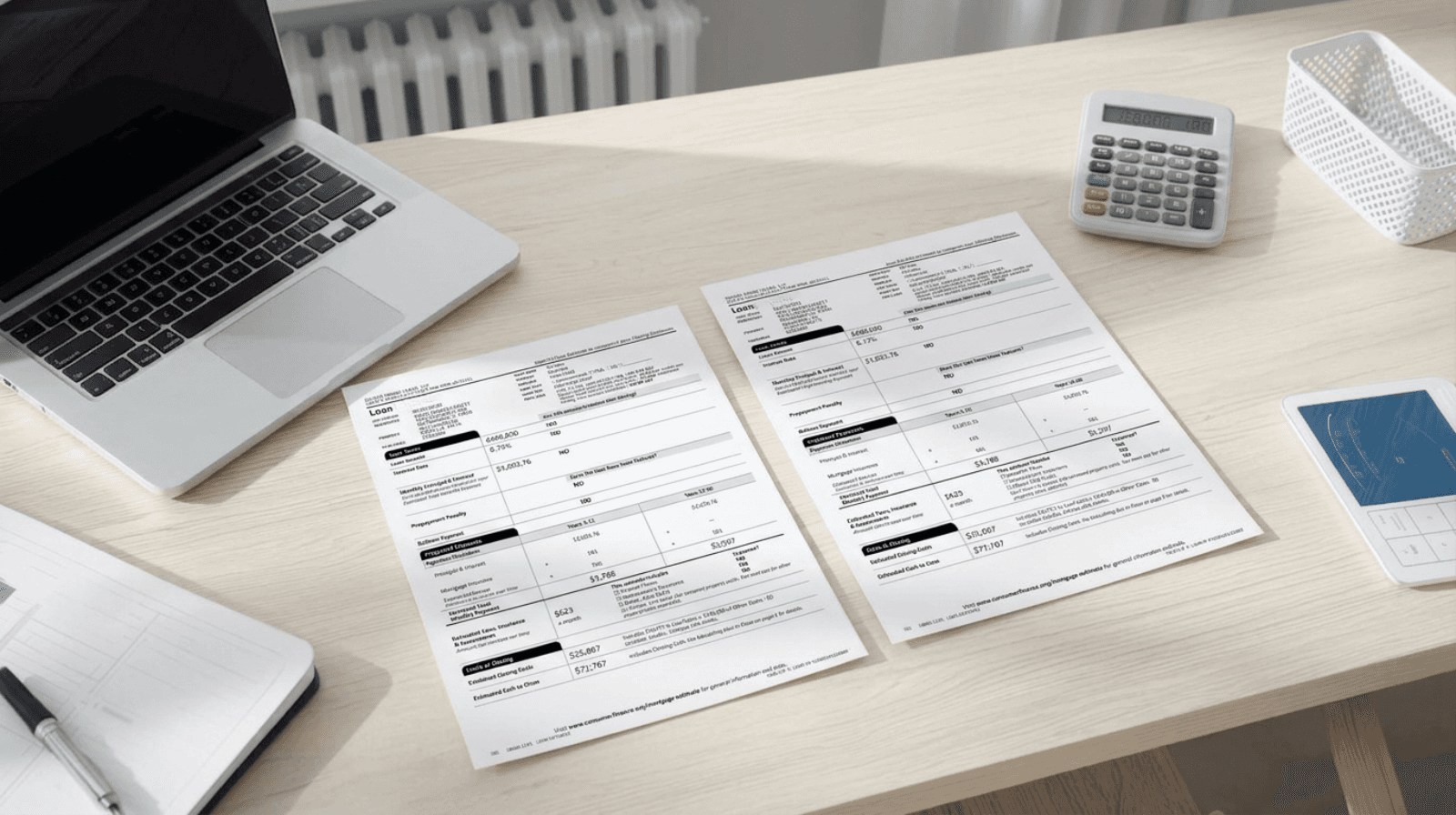
Upload your Loan Estimate
Fincast analyzes your offer
Vetted lenders anonymously compete to beat your offer
You choose the best deal
Cash-out refinances are where fee and rate differences matter most.
FAQs: Cash-Out Refinance Equity Requirements
1. How much equity do I need for a cash-out refinance?
Usually 20–25% equity, depending on the loan type and lender overlays.
2. How much can I borrow with an FHA cash-out refinance?
Most lenders allow up to an 80% LTV, but every situation differs based on lender overlays and borrower profile.
3. How much can I borrow with a VA cash-out refinance?
The VA allows up to 90% LTV, though most lenders require lower maximum LTVs.
4. Can I cash out with only 10% equity?
Generally, no — except possibly with VA, depending on lender overlays.
5. Can I cash out a second home or investment property?
It may be possible, but you’ll need much more equity — usually 25–35%, depending on the lender.
6. Does my appraisal affect how much cash I can take out?
Absolutely. It often determines your maximum cash-out amount.
Bottom Line
Most cash-out refinances require at least 20–25% equity and cap your loan at 75–80% LTV. FHA and VA provide flexible alternatives, while jumbo loans have much tighter limits. Because pricing varies dramatically based on equity, loan type, and lender overlays, comparing offers is essential.
👉Don’t guess — verify your cash-out offer. Cash-out pricing varies widely by lender. Upload your Loan Estimate to Fincast and see how your rate, fees, and cash-out limits compare. No new applications or credit pulls.
This article is for educational purposes only and does not constitute financial advice. Consult with a licensed mortgage professional for your specific situation.
Disclaimer: Nothing in this content should be considered financial advice. The examples and data shared are for general information only and may not reflect your personal situation. We do not guarantee the accuracy or completeness of the information provided. Always do your own research and speak with a qualified financial advisor before making any financial decisions.
Ready to Save On Your New Mortgage?