
You’ve found the home you love, your offer is ready, and your agent asks, “How much earnest money do you want to put down?”
If you pause for a second, you’re not alone. Many first-time buyers misunderstand earnest money deposits or fail to realize their importance in demonstrating to sellers that they’re serious.
Here’s the truth: earnest money is more than just a formality. It’s your way of saying “I’m committed.” When handled wisely, it can strengthen your offer and protect your interests. This guide explains what earnest money is, how much to offer, and how to keep it secure.
Key Takeaways
✅ It’s a sign of good faith: Earnest money proves to the seller that you’re serious about buying.
✅ Typical range: Many buyers put down 1–3% of the purchase price, though hot markets can push it higher, and it also varies by location and purchase price.
✅ It’s credited back at closing: Earnest money goes toward your down payment or closing costs — it’s not an extra fee.
✅ It’s refundable under contingencies: If you back out for valid reasons and within the stated dates (inspection, financing, appraisal), you usually get it back.
✅ A strong deposit builds trust: Larger, clean deposits can make your offer stand out in competitive markets.
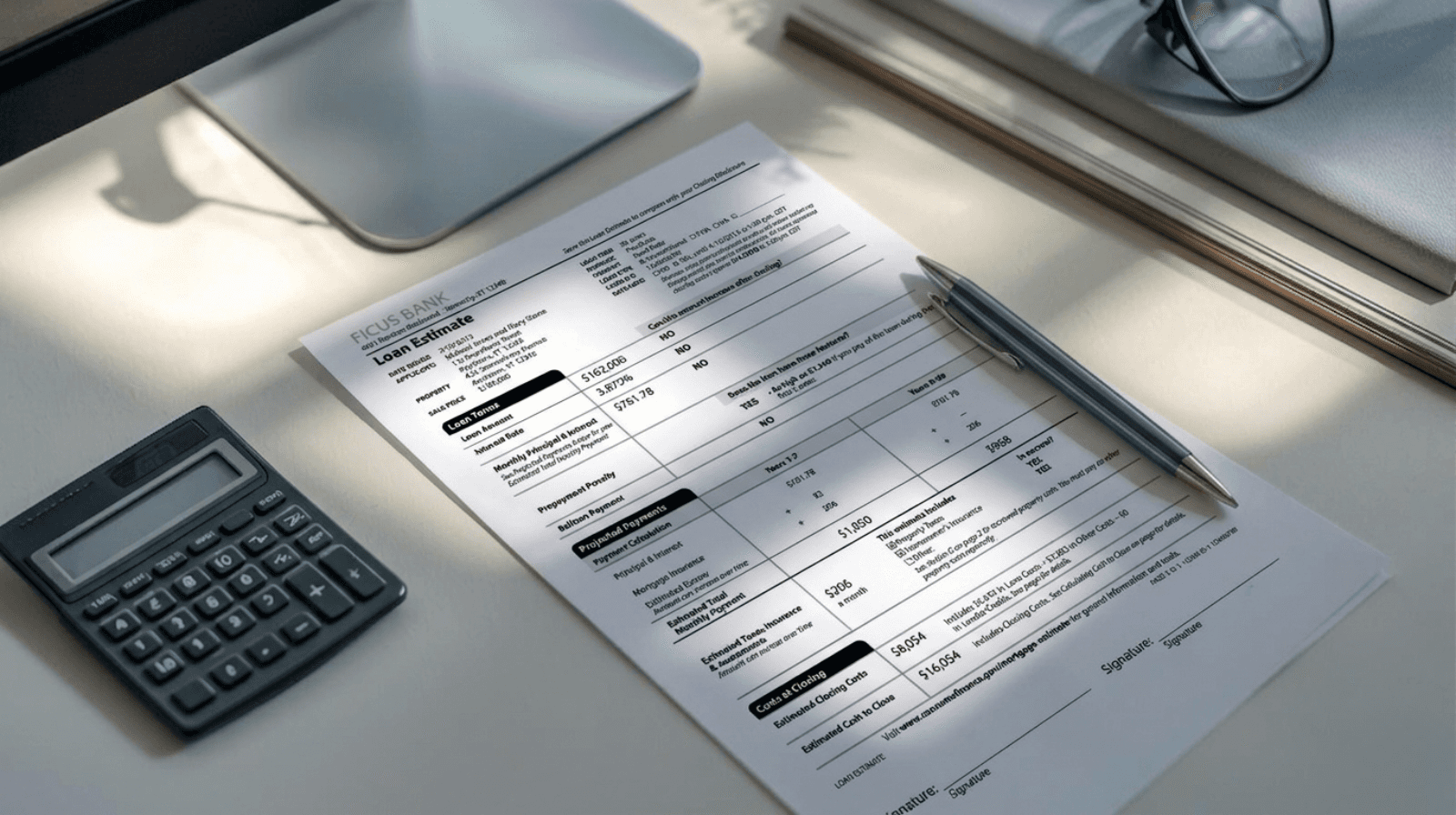
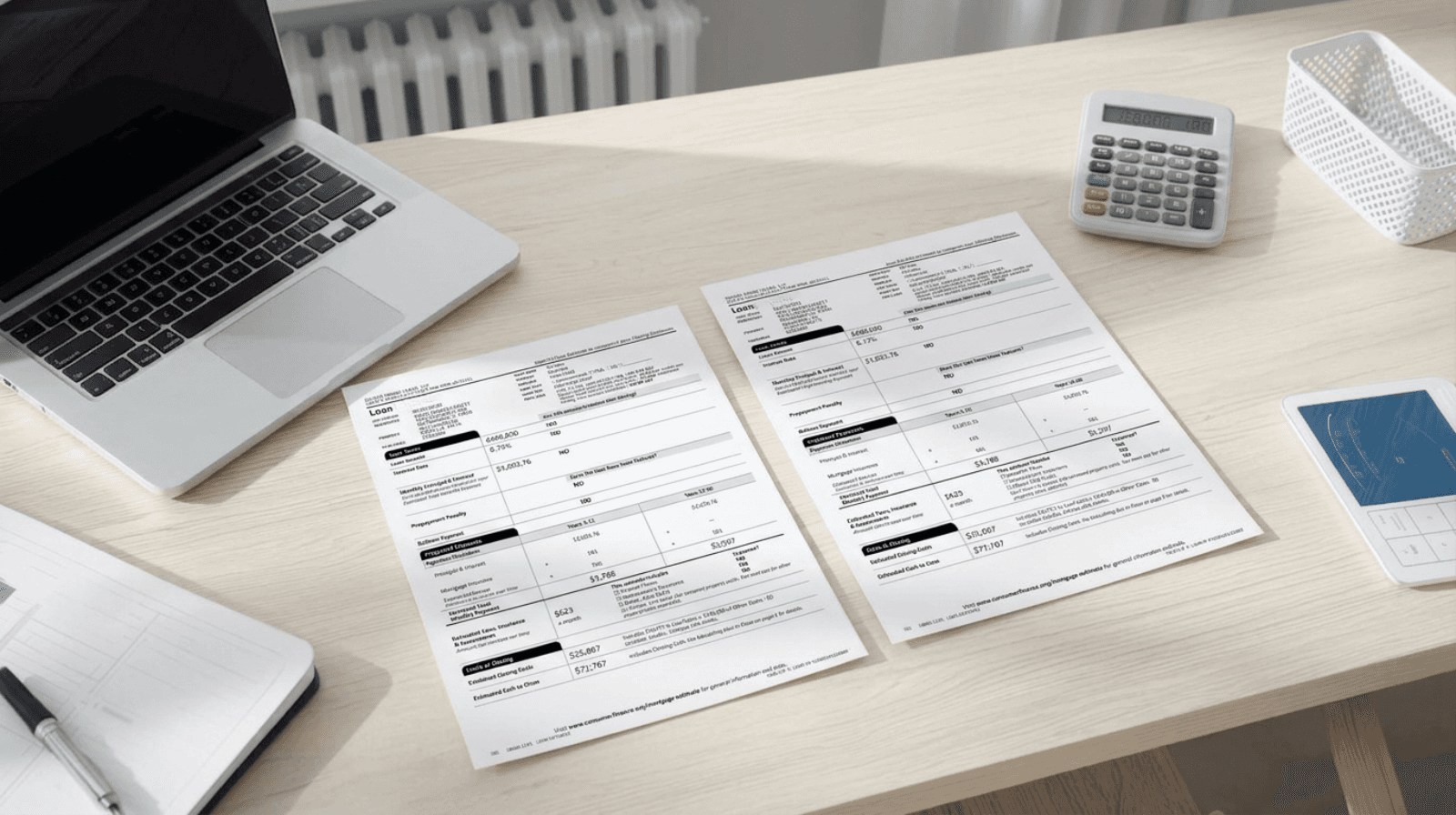
💡 Pro Tip: Before locking in your mortgage, upload your Loan Estimate to Fincast and let vetted lenders compete to beat your rate or terms — potentially saving you money that can boost your earnest deposit and strengthen your offer.
What Is Earnest Money? 💰
Earnest money — often called a good faith deposit — is money you put down when you make an offer to show the seller you’re serious.
Think of it as “skin in the game.” It tells the seller: “I’m committed, and I won’t waste your time.”
The deposit is typically held in an escrow account by your brokerage, title company, or attorney, depending on where you live. If the deal closes, the amount will be applied to your down payment or closing costs. If it falls through for reasons covered by contingencies, you get it back.
How Much Should You Offer? 📏
The standard range is 1–3% of the home’s price, but the amount can vary:
In balanced markets: 1–2% is common, but can vary.
In hot markets: 3–5% (or more) can make your offer more competitive.
For cash offers or contingency waivers: Larger deposits demonstrate confidence and commitment.
These numbers are just examples; the actual amounts vary by location, purchase price, and market conditions.
👉 Read next: How to Make a Competitive Offer in a Hot Market
When Is It Due? ⏰
Usually, earnest money is due within 1–3 days of offer acceptance.
Your agent or attorney will advise you on where to send it (never directly to the seller).
Always confirm how and where it’s held — legitimate escrow accounts protect both parties.
What Happens to It After You Pay? 🏦
It’s deposited into a neutral escrow account.
It remains in place until the contract closes or is terminated.
At closing, it’s applied toward your down payment or closing costs.
💡 Pro Tip: The funds must be verifiable and liquid (not crypto or a loan). Your lender will review your account statements to confirm the source of the deposit.
When Can You Get It Back? 🔄
Earnest money is refundable if you back out for legitimate, contract-protected reasons — usually tied to contingencies such as:
Inspection contingency: Serious issues are found, and you decide not to proceed.
Financing contingency: Your loan isn’t approved.
Appraisal contingency: The home appraises below your offer.
Title contingency: Ownership or boundary issues arise.
If any of these occur within the agreed-upon timeline and in accordance with the contract terms, you may cancel and receive a full refund of your deposit.
When You Could Lose It ⚠️
You risk forfeiting your earnest money if:
❌ You back out without a valid contingency reason
❌ You miss key contract deadlines
❌ You fail to get financing due to undisclosed debt or job loss
❌ You simply change your mind after acceptance
💡 Pro Tip: Protect your deposit by understanding your contingencies and working closely with your agent and lender to meet deadlines.
How to Make Your Earnest Money Work for You 💪
A strong earnest money deposit can make your offer stand out — especially in competitive markets. Sellers see it as a sign of confidence and financial stability.
Tips to strengthen your offer:
✅ Offer slightly more earnest money than typical in your area.
✅ Keep contingencies reasonable and timelines clear.
✅ Show proof of funds or pre-approval for added credibility.
✅ Use Fincast to secure a lower mortgage rate — freeing up cash to increase your deposit confidently.
👉 Related: Debt-to-Income Ratio Explained: Why It Matters to Lenders
How Fincast Strengthens Your Financial Edge 🚀
Every advantage counts when buying a home — and your mortgage rate can be the difference between winning and losing an offer.
With Fincast, you:
Get pre-approved with your preferred lender.
Upload your Loan Estimate to Fincast — secure, simple, no spam.
Let vetted lenders compete to potentially beat your rate and terms.
Choose the best deal and potentially save thousands on your loan.
Result: You save money, boost your buying power, and make your offer more appealing — all with zero extra credit pulls.
👉 Learn more: What is Fincast?
FAQs
1. Is earnest money the same as a down payment?
No. It’s separate but will be applied to your down payment or closing costs at closing.
2. What if the seller cancels the deal?
If the seller backs out without a valid reason, you typically receive your full deposit.
3. Can I use a credit card for earnest money?
Most escrow holders require certified funds, wire transfers, or checks.
4. How can I ensure my deposit is protected?
Use a licensed escrow holder, get everything in writing, and stick to all contingency deadlines.
5. Do larger deposits always win offers?
Not always—but they can signal financial strength and credibility, especially when paired with clean terms and verified financing.
Bottom Line
Earnest money deposits show sellers you’re serious — and protect you when handled correctly.
You’re ready to buy confidently when:
✅ You understand how much to offer and why
✅ Your contingencies and timelines are clear
✅ Your funds are ready and verifiable
✅ You’ve uploaded your Loan Estimate to Fincast and secured the right mortgage terms for your situation
Pro Tips (Save These!)
🔥 Typical earnest money = 1–3% of purchase price, but it can vary
📋 Keep funds in an accessible account — you’ll need them quickly
⚖️ Know your contingencies before you sign
🏦 Only pay to a verified escrow holder
🚀 Upload your Loan Estimate to Fincast to free up funds and boost your offer
Action Checklist
✅ Decide your earnest money amount with your agent
✅ Verify how and where funds will be held
✅ Review contract contingencies and deadlines
✅ Get pre-approved and confirm liquidity
✅ Upload your Loan Estimate to Fincast
✅ Compare rates and save before locking in
✅ Submit your offer confidently — and stand out to sellers
👉 Ready to make your strongest offer yet?
Secure your financing edge with Fincast — where vetted lenders compete to give you the best possible mortgage rate. No spam. No extra credit pulls. Just smarter homebuying.
Disclaimer: Nothing in this content should be considered financial advice. The examples and data shared are for general information only and may not reflect your personal situation. We do not guarantee the accuracy or completeness of the information provided. Always do your own research and speak with a qualified financial advisor before making any financial decisions.
Ready to Save On Your New Mortgage?