
Owning a home is one of the biggest financial commitments most people ever make — yet many homeowners lose thousands simply by making small, avoidable mistakes. These issues rarely feel urgent in the moment, which is exactly why they become expensive later.
The good news?
Awareness alone can prevent many of these costly missteps. This guide breaks down the most common homeowner mistakes that waste money — and how to avoid them.
Key Takeaways
Small maintenance neglect often leads to the biggest repair bills
Energy inefficiency drains money every single month
Cheap decisions upfront often cost more long-term
Timing and planning matter more than most homeowners realize
Smarter financing choices can significantly improve cash flow
Skipping Preventive Maintenance
Ignoring routine upkeep is one of the fastest ways to waste money as a homeowner. Small issues usually don’t stay small.
Commonly skipped tasks include:
Annual HVAC servicing
Cleaning gutters and downspouts
Flushing water heaters
Sealing small exterior cracks
When maintenance is ignored, systems work harder and fail earlier. A $150 service visit can easily prevent a $4,000 emergency repair.
💡 Pro Tip: Create seasonal reminders for maintenance tasks so nothing slips through the cracks.
Overpaying for Energy Every Month
Energy waste is one of the most overlooked homeowner expenses because it feels incremental rather than dramatic.
High-cost habits often include:
Poor attic insulation
Old thermostats
Air leaks around doors and windows
Inefficient lighting
These inefficiencies quietly compound year after year. Many upgrades pay for themselves by lowering monthly bills and improving comfort and affordability.
Clear takeaway: Reducing energy waste improves cash flow immediately and protects long-term budgets.
Choosing the Wrong DIY Projects
DIY can save money — but only when it’s done in the right places. Many homeowners lose money by tackling projects beyond their skill level.
Typically safe DIY projects:
Painting
Basic landscaping
Hardware and fixture swaps
Projects best left to professionals:
Electrical panels
Structural changes
Major plumbing
Mistakes in professional-level work often require expensive corrections, making the “DIY savings” disappear fast.
💡 Pro Tip: If permits, inspections, or safety risks are involved, it’s usually not a DIY job.
Making Decisions Based on Price Alone
Choosing the cheapest option upfront often leads to higher lifetime costs. Materials, appliances, and finishes vary widely in durability.
Common examples:
Cheap flooring that wears out quickly
Low-quality fixtures that leak or fail
Budget appliances with short lifespans
In many cases, mid-range options deliver the best long-term value by balancing cost and durability.
Clear takeaway: Total cost of ownership matters more than sticker price.
Poor Project Timing and Rushed Decisions
Urgency almost always costs more. Homeowners often overspend simply because they didn’t plan ahead.
Money-wasting timing mistakes include:
Hiring contractors during peak season
Buying materials during emergencies
Rushing decisions without comparison shopping
Scheduling work strategically and planning purchases in advance often leads to better pricing and better outcomes.
Ignoring Insurance and Tax Reviews
Many homeowners overpay year after year because they never review these areas.
Often-overlooked opportunities:
Removing outdated insurance riders
Adjusting coverage after renovations
Appealing property tax assessments
These reviews don’t change daily life but can free up hundreds — or thousands — annually.
Not Evaluating Financing Options
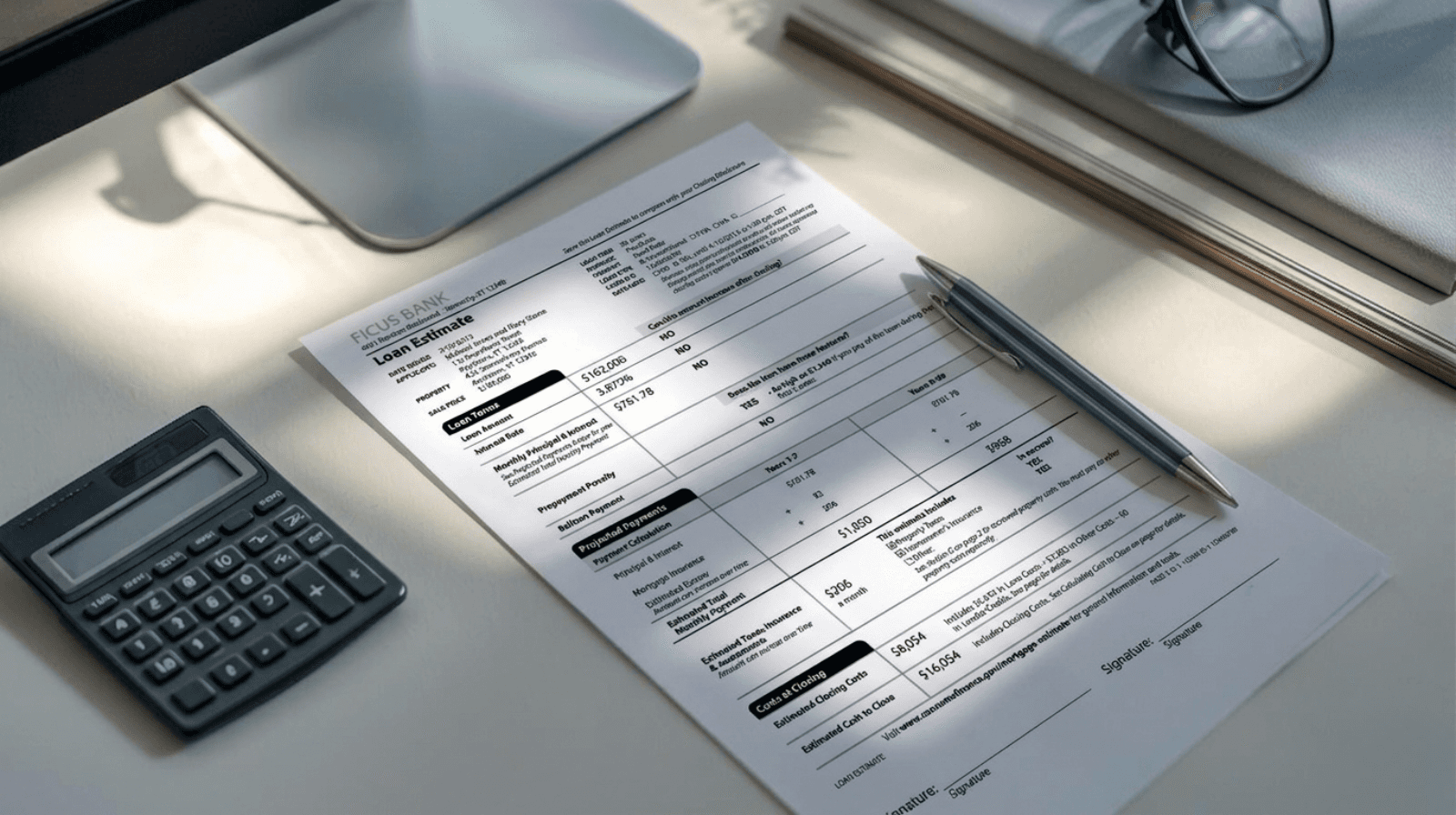
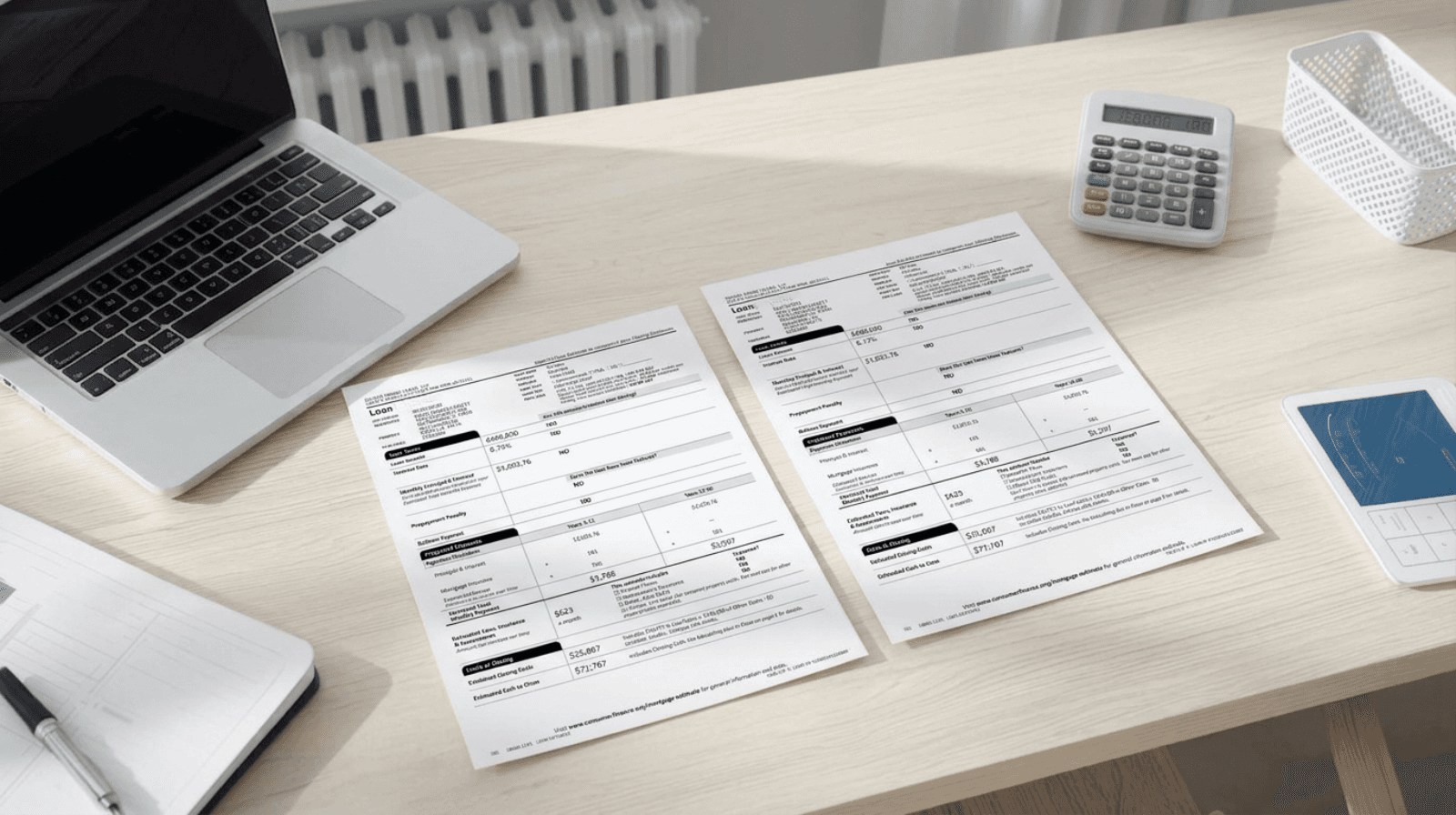
Mortgage terms have a massive impact on monthly budgets, yet many homeowners never revisit them.
Common mistakes include:
Staying in a high-rate loan unnecessarily
Carrying PMI longer than required
Not comparing refinance options
Even modest improvements in mortgage terms may unlock meaningful monthly savings. Many homeowners fund repairs or improvements through cash-out refinancing or HELOCs when done thoughtfully.
💡 Pro Tip: Before committing to a refinance, compare multiple offers. Anonymous comparison tools can help you evaluate options without triggering multiple credit pulls.
Step-by-Step Framework to Stop Wasting Money
List your top three recurring home expenses
Address preventive maintenance first
Fix one major energy inefficiency
Reassess DIY vs. professional decisions
Review insurance and taxes annually
Reevaluate mortgage and financing options
Always prioritize safety and realistic timelines.
Common Mistakes That Hurt the Most
Ignoring small problems until they grow
Choosing speed over planning
Buying low-quality materials repeatedly
Skipping annual financial checkups
Treating energy waste as “normal”
FAQs
What are the most common homeowner mistakes that waste money?
The most common homeowner mistakes include skipping maintenance, wasting energy, making poor DIY decisions, and ignoring financing opportunities.
Does preventive maintenance really save money?
Yes. Preventive maintenance often prevents large, unexpected repair bills that cost many times more.
Is DIY always cheaper for homeowners?
No. DIY saves money for low-risk projects, but professional work is often cheaper long-term for complex or safety-related tasks.
How can homeowners reduce monthly housing costs?
Improving energy efficiency, avoiding emergency repairs, and reviewing mortgage terms can significantly reduce monthly costs.
Do refinancing decisions really impact home budgets?
Yes. Refinancing at better terms can free up cash flow that supports maintenance, upgrades, and long-term affordability.
How often should homeowners review their finances?
At least once a year to catch savings opportunities before unnecessary costs compound.
Bottom Line
Most homeowner money mistakes aren’t dramatic — they’re quiet, repetitive, and preventable. Smart homeownership isn’t about perfection; it’s about awareness and better decisions over time. If you’re planning future repairs or upgrades, understanding your financing options can help projects fit your budget more comfortably.
👉 If refinancing makes sense for your situation, take time to compare offers before committing. Tools that let you evaluate options anonymously can help you make more confident decisions.
Disclaimer: Nothing in this content should be considered financial advice. The examples and data shared are for general information only and may not reflect your personal situation. We do not guarantee the accuracy or completeness of the information provided. Always do your own research and speak with a qualified financial advisor before making any financial decisions.
Ready to Save On Your New Mortgage?