
A cash-out refinance can unlock tens of thousands of dollars in home equity — giving you cash for home improvements, debt consolidation, education, or major purchases. But many homeowners pause before moving forward because they’re unsure how a cash-out refi affects their taxes.
Does the cash count as income?
Is the interest deductible?
Do you owe taxes on the amount you borrow?
The good news: cash-out refinances may not be taxable, but there are important rules around interest deductions and how you use the money. This guide breaks down what’s taxable, what’s deductible, and how to avoid costly tax mistakes.
This article is for educational purposes only and does not constitute tax, legal, or financial advice. Tax rules are complex, and individual circumstances vary. Consult a qualified tax professional or CPA before making decisions based on this information.
Key Takeaways
✅ Cash from a cash-out refinance is not taxable income — it’s borrowed money
✅ Mortgage interest may be deductible only if you use the cash for home improvements
✅ Using cash for debt payoff, cars, tuition, or vacations does not qualify for an interest deduction
✅ If you exceed the IRS mortgage debt limit, you may lose the deduction
Is Cash from a Cash-Out Refinance Taxable?
Short answer: No.
The IRS does not treat cash-out refinance proceeds as taxable income.
Why?
Because you’re taking on new debt secured by your home, not earning income.
Example
You cash out $80,000.
IRS view: You borrowed $80,000
Not taxed
Not reported as income
You don’t owe taxes on the cash-out funds even if you use them for non-home purposes.
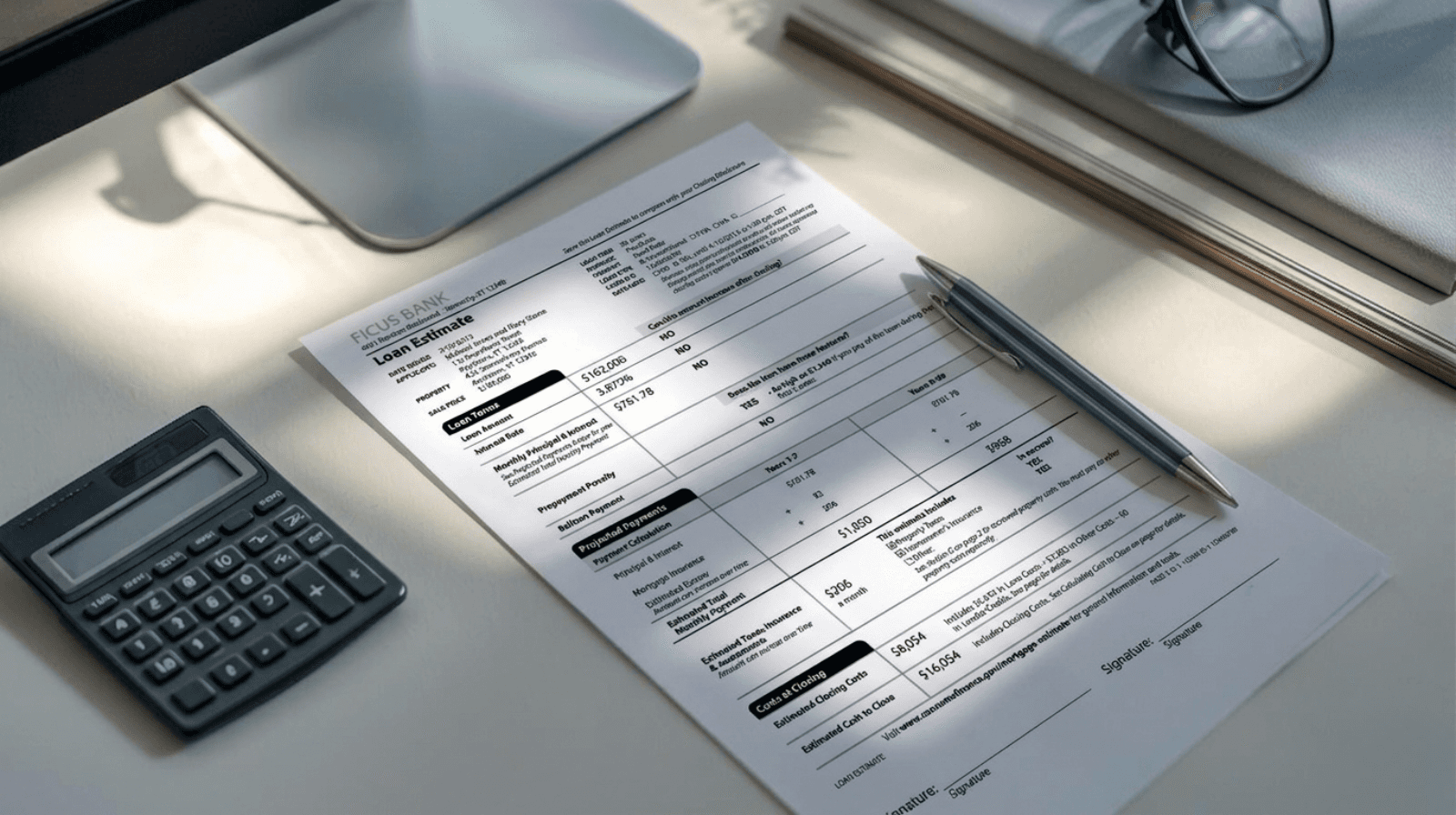
💡 Pro Tip: Before you proceed: Your lender's first offer is rarely their best. Upload your Loan Estimate to Fincast and see if vetted lenders can beat it — takes 2 minutes.
Is the Mortgage Interest Tax-Deductible?
This is where things get more complicated. The IRS allows mortgage interest deductions only under certain conditions.
Interest May Be Deductible When the Cash Is Used to Improve Your Home
Tax laws change, but as of February 10, 2026, the IRS rule is clear:
To deduct the interest on your cash-out portion, the funds must be used to “buy, build, or substantially improve” the home that secures the mortgage.
Qualifying uses (interest deductible):
Kitchen remodel
Bathroom renovation
New roof
HVAC replacement
Solar installation
Energy-efficiency upgrades
Additions or ADU
Structural repairs
If your cash-out refinance funds these improvements, the mortgage interest on the portion used for them is generally deductible.
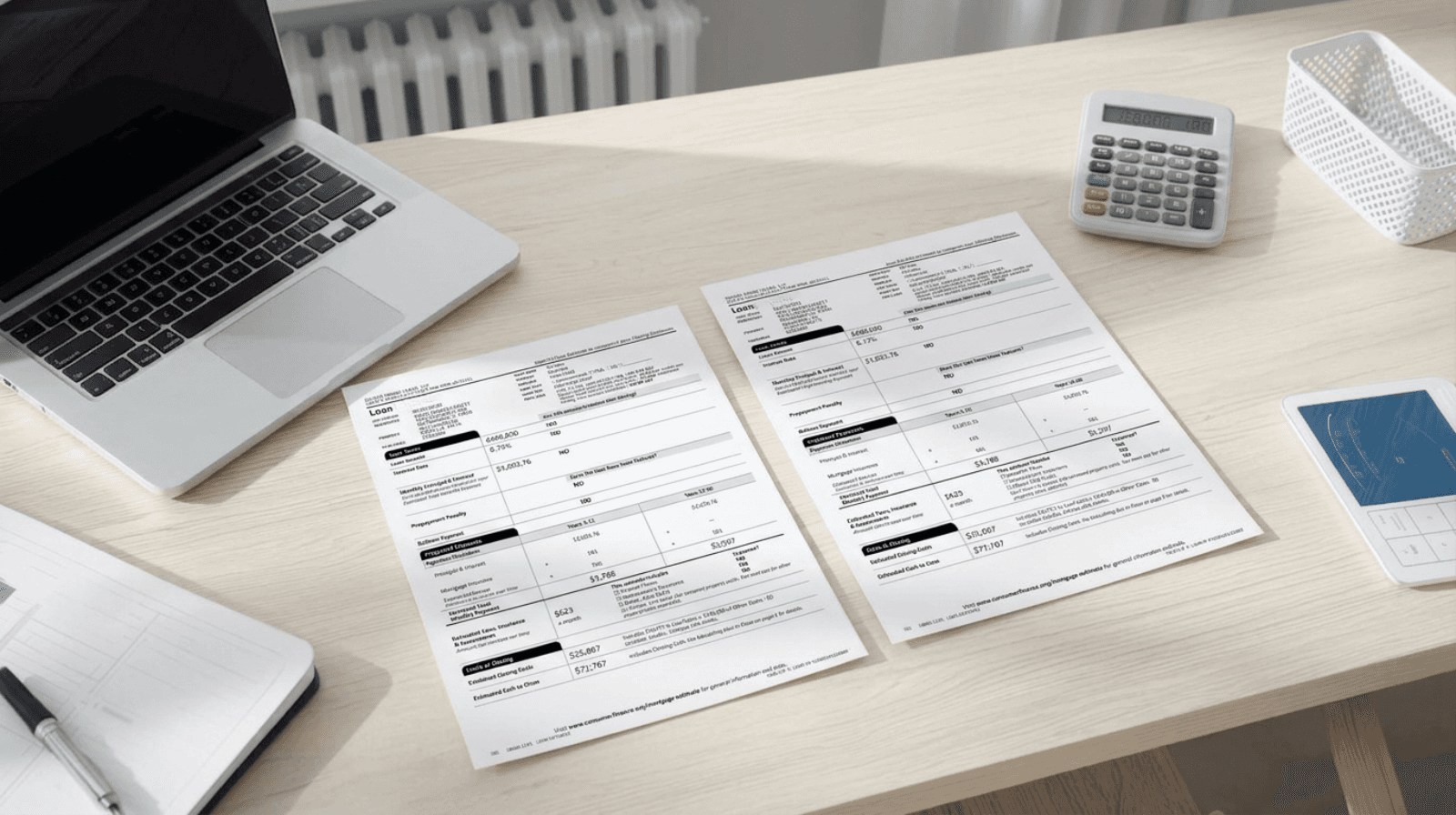
💡 Pro Tip: Don’t pay more interest than is necessary. Get multiple offers and compare them side by side.
Interest Is NOT Deductible When the Cash Is Used for Other Purposes
If you use cash-out funds for personal expenses, the interest on those funds generally cannot be deducted.
Non-qualifying uses (interest not deductible):
Credit card payoff
Debt consolidation
Auto purchases
Medical bills
Student loans
Vacations
College tuition
Down payment on another property
Example:
You borrow $100,000 in cash:
$60,000 goes to home improvements → interest on that portion may be deductible
$40,000 goes to debt payoff → interest on that portion is NOT deductible
💡 Pro Tip: Keep receipts and documentation — IRS requires proof that the funds were used for qualified home improvements.
IRS Mortgage Debt Limit: Does It Apply?
Yes, the IRS sets limits on how much mortgage debt qualifies for the interest deduction.
Mortgage Interest Deduction Limits
For loans originated after 2017:
For loans before 2017:
If your new loan after a cash-out refi exceeds these limits, the interest above the cap may not be deductible.
Example:
You refinance to a total loan of $900,000 (post-2017 origination).
Only interest on the first $750,000 may qualify.
Interest on the remaining $150,000 is not deductible.
What About PMI or FHA MIP?
Mortgage insurance (PMI or MIP) was once deductible, but today:
❌ PMI and FHA MIP are currently not deductible under IRS rules as of 2024-2025.
This applies regardless of whether the cash-out refi is used for home improvements.
Do You Pay Capital Gains Tax If You Sell After a Cash-Out Refinance?
A cash-out refinance does not trigger capital gains tax.
However, if you later sell the home:
Capital gains tax applies if:
Your profit exceeds $250,000 (single) or $500,000 (married filing jointly)
You haven’t lived in the home for 2 of the last 5 years
Cash-out refinances do NOT change:
Your cost basis
Your capital gains exclusion eligibility
But improvements paid for with cash-out money can increase your cost basis, reducing taxable profit later.
Example:
Cash-out used to remodel your kitchen: $40,000
Your home’s cost basis increases by $40,000
This lowers future capital gains taxes.
💡 Pro Tip: Keep renovation receipts — they help reduce taxable profit when selling.
Do You Need to Report a Cash-Out Refinance on Your Taxes?
No.
You typically receive:
A Closing Disclosure
A 1098 Mortgage Interest Statement
You do not file a special form for the cash-out itself.
The only part that matters at tax time is:
Whether your mortgage interest is deductible
Whether you used the cash for qualifying home improvements
Using Cash-Out Funds for Home Improvements: Best Tax Outcome
If your goal is to maximize tax benefits, the best use of cash-out funds is:
✔ Qualified renovations that increase value AND preserve tax deduction eligibility.
Examples:
Kitchen or bathroom remodel
New energy-efficient features
Structural repairs
Finishing a basement or attic
Adding an ADU or living space
Exterior upgrades that improve home functionality
These can:
Raise your home value
Lower taxable capital gains later
Maintain mortgage interest deductibility
Using Cash-Out Funds for Debt Consolidation: Tax Reality
You can absolutely use a cash-out refi to pay off debt — and for many homeowners, it drastically reduces interest costs.
But tax-wise:
❌ Interest on the cash-out portion used for debt payoff is not deductible
❌ It does not qualify as a home improvement
✔ It can still save you thousands in interest overall
✔ It may increase your monthly cash flow
This strategy is usually about financial relief, not tax benefits.
How to Track Your Cash-Out for Tax Purposes
If you plan to deduct interest on your cash-out refinance:
Keep these records:
Contractor invoices
Material receipts
Proof of payment
Before/after photos (optional but helpful)
A list of improvements with dates and costs
Loan documents showing your new balance
Create a folder labeled “Home Improvement Records — [Your Address].” It will be helpful at tax time and when selling your home.
Don’t Overpay on Your Cash-Out Refi
Tax rules are only one part of the equation — the cost of your cash-out refi matters just as much.
Finding the most competitive loan offer is essential. Fincast makes it easy, and all you need is a single Loan Estimate from your preferred lender to start:
1️⃣ Upload your Loan Estimate (no extra credit pulls)
2️⃣ Compare your lender’s rate, fees, PMI/MIP, and pricing adjustments
3️⃣ Let vetted lenders compete to beat your offer
4️⃣ Avoid overpaying — especially on high-LTV cash-out loans
Whether you're renovating or consolidating debt, better pricing = bigger savings.
💡 Pro Tip: Even a 0.25% better rate can save thousands over the life of a cash-out refinance. On a $300,000 cash-out refi, a 0.25% better rate saves you $15,000 over 30 years.
FAQs
1. Is cash from a cash-out refinance taxable?
No. It is borrowed money, not income.
2. Is mortgage interest deductible after a cash-out refinance?
Yes, if the funds are used to buy, build, or improve your home. Consult your tax advisor to be sure.
3. Can I deduct interest if I use the cash for debt payoff?
No. Non-home uses are not deductible.
4. Are renovation receipts required?
Yes — keep them in case of IRS review.
5. Does refinancing affect capital gains when selling?
No, but improvements funded with cash-out can reduce future taxable gains.
Bottom Line
A cash-out refinance typically has minimal tax consequences — and can offer significant benefits if you use the funds for home improvements. Just remember:
You’re in the strongest position when:
✅ You document your renovation expenses
✅ You understand which interest is deductible
✅ You compare multiple lenders to ensure you’re getting the best rate
Pro Tips (Save These!)
💡 Cash-out funds are not taxable
📈 Interest is deductible only for home improvements
⚙ Keep all renovation receipts for tax time
📊 Compare lenders — pricing varies widely
🚀 Use Fincast to avoid overpaying on a cash-out refi
Action Checklist
Estimate your home’s value
Calculate your max cash-out amount
Determine how you will use the funds
Keep documentation for home improvements
Request a Loan Estimate from your lender
Upload your Loan Estimate to Fincast
Choose the offer with the best long-term financial impact
👉 Ready to confirm your best cash-out options?
Upload your Loan Estimate to Fincast — and let vetted lenders compete to give you the best terms with full transparency.
Disclaimer: Nothing in this content should be considered financial advice. The examples and data shared are for general information only and may not reflect your personal situation. We do not guarantee the accuracy or completeness of the information provided. Always do your own research and speak with a qualified financial advisor before making any financial decisions.
Ready to Save On Your New Mortgage?