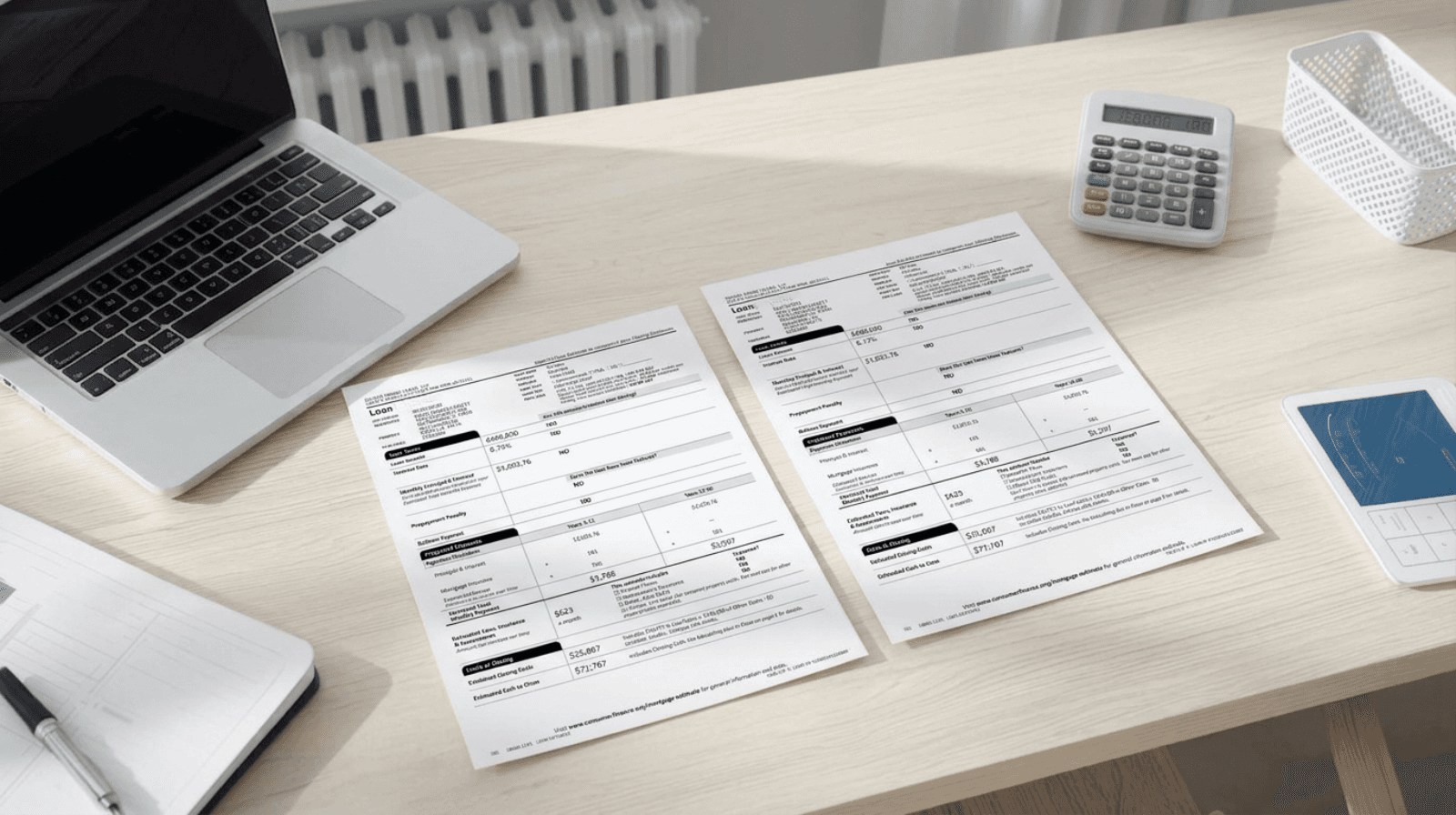

A cash-out refinance can be an incredibly powerful way to access your home equity — whether you’re renovating, consolidating debt, paying tuition, or building financial flexibility. But qualifying for one isn’t automatic. Lenders evaluate your credit score, equity, income, and overall financial profile before approving a cash-out refinance.
Understanding these requirements in advance can help you estimate your eligibility, improve your approval odds, and secure a competitive deal.
This guide breaks down everything you need to qualify in 2026, how each requirement affects your maximum loan amount, and how Fincast helps you compare lenders without extra credit pulls.
Key Takeaways
✅ Many lenders require a 620+ credit score for a cash-out refinance
✅ You typically need at least 20% equity, meaning your max LTV is usually 80%
✅ Lenders look for stable income and a DTI below 43–50%
✅ VA loans are more flexible — some allow up to 85-90% LTV
What Is a Cash-Out Refinance?
A cash-out refinance replaces your current mortgage with a larger one, letting you borrow against the equity you’ve built.
Example:
Home value: $500,000
Current mortgage balance: $320,000
New loan at 80% LTV: $400,000
Cash you receive: ~$80,000 (minus closing costs)
💡 Pro Tip: Because lender pricing can vary widely even for the same loan and borrower, it’s important to get multiple offers and compare them side by side.
1. Credit Score Requirements
Your credit score influences:
Whether you qualify
Your interest rate
Your maximum loan amount
Your closing costs
Every lender has different requirements, but below are the typical minimums by loan type.
Conventional Cash-Out Refinance
Minimum credit score: 620
May get better pricing at 700+
May get even more competitive rates at 740+
Risk-based pricing applies at higher LTVs with conventional loans — meaning the lower your credit score, the more expensive your rate becomes.
FHA Cash-Out Refinance
Minimum credit score: ~580–600
More flexible than conventional
Requires mortgage insurance (MIP), regardless of credit
An FHA cash-out loan may be easier to qualify for if your score is below 620, depending on the rest of your profile.
VA Cash-Out Refinance
No official VA minimum
Most lenders require 620+, some accept lower; it varies by lender
Pricing may improve significantly at 700+
VA loans are the most flexible option for eligible borrowers.
Jumbo Cash-Out Refinance
Minimum scores for many lenders: 700–720+
Higher risk = stricter credit requirements
Lenders may impose additional reserves or documentation
💡 Pro Tip: Pricing can vary significantly for the same loan and borrower. Even a 0.25% difference can mean thousands of dollars in interest over the loan term. Use a tool like Fincast to know you’re getting a competitive deal.
2. Equity Requirements
Equity determines how much you can borrow. Lenders use a Loan-to-Value (LTV) ratio to set maximum loan limits:
LTV = New Loan Amount ÷ Home Value
Conventional Loans
Max LTV: 80%
You must leave 20% equity in the home
FHA Loans
Max LTV: 80%
Same equity requirement as conventional
Requires 12 months of on-time mortgage payments
VA Cash-Out
Max LTV: 85-90%, depending on lender
No PMI requirement
Best program for borrowers with limited equity
Jumbo Loans
Max LTV: 60–70%
Much stricter due to loan size and risk
3. Income Requirements
Lenders verify income to ensure you can afford the new mortgage payment.
They look for:
✔ Stable income (2-year history preferred)
✔ Predictable pay structure
✔ Documented employment or self-employment
✔ Consistent earnings year over year
Accepted income sources often include:
Salary or hourly wages
Self-employment income
Contract or 1099 income
Rental income
Commission/bonus income (if consistent)
Social Security & pension
Divorce alimony or child support (if documented)
💡 Pro Tip: If your income fluctuates, lenders usually average it over 24 months.
4. Debt-to-Income (DTI) Requirements
Your DTI ratio is the percentage of your income that goes toward debt each month.
DTI = Total Monthly Debts ÷ Gross Monthly Income
Lenders use this to measure your ability to manage the new payment.
Typical DTI Limits
Conventional: ≤ 43% (sometimes up to 45–49% depending on the lender)
FHA: ≤ 50% (varies by lender)
VA: Flexible (often up to 55% with strong residual income)
Jumbo: ≤ 40–43%
If your DTI is too high, the lender may:
Offer a smaller cash-out amount
Require debt payoff at closing
Decline the loan altogether
💡 Pro Tip: Paying off a credit card or car loan before applying may significantly improve your DTI — sometimes enough to unlock more cash.
5. Appraisal Requirements
A cash-out refinance almost always requires a full appraisal, but exact requirements vary by lender.
The appraisal determines your home’s official lending value, which directly affects LTV and your maximum cash-out amount.
A low appraisal can:
❌ Reduce your max loan
❌ Reduce your cash-out amount
❌ Increase your LTV
❌ Cause denial if LTV becomes too high
A high appraisal can:
✔ Increase your equity
✔ Increase your borrowing limit
✔ Improve your pricing
💡 Pro Tip: A bad refinance offer can erase any equity you’ve earned in your home. Before you sign, verify your pricing matches your qualifications.
6. Payment History Requirements
Lenders want proof you can manage mortgage debt.
Typical rules:
No late payments in the last 6–12 months
FHA requires 12 months of perfect on-time payments
VA and conventional loans allow more flexibility but still prefer clean history
Serious delinquencies or forbearance may delay eligibility
💡 Pro Tip: If you missed a payment, waiting 6–12 months before applying may improve your approval odds significantly.
7. Property Requirements
Some property types have stricter rules.
Primary Residences
Highest LTV limits
Often has competitive pricing
Second Homes
Lower max LTV (often 70–75%)
Higher credit and reserve requirements
Investment Properties
Tighter caps (65–75% LTV)
Higher rates
More restrictive cash-out rules
Multi-unit Properties
Stricter underwriting
Lower cash-out limits
8. Documentation Requirements
You may need:
Recent pay stubs
W-2s or 1099s
Tax returns (1–2 years)
Bank statements (1–3 months)
Proof of homeowners insurance
Copy of your current mortgage statement
VA refinances also require:
Certificate of Eligibility (COE)
Residual income calculation
9. Reserve Requirements
Some lenders require reserves — cash savings after closing — especially for cash-out or higher-risk loans.
Typical reserves:
Conventional: 2–6 months of mortgage payments
FHA: Usually none
VA: Usually none
Jumbo: 6–12+ months
Actual requirements vary by lender.
How to Improve Your Chances of Approval
✔ Raise your credit score
Pay off small balances, avoid new inquiries, fix credit errors.
✔ Lower your DTI
Pay down debts or increase your documented income.
✔ Prepare your home for appraisal
Small improvements may raise value.
✔ Build more equity
Making extra payments, waiting for appreciation, or choosing an appraisal-friendly refinance strategy can help.
✔ Shop around
Different lenders offer different limits and pricing — sometimes dramatically so. All you need to shop around is a single Loan Estimate from the lender of your choice. You can then get additional offers from other lenders and compare the LEs side-by-side.
How Fincast Helps You Get Competitive Terms
Cash-out refinance rules vary widely across lenders — and pricing can change dramatically based on LTV and credit score.
Fincast makes it simple once you have a Loan Estimate from any lender:
1️⃣ Upload your Loan Estimate (no credit impact)
2️⃣ Fincast analyzes your rate and fees
3️⃣ Lenders carefully screened by Fincast for legitimacy and fair offers, make offers
4️⃣ You choose the best deal — or confirm your offer is already competitive
💡Pro tip: Two lenders could analyze the same score and produce wildly different offers. This is exactly where Fincast gives homeowners a significant advantage. Upload a single Loan Estimate and get competing offers to see where your offer stands.
FAQs
1. What credit score do I need for a cash-out refinance?
Typically, 620+ for conventional, 580–600 for FHA, and 620+ for VA, but actual requirements vary by lender.
2. How much equity do I need?
Most lenders require 20% equity, meaning you can borrow up to 80% LTV, but exact requirements vary by lender and loan program.
3. How much income do I need?
Enough to maintain a 43–50% DTI, depending on the loan type and lender.
4. Can I get a cash-out refinance with bad credit?
It depends on your full borrower profile — FHA loans are often more flexible — but you may get a higher rate and lower cash-out amount.
5. Does a cash-out refinance require an appraisal?
Every lender has different rules, but in general, lenders require them.
Bottom Line
Don't leave money on the table.
The biggest mistake cash-out refinance borrowers make? Accepting the first offer they receive.
Here's the reality: lenders price the exact same loan differently. Your neighbor with identical credit, equity, and income might get a rate 0.375% lower — simply because they compared offers.
Fincast eliminates the guesswork:
✓ No extra credit pulls
✓ No obligation to proceed
✓ Competing offers received quickly
✓ Complete transparency on rates, fees, and cash-out amounts
Upload your Loan Estimate and find out if you're getting the best deal available — or discover how much more you could be borrowing.
Pro Tips (Save These!)
💡Aim for 20–30% equity for best pricing
📈Boost your credit score for more cash and lower rates
📊Keep DTI under 43% for easier approval
⚙ Prepare for your appraisal to unlock more equity
Action Checklist
Check your credit score
Calculate your equity and potential LTV
Review your DTI and income stability
Prepare documents for underwriting
Request a Loan Estimate from your lender
Upload your Loan Estimate to Fincast
Choose the lender offering the best terms and the highest cash-out
👉 Ready to see if you qualify — and how much cash you can borrow?
Upload your Loan Estimate to Fincast and let screened lenders compete to offer you competitive cash-out refinance terms.
This article is for educational purposes only and does not constitute personalized financial advice. Mortgage requirements vary by lender and individual circumstances. There is no guarantee of approval. Consult with a licensed mortgage professional for your specific situation.
Disclaimer: Nothing in this content should be considered financial advice. The examples and data shared are for general information only and may not reflect your personal situation. We do not guarantee the accuracy or completeness of the information provided. Always do your own research and speak with a qualified financial advisor before making any financial decisions.
Ready to Save On Your New Mortgage?