
If you’re looking to buy an investment property in 2026—whether a long-term rental, short-term Airbnb, or multi-unit building—one of the biggest hurdles is coming up with the down payment. With investment property down payments typically ranging from 15% to 25%, the upfront cash requirement can be steep.
One strategy many homeowners use?
A cash-out refinance on their primary residence.
Tapping into your home equity can give you the capital you need to expand your real estate portfolio—without draining your savings or selling other investments.
But is it smart? And what rules should you know before using a cash-out refinance to fund an investment property purchase?
This guide walks you through the benefits, risks, loan requirements, IRS considerations, and how to safely maximize your cash-out.
Key Takeaways
✅ You can use cash-out refinance funds for any legal purpose, including an investment property down payment
✅ You typically need 20% equity left in your primary home after refinancing
✅ Rates on cash-out refinances are often higher than rate-and-term refinances but often cheaper than other borrowing options
✅ Investment properties require 15–25% down, depending on occupancy, credit, and loan type
Can You Use a Cash-Out Refinance for an Investment Property Down Payment?
Yes.
Lenders do NOT restrict how you use cash-out proceeds, and the money doesn’t need to be sourced from your bank account for any special timeframe (unlike inherited funds or gifts). Once the refinance closes, the cash is yours to use for:
Rental property down payment
Closing costs
Renovations on an investment property
Reserves required by an underwriter
Paying off debt before applying for the investment loan
There is no IRS penalty, no waiting period, and no documentation requirement regarding the use of the funds.
How Much Cash Can You Pull Out?
Your maximum cash-out amount depends on:
Your home’s value
Your current mortgage balance
Your loan program (Conventional, FHA, VA, Jumbo)
Lender-specific LTV limits
Typical Cash-Out LTV Limits
Loan Type | Max LTV for Cash-Out | Notes |
Conventional | 80% | Most common option |
FHA | 80% | Requires MIP; primary residence only |
VA | 90–95% | Most flexible if eligible |
Jumbo | 60–70% | Strict limits |
Example of Maximum Cash-Out Calculation
Home value: $650,000
Max LTV (conventional 80%): $520,000
Current mortgage balance: $370,000
Estimated cash-out: $150,000 (minus closing costs)
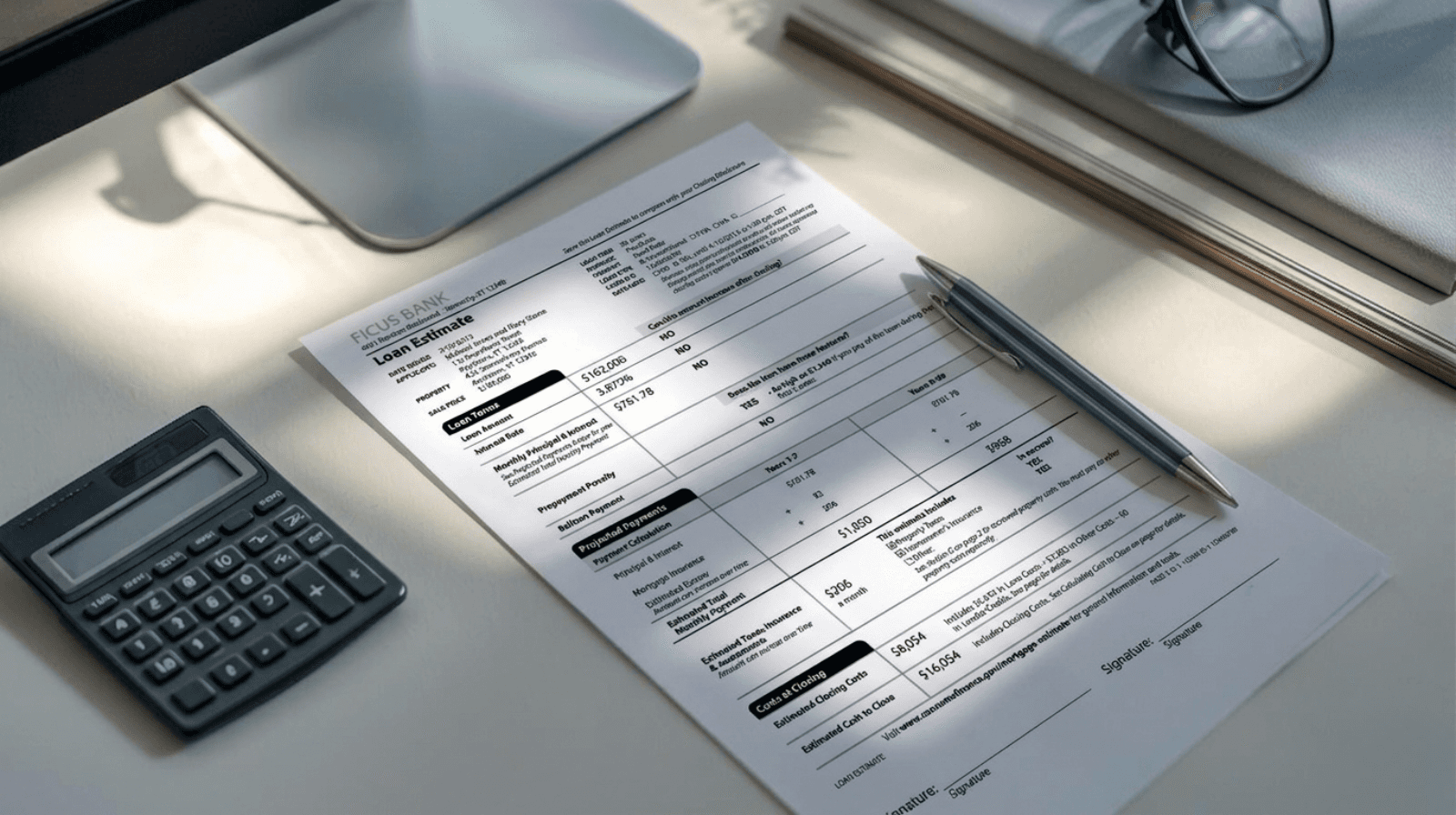
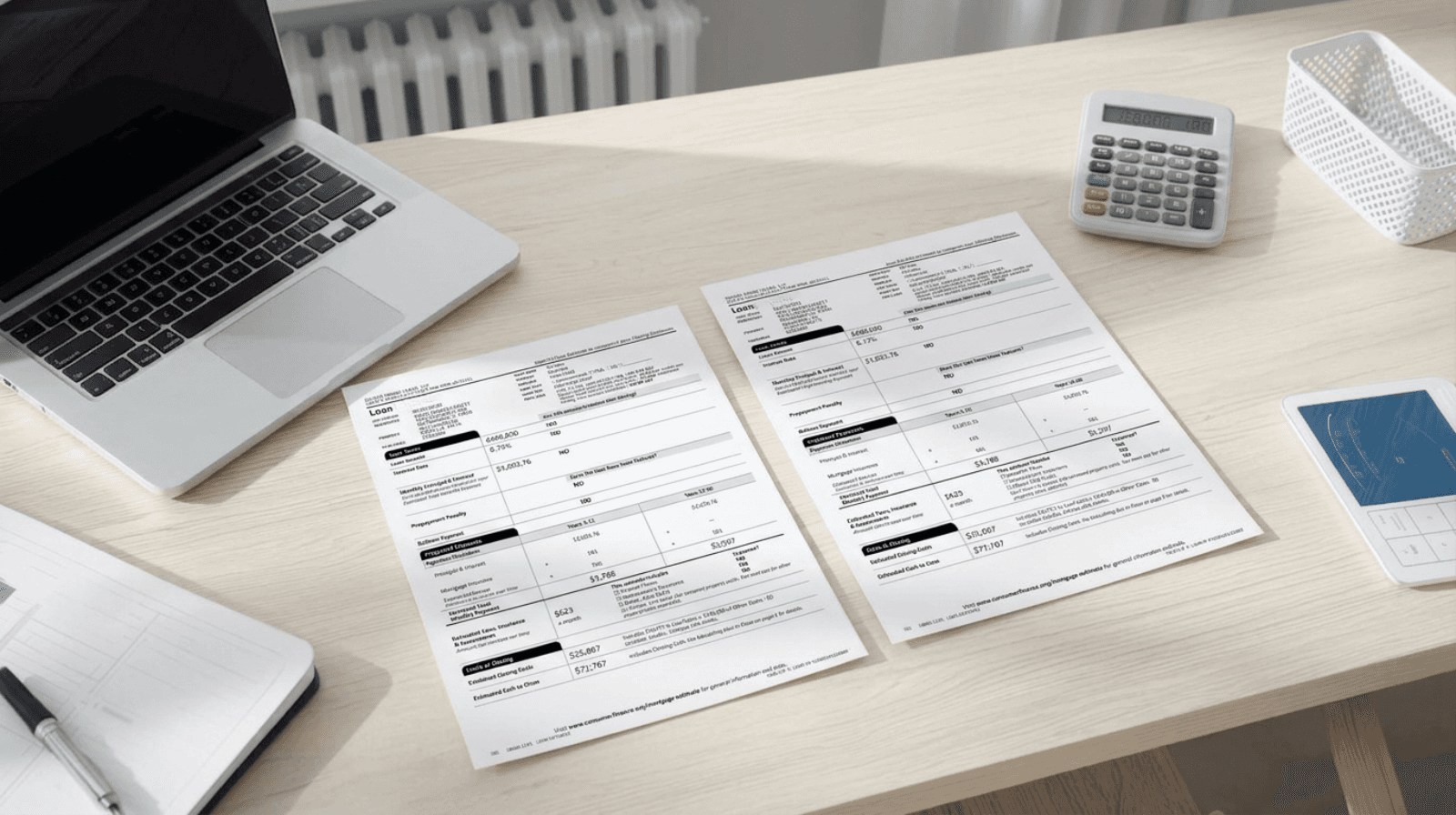
💡 Pro Tip: Lenders price loans differently. Don't lose your good pricing to a 0.25% rate markup that shouldn't exist. After you get a Loan Estimate from your preferred lender, upload it to Fincast to ensure you have a competitive offer (no extra credit pulls needed).
Investment Property Down Payment Requirements
Cash-out funds can be used to meet these down payment minimums:
1️⃣ Single-Family Investment Property
20% down most common, but it depends on your borrower profile
2️⃣ Two- to Four-Unit Properties
Typically, 25% down
3️⃣ Short-Term Rentals (Airbnb, VRBO)
20–25% down
Lenders may require a history of rental income or reserves
4️⃣ DSCR (Debt Service Coverage Ratio) Loans
20–25% down
Approval based on rental income instead of personal income
💡 Pro Tip: Some lenders require 6–12 months of reserves for investment properties. Your cash-out proceeds can often be used for those reserves as well. It’s important to find the most competitive deal for your cash-out refinance to maximize your cash-out.
Why Use a Cash-Out Refinance to Invest in Real Estate?
✔ 1. Unlock Capital Without Selling Assets
You preserve:
Stocks
Retirement funds
Emergency savings
Your home equity works for you without sacrificing liquidity.
✔ 2. Lower Cost of Capital
Compared to:
Personal loans (10–20%+)
HELOCs (variable rates)
Hard money loans (8–12%+)
Cash-out refinances offer:
Lower fixed rates
Longer repayment terms
Predictable monthly payments
💡 Pro Tip: A bad refinance offer can cost you thousands of dollars. Before you sign, verify your pricing is competitive.
✔ 3. Scale a Real Estate Portfolio Faster
Cash-out equity allows you to:
Buy your first rental
Buy your second or third rental
Expand to multi-unit properties
This is how many small investors scale into full portfolios.
✔ 4. Potential Tax Advantages
While the cash-out itself is not deductible, mortgage interest may be deductible depending on how you use the funds.
Interest on loans used to purchase an investment property may be treated as investment interest expense or rolled into the property’s basis. Consult a tax professional for specifics.
Risks of Using a Cash-Out Refinance for Investing
While the strategy can be powerful, it comes with real risks.
⚠ 1. Higher Mortgage Payment on Your Primary Home
You’re increasing your loan balance and potentially your interest rate.
⚠ 2. Market or Tenancy Risk
If the rental sits vacant or cash flow is lower than expected, your primary home’s payment still must be made.
⚠ 3. Investment Property Loans Are Stricter
You may face:
Higher interest rates
Higher down payment requirements
Higher reserve requirements
⚠ 4. Your Home Is Collateral
Missed payments put your residence—not your rental—at risk.
⚠ 5. Lower Long-Term Equity
A cash-out refinance reduces your home equity cushion, leaving less wiggle room if property values drop.
Cash-Out Refinance vs. HELOC for Investment Property Down Payments
Feature | Cash-Out Refinance | HELOC |
Rate | Usually fixed | Variable |
Payment | One mortgage payment | Separate line of credit payment |
Upfront cost | Higher | Low |
Best for | Large down payments | Smaller or phased funds |
Risk | Higher mortgage | Rate fluctuations |
Choose a Cash-Out Refinance When:
You want fixed payments
You need $40k–$150k+
Your current mortgage rate is high anyway
Choose a HELOC When:
You locked a low first-mortgage rate
You only need limited funds
You want repayment flexibility
Real-World Examples
Example 1: Buying Your First Rental
Home value: $550,000
Current loan: $330,000
Cash-out loan @80% LTV: $440,000
Cash available: ~$110,000
Down payment for a $400,000 rental (20%): $80,000
Remaining cash can fund closing costs and reserves.
Example 2: Purchasing a Duplex
Home value: $750,000
Current loan: $420,000
Cash-out LTV: 80% → $600,000
Cash available: ~$180,000
Duplex purchase price: $600,000
Down payment required (25%): $150,000
You have enough for the down payment + rehab budget.
Example 3: Building a Short-Term Rental Portfolio
A VA-eligible borrower with a primary home worth $500,000 refinances at 95% LTV.
Max loan: $475,000
Current balance: $300,000
Cash-out: $175,000
Enough to buy multiple low-cost STRs or one larger destination rental.
These examples are for illustrative purposes only and are not real mortgage offers. Consult with your mortgage advisor to see what may be available to you.
💡Pro tip: Two lenders could analyze the same score and produce widely different offers. This is exactly where Fincast gives homeowners a significant advantage.
How Fincast Helps You Maximize Your Cash-Out for Investing
Cash-out pricing varies widely by lender—especially when you’re borrowing at higher LTV ranges.
Fincast helps you:
1️⃣ Upload your Loan Estimate (no added credit pull)
2️⃣ See an instant breakdown of your rate, fees, and cash-out potential
3️⃣ Compare competing offers from pre-screened (licensed and transparent) lenders
4️⃣ Pick the option that maximizes your cash-out and minimizes total cost
💡 Pro Tip: Even a 0.25% improvement in your rate can increase your qualifying loan amount and free up more capital for your investment property purchase.
FAQs
1. Can I use cash-out refinance funds as a down payment for an investment property?
Yes — the funds can be used for any legal purpose.
2. Do lenders care where the down payment comes from?
Cash-out funds are considered seasoned and are often fully acceptable.
3. Does a cash-out refinance affect my ability to qualify for another mortgage?
Yes. Your increased mortgage payment affects your DTI for the investment loan.
4. Are cash-out refinance funds taxed?
No, you are borrowing against equity, not receiving income. But always consult with your tax advisor regarding your situation.
5. Can I deduct the interest?
Interest may be deductible depending on how the funds are used — consult your tax professional.
Bottom Line
Using a cash-out refinance to fund an investment property down payment can be one of the most effective ways to scale your real estate portfolio—especially if you have strong equity, good credit, and a long-term investment strategy.
You’re in the strongest position when:
✅ You calculate your cash-out potential accurately
✅ You choose the right loan type for your refinance
✅ You understand the risks and benefits
Pro Tips (Save These!)
💡 Avoid draining your entire equity cushion
📊 Compare cash-out refi vs. HELOC vs. home equity loan
📈 Make sure the investment property cash flows
⚠ Factor in reserves and vacancy risk
🚀 Benchmark your lender’s offer with Fincast before committing
Action Checklist
Estimate your home’s value
Calculate maximum cash-out by loan type
Evaluate investment property down payment requirements
Request a Loan Estimate from your lender
Upload your Loan Estimate to Fincast
Compare lenders to maximize your cash-out
Begin shopping for your investment property
👉 Ready to unlock your home equity to build your rental portfolio?
Upload your Loan Estimate to Fincast — and let vetted lenders compete to give you the best cash-out refinance terms for investment property financing, no credit pulls, and no spam.
This article is for educational purposes only and does not constitute financial, legal, or tax advice. Mortgage requirements vary by lender and individual circumstances. Consult with licensed professionals for your specific situation.
Disclaimer: Nothing in this content should be considered financial advice. The examples and data shared are for general information only and may not reflect your personal situation. We do not guarantee the accuracy or completeness of the information provided. Always do your own research and speak with a qualified financial advisor before making any financial decisions.
Ready to Save On Your New Mortgage?