If you’re carrying high-interest debt — credit cards, personal loans, medical bills — a cash-out refinance can be one of the most powerful tools to regain control of your finances. It lets you tap into your home equity, pay off high-interest debt at a much lower rate, and consolidate multiple bills into one predictable monthly payment.
But while a cash-out refinance may save you thousands in interest, it’s not a decision to take lightly. You’re converting unsecured debt into mortgage debt — and that comes with long-term implications.
This guide breaks down when using a cash-out refinance to pay off debt may make sense, how much you can borrow, how the payoff process works, and the pitfalls to avoid.
Key Takeaways
✅ A cash-out refinance replaces your current mortgage with a larger one — and lets you use the cash to pay off debt.
✅ Most lenders allow you to borrow up to 80% of your home’s value (higher for VA loans).
✅ It works best when you’re replacing high-interest debt with a much lower mortgage rate.
✅ Be cautious: you’re turning unsecured debt into debt secured by your home.
What Is a Cash-Out Refinance?
A cash-out refinance replaces your existing mortgage with a new, larger mortgage — and you take the difference in cash.
Example:
Home value: $500,000
Current mortgage: $320,000
New loan at 80% LTV: $400,000
Cash available: ~$80,000 (minus closing costs)
You can then use that cash to pay off high-interest credit cards, personal loans, or other debts.
💡 Pro Tip: A cash-out refinance may be the most powerful when you’re replacing 18–25% interest debt with a 5–7% mortgage rate.
Why Homeowners Use Cash-Out Refinancing to Pay Off Debt
Millions of homeowners choose this approach because:
1. Mortgage rates can be lower than credit card rates
Credit cards: 20–30%+ APR
Personal loans: 10–20% APR
Cash-out mortgages: often 5–7% (depending on the market, lender, and borrower profile)
2. You combine multiple payments into one
One predictable monthly payment → easier budgeting → less stress.
3. You can free up significant cash flow
Eliminating $500–$1,500/month in high-interest payments can meaningfully improve your financial stability.
4. You can finally make progress
Instead of fighting interest, your payments go toward principal.
💡 Pro Tip: Because lender pricing can vary widely even for the same loan and borrower, it’s important to get multiple offers and compare them side by side to maximize your savings.
How Much Can You Borrow for Debt Payoff?
Your borrowing power depends on:
Your home’s value
Your current mortgage balance
Your loan type
Lender guidelines
Typical Maximum LTVs
Conventional: 80%
FHA: 80%
VA: 85–90% (varies by lender)
Jumbo: 60–70%
Example Calculation
Home value: $600,000
Max LTV (conventional): 80% → $480,000
Current balance: $350,000
Max cash: ~$130,000 (minus fees)
That amount can be used toward credit cards, student loans, medical bills, or personal loans.
Keep in mind that every lender has different overlays, so always check with individual lenders to see what they require.
Step-by-Step: How to Use a Cash-Out Refinance to Pay Off Debt
Step 1: Calculate Your Home Equity
Use this formula:
Equity = Home Value – Current Mortgage Balance
Equity/Home Value = Percentage of equity in the home
If you have at least 20% equity, you may be eligible for a conventional or FHA cash-out refi if the rest of your profile fits the requirements.
Step 2: Estimate Your Maximum Cash-Out
Use the max LTV for your loan type:
Max Loan = Home Value × Max LTV
Cash Out = Max Loan – Current Mortgage Balance
This helps you determine how much debt you can realistically eliminate.
💡 Pro Tip: Pricing can vary significantly for the same loan and the same borrower. Be sure to get multiple offers, as even a 0.25% difference in rate can mean thousands of dollars less in your pocket.
Step 3: Gather and List All Your Debts
Include:
Credit cards
Personal loans
Auto loans (optional)
Medical bills
Collections or judgments
High-interest student loans
Make note of:
Balances
APRs
Monthly payments
You’ll use this list to compare before-and-after costs.
Step 4: Apply for a Cash-Out Refinance
The lender will:
Order an appraisal
Verify credit, income, and DTI
Confirm your cash-out amount
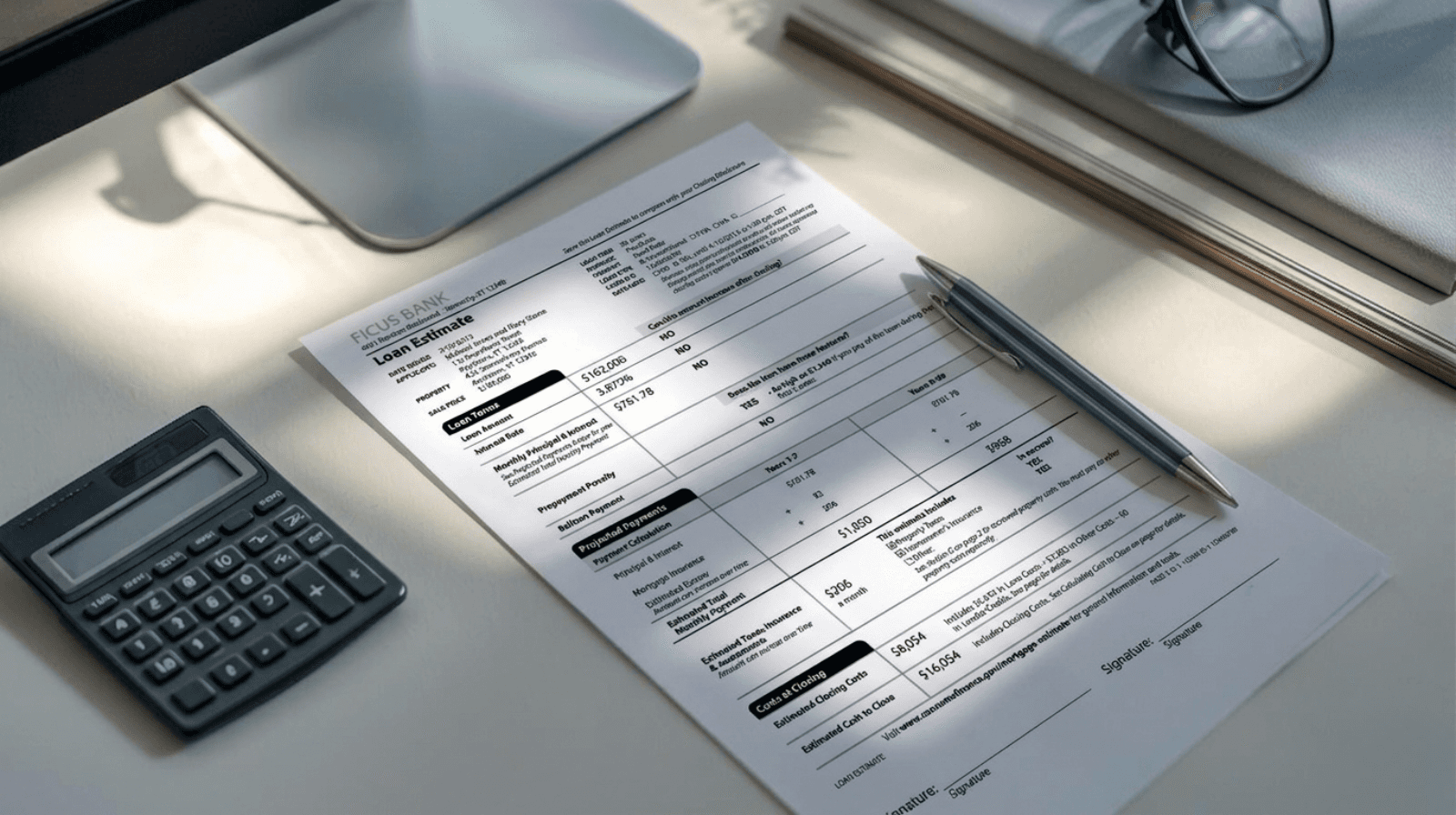
You’ll receive a Loan Estimate that details:
Rate
Fees
Closing costs
Cash-out available
New payment
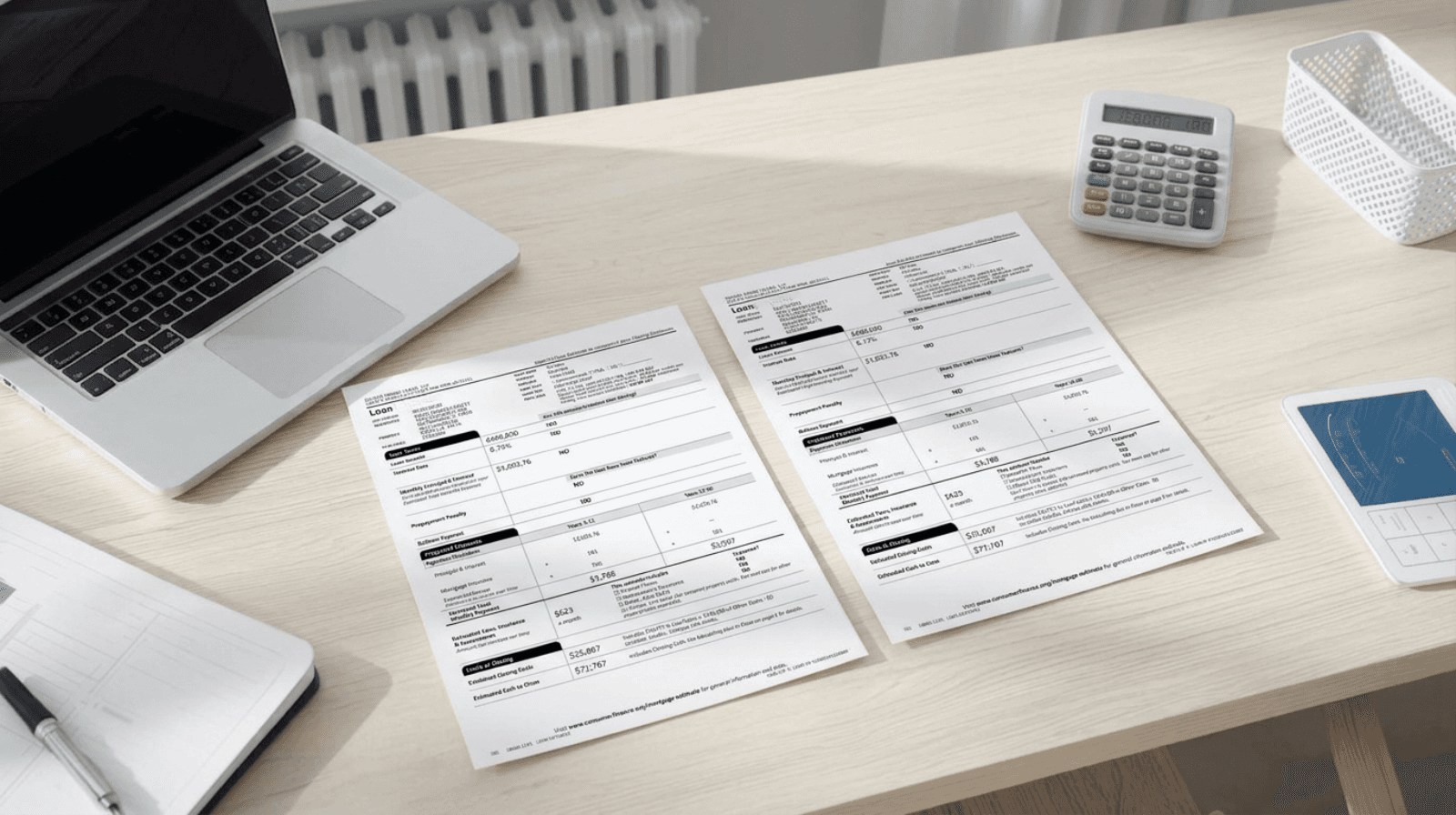
💡 Pro Tip: Don't lose potential cash in your pocket to a 0.25% rate markup that shouldn't exist. Before signing, upload your Loan Estimate to Fincast to ensure you have a competitive offer.
Step 5: Close on the Refinance
At closing:
Your old mortgage is paid off
Your new mortgage begins
You receive the cash-out funds (typically within 1–3 days)
Step 6: Use the Cash to Pay Off Your Debts
Most homeowners immediately:
Pay off credit card balances
Close out personal loans
Eliminate monthly payments
Some lenders even allow direct creditor payouts, meaning the lender uses your cash-out funds to automatically pay off your debts.
Does Using a Cash-Out Refinance to Pay Off Debt Really Save Money?
Short answer: It can — but it’s not a hard and fast rule.
Let’s look at a real comparison:
Before (Credit Cards + Loans):
$25,000 credit card debt at 24% → $600/mo
$18,000 personal loan at 12% → $350/mo
Total monthly debt payments: $950/mo
Interest paid over 5 years: $21,000+
After (Cash-Out Refinance):
Rolling debt into a new 6.25% mortgage
Payment increase on mortgage: $275–$325/mo
Total interest paid on that debt over 5 years: ~$4,000–$6,000
Savings: $12,000–$17,000+ in interest
Cash flow increase: ~$600–$700/mo
When Using a Cash-Out Refi to Pay Off Debt May Make Sense
Choose this strategy when you:
✔ Have high-interest unsecured debt
✔ Plan to stay in your home for several years
✔ Can qualify for a good mortgage rate
✔ Want one predictable monthly payment
✔ Need a large amount ($40k–$150k)
✔ Have strong equity and stable income
When You Should Avoid This Strategy
A cash-out refinance might not be right if:
❌ You have a very low mortgage rate (under ~4%)
❌ You plan to move within 1–3 years
❌ You struggle with overspending (risk of racking up debt)
❌ Your new mortgage rate would be significantly higher
❌ You don’t yet have enough equity
💡 Pro Tip: If your rate is low but you still need debt relief, consider a HELOC or home equity loan instead — both preserve your low first-mortgage rate.
Benefits of Paying Off Debt with a Cash-Out Refinance
✔ Lower interest rate
Replacing 20–30% debt with a 5–7% mortgage rate is a major financial win.
✔ Lower monthly payments
Some homeowners reduce their debt payments by $500–$1,500/mo.
✔ One single, manageable payment
Helps simplify budgeting and reduces stress.
✔ Increased credit score
Paying off revolving debt often boosts scores by 30–100+ points.
✔ Predictable repayment timeline
Your new mortgage has a clear amortization schedule.
Risks and Downsides to Understand
⚠ You’re putting your home at risk
Unsecured debt becomes secured by your home.
⚠ Interest could increase if your mortgage rate goes up
If current rates are much higher than your original rate, total costs may rise.
⚠ You can fall back into debt without behavior changes
A refinance is not a long-term solution unless spending habits improve.
⚠ Closing costs reduce your cash
Expect to pay 2–5% of the new loan amount.
How Fincast Helps
Cash-out refinance offers vary widely from lender to lender—especially for debt consolidation.
Here’s how Fincast helps you get a competitive deal. All you need to start is to apply for a cash-out refinance with any lender and receive your Loan Estimate:
1️⃣ Upload your Loan Estimate (no extra credit pull)
2️⃣ Fincast analyzes your rate and fees
3️⃣ Pre-screened lenders compete to offer better deals
4️⃣ You choose the best deal — or confirm your lender is already competitive
FAQs
1. Can I use a cash-out refinance to pay off credit card debt?
Yes — this is one of the most common uses.
2. Is the cash taxed?
Borrowing from your home’s equity may not be taxable, but it depends on how you use the funds and what deductions you take. Consult with a licensed tax professional for your situation.
3. Do I need a certain credit score?
Typically, 620+ for conventional loans, 580+ for FHA loans, and 620+ for most VA lenders, but actual requirements vary by lender.
4. How soon can I refinance again?
Most lenders require 6 months of seasoning before another refinance. This means you must have the loan (and make on-time payments) for six months.
5. Can I pay off collections or medical bills?
Yes — your cash-out funds can be used for any legal purpose.
Bottom Line
Don’t miss out on important savings.
Accepting the first offer you receive could leave money on the table.
Here's the reality: lenders price the exact same loan differently. A borrower with an identical profile might get a rate 0.375% lower, simply because they compared offers
Pro Tips (Save These!)
💡 Don’t refinance into a much higher rate just for debt payoff
📈 Consolidate only high-interest debt
⚙ Understand your new mortgage costs before committing
📊 Compare multiple lenders — rates vary widely
Action Checklist
List all your debts, rates, and payments
Estimate your home equity and max cash-out
Request a Loan Estimate from your lender
Upload your Loan Estimate to Fincast
Compare cash-out offers and closing costs
Close on the loan
Pay off your high-interest debts immediately
Build an emergency fund to avoid reaccumulating debt
👉 Ready to erase high-interest debt for good?
Upload your Loan Estimate to Fincast — where pre-screened lenders compete to help you get a competitive cash-out refinance for debt payoff.
This article is for educational purposes only and does not constitute financial, legal, or tax advice. Mortgage requirements vary by lender and individual circumstances. Consult with licensed professionals for your specific situation.
Disclaimer: Nothing in this content should be considered financial advice. The examples and data shared are for general information only and may not reflect your personal situation. We do not guarantee the accuracy or completeness of the information provided. Always do your own research and speak with a qualified financial advisor before making any financial decisions.
Ready to Save On Your New Mortgage?