
A cash-out refinance can be one of the most flexible financial tools available to homeowners. It lets you replace your existing mortgage with a larger one — and take the difference in cash.
That money can be used for renovations, debt consolidation, education, or major life expenses.
But the big question is:
How much cash can you actually take out?
Many homeowners assume they can access most of their equity — only to discover lender rules can reduce available cash dramatically. Loan type, equity, home value, credit score, and lender rules all play major roles. This guide breaks down how cash-out limits work, how lenders calculate your maximum amount, and how to know whether a cash-out refinance is the right move for you — before you sign anything.
Key Takeaways
✅ Many lenders allow you to borrow up to 80% of your home’s value in a cash-out refinance.
✅ FHA and VA loans have unique rules — some allow higher LTV limits
✅ Your credit score, DTI, and appraisal value influence how much cash you can take out
✅ Cash-out refinances increase your loan balance and may raise your monthly payment
What Is a Cash-Out Refinance? 🏡💰
A cash-out refinance is when you take out a new mortgage that’s larger than your existing mortgage balance — and pocket the difference as cash.
Example:
Home value: $500,000
Current loan balance: $300,000
New loan at 80% LTV: $400,000
Cash available: $100,000 (minus closing costs)
💡 Pro Tip: Cash-out refinances almost always require an appraisal — your home’s value directly determines how much cash you can access.
How Much Cash Can You Actually Take Out?
Here’s the simple formula lenders use:
Maximum Loan Amount – Current Loan Balance = Available Cash Out
But the key variable is the maximum loan amount, and that’s determined by your lender’s maximum Loan-to-Value (LTV) ratio.
Conventional Loans: The 80% Rule
Most conventional lenders cap cash-out refinances at 80% of your home’s appraised value, but the exact amount depends on your borrower profile and lender overlays.
In most cases, this means you must leave at least 20% equity in your home after the refinance.
Example
Home value: $450,000
80% of value: $360,000
Current mortgage: $290,000
Max cash available: $70,000
This 80% limit protects lenders by keeping borrowers from extracting too much equity and increasing foreclosure risk.
When you might see lower limits
Some lenders restrict cash-out LTV to 75% if:
Your credit score is low
You have a multi-unit property
You have a high DTI
The home is a second home or investment property
💡 Pro Tip: Pricing and requirements can vary significantly for the same loan. Getting quotes from multiple lenders will help you not only get the most competitive terms, but also find lenders with requirements you can meet.
FHA Cash-Out Refinance Limits
FHA loans offer more flexibility than conventional programs, but with more flexible borrower requirements.
Maximum FHA cash-out LTV: 80%
This aligns with conventional limits, but FHA loans require:
A credit score typically 600+
Mortgage insurance (MIP)
A full appraisal
A 12-month on-time payment history
FHA advantage
If you don’t qualify for a conventional loan due to credit, FHA may offer higher approval odds at the same 80% LTV.
VA Cash-Out Refinance: Most Flexible for Eligible Borrowers
For service members, veterans, and qualifying spouses, VA cash-out refinances can be very generous.
Maximum VA cash-out LTV: Up to 90%
(Though many lenders limit it to 80%–85%.)
Every lender has different requirements, but some may allow a slightly higher LTV than FHA loans.
💡 Pro Tip: While VA rules allow a higher LTV, finding a lender who offers it can be difficult. Most cap at 80-85%, especially in higher-risk markets.
Jumbo Cash-Out Refinance Limits
Jumbo loans come with the strictest cash-out rules.
Typical jumbo cash-out LTV: 60–70%
Jumbo lenders want:
High credit scores
Strong reserves
Lower debt-to-income (DTI) ratios
If your home is high-value and your equity is limited, cash-out refinancing with a jumbo loan can be challenging.
How Lenders Calculate Your Maximum Cash-Out Amount
Lenders look at several key factors:
1️⃣ Your Home’s Appraised Value
The appraisal is the foundation of your cash-out limit.
If the appraisal comes in low:
Your available cash shrinks
Your LTV increases
You may not qualify
If the appraisal comes in high:
Your LTV drops
You unlock more cash
Your pricing may improve
💡 Pro Tip: Simple pre-appraisal improvements — like fresh paint, landscaping, and decluttering — may help present your home more favorably during the appraisal process.
2️⃣ Your Credit Score
Higher credit scores may improve approval odds and pricing, which can increase available cash-out in some scenarios.
Typical minimums:
620 for conventional
580–600 for FHA
620–660 for jumbo
No official minimum for VA (but most lenders require 620+)
Better credit can also lower your rate, improving monthly affordability after a cash-out. However, credit score requirements vary widely by lender, so be sure to shop around.
3️⃣ Your Debt-to-Income Ratio (DTI)
Your debt-to-income ratio affects your approval and the maximum loan amount. Most lenders want debt ratios of:
43% or below for conventional
50% or below for FHA
40% or below for jumbo
VA allows higher DTIs, but lenders vary
If your DTI is too high, lenders may cap your cash-out amount to keep your monthly payments in check. Actual requirements vary by lender.
4️⃣ Loan Type & Occupancy
Primary residences
Primary residences generally receive the highest allowable LTV limits depending on program and borrower eligibility.
Second homes
Expect a 75% LTV cap, sometimes lower.
Investment properties
Expect a 70–75% LTV cap and tighter credit/income requirements.
5️⃣ Your Payment History
Late mortgage payments within the past 12 months can:
Reduce your maximum LTV
Increase your rate
Eliminate eligibility for certain programs
For FHA cash-out refinances, 12 months of perfect payments are mandatory.
Real Examples: How Much Cash You Could Take Out
Scenario 1: Conventional 80% LTV
Home value: $600,000
Current balance: $350,000
Max loan: $480,000
Scenario 2: FHA Cash-Out
Home value: $420,000
Current balance: $300,000
Max loan: $336,000
Scenario 3: VA Cash-Out (85% lender cap)
Home value: $500,000
Current balance: $350,000
Max loan: $425,000
Scenario 4: Low Appraisal Shrinks Cash-Out
Expected value: $500,000
Appraised value: $460,000
Max loan @ 80%: $368,000
Existing loan: $350,000
When Cash-Out Refinancing May Make Sense 💡
You’re likely in a strong position if your cash-out will:
✔ Consolidate high-interest credit card debt
✔ Fund value-adding renovations
✔ Cover major expenses with a lower interest rate
✔ Replace private loans with structured mortgage debt
✔ Give you flexibility while staying within a safe LTV
When Cash-Out Refinancing Might NOT Be Smart ⚠️
Avoid or reconsider cash-out if:
❌ You need the cash for everyday spending
❌ Your new rate is significantly higher
❌ You have less than 20% equity (for conventional)
❌ You plan to sell within 1–3 years
❌ Your credit score has dropped recently
❌ You’re struggling to afford your current payment
Cash-out refinances increase your mortgage balance, so be sure the long-term costs align with your goals.
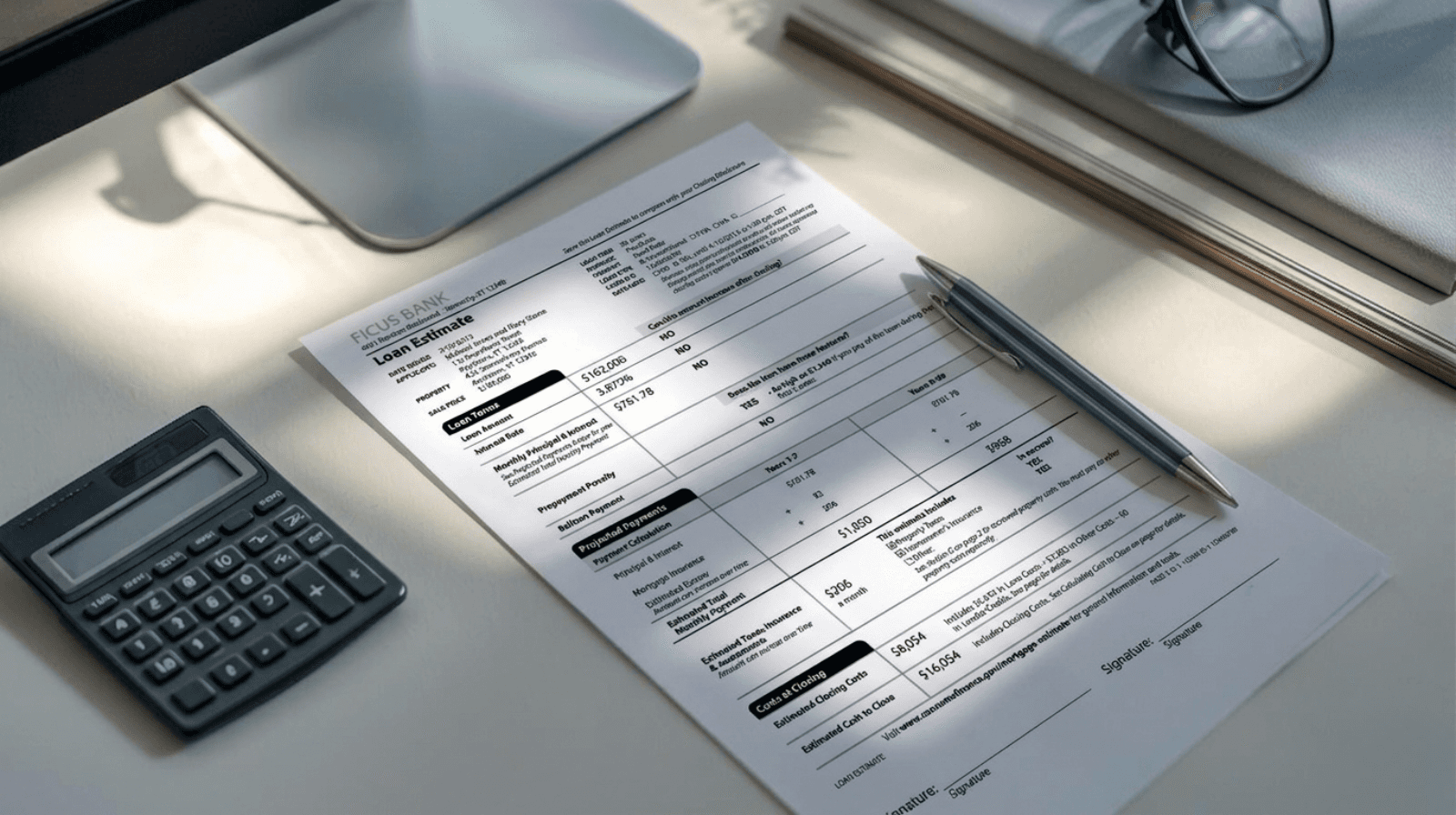
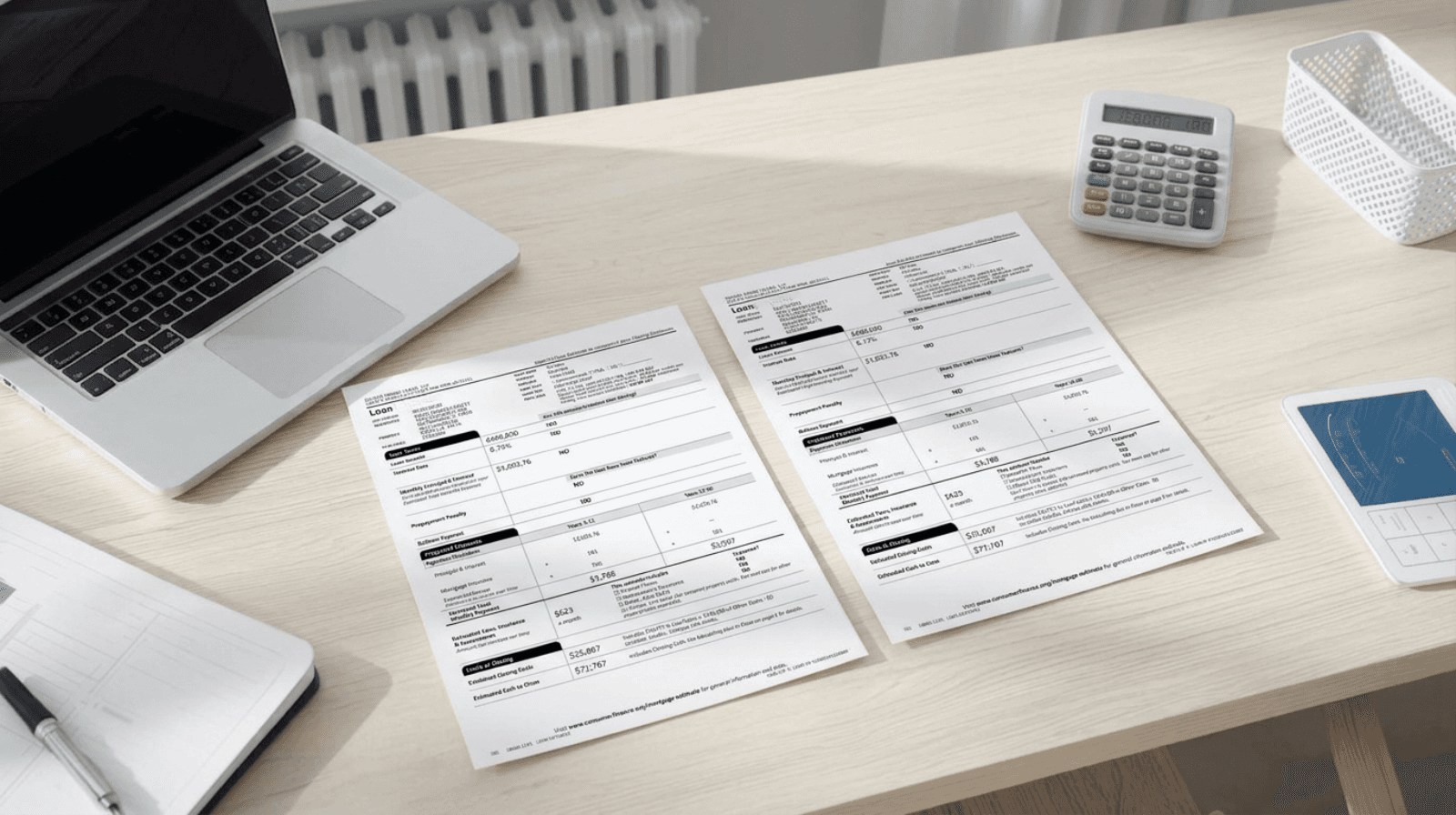
💡Pro tip: Two lenders could analyze the same score and produce wildly different offers, which could mean thousands of dollars' difference. This is exactly where Fincast gives homeowners a significant advantage. Upload a single Loan Estimate and get competing offers to see where your offer stands.
How Fincast Helps You Maximize Your Cash-Out Savings 🚀
Loan pricing and cash-out limits vary widely across lenders because each applies its own underwriting overlays and risk adjustments. That means pricing differences can be huge, sometimes thousands of dollars.
Here’s how Fincast helps. To get started, all you need is a Loan Estimate from any lender:
1️⃣ Upload your Loan Estimate — no extra credit pulls.
2️⃣ Fincast analyzes your offer (rate, fees, PMI/MIP, LTV adjustments).
3️⃣ Vetted lenders compete quietly to beat it.
4️⃣ You choose the best deal — or confirm your lender is already competitive.
This matters even more for cash-out refinances, where:
Higher LTV = higher pricing variability
Many lenders add hidden adjustments
Some lenders limit cash-out more than others
💡 Pro Tip: Even small rate or fee improvements may increase available cash-out and reduce long-term borrowing costs depending on loan size and term.
FAQs
1. What’s the maximum cash-out amount most lenders allow?
Usually, 80% of your home’s value, minus your existing mortgage balance, but exact requirements vary by lender.
2. Can I get 100% LTV on a cash-out refinance?
Only VA loans can allow this, but most VA lenders cap cash-out at 80–85%.
3. Is cash-out refinancing taxable?
Cash-out refinance proceeds are generally not considered taxable income, but tax treatment can vary. Borrowers should consult a qualified tax professional.
4. Do I need an appraisal for a cash-out refinance?
Most lenders require one, but exact requirements vary.
5. Can I cash out if I have a second mortgage or HELOC?
Yes, but those balances count toward your total LTV, reducing the amount of cash you can take out.
6. Does cash-out refinancing affect PMI?
If your new loan exceeds 80% LTV on a conventional loan, PMI will apply.
Bottom Line
You can typically cash out up to 80% of your home’s value, though loan type, credit score, and appraisal results can push the amount higher or lower. Cash-out refinances can unlock major financial opportunities — but only when the numbers and timing make sense for your situation.
You’re in a strong position when:
✅ You understand your home’s equity and maximum LTV
✅ A cash-out refi lowers your total financial burden
✅ Your new payment fits comfortably in your budget
Pro Tips (Save These!)
💡Aim for 80% LTV or better for the best pricing
📈Improve your credit score before applying
⚙️Maximize your appraisal with simple prep work
🔍Compare at least 3 lenders — rates and limits vary
🚀Upload your Loan Estimate to Fincast for quick benchmarking
Action Checklist
Check your current home value (estimate + comps)
Calculate your equity and estimated max LTV
Review your credit score and debts
Decide how much cash you genuinely need
Request a Loan Estimate from your lender
Upload your Loan Estimate to Fincast
Compare competing offers and choose the best option
👉 See how much equity you can safely access. Upload your Loan Estimate to Fincast and let vetted lenders compete to improve your offer — anonymously, with no extra credit pulls.
This article is for educational purposes only and does not constitute personalized financial advice. Mortgage requirements vary by lender and individual circumstances. Consult with a licensed mortgage professional for your specific situation.
Yes, but those balances count toward your total LTV, reducing the amount of cash you can take out.
Disclaimer: Nothing in this content should be considered financial advice. The examples and data shared are for general information only and may not reflect your personal situation. We do not guarantee the accuracy or completeness of the information provided. Always do your own research and speak with a qualified financial advisor before making any financial decisions.
Ready to Save On Your New Mortgage?