
Refinancing can lower your monthly payment, reduce your interest rate, or help you consolidate debt — but what if your debt-to-income (DTI) ratio is 50%?
A high DTI is one of the largest obstacles homeowners face during refinancing. While some borrowers may get approved, the rules are stricter, the options narrower, and lenders scrutinize every financial detail much more closely.
This guide breaks down what a 50% DTI really means, when refinancing is still possible, which loan programs allow it, and how to improve your approval odds.
Key Takeaways
✅ Yes, you may be able to refinance with a 50% DTI — but your lenders or loan programs may be limited.
✅ Conventional loans sometimes allow 50% DTI, but only with strong compensating factors.
✅ FHA loans may be more flexible for high-DTI borrowers.
✅ VA streamline refinances often approve borrowers even above 50% DTI.
What a 50% DTI Ratio Really Means
Your DTI ratio measures how much of your gross monthly income goes toward debt payments:
DTI = Total Monthly Debt Payments ÷ Gross Monthly Income
So if you earn $8,000 per month and spend $4,000 on debts (mortgage, credit cards, auto loans, student loans), your DTI is 50%.
Why This Matters for Refinancing
A 50% DTI tells lenders:
You have limited room in your monthly budget
Any financial shock could strain payments
You are higher risk than borrowers with a DTI below 45%
A high DTI doesn’t automatically disqualify you for a loan — but it may reduce the number of lenders and loan programs willing to approve your application.
Keep in mind that there are two DTIs lenders consider: the front-end DTI (housing only) and the back-end DTI (all debts). Most lenders consider both, but put more emphasis on the housing-only DTI.
💡 Pro Tip: You can manage your DTI by increasing your income or lowering your debts. Sometimes, even a single lump-sum payment toward a debt can lower your DTI enough for loan approval.
Can You Refinance with a 50% DTI?
Short answer: Yes — but only under certain conditions.
Here’s how each loan type considers high DTI ratios:
1️⃣ Conventional Refinance: Possible at 50% DTI (But Not Easy)
Fannie Mae and Freddie Mac both cap DTI around 45%, but they may approve up to 50% if automated underwriting grants an approval.
To qualify, lenders typically require:
✔ Strong compensating factors, such as:
Credit score 700+
Solid payment history
Significant cash reserves
Stable, reliable income
Strong equity position (ideally 10–20%)
✘ You will probably NOT qualify if:
Your credit is weak
Your income is inconsistent
You have little to no savings
Your loan is jumbo or non-conforming
💡 Pro Tip: Even if a lender approves your loan at 50% DTI, you may receive a higher rate because lenders often charge higher rates for riskier loan profiles.
2️⃣ FHA Refinance: Provides Flexibility for High-DTI Borrowers
FHA is often more flexible for borrowers with 50% DTI.
Why?
Because FHA allows DTI ratios up to 50–56% when using the automated underwriting system, especially with compensating factors like:
On-time mortgage payments
Residual income
Lower credit card utilization
Keep in mind that if a lender must use manual underwriting on your FHA loan application, the DTI caps are lower.
And if you already have an FHA loan, the FHA Streamline Refinance may be an option:
FHA Streamline Benefits
Often no appraisal
Minimal documentation
Limited income verification in some cases
No requirement to meet standard DTI limits
If you have an FHA loan today, this is your path of least resistance, but terms vary by lender.
3️⃣ VA Loans: You May Qualify at or Above a 50% DTI
For eligible veterans and service members, VA loans offer more lenient DTI rules.
VA IRRRL (Streamline)
Some lenders allow the following for this refinance type:
No appraisal
No income verification
Doesn’t use a strict DTI limit
Many borrowers refinance with DTIs of 50%, 60%, or even higher, as long as residual income guidelines are met, but terms vary by lender.
VA Cash-Out Refinance
It can often be tougher to qualify for a VA cash-out refinance because most lenders cap the DTI around 50–55%, and you must document income.
4️⃣ USDA Loans: Hard to Refinance at 50% DTI
USDA loans typically limit DTI to:
29% front-end
41% back-end
Even with strong compensating factors, USDA rarely approves refinances with DTI above 45%.
If you have a USDA loan and a 50% DTI, you likely need to:
Pay off debt
Increase income
Refinance into an FHA instead
When a 50% DTI Refinance Is Still Possible
Even with high debt, lenders might approve you if:
You have strong compensating factors
Excellent credit score (700+)
Long, stable employment history
Low payment shock (new mortgage close to current payment)
3–6 months of cash reserves
Good equity (ideally 10%+)
Your refinance reduces your payment
Lenders LOVE “payment-reduction refinances.”
If you’re refinancing to lower your payment — even with a high DTI — some lenders may be more likely to approve your loan.
Your loan is FHA or VA
Government-backed programs are built to help homeowners with tighter financial situations.
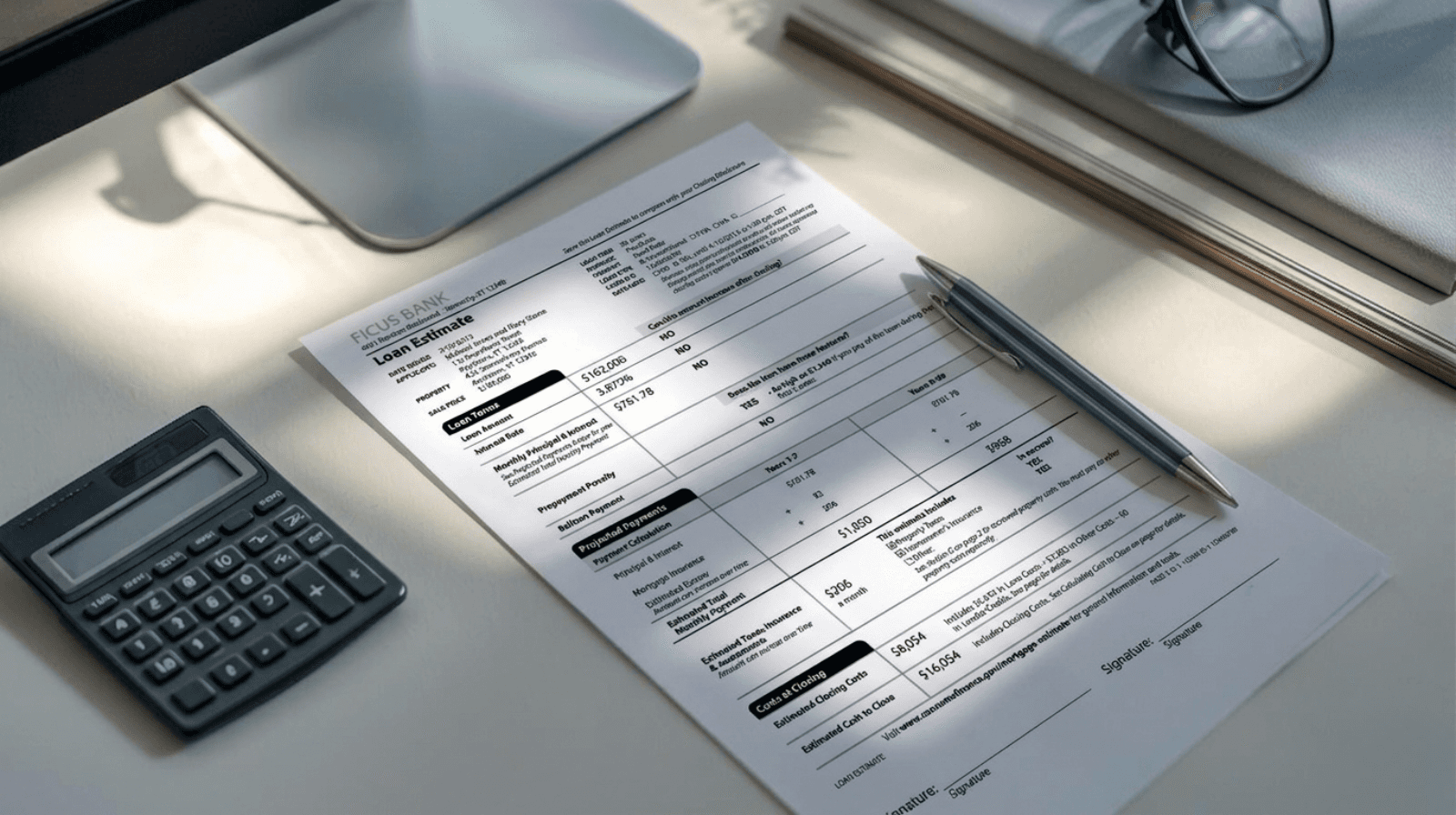
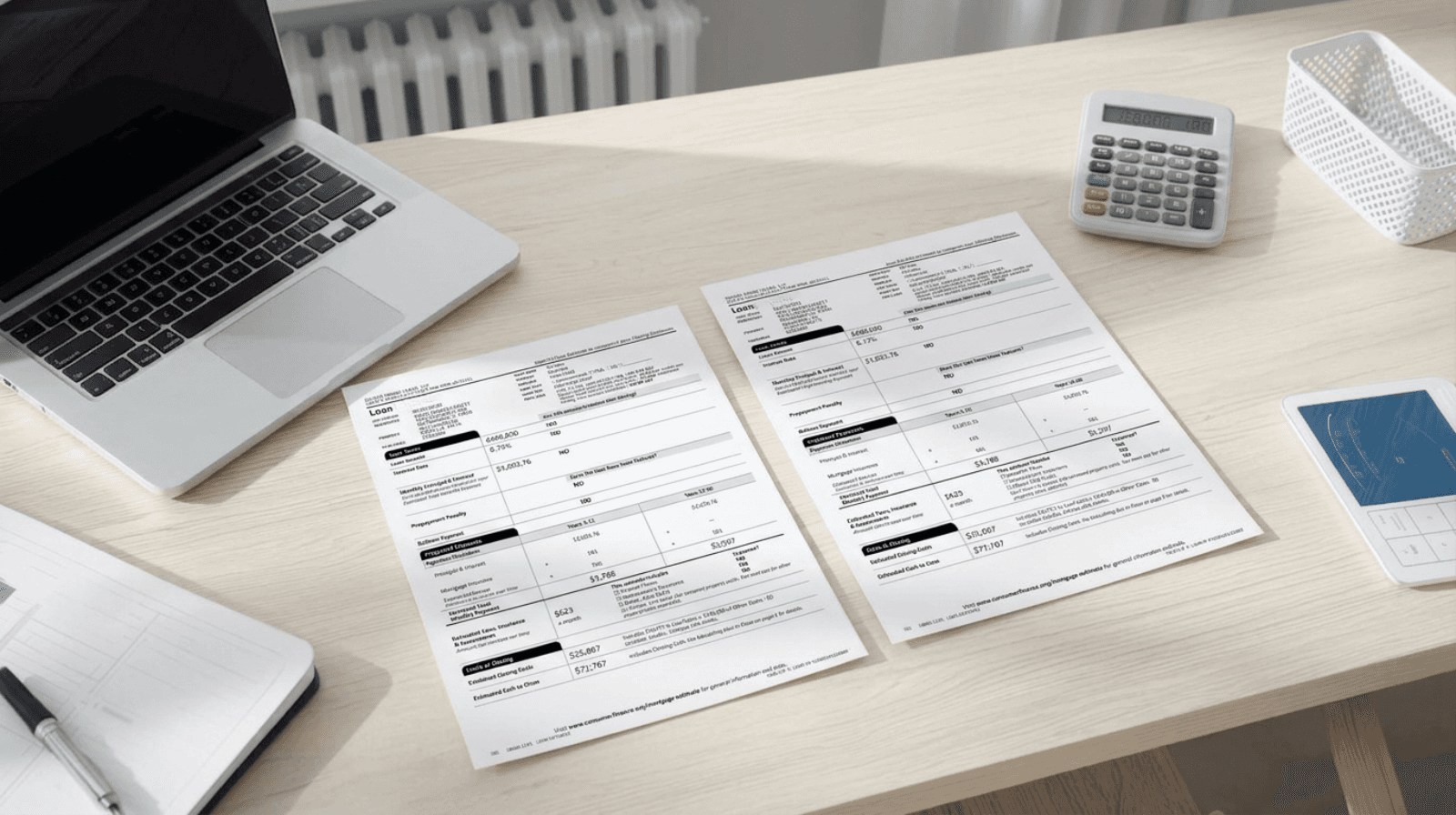
💡 Pro Tip: Upload your Loan Estimate to Fincast and see whether high-DTI-friendly lenders can offer you a lower payment, without extra credit pulls or spam.
When You Can’t Refinance at 50% DTI
Even flexible lenders may reject a refinance if:
❌ Your credit score is below 620
❌ You want a cash-out refinance (almost impossible at 50% DTI)
❌ Your payment will increase after refinancing
❌ Your income isn’t stable
❌ You’re applying for a jumbo loan
💡 Pro Tip: If your DTI is above 50% and your rate is already high, compare offers carefully — sometimes refinancing still saves thousands even with tough pricing.
How to Improve Your Approval Odds Fast
Even a small change in your numbers can tip you from “denied” to “approved.”
1️⃣ Pay down high-impact loans
Lenders analyze your minimum payments, not your balances.
Which debts help most?
Credit cards
Auto loans
Personal loans
A $50/month reduction can move your DTI by 1%.
2️⃣ Increase your income (in ways lenders accept)
Lenders count:
Raises
Promotions
Overtime (2-year history preferred)
Side-gig income (12–24 months required)
3️⃣ Add a co-borrower
Their income helps your DTI — even if they don’t live in the home.
4️⃣ Choose FHA or VA over conventional
These programs are built to support borrowers with higher DTIs.
5️⃣ Improve your credit score
Even a 20-point increase can dramatically improve underwriting results for high-DTI borrowers.
How Fincast Helps You Refinance with a High DTI
When your DTI is 50%, different lenders will treat you very differently — some will deny you instantly, while others specialize in high-DTI approvals.
Fincast helps you cut through the noise.
How it works:
Get a Loan Estimate from any lender.
Upload it securely to Fincast.
Vetted lenders compete to beat your offer — anonymously.
You choose the best deal.
Why this matters with high DTI:
Some lenders allow 50%+
Some give better pricing for borderline DTIs
Some accept FHA/VA streamline loans without full documentation
A lower rate may reduce monthly payments, depending on the borrower’s loan amount and term.
No extra credit pulls.
No spam.
Just real competition.
FAQs
1. Can I refinance with a 50% DTI?
It may be possible, especially through FHA, VA, and some conventional lenders that allow up to 50% DTI with strong compensating factors.
2. Can I do a cash-out refinance at 50% DTI?
It may be hard to find a willing lender. Cash-out loans usually require leaving 20% equity and maintaining a lower DTI.
3. Does refinancing lower my DTI?
If your new payment is lower, your DTI improves—which can improve your overall financial picture.
4. Will paying off a credit card help my DTI?
Yes. Even a small monthly payment reduction can meaningfully improve your ratio.
5. Should I refinance if my DTI is high?
If refinancing lowers your rate or monthly payment, it may still be the right move — especially with FHA or VA programs.
Bottom Line
A 50% DTI doesn’t automatically stop you from refinancing — but it does make the path narrower. The key is choosing the right loan program, lowering your payment if possible, and working with lenders who understand high-DTI scenarios.
You’re in a strong position when:
✅ You’re exploring FHA or VA options for more flexibility
✅ You’ve strengthened your application with compensating factors
✅ You understand how each lender views high DTI differently
✅ You’ve compared offers instead of settling for the first quote
A better refinance can lower your payment, reduce long-term interest, and help you regain financial breathing room — especially when you’re carrying a high DTI. Upload your Loan Estimate to Fincast to see whether vetted lenders can help you lower your DTI, have a lower payment, and find a faster path to approval.
Disclaimer: Nothing in this content should be considered financial advice. The examples and data shared are for general information only and may not reflect your personal situation. We do not guarantee the accuracy or completeness of the information provided. Always do your own research and speak with a qualified financial advisor before making any financial decisions.
Ready to Save On Your New Mortgage?