

Decorating your home can feel overwhelming when you don’t know where to start. Too many choices, conflicting advice, and fear of making expensive mistakes often stop homeowners before they begin.
The truth is, good home styling isn’t about perfection or designer budgets. It’s about understanding a few core principles and applying them thoughtfully to your space. This beginner-friendly guide breaks decorating down into simple, manageable steps so you can create a home that feels cohesive, comfortable, and truly yours.
Key Takeaways
Decorating works best when you plan before you shop
Style comes from consistency, not expensive items
Small changes often make the biggest visual impact
Function should always guide design decisions
Decorating is a process, not a one-time event
Start With Function Before Style

Before picking colors or furniture, focus on how the use of each room. Function sets the foundation for every decorating decision.
Ask yourself:
Who uses this room daily?
What activities happen here most often?
What feels inconvenient or cluttered right now?
For example, a living room used for family movie nights needs durable seating and clear walkways, while a guest room can prioritize aesthetics over storage. When the function comes first, your style choices feel natural rather than forced.
💡 Pro Tip: If a room doesn’t work well, no amount of décor will fix it.
Understand the Basics of Decorating Styles
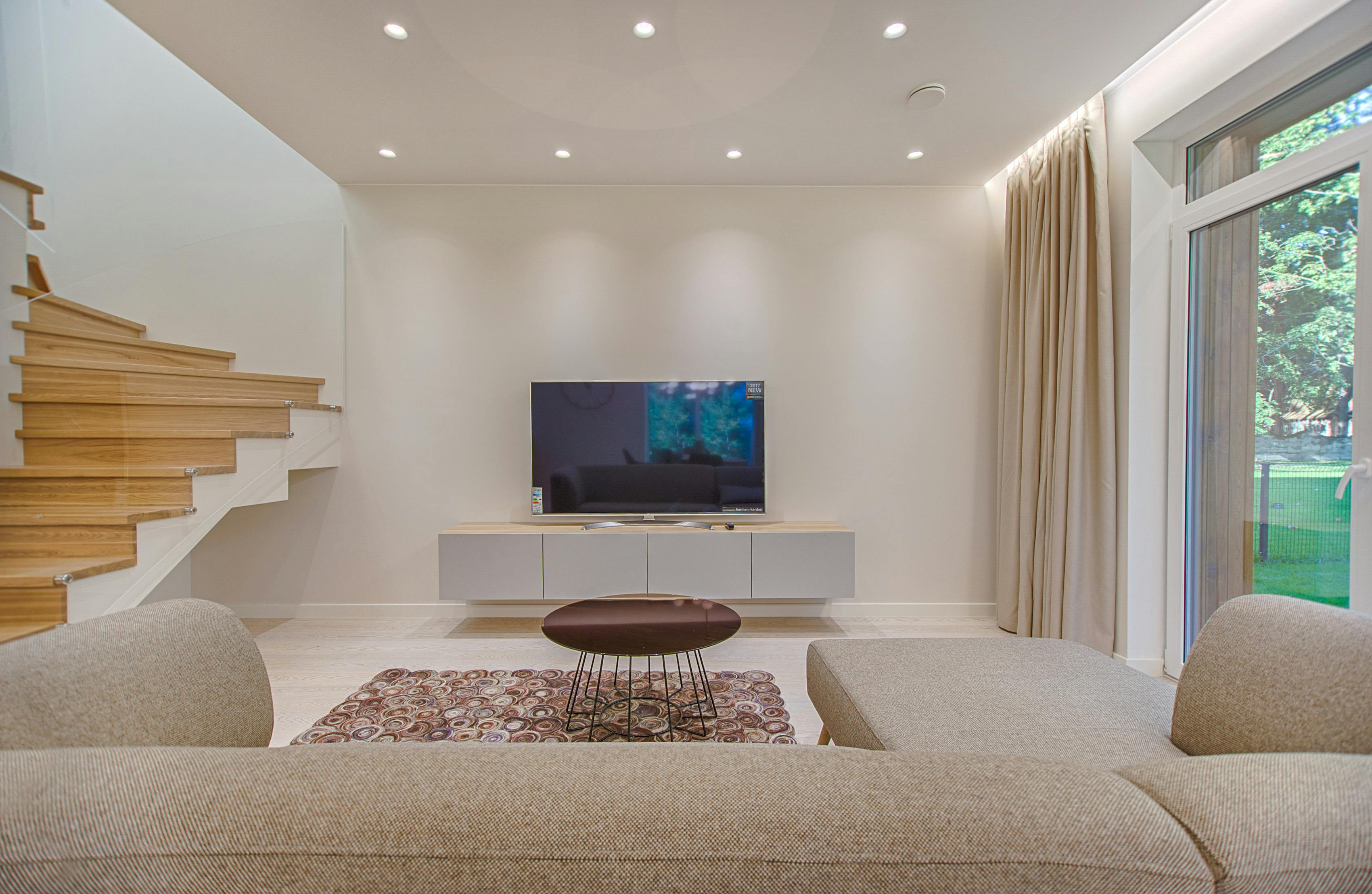
You don’t need to memorize design terms, but recognizing general styles helps guide choices.
Common beginner-friendly styles include:
Modern: clean lines, minimal décor, neutral colors
Traditional: classic furniture, symmetry, warm tones
Transitional: a blend of modern and traditional
Casual/Cozy: soft textures, relaxed layouts
You don’t have to stick to one style perfectly. Most homes mix styles, but keeping one dominant direction prevents visual chaos.
Build a Simple Color Strategy
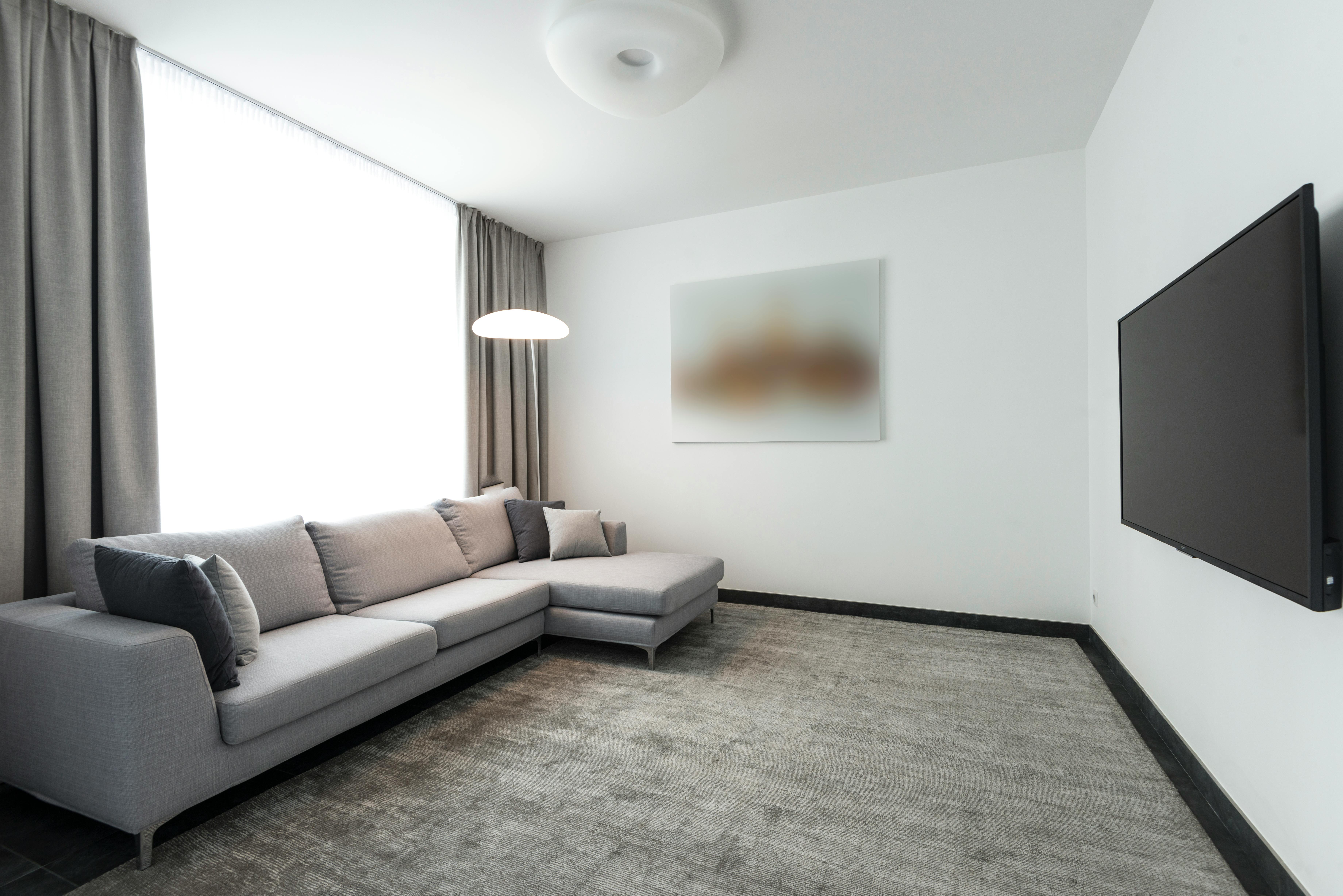
Color mistakes are one of the most common decorating regrets. Simplicity wins.
A safe approach:
Choose one main neutral for walls
Add one or two accent colors
Repeat those colors throughout the room
Neutrals don’t have to be boring. Warm whites, soft grays, and earthy tones create flexibility and longevity. Accent colors can come from pillows, rugs, or artwork, which are easy to change later.
💡 Pro Tip: Test paint samples on multiple walls before committing.
Furniture Placement Comes Before Accessories
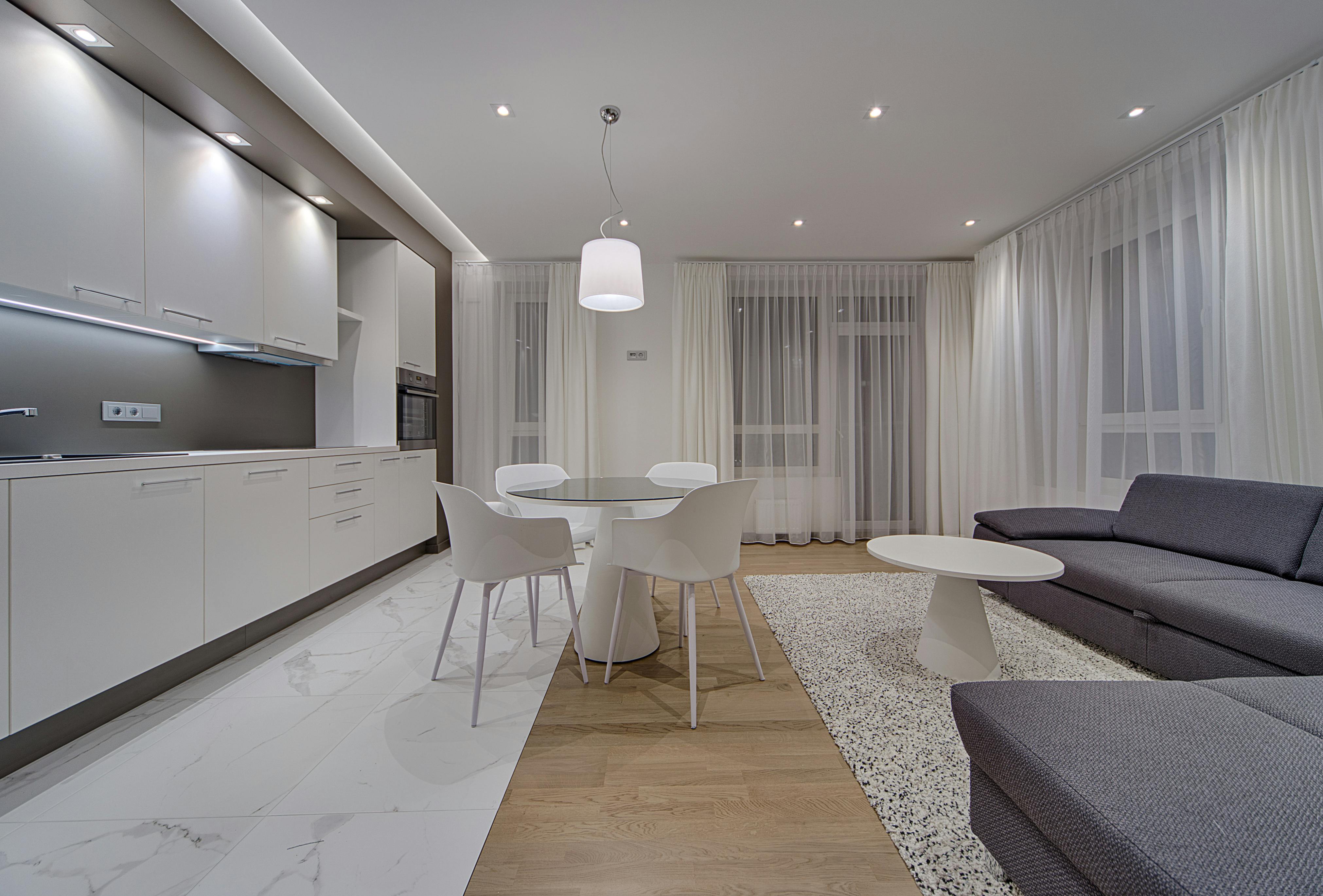
Decorating works best when the big pieces fit first.
Focus on:
Clear walking paths
Proper furniture scale for the room
Anchoring pieces like sofas, beds, or dining tables
Avoid pushing everything against the walls by default. Floating furniture often creates better balance and conversation areas. Once furniture feels comfortable and functional, the rest becomes easier.
Use Lighting to Transform a Room
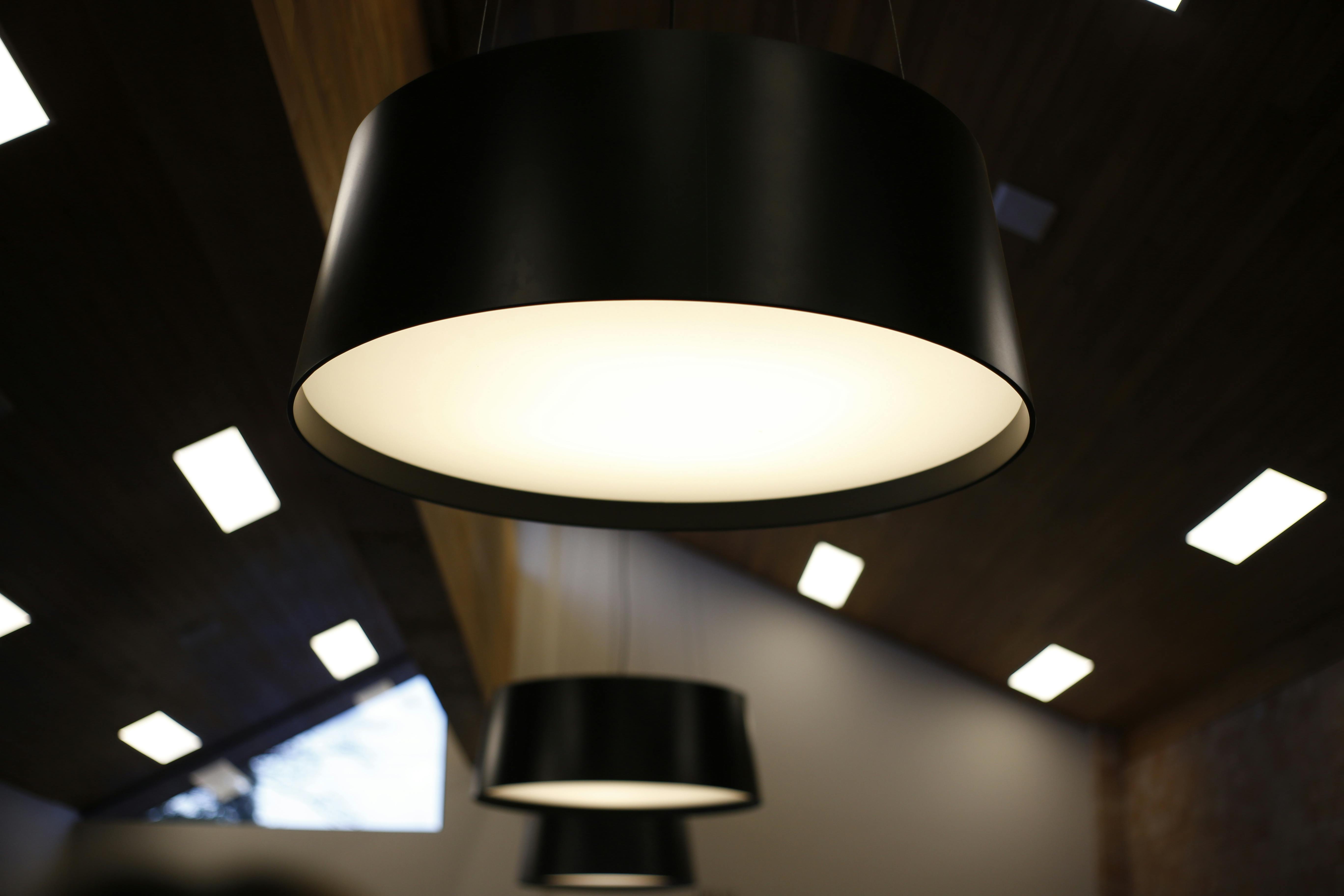
Lighting is one of the most overlooked beginner mistakes. One ceiling light is rarely enough.
Aim for a mix of:
Ambient lighting: general room light
Task lighting: reading lamps, desk lights
Accent lighting: sconces or small lamps
Good lighting adds warmth, depth, and comfort, even with simple décor.
💡 Pro Tip: Warm bulbs usually feel more inviting than cool white lighting in living spaces.
Decorate With Layers and Texture

Flat rooms feel unfinished, even with nice furniture. Texture adds interest without clutter.
Easy ways to layer:
Rugs over hard floors
Throw pillows with varied fabrics
Curtains to soften windows
Natural elements like wood or plants
Mix smooth and rough, soft and structured. This balance makes rooms feel intentional instead of sterile.
Step-by-Step Framework: Decorating a Room From Scratch
Define the room’s purpose and daily use
Choose a primary style direction
Select a neutral base color
Place essential furniture first
Add lighting at multiple levels
Layer in texture and accessories gradually
Pause between steps to evaluate before moving forward.
FAQs
How do beginners start decorating a home?
Beginners should start by defining the use of each room, choosing a simple style direction, and focusing on function before décor.
What is the easiest decorating style for beginners?
Transitional and casual styles are often easiest because they allow flexibility and mixing pieces without strict rules.
Should I decorate one room at a time?
Yes. Decorating one room at a time helps prevent overwhelm and keeps spending under control.
How do I choose colors for my home?
Start with a neutral base and add one or two accent colors that repeat throughout the room for cohesion.
Is decorating expensive for homeowners?
Decorating doesn’t have to be expensive. Planning, patience, and prioritizing function help control costs.
What makes a room feel finished?
Balanced furniture placement, layered lighting, consistent color use, and thoughtful accessories usually signal a finished space.
Decorating is a skill you build, not a talent you’re born with. By focusing on function, simplicity, and gradual improvement, you can style your home with confidence and avoid costly mistakes along the way.
👉Thinking about a bigger home project down the line? Fincast helps homeowners compare current Loan Estimates with offers from other lenders to find better rates and terms, freeing up cash flow for future projects.
Disclaimer: Nothing in this content should be considered financial advice. The examples and data shared are for general information only and may not reflect your personal situation. We do not guarantee the accuracy or completeness of the information provided. Always do your own research and speak with a qualified financial advisor before making any financial decisions.
Ready to Save On Your New Mortgage?