If you’re tired of heating an empty house or manually adjusting your thermostat daily, upgrading to a smart thermostat is one of the few home improvements that can pay you back every single month. Heating and cooling often make up a large share of utility bills, and small inefficiencies quietly cost homeowners hundreds each year.
A smart thermostat helps reduce that waste by automatically adjusting temperatures when you’re asleep, away, or simply don’t need full heating or cooling. The right model, installed correctly, can deliver real savings without sacrificing comfort. On average, smart thermostats save homeowners $180 per year or $1,800 over ten years.
If you’re tired of wasting money on unused heating and air, check out the best smart thermostats homeowners choose most often, what they cost, and how to install them safely to maximize ROI.
Key Takeaways
Smart thermostats can reduce heating and cooling costs by cutting wasted run time
Most popular models cost less than a single season of energy savings
DIY installation is usually possible, but wiring compatibility matters
Rebates and utility incentives can significantly improve ROI
Correct setup matters just as much as the thermostat itself
Why Smart Thermostats Save Homeowners Money
Traditional thermostats rely on manual changes, which means systems often run longer than needed. Smart thermostats automate those decisions using schedules, occupancy sensors, and learning algorithms.
Typical savings come from:
Lower temperatures while sleeping or away
Reduced run time during mild weather
Avoiding heating or cooling empty rooms
Over time, this reduces energy use, wear on HVAC equipment, and the risk of surprise utility spikes—small changes that add up year after year.
💡 Pro Tip: Savings vary by home, climate, and usage, but many homeowners see noticeable reductions within the first few billing cycles.
Step-by-Step: How to Install a Smart Thermostat Safely
Turn off the power to your HVAC system at the breaker
Remove the existing thermostat cover
Label existing wires before disconnecting
Mount the new base plate and connect wires
Attach the thermostat and restore power
Follow the app setup instructions carefully
Always stop if wiring doesn’t match the manufacturer’s guide—some systems require professional help.
Best Smart Thermostats Homeowners Trust
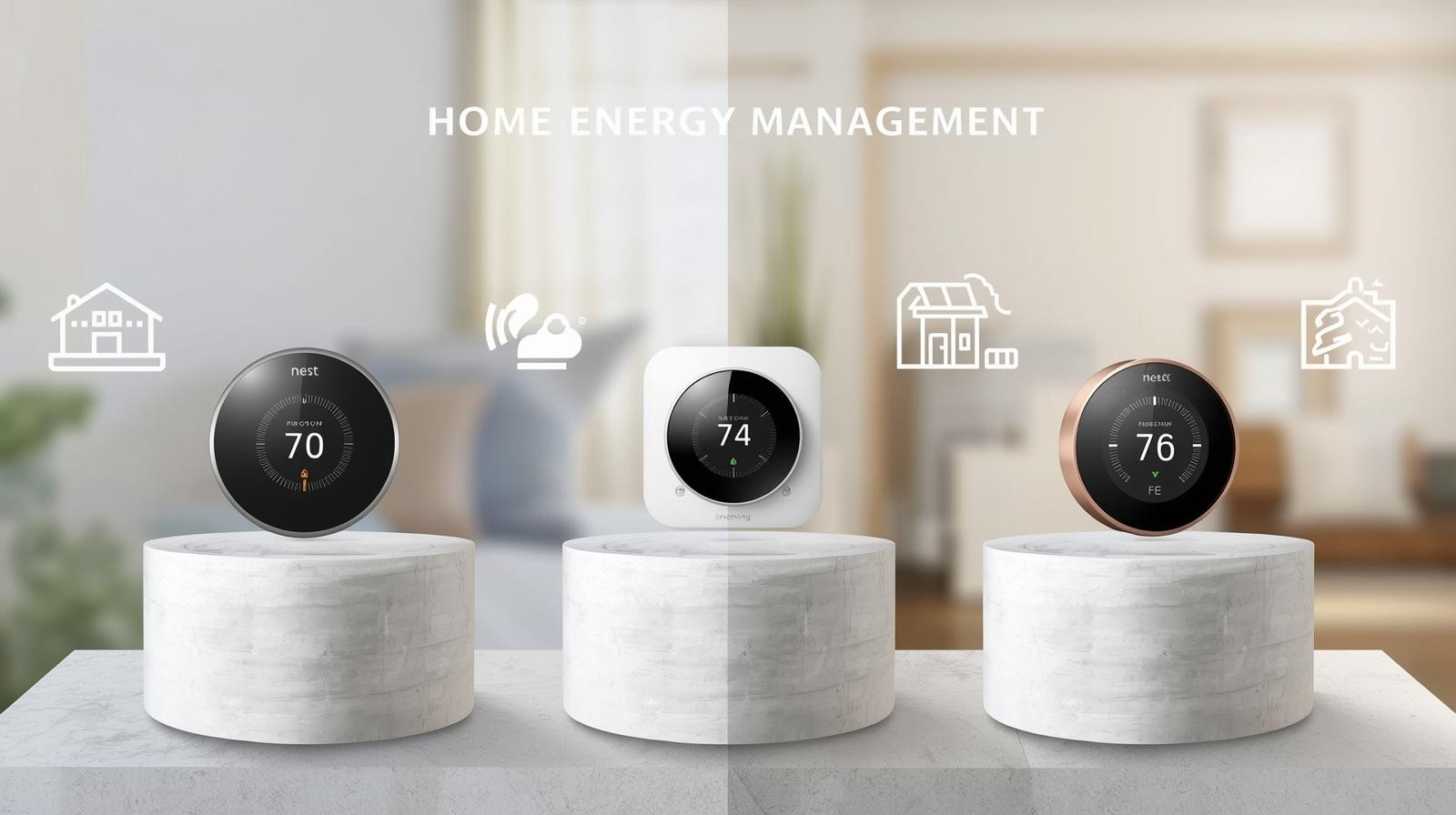
Google Nest Learning Thermostat
Best for: Hands-off homeowners who want automation
Why it stands out: Learns your schedule automatically
Typical cost: Around $279
Pays for itself in: Approximately 1 ½ years
It adapts to your habits over time, reducing the need for constant adjustments.
Ecobee Smart Thermostat
Best for: Homes with uneven temperatures
Why it stands out: Includes remote room sensors
Typical cost: $140 to $260, depending on the model
Pays for itself in: Less than a year to 1 ½ years
The sensors help balance hot and cold spots, which can prevent overworking your HVAC system.
Honeywell Home Smart Thermostats
Best for: Reliability and broad HVAC compatibility
Why it stands out: Straightforward controls, solid app
Typical cost: $99 to $220
Pays for itself in: Less than a year to 1 ½ years
A practical choice for homeowners focused on value over bells and whistles.
Cost vs. Savings: Is a Smart Thermostat Worth It?
While prices vary, smart thermostats typically recoup their cost within a couple of years, depending on the model and installation type chosen.
Financial considerations:
DIY install avoids labor costs
Many utilities offer rebates or bill credits
Reduced HVAC wear may delay expensive repairs
Even modest monthly savings compound into meaningful long-term cost protection.
💡 Pro Tip: Check your local utility website before buying—rebates can significantly reduce upfront cost.
Common Mistakes That Reduce Savings
Skipping the compatibility check before buying
Installing without shutting off the power
Ignoring setup and schedule optimization
Overriding smart features constantly
Installation is only half the equation. Proper programming is what delivers real savings.
FAQs
Do smart thermostats really save money?
Yes, many homeowners see lower heating and cooling costs by reducing wasted run time and improving scheduling.
Can I install a smart thermostat myself?
Often yes, but you should always verify compatibility and wiring before starting.
Do smart thermostats work with older systems?
Some do, but older HVAC systems may require a professional installation or an adapter.
Are rebates available for smart thermostats?
Many utility companies offer rebates or incentives—availability varies by location.
Is a smart thermostat worth it if I’m home a lot?
Yes. Even small temperature adjustments and learning features can reduce unnecessary energy use.
Bottom Line
A smart thermostat is one of the highest-ROI home upgrades available for most homeowners. When you choose a model that fits your system and take the time to install and program it correctly, the savings can quietly add up month after month—protecting both your comfort and your budget.
Disclaimer: Nothing in this content should be considered financial advice. The examples and data shared are for general information only and may not reflect your personal situation. We do not guarantee the accuracy or completeness of the information provided. Always do your own research and speak with a qualified financial advisor before making any financial decisions.
Ready to Save On Your New Mortgage?